Recursos para comprar ropa personalizada.
Guías de compra, sectores, materiales y técnicas, precios, comparativas y proyectos entregados: todo lo que necesita saber antes de pedir para sus equipos.
PETA-Approved Vegan: what does this label guarantee on clothing?
Looking for garments with no wool, silk or leather for your merch? What the PETA-Approved Vegan label really guarantees, what it does not check, whether you can reuse its logo, and the models in our catalogue whose product page carries the PETA Vegan mention.
Organic Content Standard: what does the OCS label guarantee?
Spotted 'OCS' on the product page of an organic cotton t-shirt? This label proves the presence of organic fibres, not how the fabric was dyed or the working conditions: here is how to verify it, and the models to customise whose product page shows it.
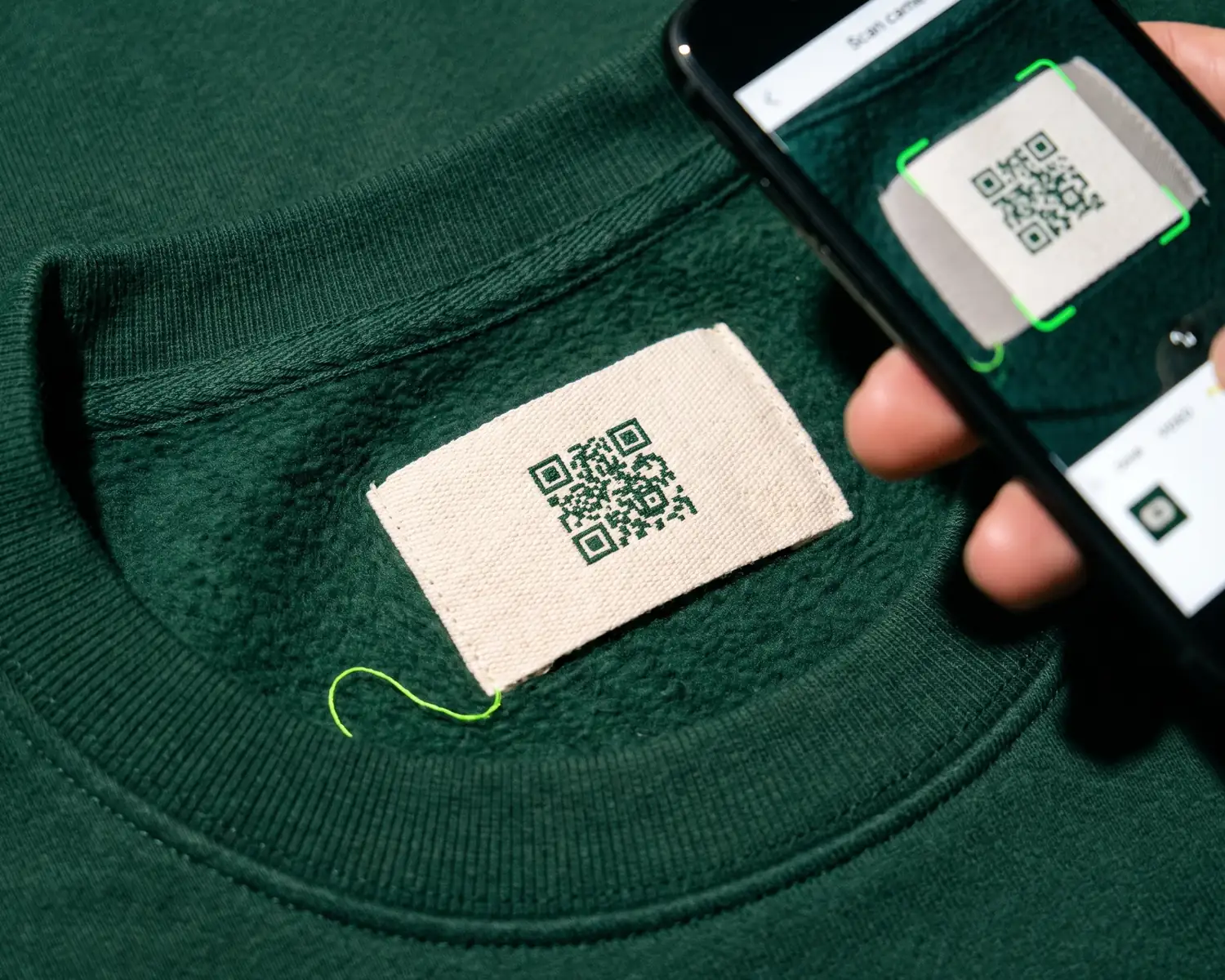
Digital product passport: what changes for clothing
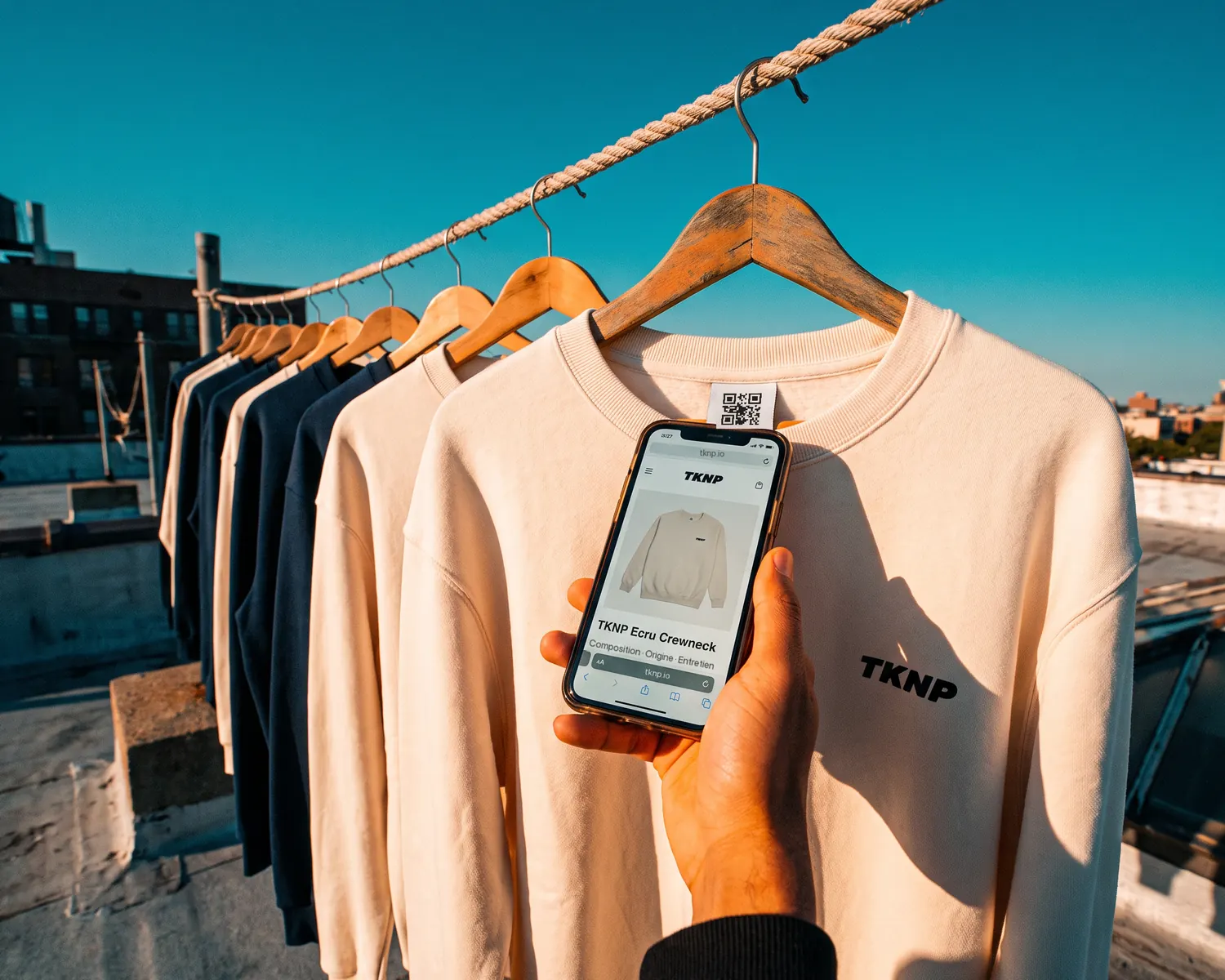
The digital product passport is coming to textiles, but not in 2027 as you often read. What it is, when it will become mandatory for clothing, why your brand will in principle be responsible for it, and what you can prepare right now.
French textile eco-score: what changes for your brand
The environmental cost of clothing is voluntary in France, but from 1 October 2026 it no longer depends on brands alone. What it measures, how it is calculated, and how to get the data when someone else makes your garments.
Textile labels: what GOTS, Oeko-Tex and the others guarantee
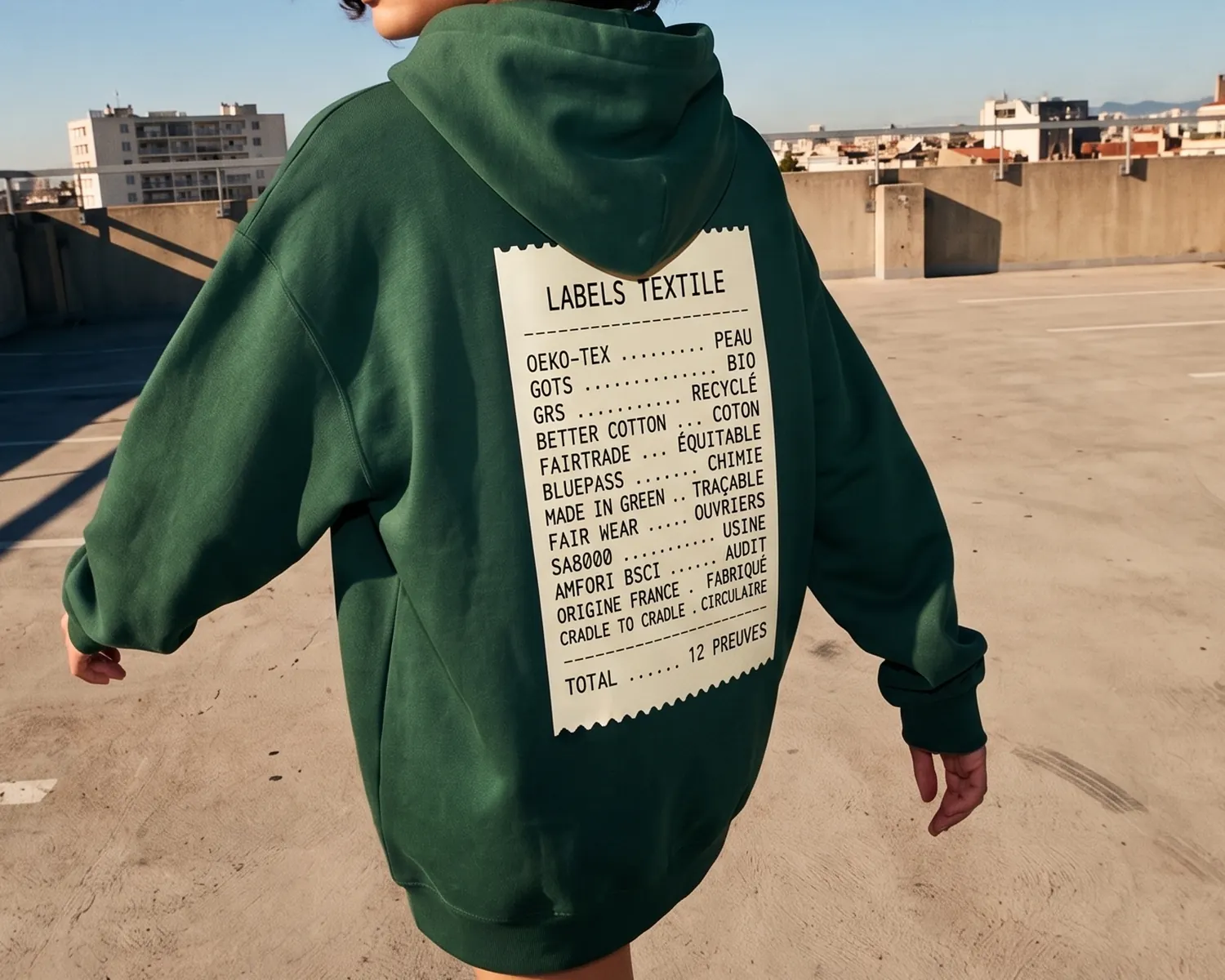
Twelve textile labels sorted by what they prove: the skin, the fibre, the factory, the workers, the origin, end of life. So you know which one to look for before choosing the garments for your merch.
Bluesign: definition, criteria and the new bluepass label
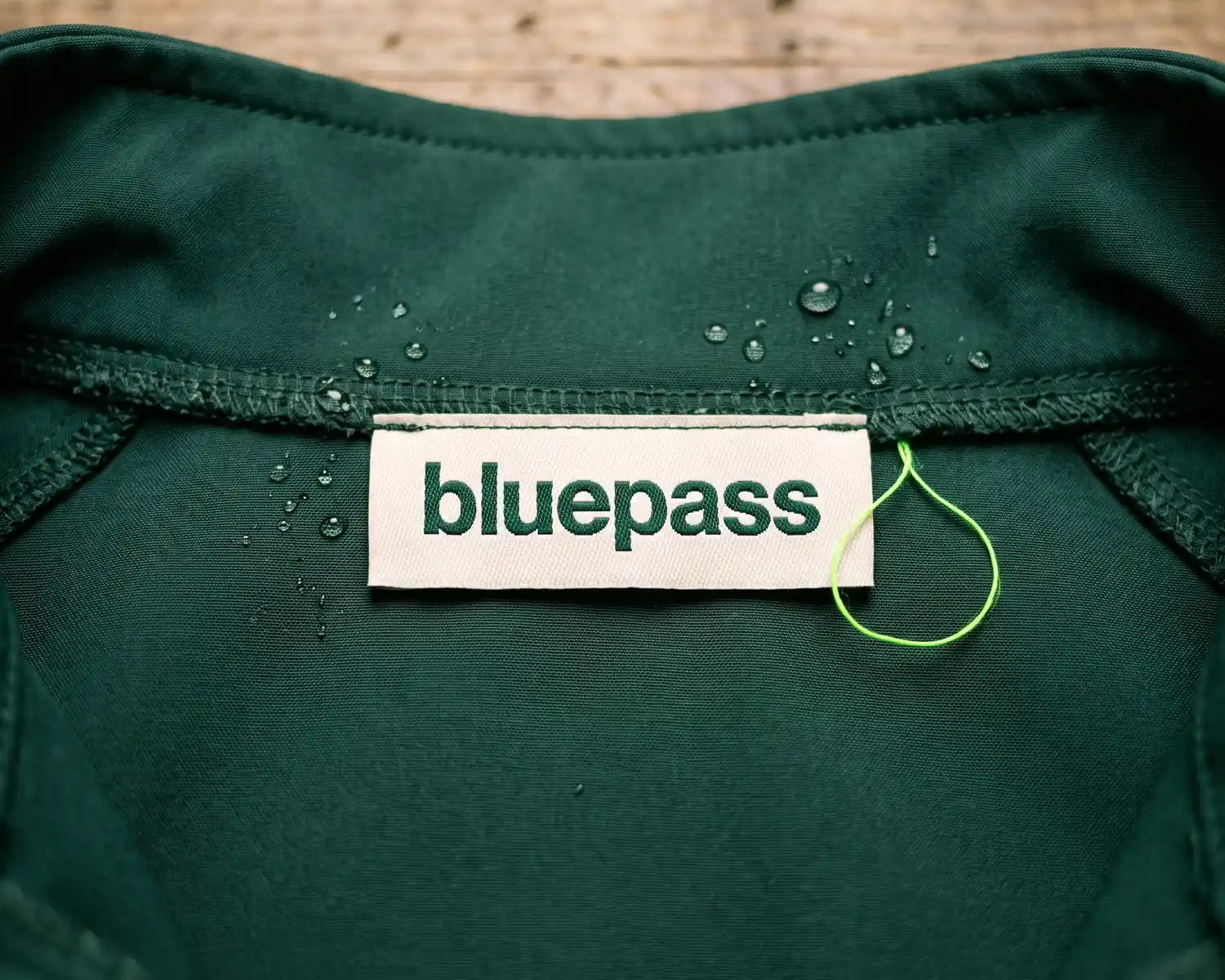
Bluesign checks the chemistry of textile factories, not the fibre: substances, water, air, worker safety. Its label is now called bluepass and can be verified by QR code.
BSCI certification (amfori): definition, audit and A to E ratings
BSCI is not a certification but a social audit of factories, rated A to E and reserved for suppliers of amfori members. What it checks, what its ratings mean, and how to use it for your merch.
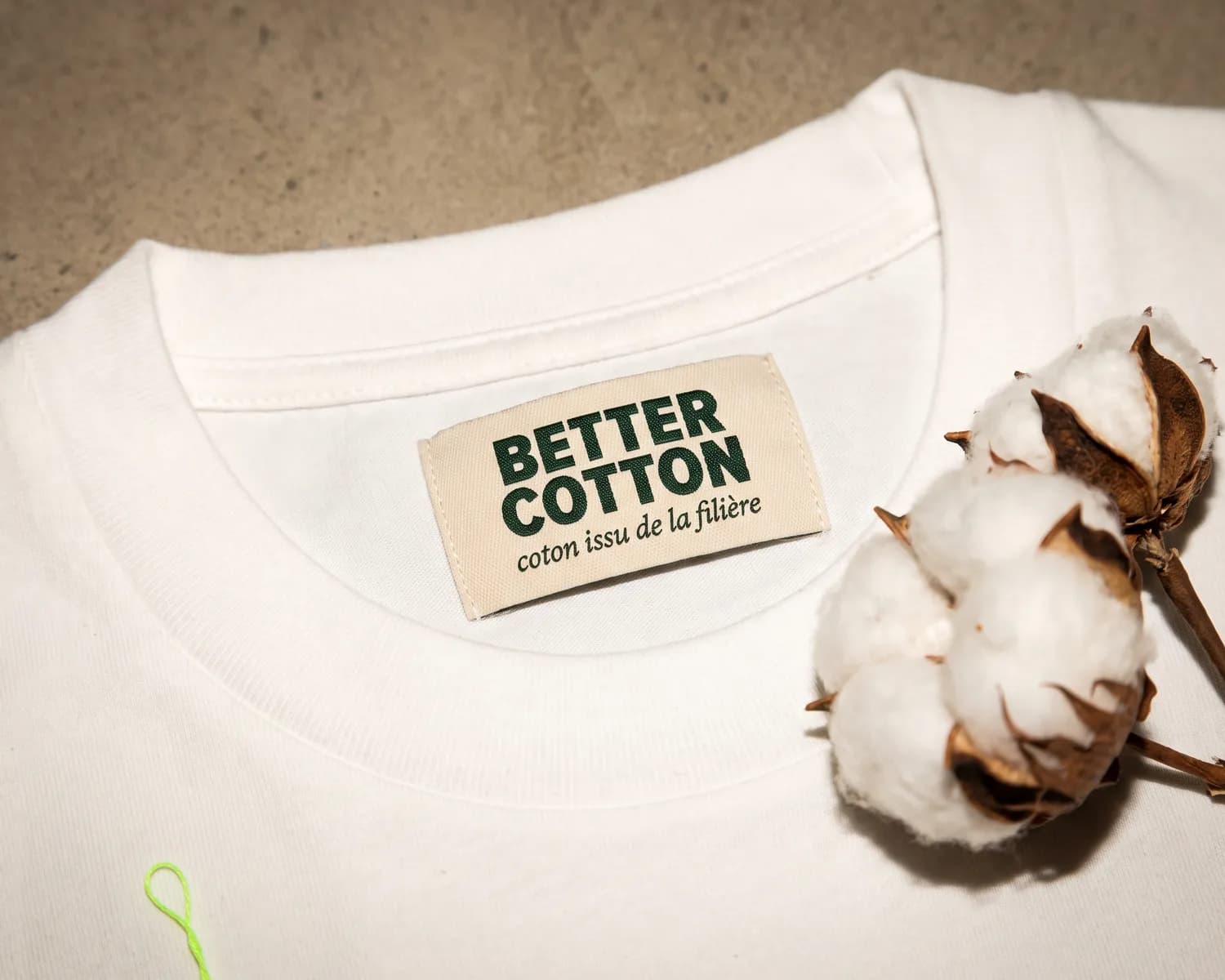
Better Cotton: definition, criteria and limits of the label
Better Cotton improves cotton farming in 24 countries without being organic: mass balance, a new label with 30% traced cotton, and what to write on your merch.
SA8000: definition and use for merch
The SA8000 standard in one citable definition: the social certification that audits a factory, its nine ILO-based requirements, and where it sits next to Fair Wear, GOTS and Fairtrade.
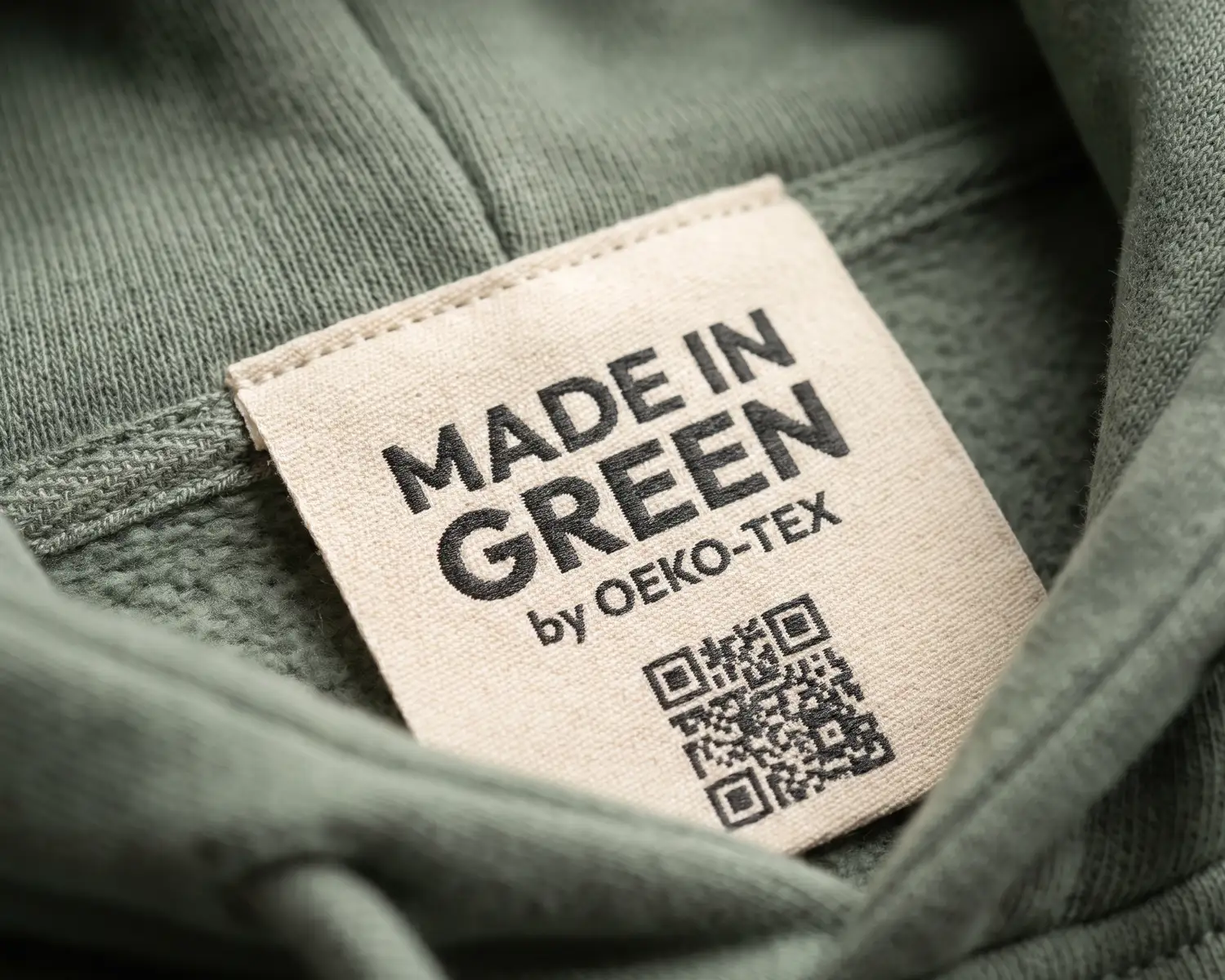
Made in Green: definition and use for merch
The Made in Green by OEKO-TEX label in one citable definition: tested product, audited factories, and the ID on the label that traces where the garment was made.
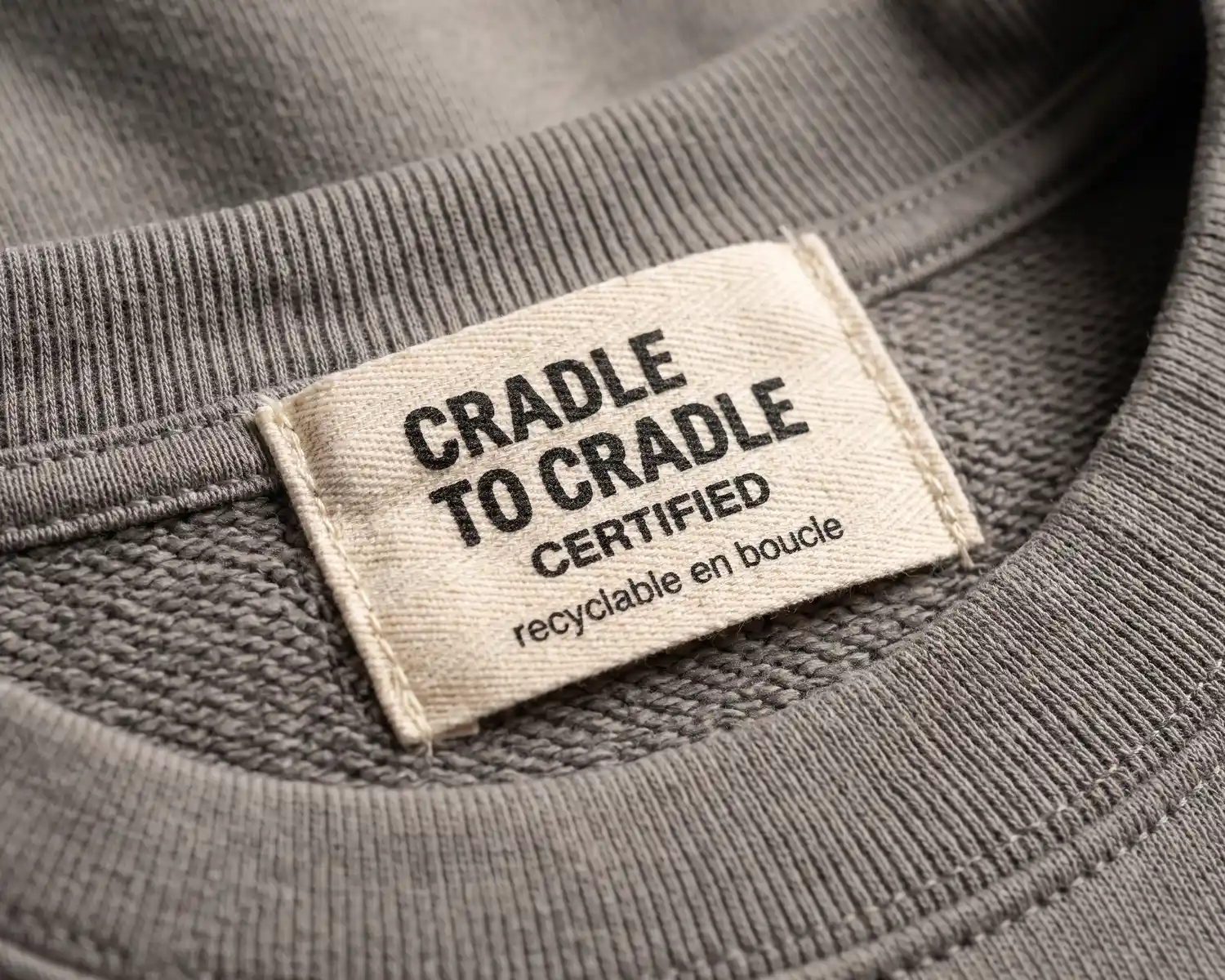
Cradle to Cradle: definition and use for merch
The Cradle to Cradle certification in one citable definition: products designed to live again indefinitely, the five scored criteria, the Bronze to Platinum levels, and what it means for a garment.
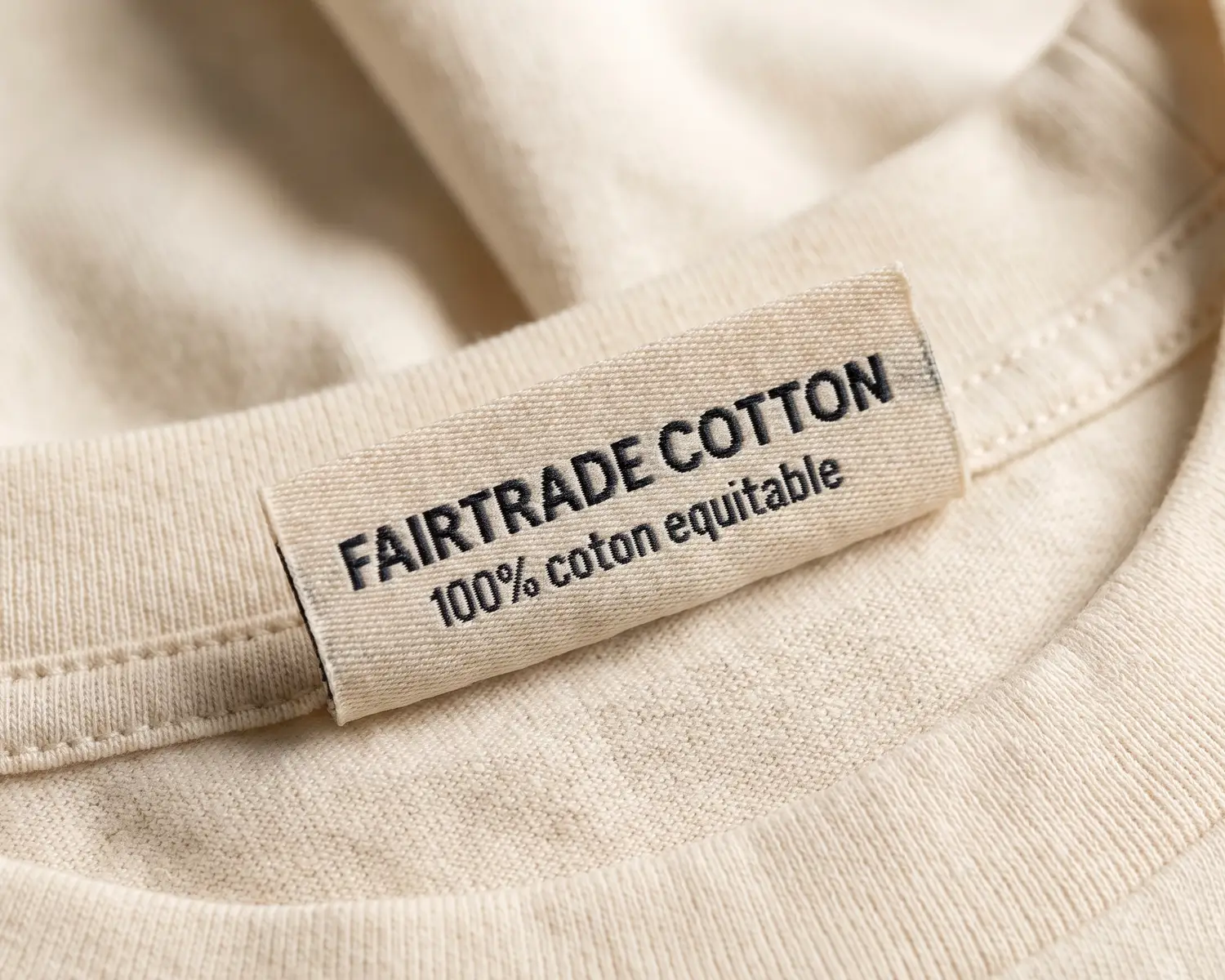
Fairtrade cotton: definition and use for merch
Fairtrade cotton (the Fairtrade/Max Havelaar label) in one citable definition: what the fair trade label guarantees the cotton farmer, what it doesn't say about the garment, and how it combines with organic.
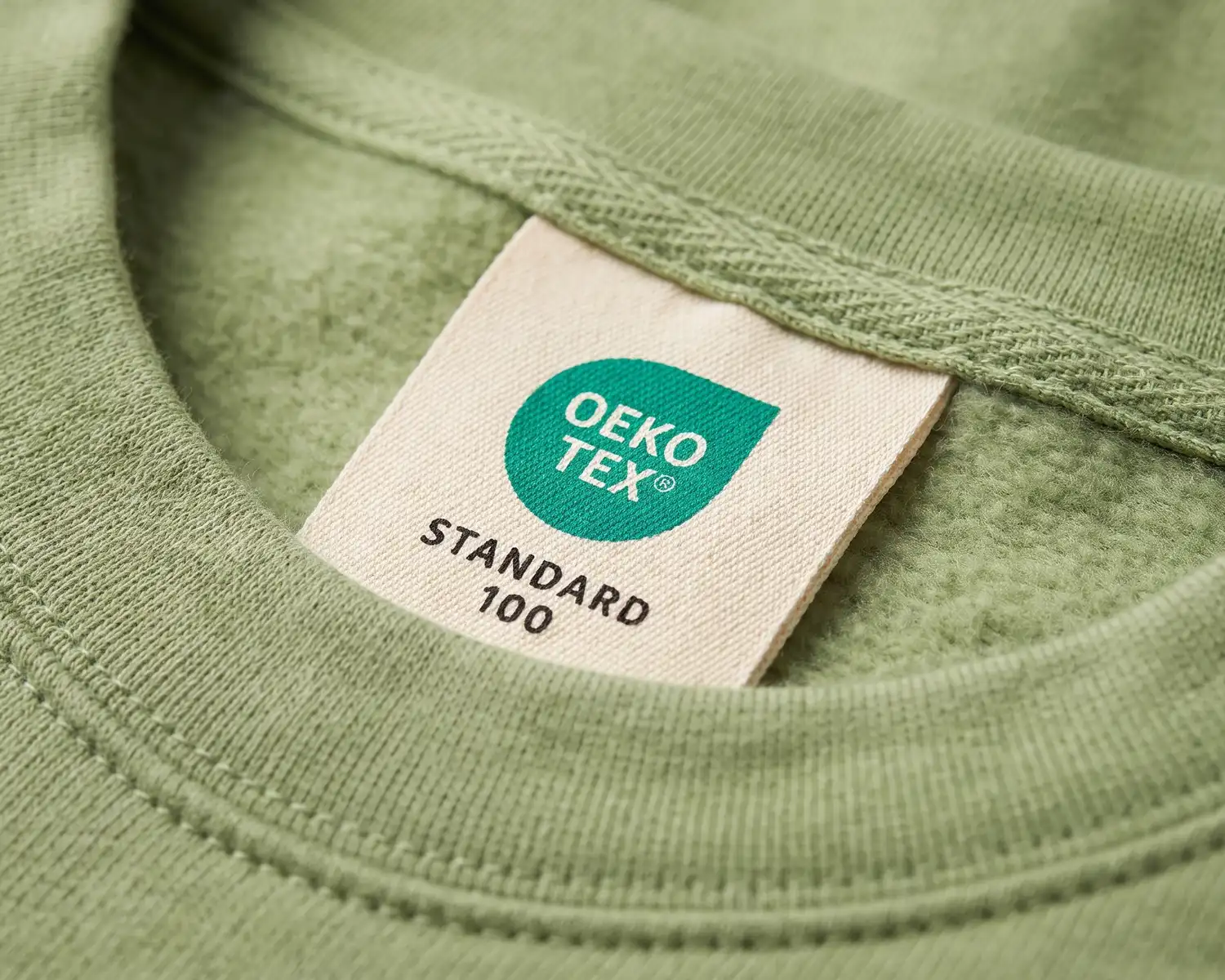
Oeko-Tex label: definition and use for merch
The Oeko-Tex Standard 100 label in one citable definition: what it controls, the class that matters for merch worn against the skin, and how to verify a certificate.
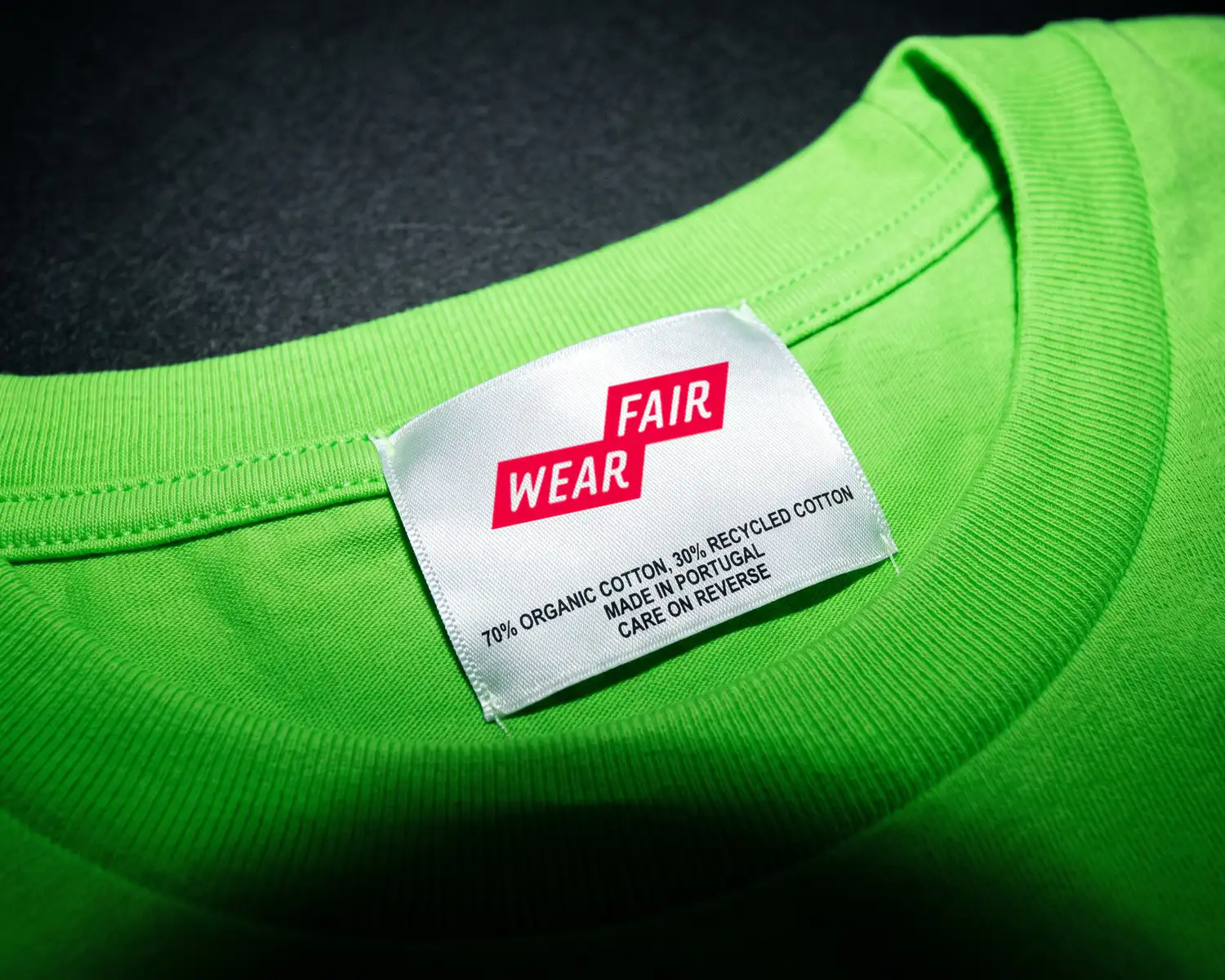
Fair Wear: what this label on working conditions actually guarantees
A brand recognition, not a product logo: what Fair Wear actually audits, and why it's not comparable to GOTS.
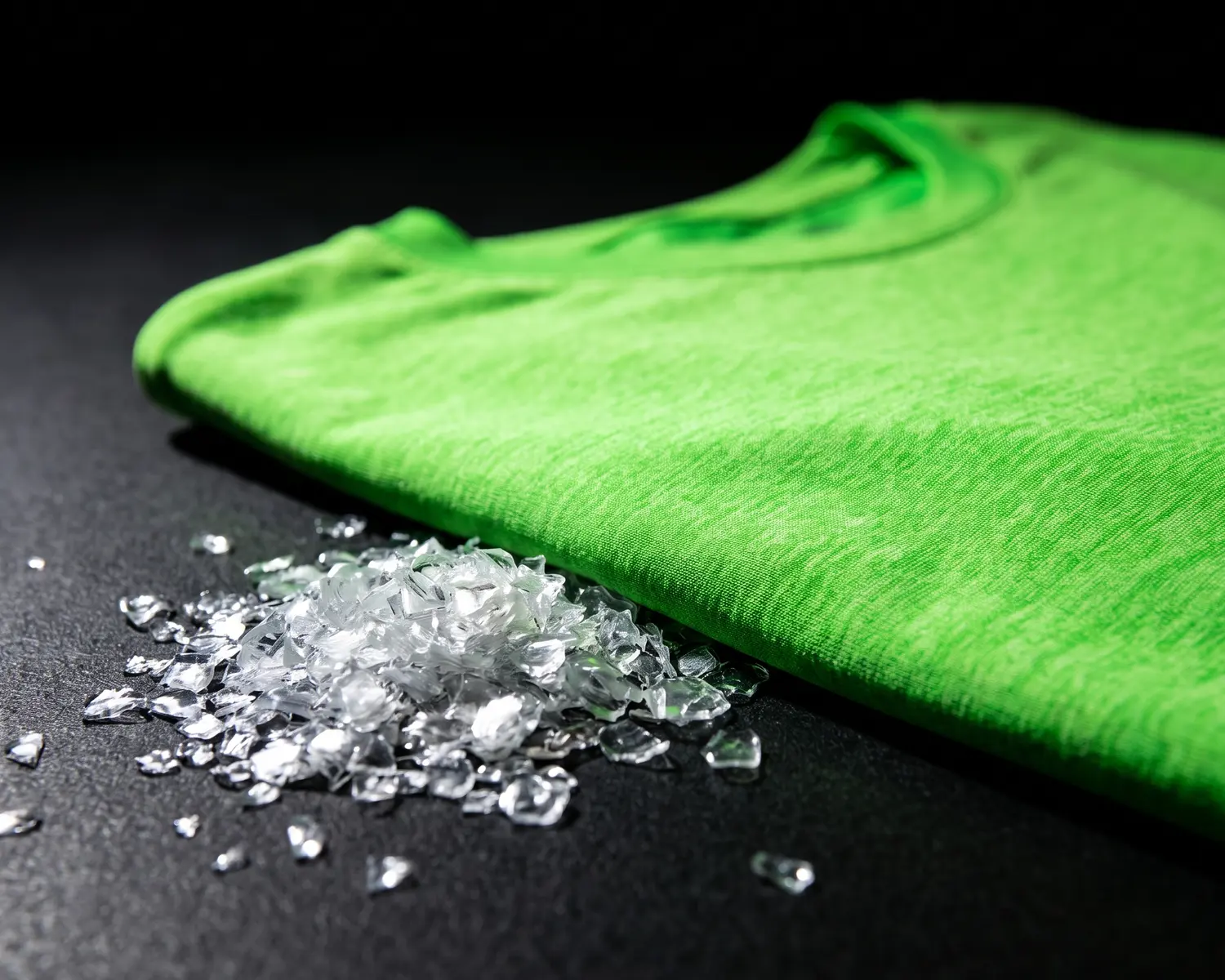
GRS (Global Recycled Standard): what the certification guarantees on a recycled textile
The certification that truly audits a textile's recycled content: its two thresholds (20% and 50%), and what a plain 'recycled polyester' label doesn't guarantee.
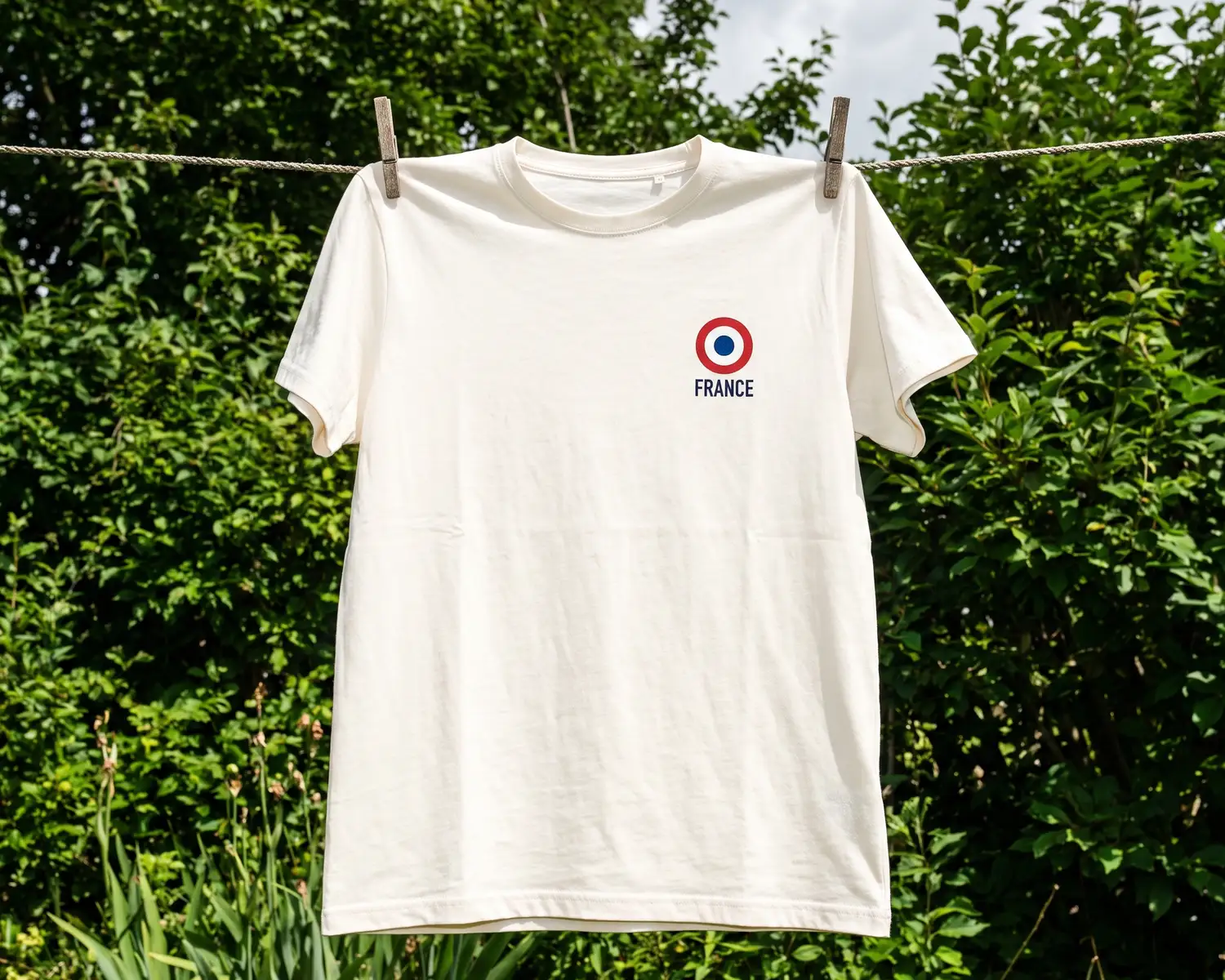
Origine France Garantie: what the certification actually guarantees for a textile
The only certification that truly audits a garment's French manufacture: its two criteria, and what sets it apart from a plain 'Made in France' claim.
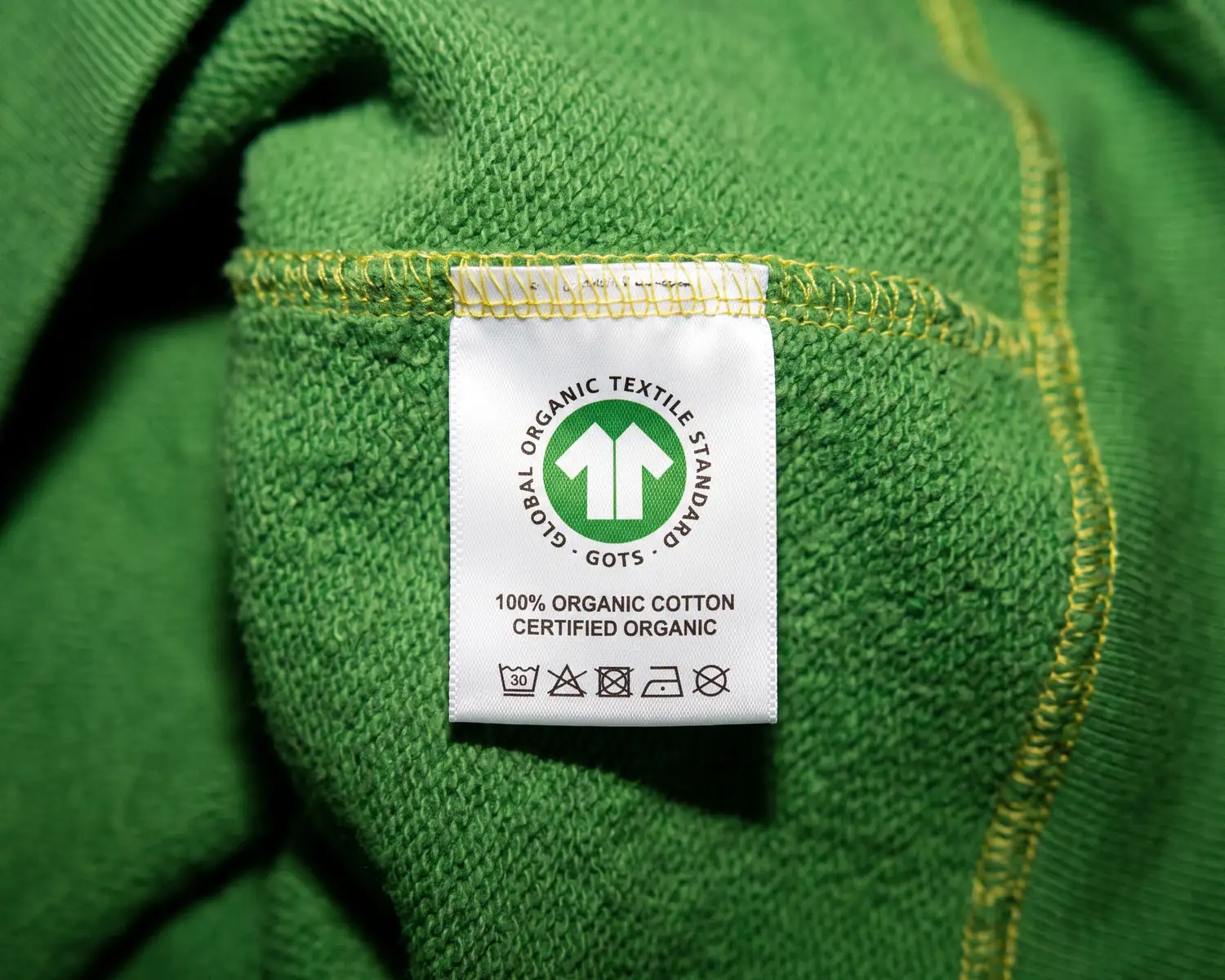
GOTS: what the label guarantees and how to verify it
The reference standard for organic textiles: what GOTS controls, its two grades, and the reflex to check that a garment really is certified.