SA8000
SA8000 is an international social accountability standard that certifies a factory, not a product: an independent body audits on site the compliance with nine requirements based on ILO conventions, from child labor to wages. It was created in 1997 by the NGO Social Accountability International.
SA8000 in practice
The first eight requirements cover the social ground: no child labor, no forced labor, health and safety, freedom of association, non-discrimination, controlled disciplinary practices, working hours and remuneration. The ninth is what sets the standard apart: the factory must run a management system that maintains this compliance over time, in the spirit of an ISO certification. You don't tick a list on audit day, you prove the organization holds.
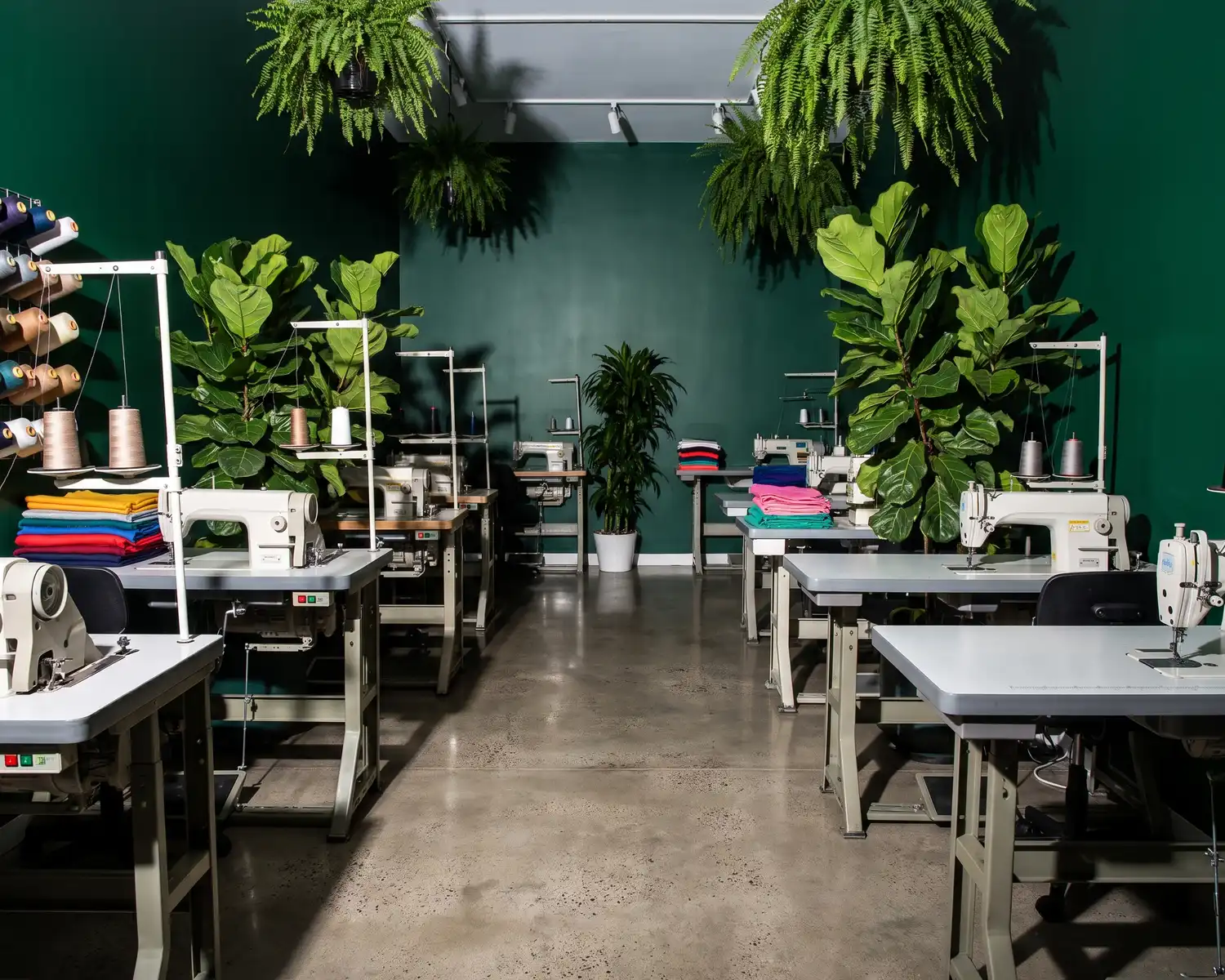
Certification happens at site level: the audit takes place on site, is carried out by an accredited body, and the certificate lasts three years with surveillance audits in between. The standard is not specific to textiles: a sewing factory or a foundry can both be certified. The registry of certified sites is published by Social Accountability International.
For responsible custom merch, SA8000 answers the factory question. It says nothing about the material, which is GOTS territory, nor about cotton farmers' income, which belongs to the Fairtrade label. And it differs from Fair Wear in nature: SA8000 certifies one specific factory, Fair Wear assesses a textile brand's overall commitment across all its workshops. On a supplier's spec sheet, SA8000 therefore shows up on the production side, not on the garment's label.
What to remember
- SA8000 certifies a factory's working conditions, never a garment: it's a site-level standard, across all industries.
- Nine ILO-based requirements, including a management system that must keep compliance alive between audits.
- It complements material labels (GOTS, GRS) and brand commitment (Fair Wear): three different questions, three different answers.
Frequently asked questions
SA8000 or Fair Wear, what's the difference?
The scope. SA8000 certifies one specific factory, after an on-site audit, whatever its industry. Fair Wear is a textile-specific approach: the brand is the member, assessed every year across all its sewing factories. A serious supplier can actually hold both.
Your project, quoted within 24 hours.
Describe your garments, your decoration and your quantities: you receive a detailed quote, decoration included, within one business day.