Custom textile printing and embroidery.
Embroidery, screen printing, transfer, direct print: each technique has its ground — the fabric, the quantity, the finish. Here is how to choose.
The processes
11 textile marking techniques.
Each has its own page: the process in pictures, its strengths, its limits and its full price grid.
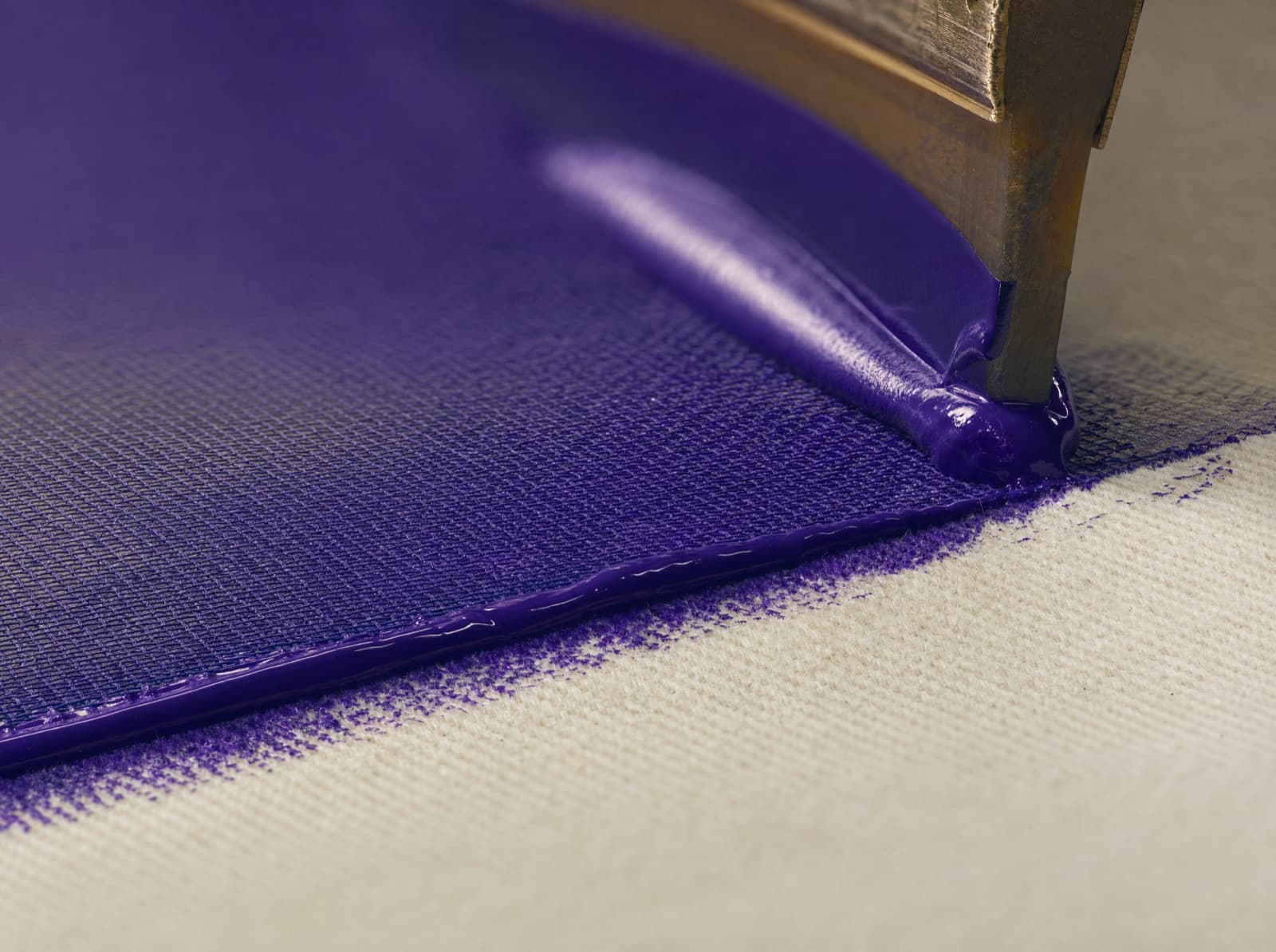
Screen printingOnline
The large-run reference: ink laid colour by colour, dense and durable.
From 50 pieces · marking from €0.44 /pc
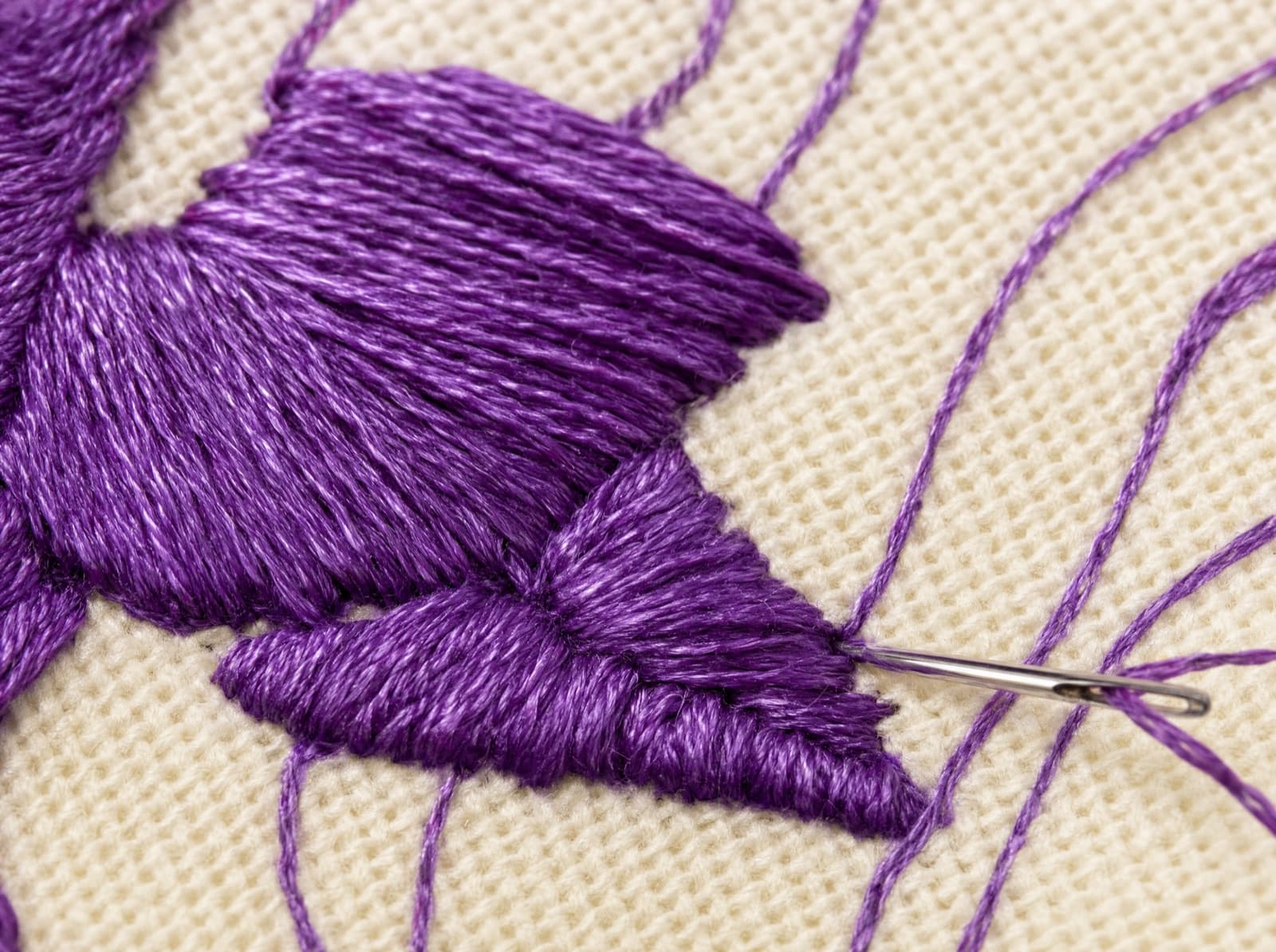
EmbroideryOnline
Thread relief — the premium finish for polos, sweats and caps.
From 10 pieces · marking from €1.43 /pc
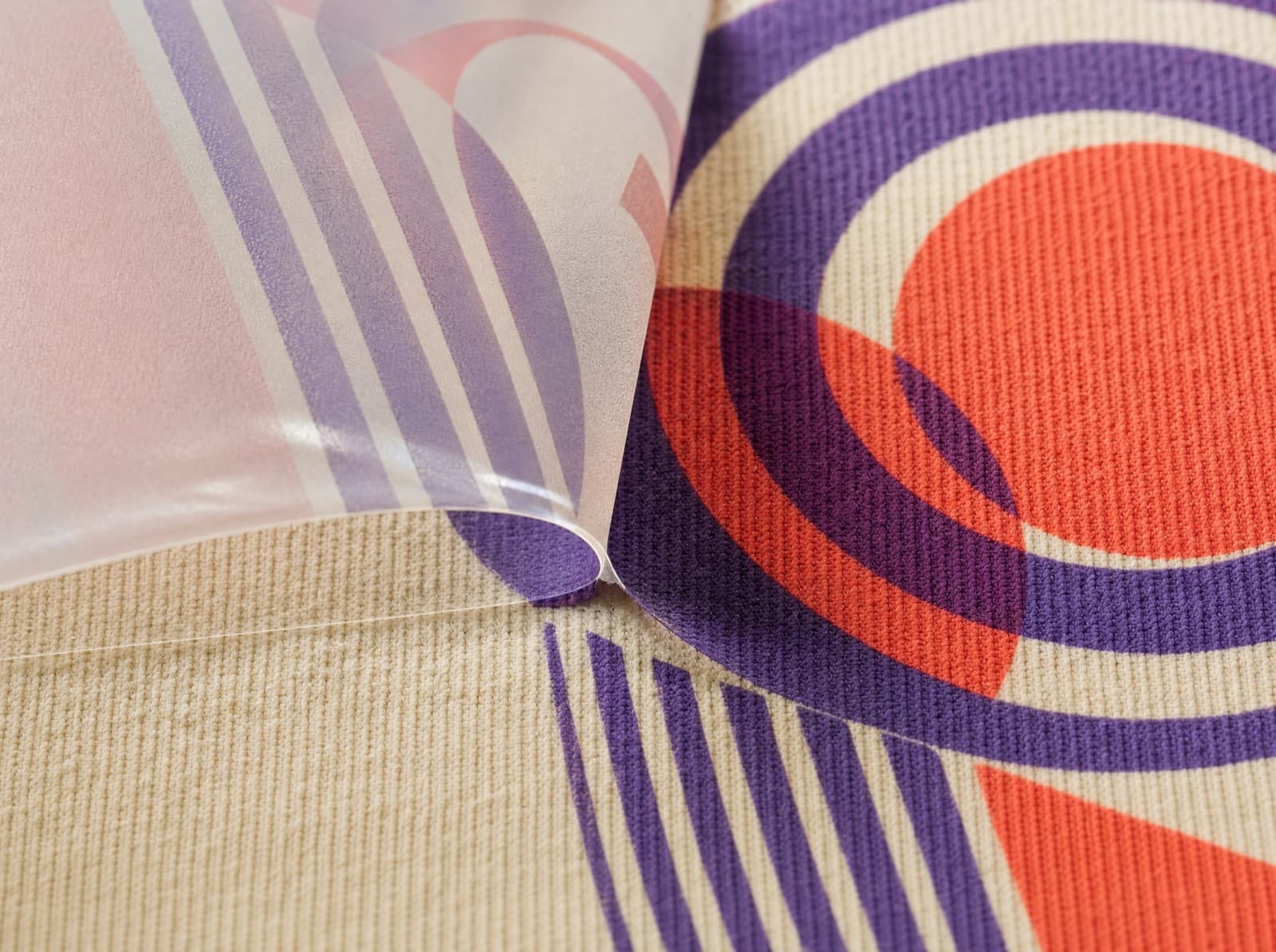
DTF transferOnline
Flexible full-colour that bonds to almost any fabric, from small runs.
From 10 pieces · marking from €1.43 /pc
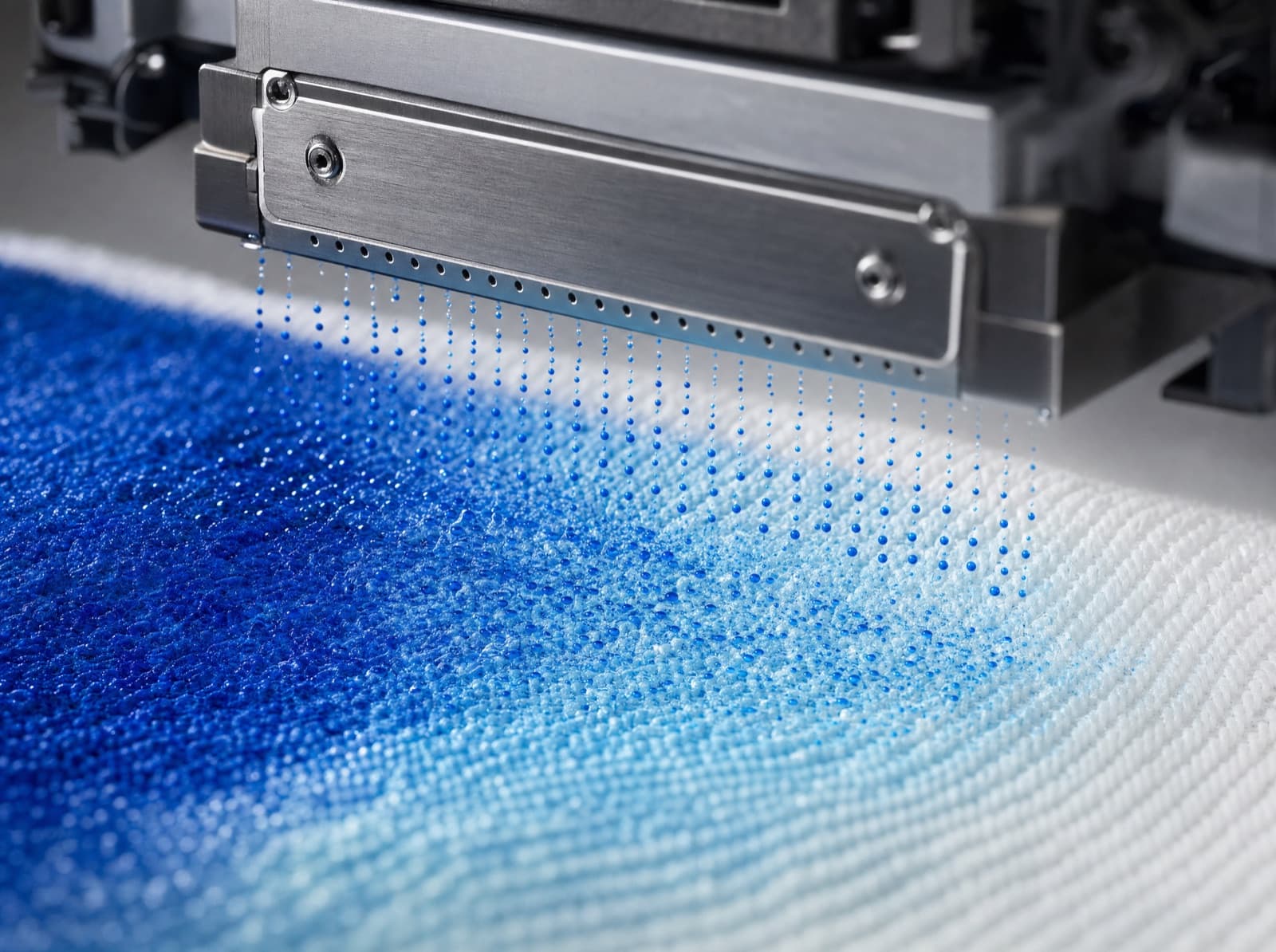
DTG printingOn quote
Direct-to-garment photo-real printing, no setup cost, from small runs.
From 10 pieces · marking from €3.00 /pc
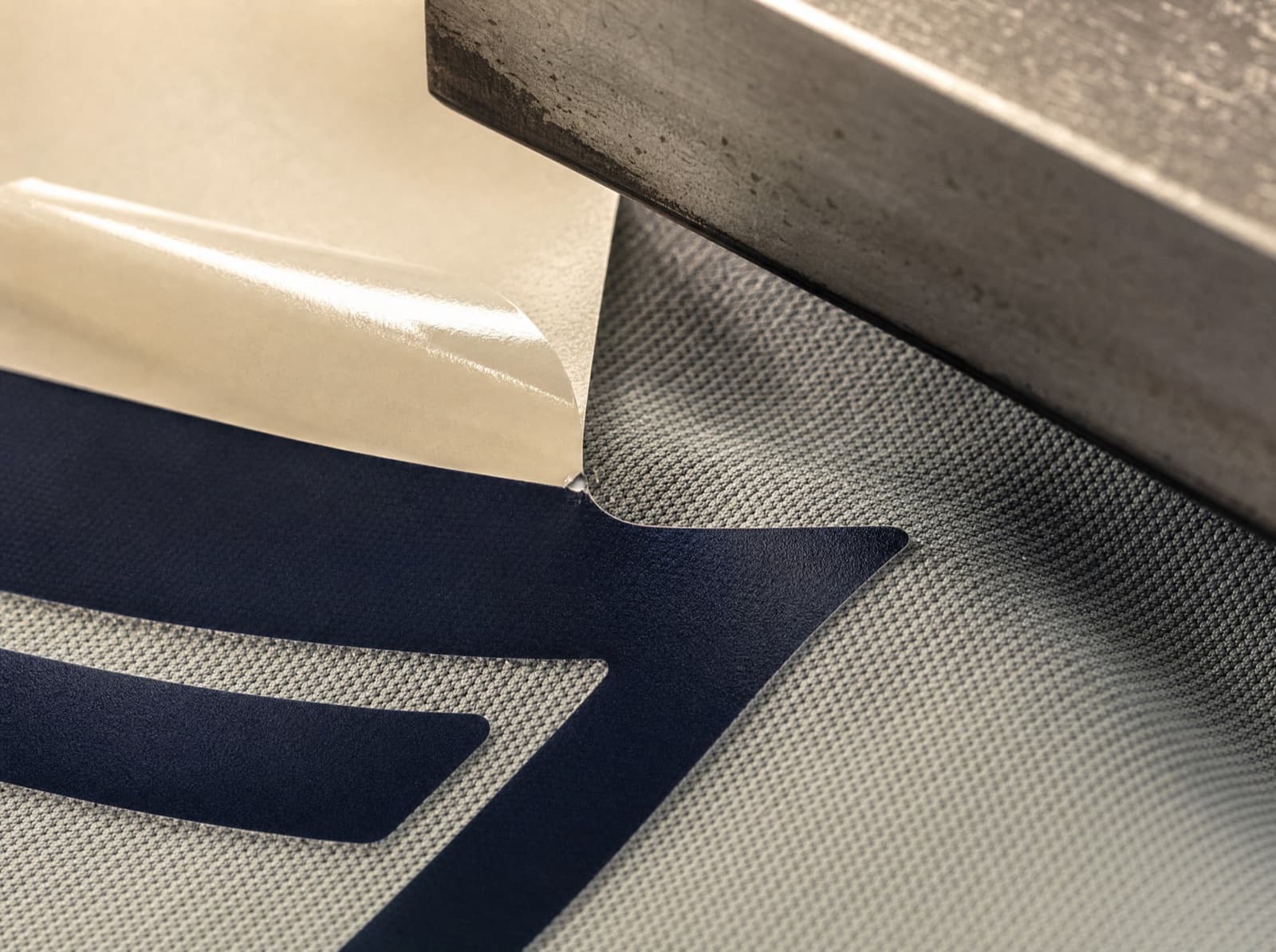
Screen transferOn quote
Screen-print precision applied as a transfer — crisp logos on tricky zones.
From 25 pieces · marking from €0.59 /pc
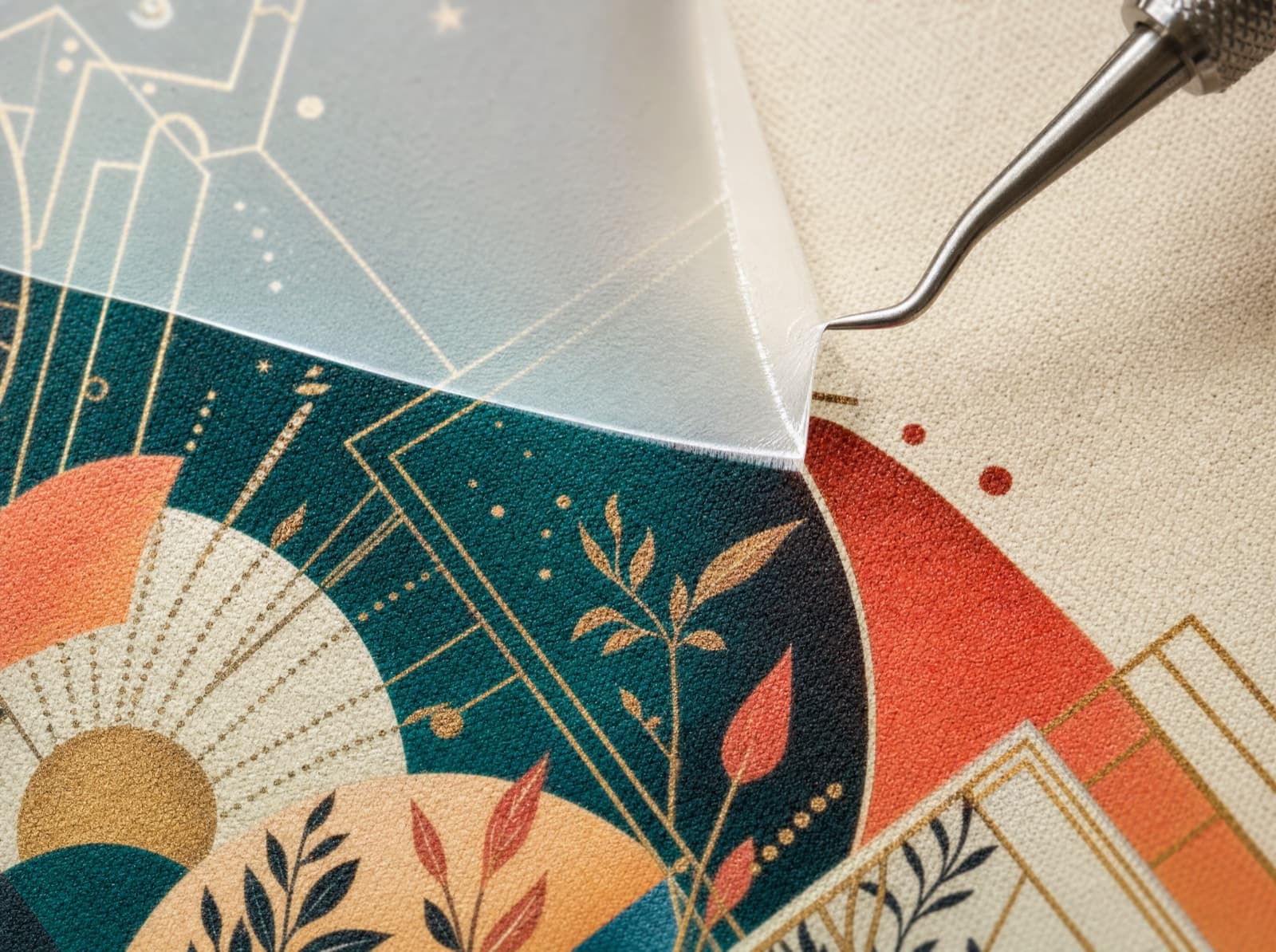
Digital transferOn quote
Full-colour printed then transferred — crisp, flexible, no screen minimum.
From 10 pieces · marking from €0.56 /pc
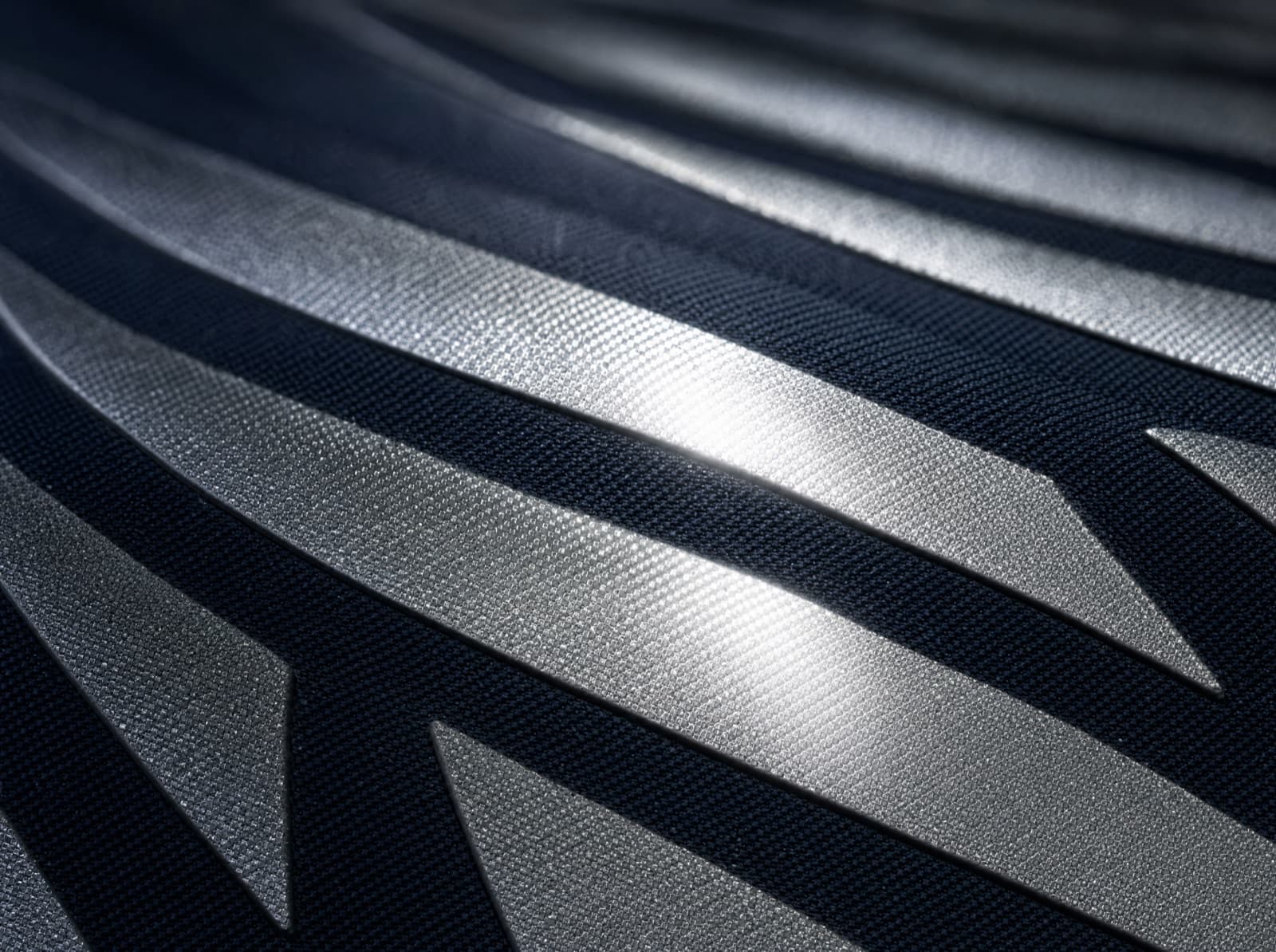
Reflective transferOn quote
The marking that throws light back — safety and night sportswear.
From 25 pieces · marking from €0.98 /pc
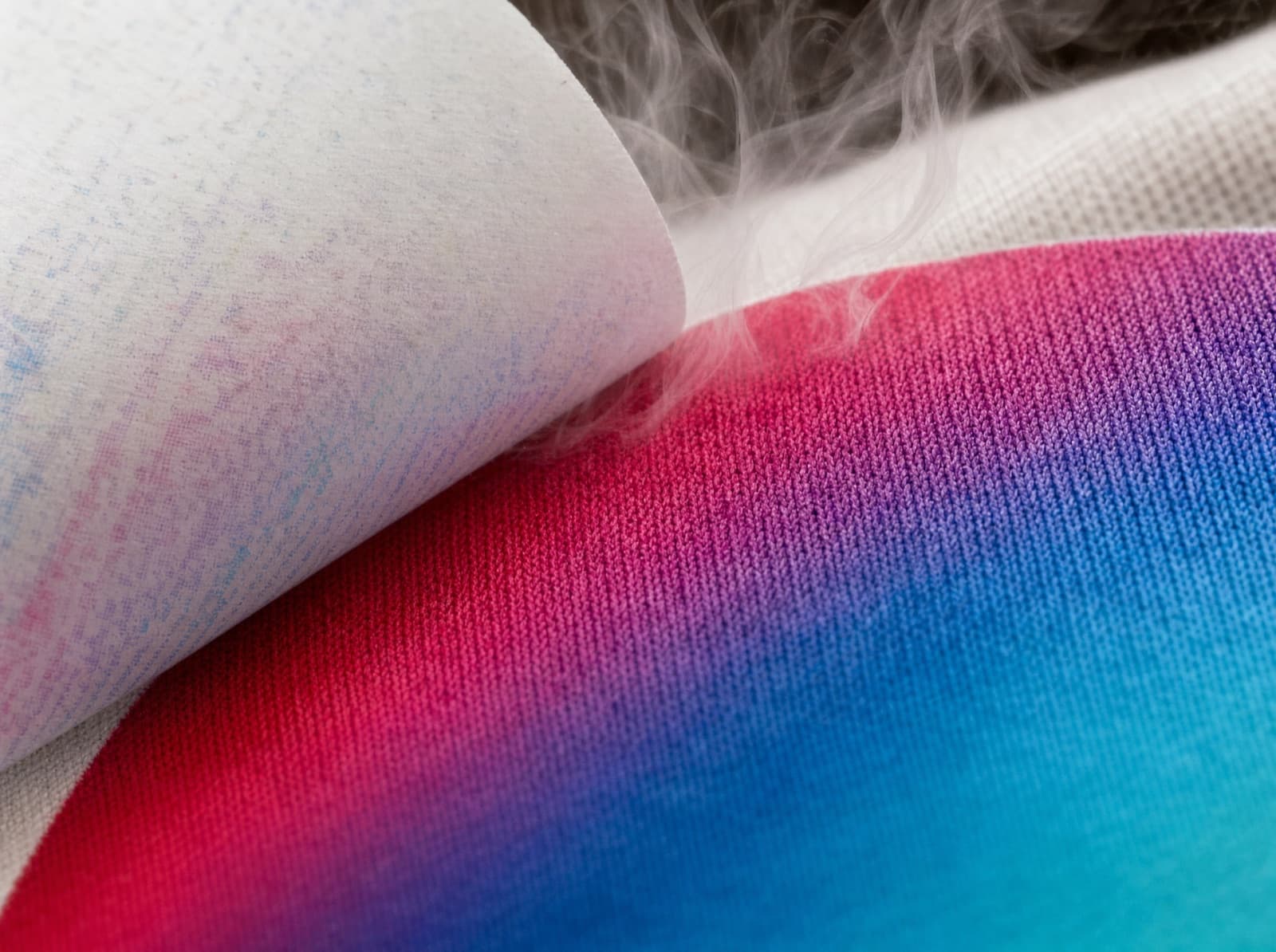
SublimationOn quote
Ink fused into polyester fibre — all-over, with zero hand-feel.
From 10 pieces · marking from €1.76 /pc
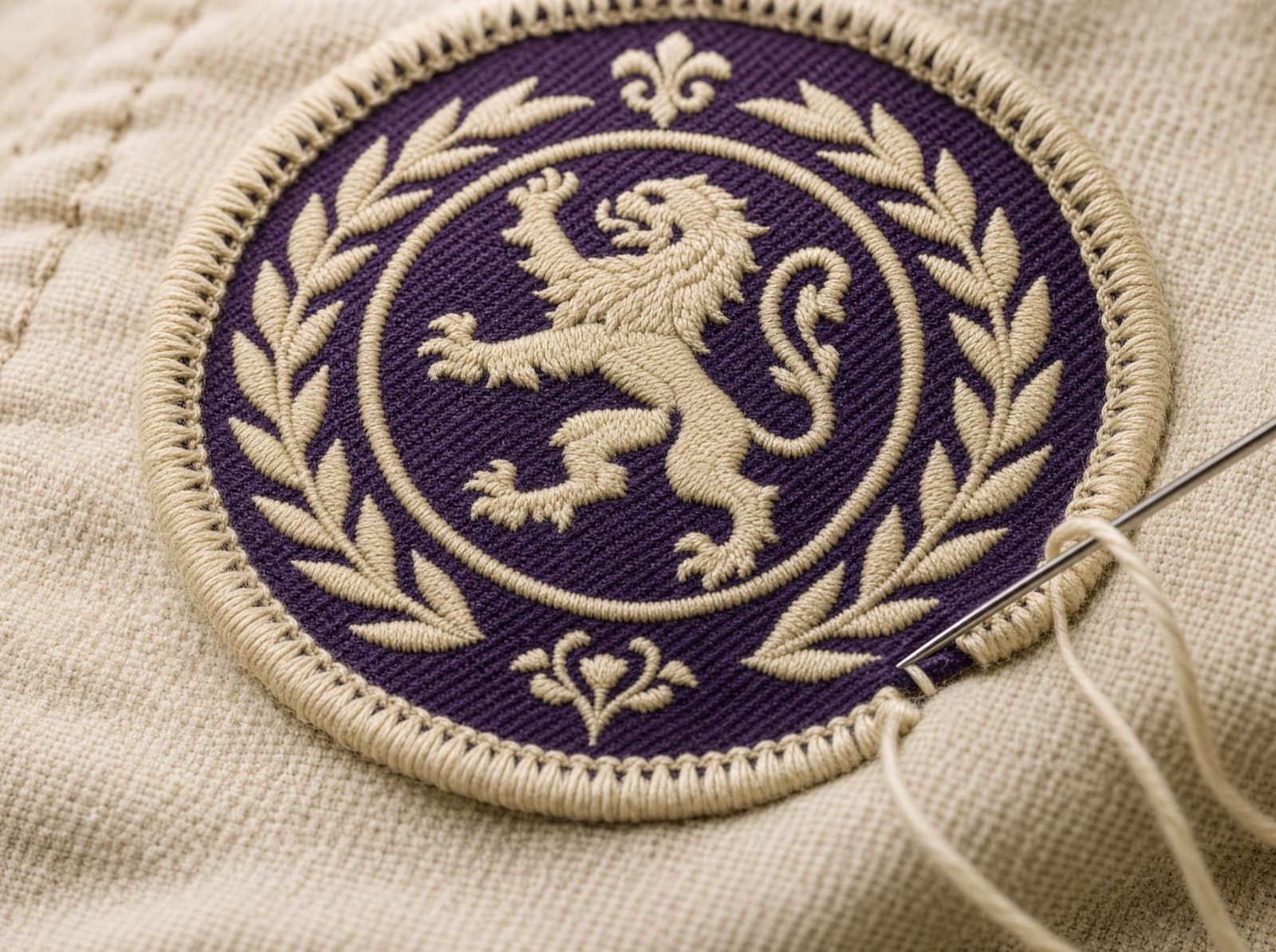
PatchOn quote
Woven or embroidered identity, sewn or heat-applied — the club aesthetic.
From 50 pieces · marking from €1.71 /pc
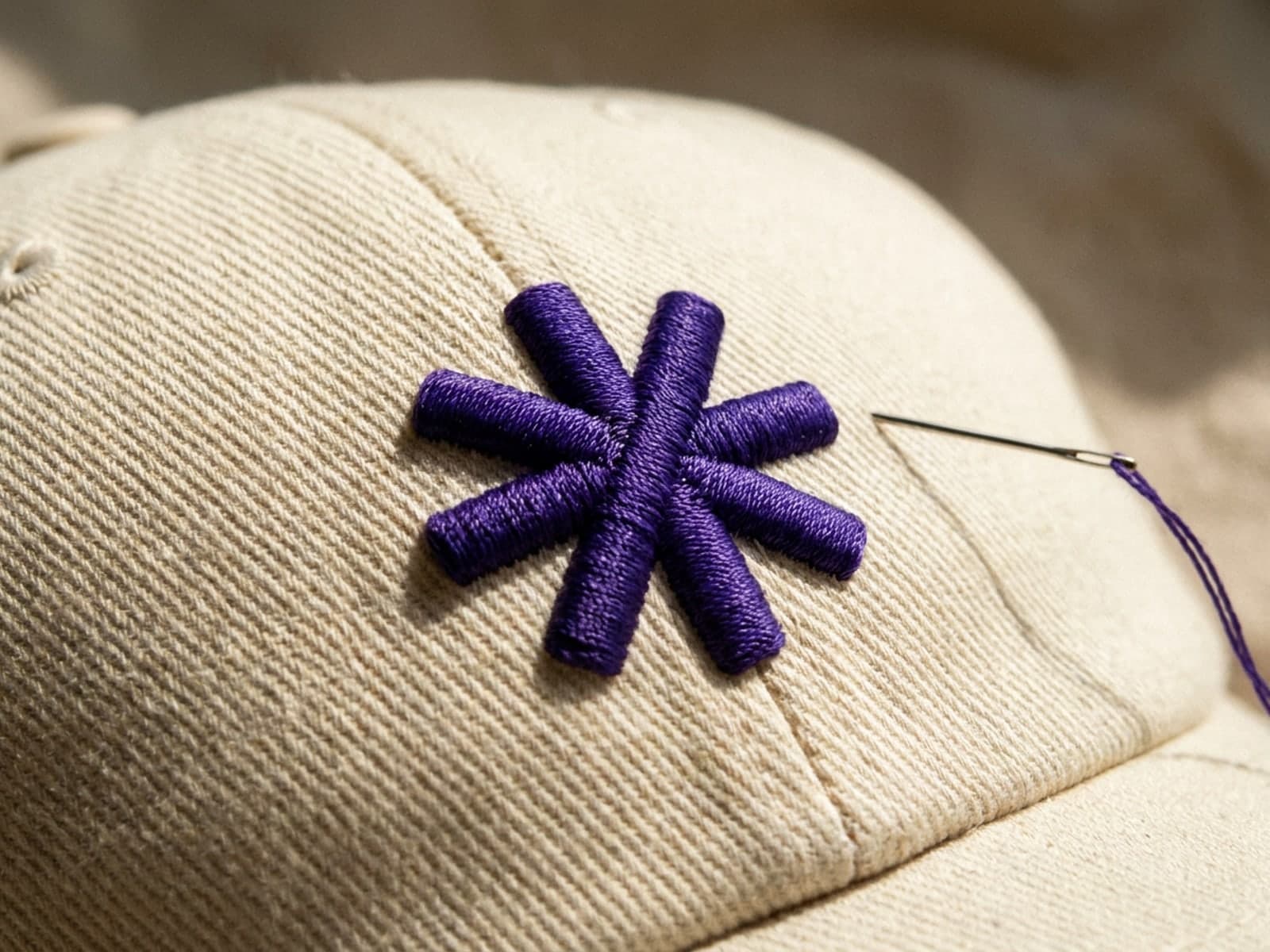
3D embroideryOn quote
The domed relief of foam under the thread — the cap signature.
From 10 pieces · marking from €5.48 /pc
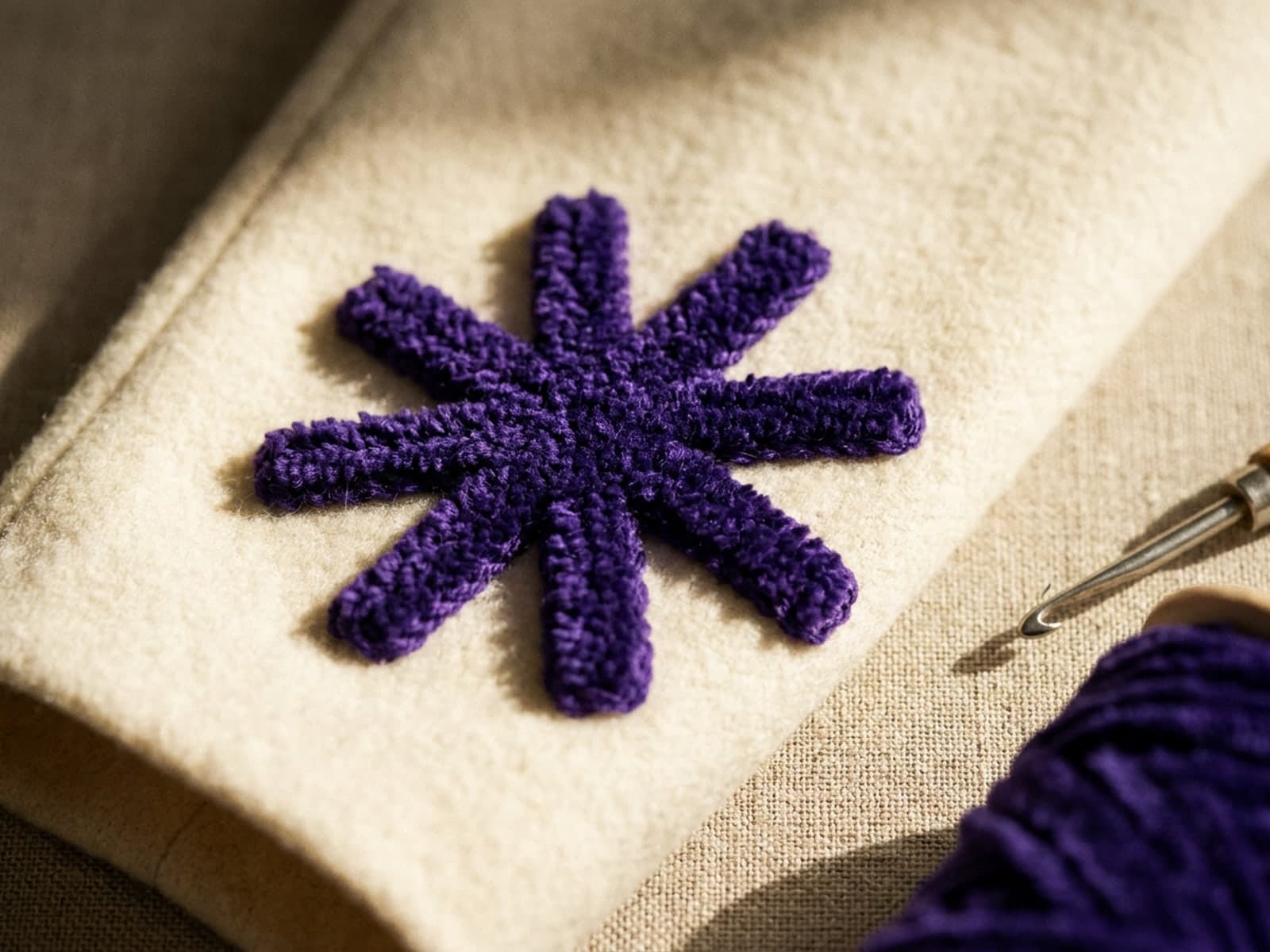
Chainstitch embroideryOn quote
Thick looped yarn, soft and raised — the varsity letter of jackets and sweats.
From 10 pieces · marking from €3.81 /pc
Side by side
Compare the techniques.
Relief, four-colour printing, wash resistance, minimum order and accepted materials: the five criteria that settle it.
| Technique | Tactile relief | Full colour / photo | Wash resistance | Minimum | Supports |
|---|---|---|---|---|---|
| Screen printing | Excellent | 50 pcs | Any flat textile | ||
| Embroidery | Excellent | 10 pcs | Heavy textile, caps, jackets | ||
| DTF transfer | Very good | 10 pcs | Cotton, polyester, blends | ||
| DTG printing | Very good | 10 pcs | Cotton and cotton-rich blends | ||
| Screen transfer | Very good | 25 pcs | Textile, tricky zones | ||
| Digital transfer | Very good | 10 pcs | Softshell, technical, textile | ||
| Reflective transfer | Very good | 25 pcs | Sportswear, workwear, technical | ||
| Sublimation | Excellent | 10 pcs | Light polyester | ||
| Patch | Excellent | 50 pcs | Jackets, caps, workwear | ||
| 3D embroidery | Excellent | 10 pcs | Caps, beanies, heavy textile | ||
| Chainstitch embroidery | Excellent | 10 pcs | Jackets, heavy sweats, wool |
Choosing
Which technique for your project?
Four questions settle it: quantity, material, finish, budget.
By quantity
DTG printing starts at 10 pieces, DTF transfer and embroidery at 10 pieces. Screen printing starts at 50 pieces: its screen is a fixed cost, it dilutes across the run and makes the technique unbeatable on large quantities.
By material
DTG prints cotton. Sublimation only lives on light polyester, where the ink enters the fibre. DTF transfer works on almost every material. Embroidery needs a fabric that holds the needle: polos, sweats, caps, jackets.
By finish
Relief is made of thread: embroidery, and embroidery alone. Photographs and gradients need four-colour printing, so a digital technique. The dense, flat block of colour remains screen printing's ground.
By budget
Two costs answer each other: the one paid once — the screen, the digitising of an embroidered logo — and the one paid on every piece. On a short run, digital wins. On a long one, the fixed cost is already forgotten.
Pricing
How much does textile marking cost?
The price of the marking alone, per piece: the garment adds on top. Each line is the technique's lowest rate at that quantity.
| Technique | 25 pcs | 100 pcs | 500 pcs |
|---|---|---|---|
| Screen printing | €2.96 | €1.02 | €0.51 |
| Embroidery | €4.79 | €2.55 | €1.49 |
| DTF transfer | €3.24 | €2.03 | €1.73 |
| DTG printing | €3.36 | €3.00 | €3.00 |
| Screen transfer | €2.51 | €1.19 | €0.75 |
| Digital transfer | €2.03 | €0.93 | €0.60 |
| Reflective transfer | €4.34 | €2.30 | €1.26 |
| Sublimation | €2.64 | €1.95 | €1.76 |
| Patch | €4.86 | €2.31 | €1.89 |
| 3D embroidery | €9.30 | €7.41 | €6.06 |
| Chainstitch embroidery | €5.87 | €4.70 | €3.81 |
These prices come from the pricing engine, format and colour count included. The full grid — every format, seven quantity tiers — lives on each technique's page.
Questions
Frequently asked questions
- Which marking technique lasts best in the wash?
- Embroidery and screen printing. Embroidered thread is part of the garment and cannot peel; the screen-printed film, heat-cured, becomes one with the fibre. Transfers hold very well, provided they are washed inside out at a low temperature.
- What is the minimum order?
- From 10 to 50 pieces depending on the technique: digital processes take very short runs, screen printing starts higher, the time its screen takes to pay for itself.
- How many colours can I print?
- Screen printing counts colours: each one is a screen, so a price line. Digital techniques print four-colour artwork with no colour surcharge — a photographic gradient costs the same as a flat block.
- Which file should I supply?
- A vector file (PDF, AI, SVG) for screen printing and embroidery: the path stays sharp at every size. A transparent PNG at 300 dpi at print size suits the digital techniques.
- Can several placements be marked?
- Yes: chest, back, sleeve, nape. Each placement is a marking in its own right — it is counted and priced separately.
Torn between two techniques? Describe the project — we will decide with you.