
Capsule collection: how to launch with 0 stock?
A capsule collection is a desirable mini-collection: a few strong pieces built around a single idea, on a limited window that makes you not want to wait. On-demand production makes it financeable with no advance: nothing is made before the quantity is confirmed, starting from 10 pieces.
The essentials in 4 points:
- A capsule collection is a short, coherent line, released for a limited window rather than sold continuously.
- The classic risk: producing (so paying) before knowing whether real demand is there.
- On-demand production removes that risk at the source: nothing is made before the quantity is confirmed, starting from 10 pieces.
- The short window and limited quantity aren't just a constraint: they're what makes a capsule desirable.
A capsule collection that fails almost never fails on design. It fails because someone had to guess a quantity in advance, pay to have it produced, then wait and hope they guessed right. Remove that step and what's left is the part that's actually enjoyable: picking the pieces, telling one idea, opening the window.
What a capsule collection actually is
A capsule collection gathers a small number of pieces, built around a single idea or theme, released for a short period rather than sold continuously like the rest of a catalog. Our guide to city-branded shops breaks down why a few well-chosen pieces beat a scattered inventory; the same principle holds for any capsule, not just a city.
It's not a shrunk-down permanent collection either: the time window is as much part of the definition as the piece count. Once the window closes, the capsule doesn't restock identically: it makes room for the next one.
The classic risk of a capsule collection
In traditional fashion, a capsule commits before it sells. Someone has to pick a quantity, have it produced, and pay for it upfront, betting on demand they only find out about afterward. If the bet is right, fine. If it's too optimistic, the rest of the merch produced sits in a box, ties up money that could have funded the next capsule, and often ends up discounted or discarded.
That's exactly what discourages most creators, clubs, brands, and associations from launching one: the design isn't what's scary, the upfront cash is. A garment that gets made and doesn't sell isn't just a financial loss, it's fabric and work wasted for nothing.
On-demand production removes the risk at the source
The principle is simple to state: nothing is manufactured before the real quantity is known. You gather interest for your capsule through your own channels (a form, a poll in your community, a waitlist), you get a number, and that exact number is what goes into production, never an optimistic guess. Our full breakdown of the model covers this mechanism step by step; the key point here is that it makes a capsule financeable without any upfront advance: you only pay for what actually ships to someone.
The access threshold is real: on-demand production starts from 10 pieces depending on the marking technique chosen (embroidery, for instance, follows this same grid). That's not single-piece custom work, but it's nowhere near the multi-hundred-unit group orders a capsule produced the old way traditionally required.
Building a short, coherent capsule
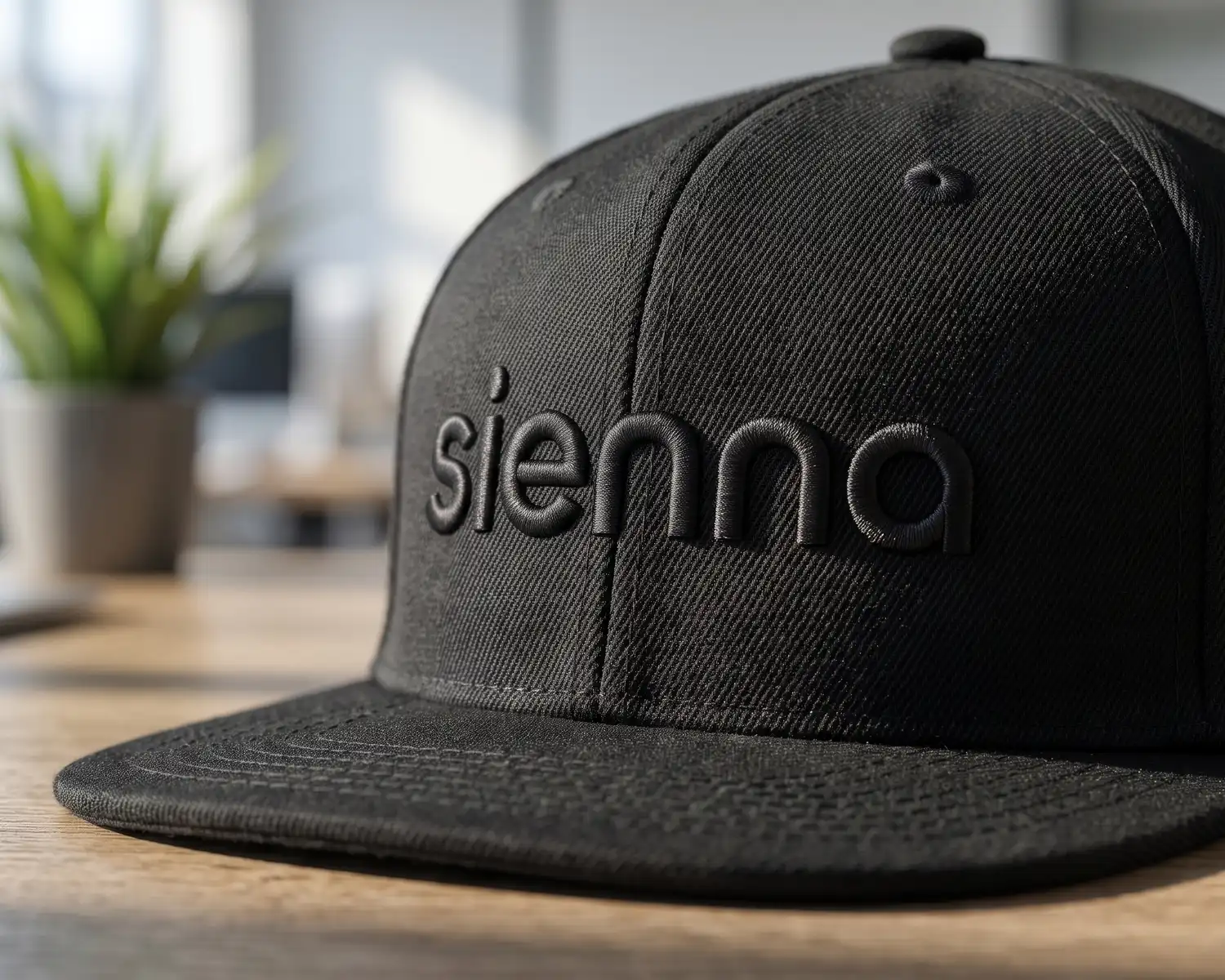
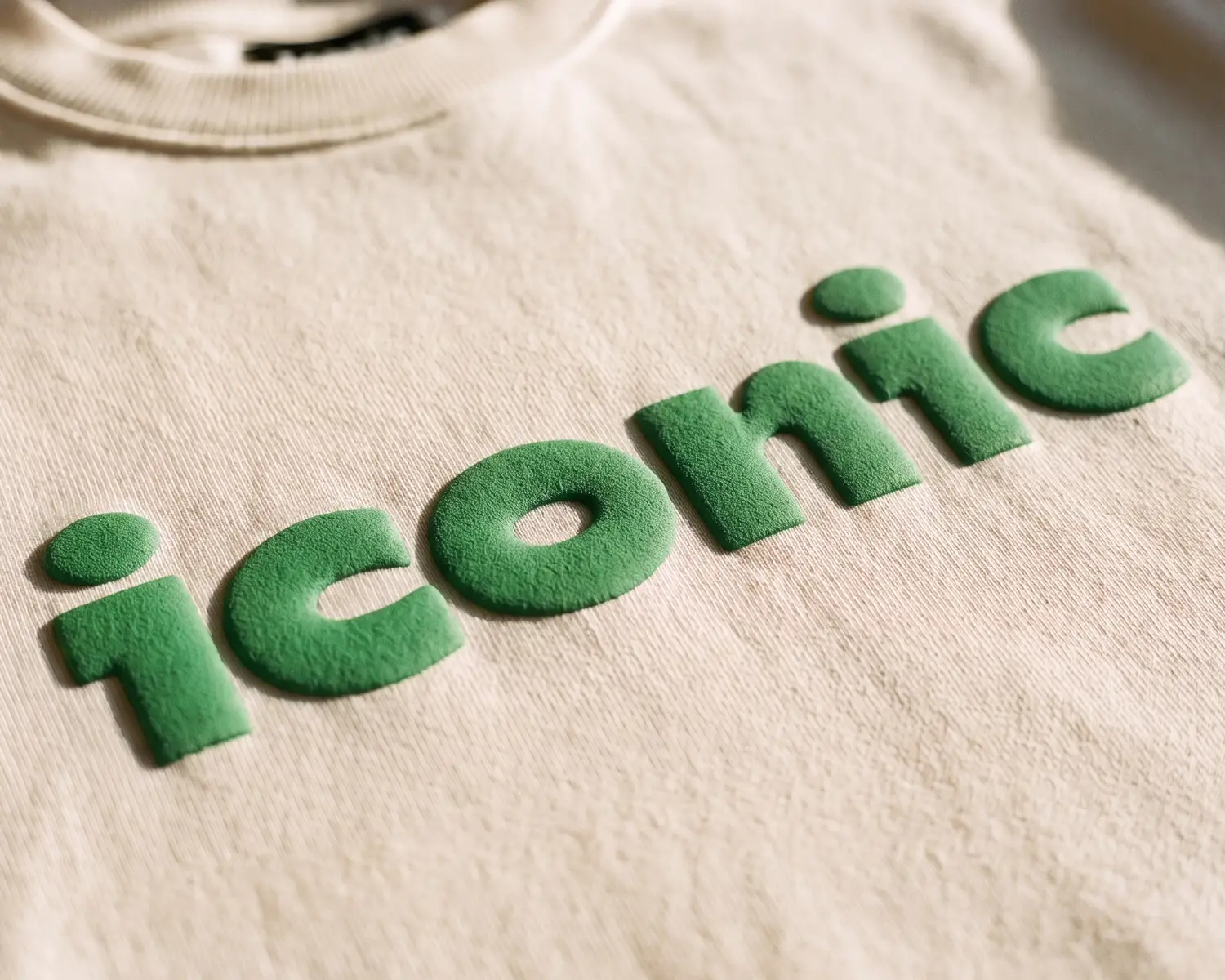
The discipline behind a good capsule comes down to one rule: one idea, not an inventory, carried by a single visual thread from start to finish. Customize your pieces around one color, one logo placement, or one marking technique repeated across all of them, rather than varying the effect on each. A puff print relief across the whole capsule, or tone-on-tone embroidery repeated on every piece: the common thread is what turns four garments into a collection instead of four separate products, far more than which pieces you picked in the first place.
Scarcity: why a short window sells
A capsule available all the time loses part of what makes it desirable. The short window and limited quantity create real urgency, not artificial urgency: once closed, those exact pieces don't come back unchanged.
This mechanism isn't specific to one situation: our guide to launching a clothing brand already applies it to a new brand's first drop. A short window isn't a technical constraint you put up with, it's what turns a date into an event, whoever is running the project.
Every capsule sold also adds to your community's story instead of staying a one-off: one drop after another, each building on the last, builds an identity that's recognizable from one collection to the next.
What to remember
A capsule collection is short by construction, on a limited window, which is exactly what made it risky to produce the old way, advancing a guessed quantity. On-demand production removes that risk at the source, manufacturing only after the real order, starting from 10 pieces. What's left once the financial risk is gone is the part that actually matters: a strong idea, few pieces, one common thread, and a window that closes.
Frequently asked questions
What is a capsule collection?
A mini-collection of a few pieces, built around a single idea, released for a short time window rather than sold continuously. Once the window closes, it makes room for the next one instead of restocking identically.
How many pieces minimum to launch a capsule collection?
On-demand production starts from 10 pieces depending on the marking technique. That's well below the multi-hundred-unit group orders a capsule produced the old way traditionally required, with stock advanced before any sale.
How do you avoid unsold stock risk on a capsule collection?
By only producing after confirming the real quantity: you gather interest through your own channels, then launch production on that exact number. Nothing is manufactured before the order is known, so nothing sits unsold in a box.
Capsule collection or permanent collection, what's the difference?
A permanent collection stays available continuously and restocks identically. A capsule collection is deliberately short, on a limited window: scarcity is part of its appeal, not a flaw to fix.
Your project, quoted within 24 hours.
Describe your garments, your decoration and your quantities: you receive a detailed quote, decoration included, within one business day.