Why does organic cotton cost more?
Organic cotton costs more because it yields less per acre (no chemical fertilizers to push output) and because its entire supply chain has to be certified, not just the field. On our catalog, the gap runs around ten euros per garment, printing included.
The essentials in 4 points:
- Organic cotton costs more for two concrete reasons: a lower farm yield without chemical inputs, and a certification that audits the whole chain, not just the fiber.
- It isn't a "better" cotton to the touch: it's the same cotton, grown differently.
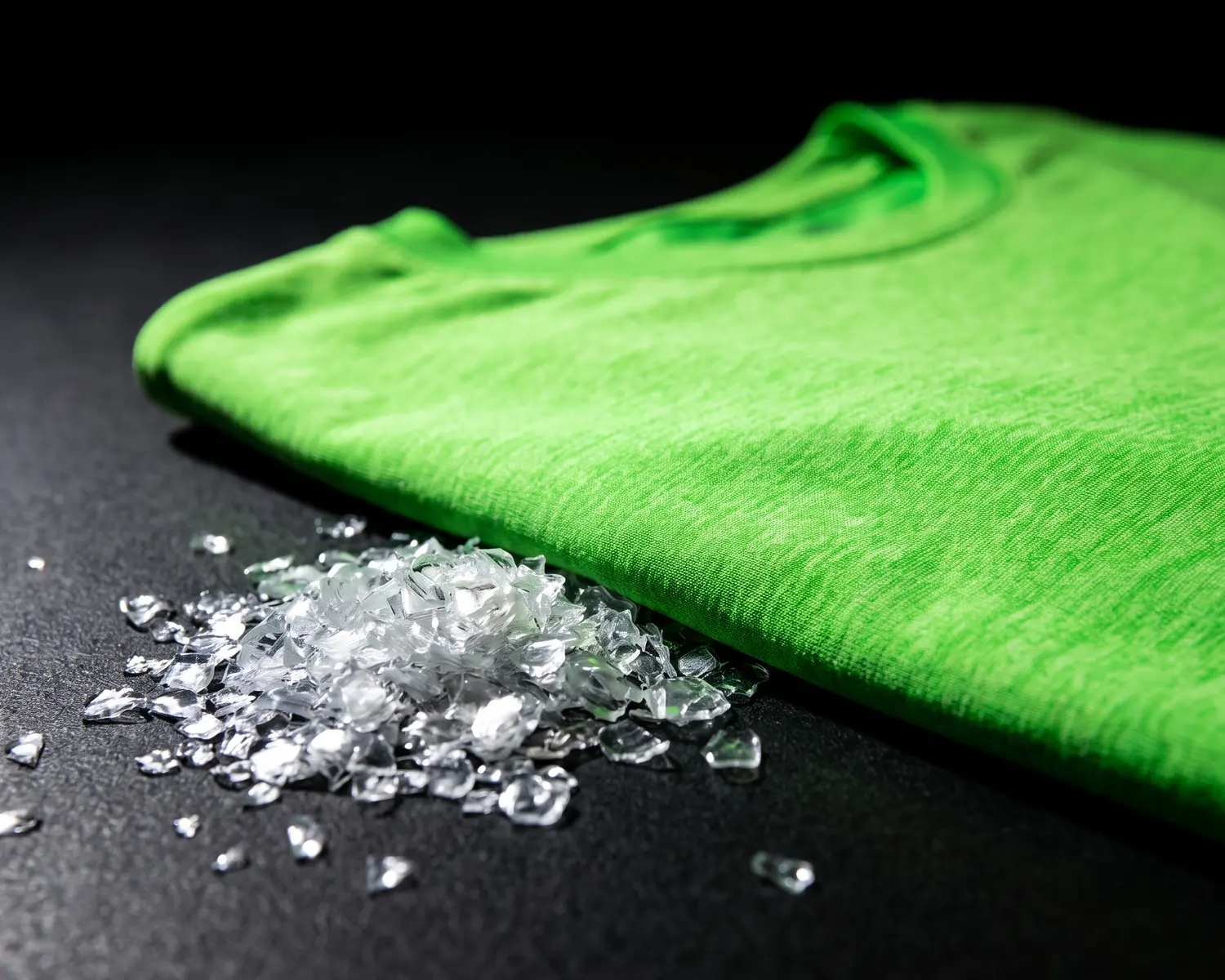
- On our catalog, the Stanley/Stella Creator 2.0 reference (STTU169) is GOTS certified: 100% combed organic cotton in solid colors, 70% organic and 30% recycled in Heather Haze.
- The real price gap, printing included, shows up on a crewneck: around €23 in conventional cotton, around €34 in organic cotton.
What makes organic cotton more expensive
Two mechanisms, and neither is marketing talk.
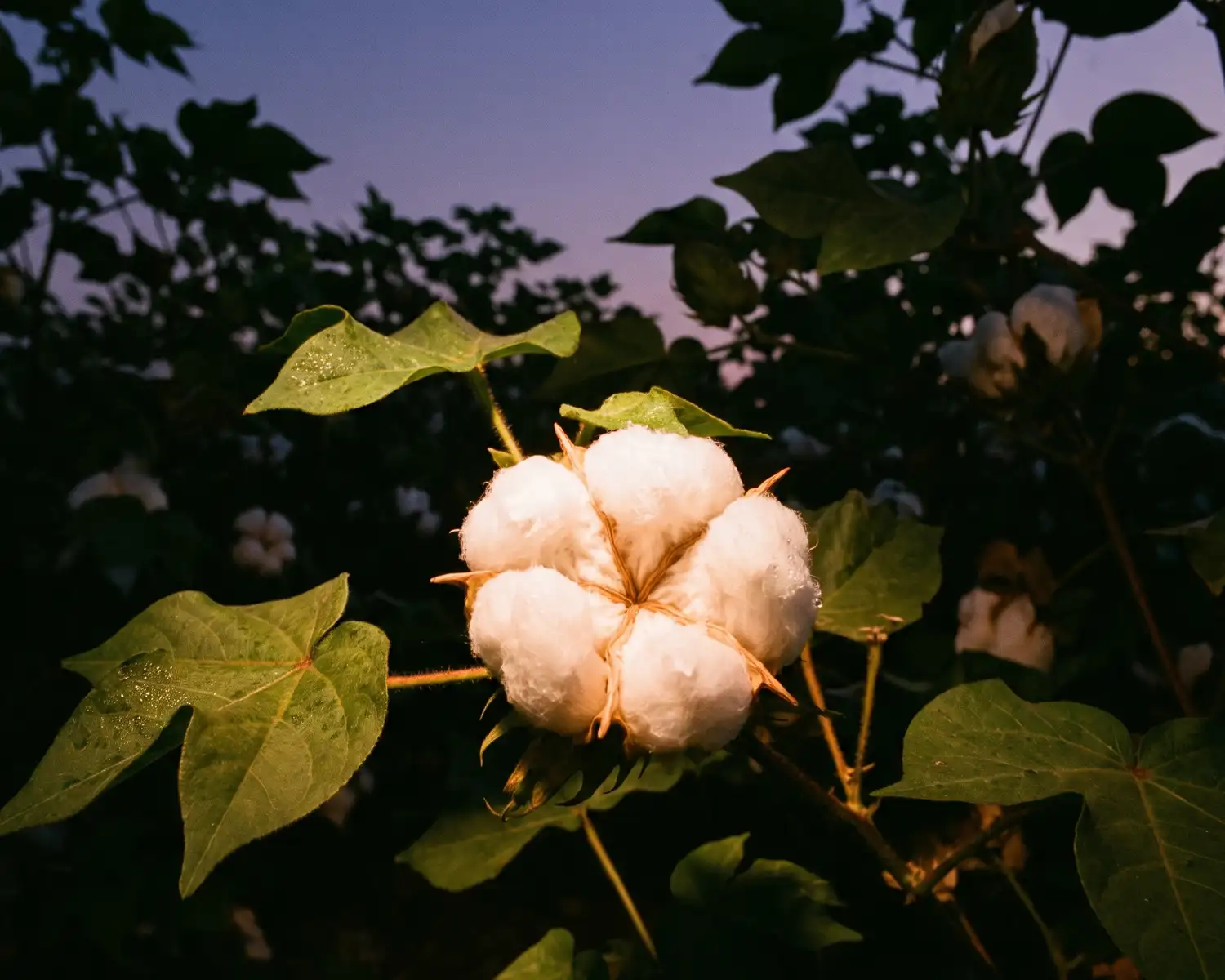
Yield. Conventional cotton grows with nitrogen fertilizers and pesticides that push the harvested quantity per acre as high as possible. Without them, organic cotton grows more slowly and yields less fiber on the same land. Less fiber harvested from the same field is mechanically a higher material cost.
Certification. Growing without chemicals isn't enough to put "organic" on a product page: it has to be proven, step by step. That's the role of the GOTS label, which we've detailed on its own: its audit cost is part of the final price, just as much as the material itself.
What organic cotton is not: a softer, sturdier, or higher-quality cotton to wear. The fiber itself is comparable to conventional cotton of the same grade. What you're paying for is the growing method and the proof that it was followed, not extra comfort.
What that actually changes in price
On our catalog, a single Stanley/Stella reference can show two different compositions depending on its color: organic never shows on a product's name, it shows color by color, on the garment label sewn into it. On price, the catalog benchmarks taken in early September give a clear picture of the gap, printing included: a classic Gildan crewneck starts around €23, an organic SOL'S crewneck around €34, the Stanley/Stella Roller Crewneck (organic) also at €34. On hoodies, the Stanley/Stella Drummer 2.0 (300 g/m², organic) is €41, the Cruiser Hoodie (350 g/m², organic) is €51. The gap with a classic conventional cotton runs from ten to twenty euros depending on the weight you're after, never as a locked-in rate: prices move, only the order of magnitude matters here.
The right calculation, not the box to tick
The question isn't "should everything go organic", it's "where does organic actually serve your project". Two cases where the gap clearly pays off: a personalized garment meant to be worn long after the context that created it (a brand t-shirt, lifestyle merch), where the material and what it says matter as much as the logo; and a communication that explicitly claims a responsible approach, where saying "organic" without proof behind it weakens the message rather than strengthening it.
Conversely, on a large run of technical garments or ones meant for a one-off use (an event, a short campaign), the cost gap outweighs the benefit perceived by the people wearing them.
The wrong calculation, on the other hand, is certifying one reference and leaving the rest of the collection vague: a coherent collection commits to a clear choice rather than blurring the line without saying so.
Frequently asked questions
What's the difference between cotton and organic cotton?
The fiber itself is the same plant. What changes is the growing method: organic cotton grows without chemical fertilizers or synthetic pesticides, with a lower yield per acre, and its production chain is audited to carry that name.
What are the advantages of organic cotton?
A growing method that preserves soil and limits chemical use, and for the buyer, a garment whose origin can be verified rather than just claimed. How it feels to wear, though, stays comparable to conventional cotton of the same grade.
What are the drawbacks of organic cotton?
The main one isn't the material itself, it's availability: fewer supply chains grow it, so fewer colors and blends exist in pure organic, and the lower yield feeds directly into the price. It isn't a guarantee of extra durability either: a garment's strength depends mostly on its weight and weave, not on whether its fiber is organic.
Your project, quoted within 24 hours.
Describe your garments, your decoration and your quantities: you receive a detailed quote, decoration included, within one business day.