Charity merch is your association's Pink October capsule: a sweatshirt with your identity, a pink logo, sold by preorder on your Store with a donation per item announced before purchase. No stock, no upfront costs: your community's mobilization becomes a fundraiser.
The essentials in 4 points:
- The shortest route to giving remains the official collections (in France, the Ruban Rose association carries the campaign, and the Ligue contre le cancer sells its charity items).
- Your collection carries YOUR identity in pink: a pink logo on a sober garment mobilizes more widely than a pink garment.
- The charity-product mechanics: donation per item announced before purchase, beneficiary named, results published at the end.
- Two ways to run it: your brand's public Store, with its pink-accent collection sold continuously, or your association's group order by preorder: everyone pays for their size, zero cash advance.
Every year in September, the same question lands in association meetings: "we'd like to do something for Pink October, should we order some giveaway items?". I have supported dozens of fundraisers, and I will save you some time: the 4-euro tote handed out at a booth is forgotten by November. A charity garment people chose, bought and wear all winter is another story, for the cause and for your association.
Here is the honest guide to charity merch: what already exists and works, the rules to respect, and the mechanics to build your community's charity collection without advancing a single euro.
First, what already exists: the official channels
Pink October is the international breast cancer awareness campaign (Breast Cancer Awareness Month), carried in France by the Ruban Rose association. And the most direct way to support it already exists: the official collections. The Ligue contre le cancer, for example, offers its own charity items every year, whose sales directly fund the fight. If your goal is simply to give, start there: it is the shortest route between your gesture and the cause.
This guide is for the next step: when your association wants to mobilize ITS community, with ITS identity, and turn that mobilization into a fundraiser.
The rules to respect before creating anything
This is the point almost nobody mentions, and it matters: the campaign's name and the emblematic pink ribbon are tied to organizations that protect them. You do not print them on a garment you sell the way you would print your own logo.
The right reflexes:
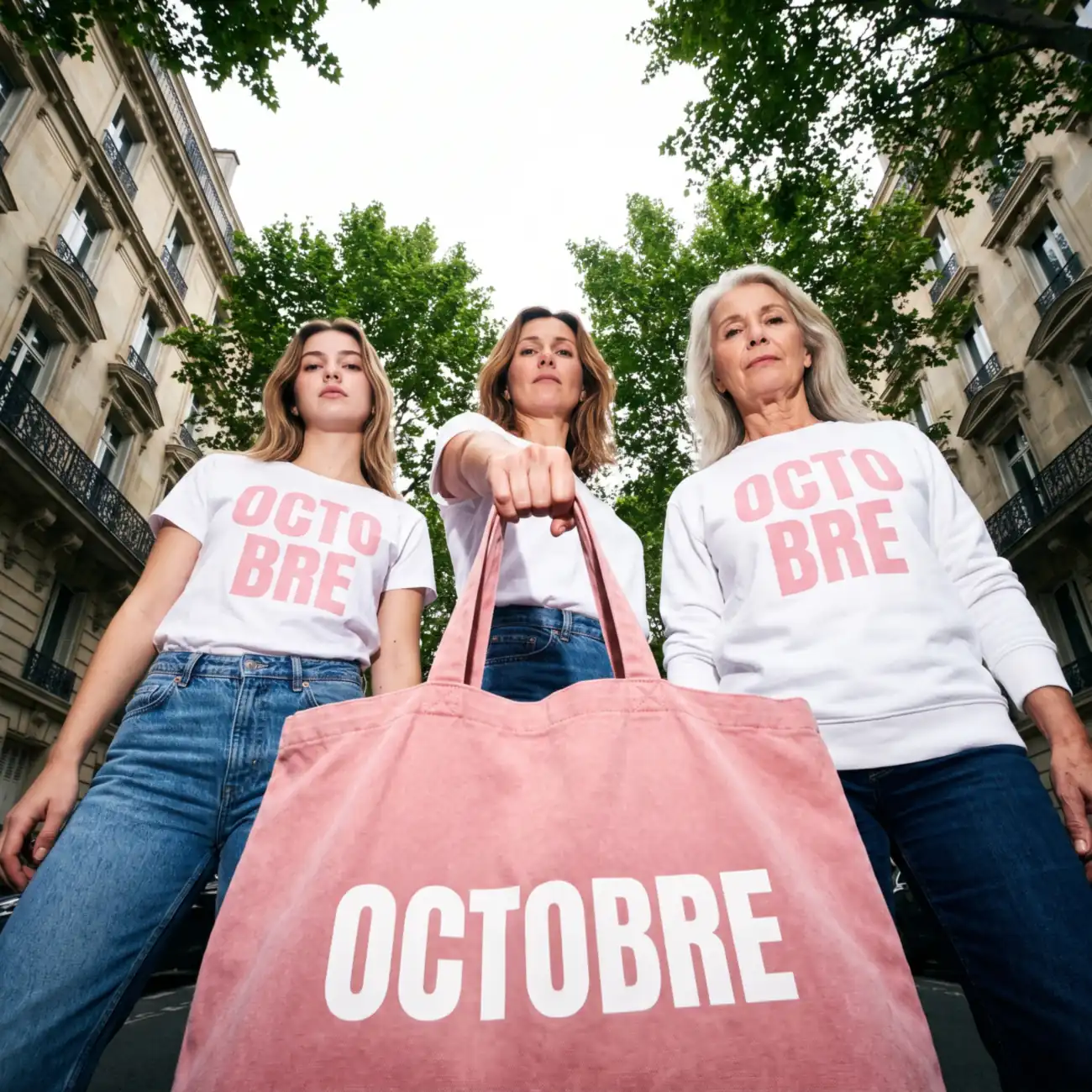
- Your collection carries YOUR identity, in pink: your logo, your mascot, your name, as a pink print or on pink fabric. Your community is the one mobilizing; it should be recognizable.
- To officially claim the campaign, contact the organizations concerned BEFORE launching: the rule of the charity product (selling while donating a share of the price) is to present your project and formalize it with an agreement. A written agreement always beats a good intention.
- Say where the money goes, precisely. "Part of the profits will be donated" is not enough anymore: announce the amount donated per garment sold, name the beneficiary, and publish the total at the end. Transparency is what turns a purchase into a donation. And be clear on a point everyone forgets: only accredited charities can issue tax receipts: tell your buyers whether their purchase qualifies for a deduction or not.
The mechanics: the charity capsule on your Store
A quick distinction before the method: a Store lives in two ways. A brand or a creator can simply add a pink-accent collection to their public Store, sold continuously, produced from a single piece ordered. And an association or a company mobilizing its group goes through preorders. This second case is the one we detail here, because it is the one that historically carried all the risk.
The classic fundraiser setup meant advancing the cash for a box of sweatshirts and hoping to sell them all. The exact opposite of what an association wants to risk on a charity operation. Preorders reverse the logic:
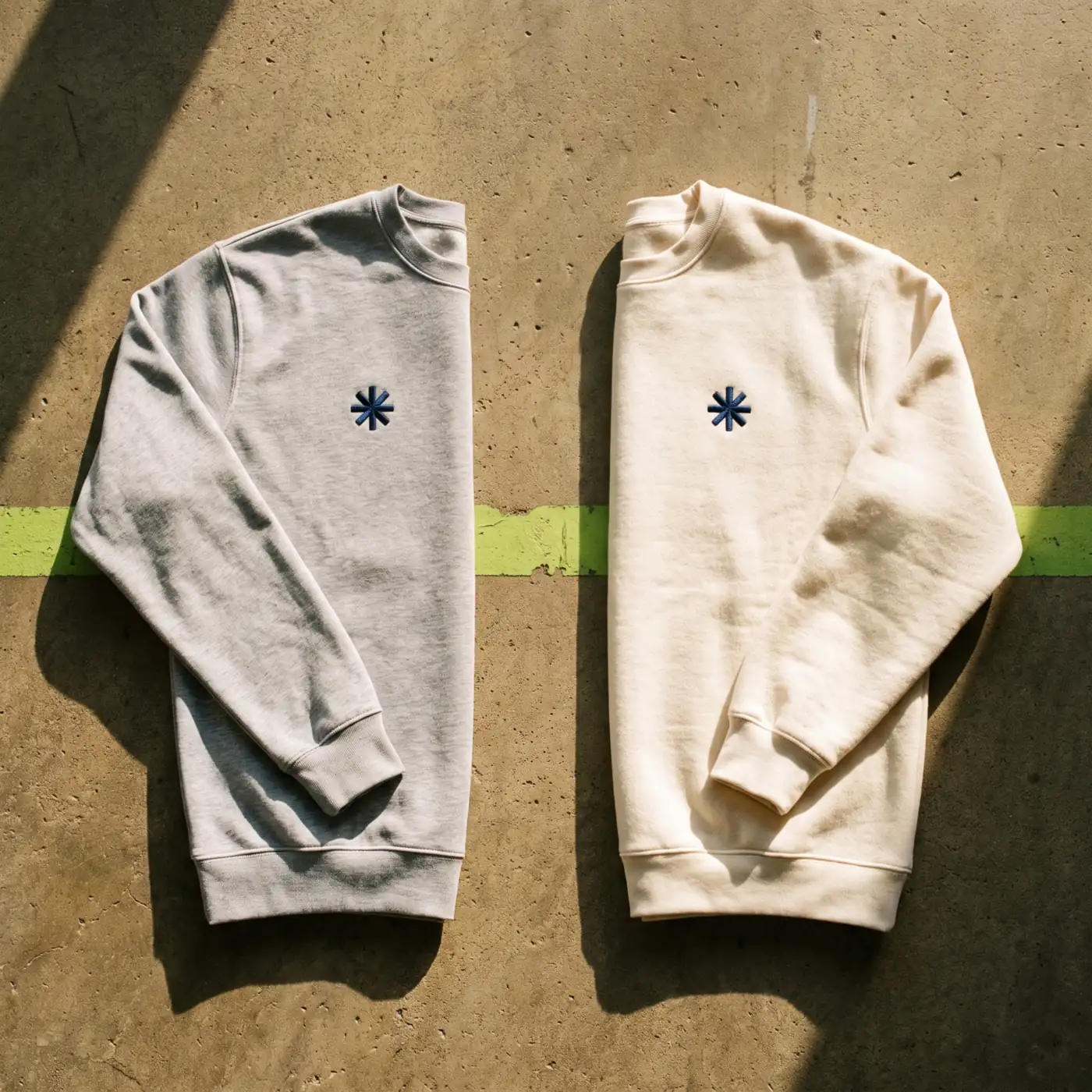
- Create the capsule: one or two references, no more, in real quality: it is a garment of support, not a flyer. And remember this: pink does not have to be the garment's color. A pink print (a custom sweatshirt with your logo embroidered in pink thread on an ecru or navy background) is often the best choice: the garment stays wearable all year by everyone, and the pink of the logo says the commitment. Pink fabric exists for communities that fully own it; the pink print mobilizes more widely.
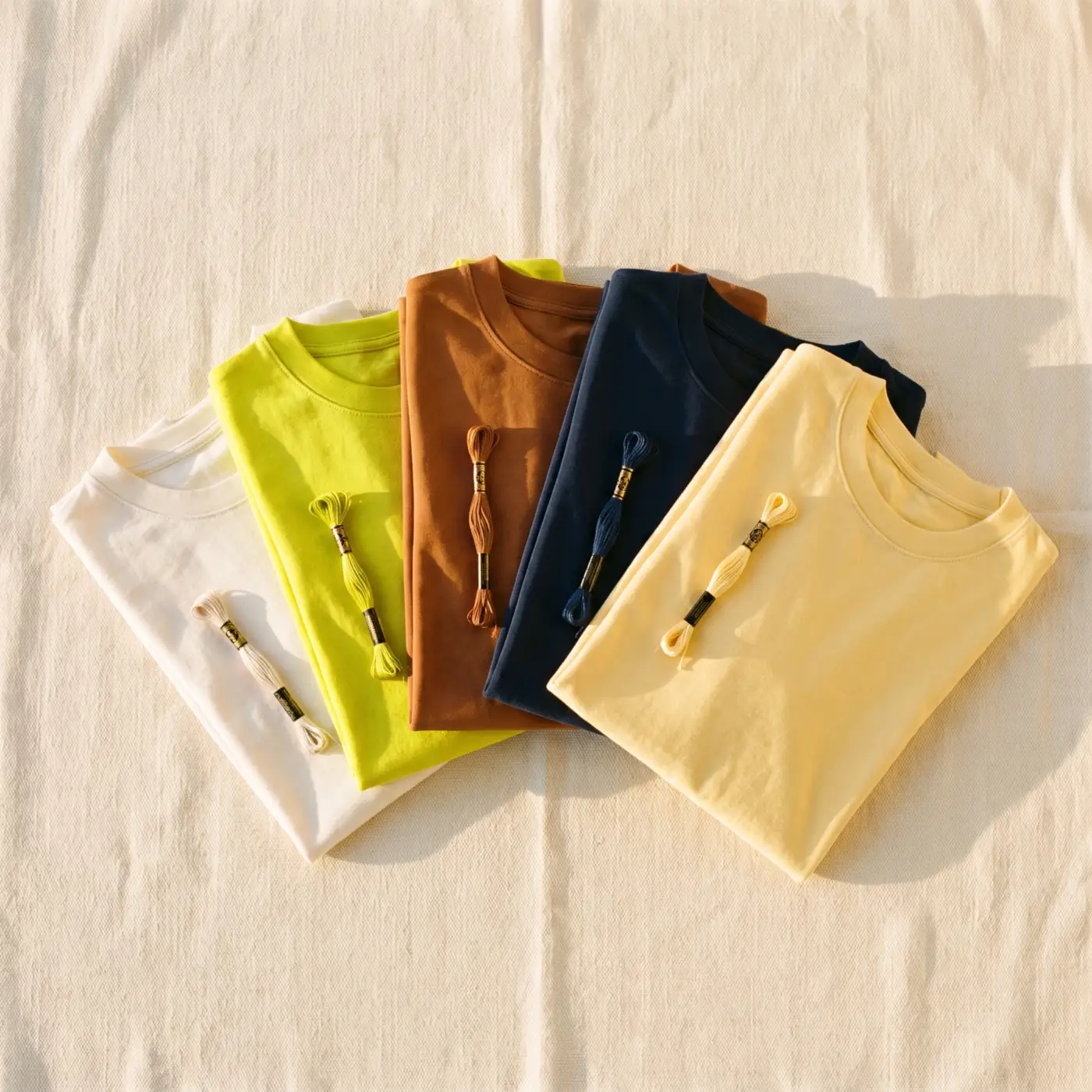
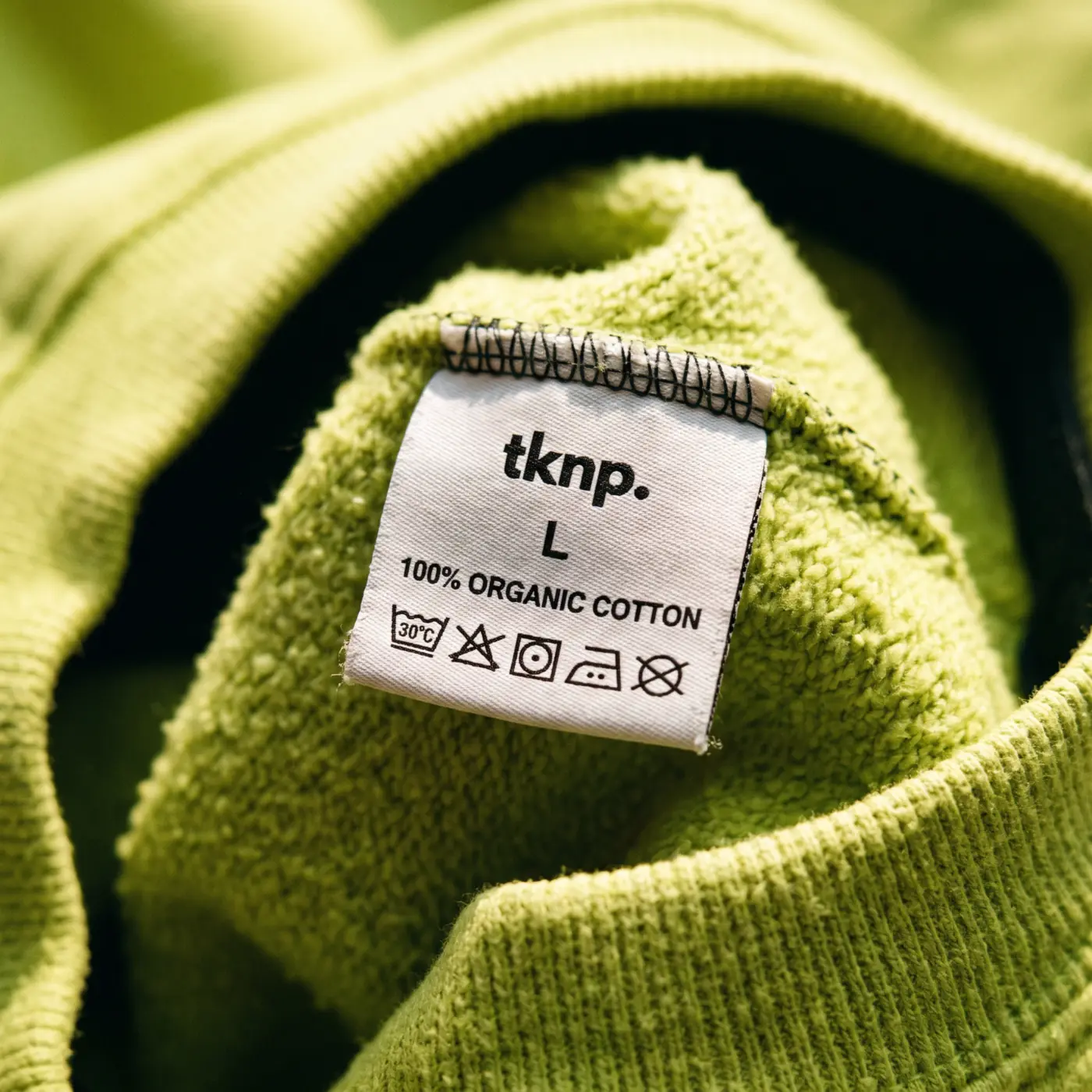
And on a charity operation, the fabric and the fit are part of the message: an ethical AND fashionable garment for a cause that deserves it. The catalog has what it takes in organic cotton, Stanley/Stella first: the well-cut organic tee, the organic sweatshirt people genuinely want to wear, and the organic cotton tote bag as the capsule's accessible entry point (the small price that lets everyone take part). This is where everything comes together: a responsible, desirable garment gets worn every day, and every walk down the street extends the awareness well beyond October. The garment becomes the cause's medium.
- Open your Store and set the price while announcing the donated share (to picture the result, the association Store examples show what the storefront looks like). You set the selling price freely: on a sweatshirt sold at 35 euros, announce for example "5 euros donated per sweatshirt" (the figure is yours; what matters is that it is stated BEFORE purchase).
- Launch the preorder with a short window, two weeks, countdown displayed. Urgency serves mobilization: the October capsule only exists in October.
- Everyone orders their size and pays online. Nobody chases cheques, no spreadsheet, and if the target is not reached, everyone is refunded automatically: the operation's risk is zero.
- Production at the exact number ordered, delivery, and publication of the results: so many garments sold, so many euros donated. That last message is the most important of the whole operation: it is what makes people want to join next year.
No stock, no advance, no unsold items: on a charity operation, that is more than comfort. Every euro not sitting in a box is a euro that can go to the cause.
Giveaway items or charity merch: why the garment wins
Let's talk about what people searching for "Pink October giveaway items" are after: pink objects to hand out. Pens, bracelets, bags. Useful at a booth, and the official collections offer very good ones. But for an association's fundraiser, the garment plays in another category, for three reasons:
- It is sold, not handed out. A given-away object costs your association; a chosen, purchased garment earns for the cause. The direction of the money changes everything.
- It lasts. The booth closes on a Sunday evening; the pink-logo sweatshirt comes out every week, all winter, and the conversation it sparks ("where is that from?") carries the campaign's message long after October.
- It tells belonging. The person wearing it does not only say "I donated": they say "my community mobilized". That pride is what makes the big fundraisers.
The calendar of a successful October capsule
The countdown is simple, and it starts now:
- Mid-September: the capsule is created on the Store, the visual and the donated share are announced.
- Last two weeks of September: the preorder window is open, relayed where your community lives (the link gets shared in a group chat, a story, a newsletter).
- October: the window closes, production starts on the exact number, the garments arrive during the campaign and get worn immediately.
- Early November: the results are published, the donation is made, the thank-you message closes the operation.
Count the full cycle, from creation to delivery, at four to six weeks: that is exactly why you launch in September and not on October 1st.
And after October?
The mechanics you just built are not for one month only. The charity calendar chains its milestones: Movember in November, and in France the Telethon in December, each time with the same rule (protected campaigns and trademarks: you formalize an agreement to claim them). And a charity capsule works for any cause that truly matters to your community: a health campaign, a fundraiser after a hard blow, the financing of a local project. The Store stays in place, the experience is acquired, and your community has learned the way. The first capsule is the hardest to launch; all the following ones ride on its trail.
Frequently asked questions
Can you use the Pink October name on your products?
Not freely: the campaign's name and the emblematic pink ribbon are tied to organizations that protect them (in France, Ruban Rose is a registered trademark). For a charity product claiming the campaign, the rule is to present your project to the organization concerned and formalize an agreement before launching. Your collection can, however, carry your own identity, in pink.
Where can you find official Pink October charity items?
From the organizations carrying the fight: in France, the Ligue contre le cancer offers a collection of charity items every year, whose sales directly fund the cause. It is the shortest route between your gesture and the fight against breast cancer.
How do you donate the money from a charity sale?
Announce before purchase the amount donated per garment sold, name the beneficiary, and publish the final figures at the end of the operation. Also state whether the purchase qualifies for a tax receipt: only accredited charities can issue them.
When should you launch a Pink October fundraiser?
Mid-September at the latest: count two weeks of preorders then production at the exact number ordered, a full cycle of four to six weeks. Launched in September, the capsule is worn during the campaign; launched on October 1st, it arrives after.
Which garment sells best for a fundraiser?
The sweatshirt, by far: it is the garment worn all winter, the one that keeps the message alive the longest. An effective capsule stays short: one sweatshirt and one t-shirt, in real quality, rather than six references that scatter the orders.
Your organization deserves its official store.
Create, buy and sell premium merch — the account is free, the store opens when you're ready.