Resources for buying custom clothing.
Guides, materials and techniques, labels and compliance, sectors, pricing, style, stories and seasonal: everything to know before ordering for your teams.
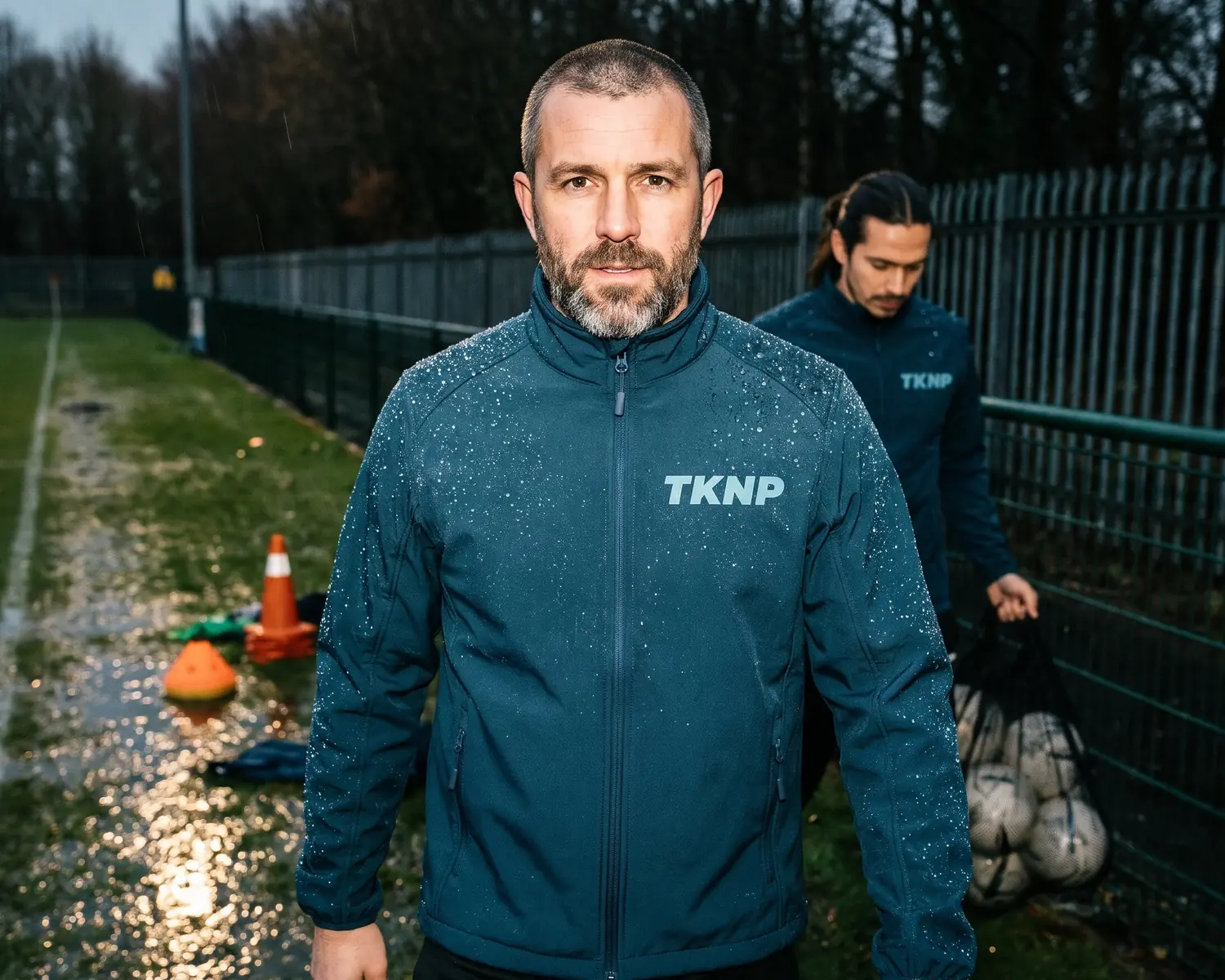
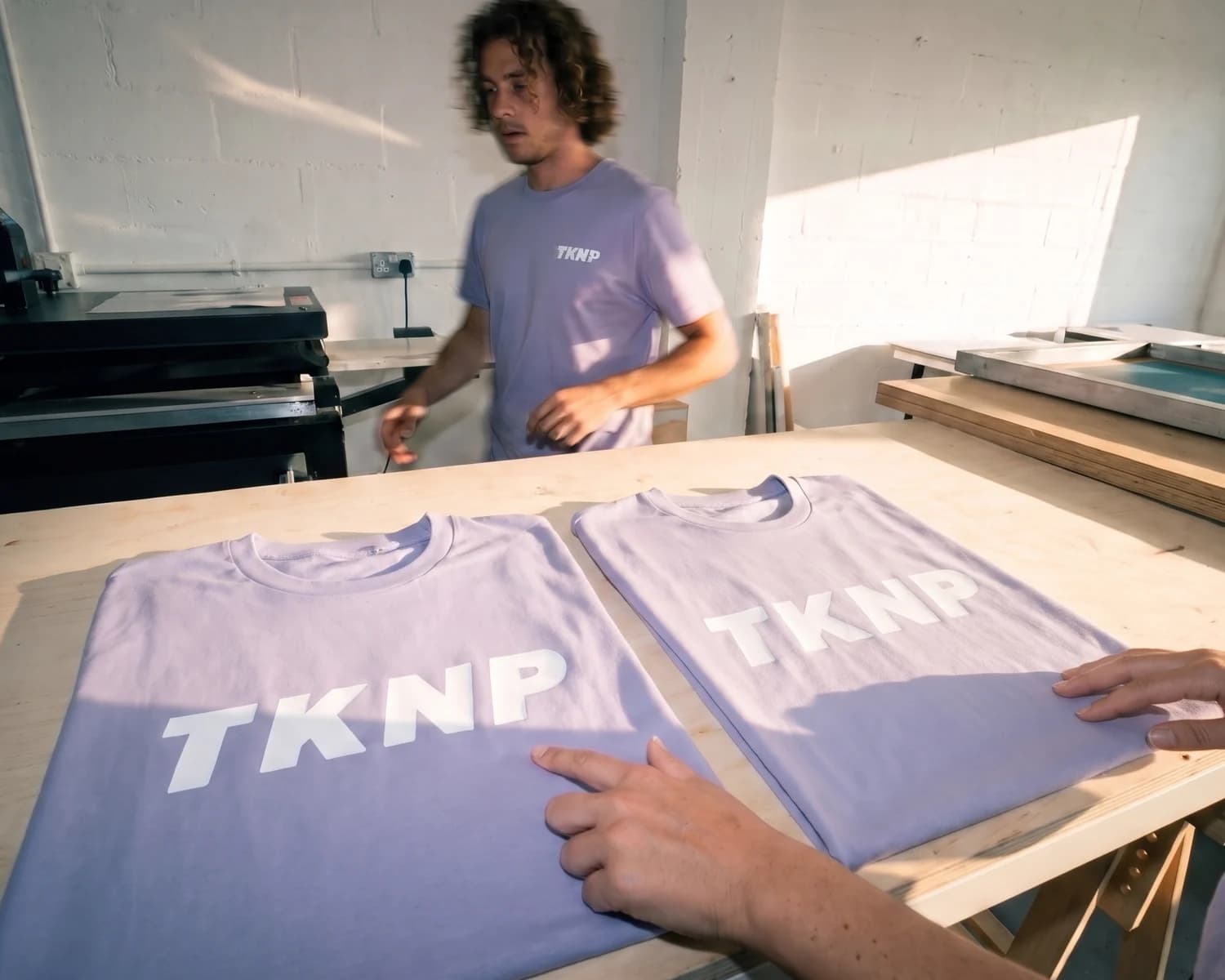
DTF or screen printing: which to choose for your quantity?
Torn between DTF transfer and screen printing for your t-shirts? Here is the quantity from which one costs less than the other, and how each one looks, feels and washes.
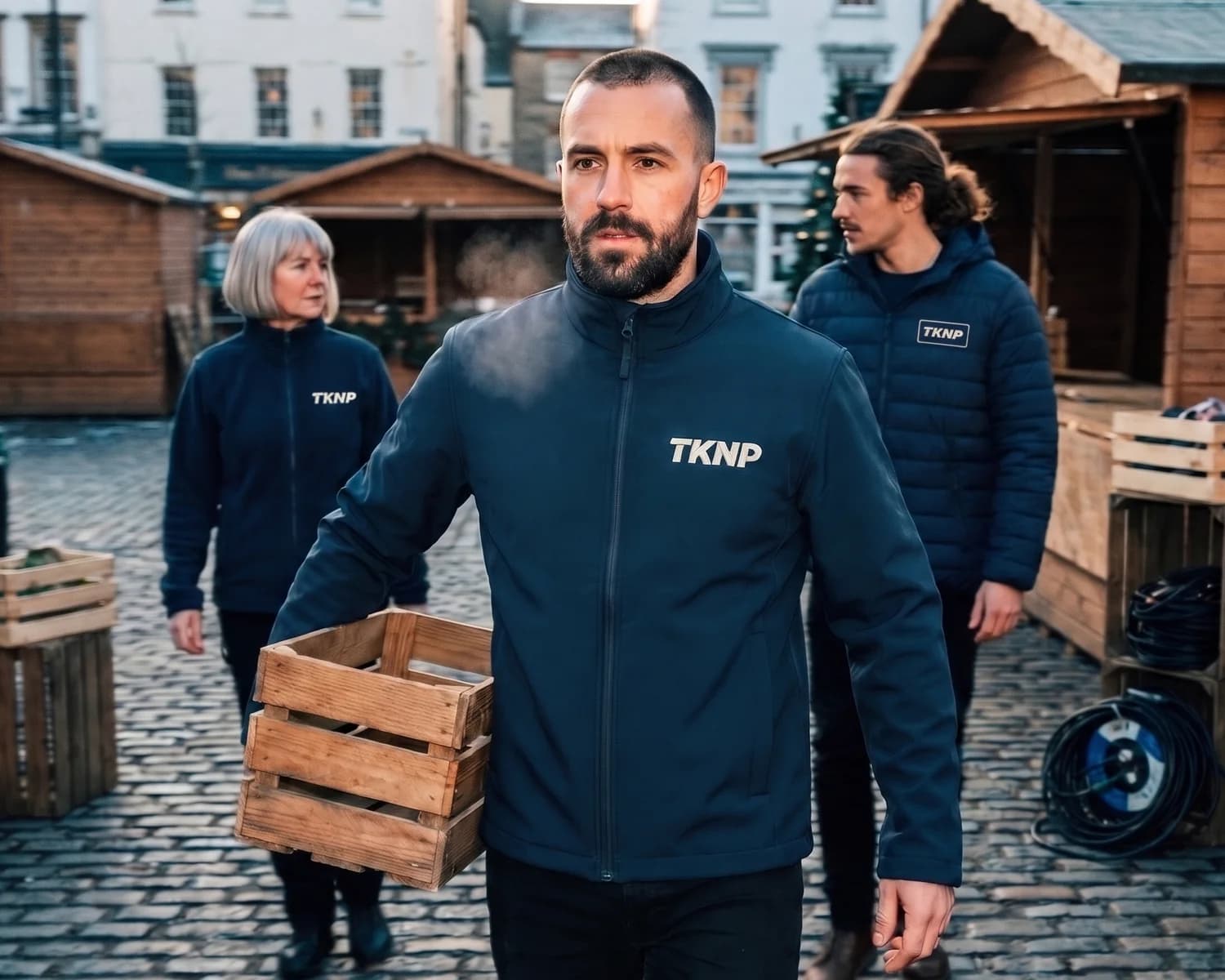
Softshell, fleece or puffer jacket: which jacket should you choose for a team?
Staff at a winter event, a club on the touchline, an office team: here is what each jacket does well, how it is decorated and what it costs embroidered with your logo.
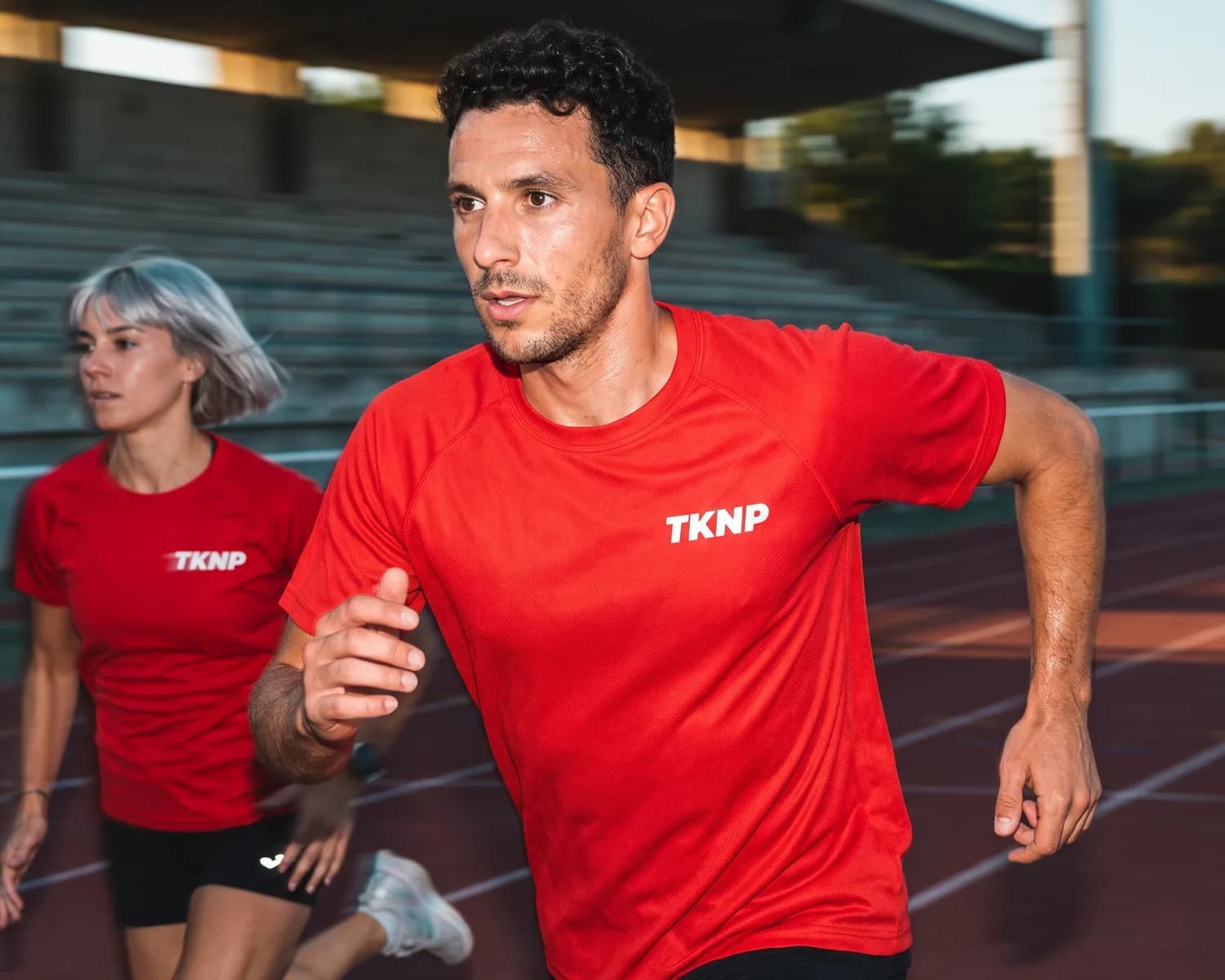
Printing on polyester fabric
Need sports t-shirts or windbreakers in polyester decorated? Here are the techniques that hold on this fibre, the one best avoided, and what our product pages offer your team.
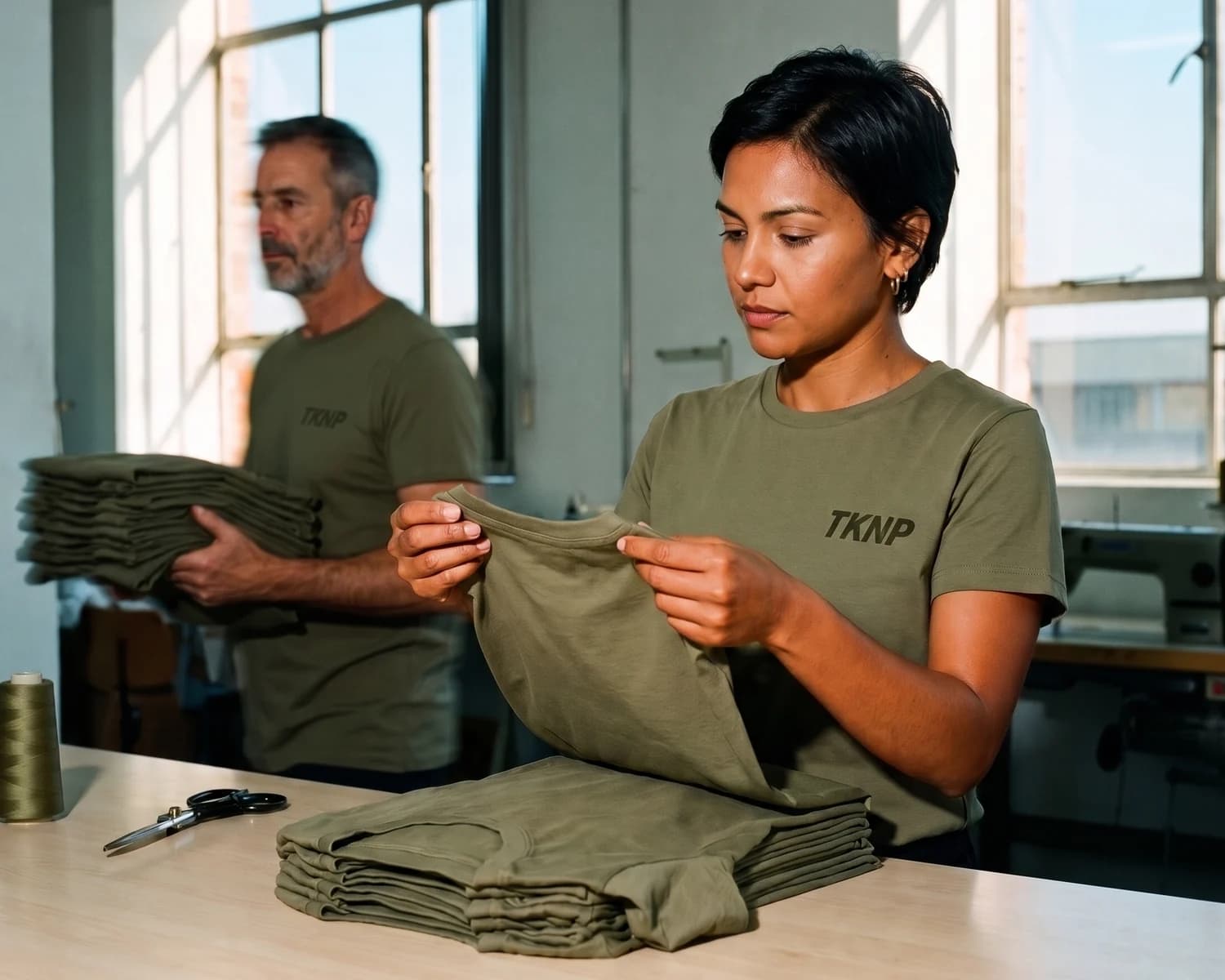
How is a t-shirt made? The 7 manufacturing steps
Before it carries your logo, a t-shirt goes through seven steps, from the cotton field to the sewing floor. Here is what each one changes to the feel, the collar or the size, and how to read it on a product page before you order.
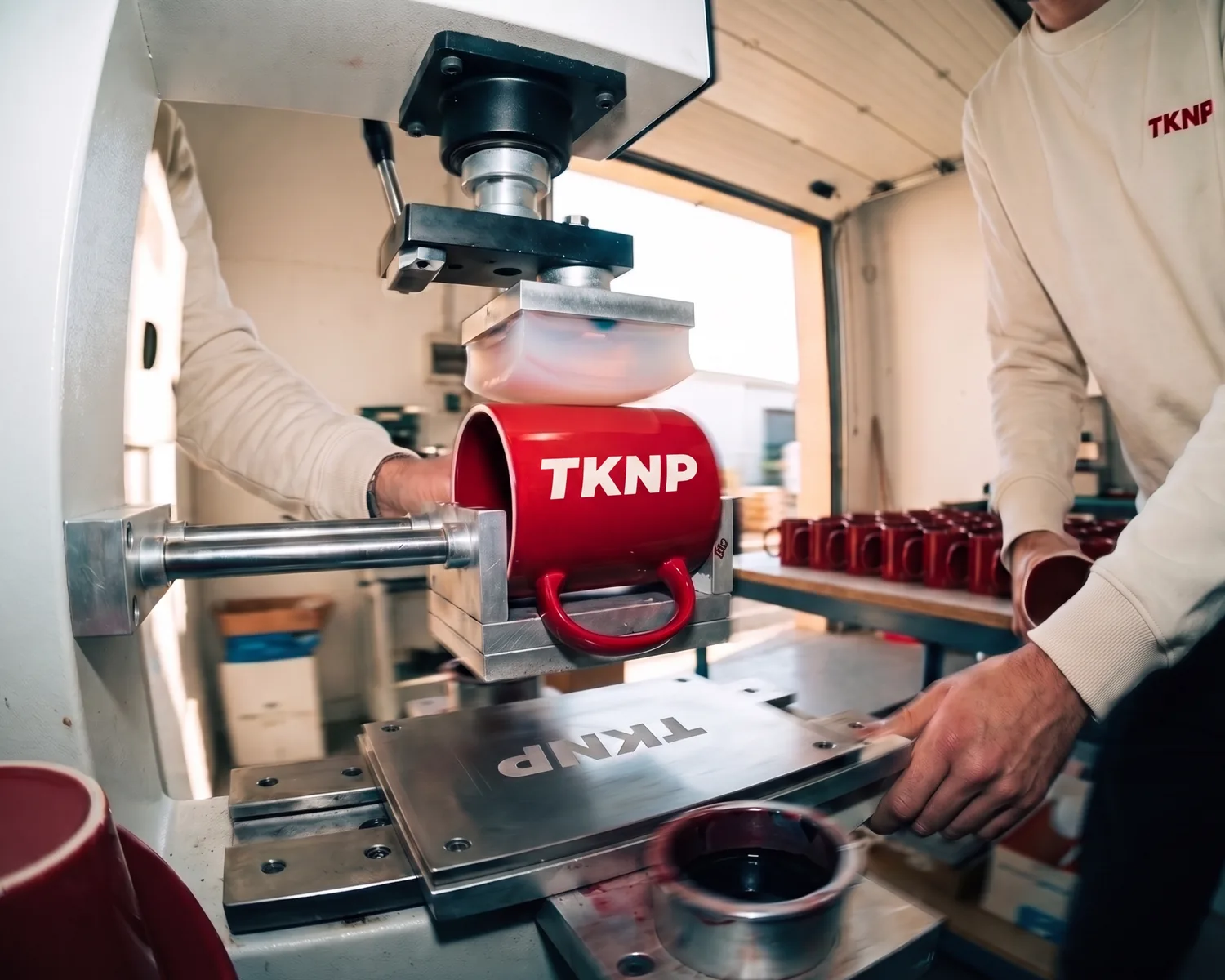
La tampographie : comment ça marche et pour quels objets ?
Vous voyez le mot « tampographie » sur un devis de stylos ou de mugs ? Voici comment ce marquage pose votre logo sur un objet, ses limites, et les autres techniques à comparer.
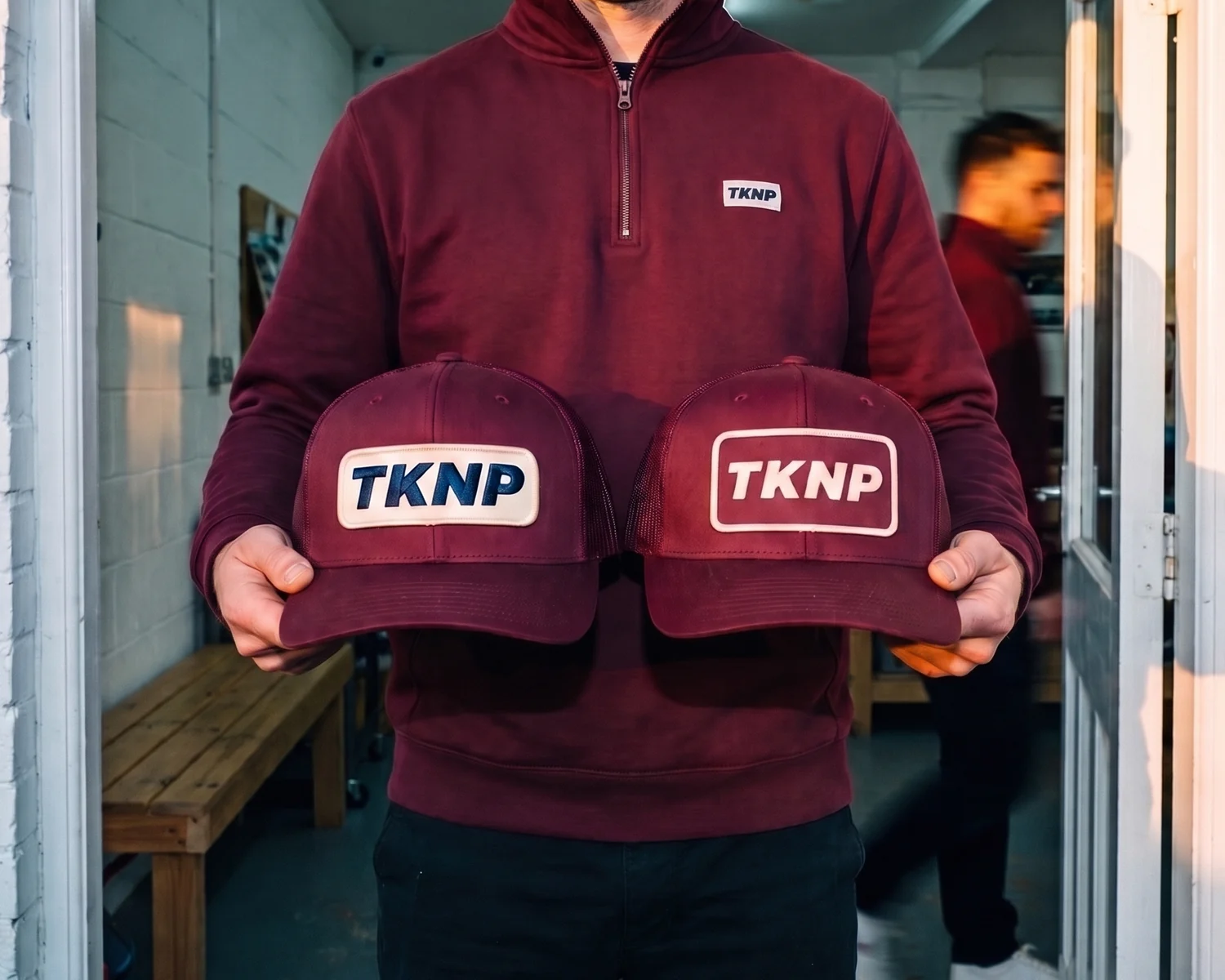
Embroidered or woven patch: which one suits your logo?
Torn between an embroidered patch and a woven patch for your team's jacket or cap? One has relief, the other keeps small lettering sharp: here is which one suits your logo.
Polyamide or polyester: what is the difference?
Polyester produced worldwide contains a far higher share of recycled fibre than polyamide, and on the gilets we compared, the decoration ratings stay the same. Here is what really sets the two fibres apart, with sources, and which one to choose for your team.
Polyamide (nylon): what is it?
The nylon in your windbreaker and the polyamide in your cap are the same fibre. Here is what it brings to team merch, which decoration suits it and how to wash it without damaging it.
Why do clothes shrink in the wash, and how can you prevent it?
Ordering clothes for a team, a club or a brand and don't want to see them shrink? Here is why clothes shrink, which materials move the most and the drying habit that changes everything.
Printed color that doesn't match the screen: how to avoid it?
Your logo's printed color does not look the way it did on screen? Here is why, and how to keep your brand color on your t-shirts and sweatshirts: the reference to give, the technique to choose and what the proof can really show.
Textile spec sheet: how do you read it, line by line?
Comparing garments to customise and lost in the product pages? We read a t-shirt, a hoodie and a polo with you: what each line says, what a label covers, and what the price at the top of the page really means.
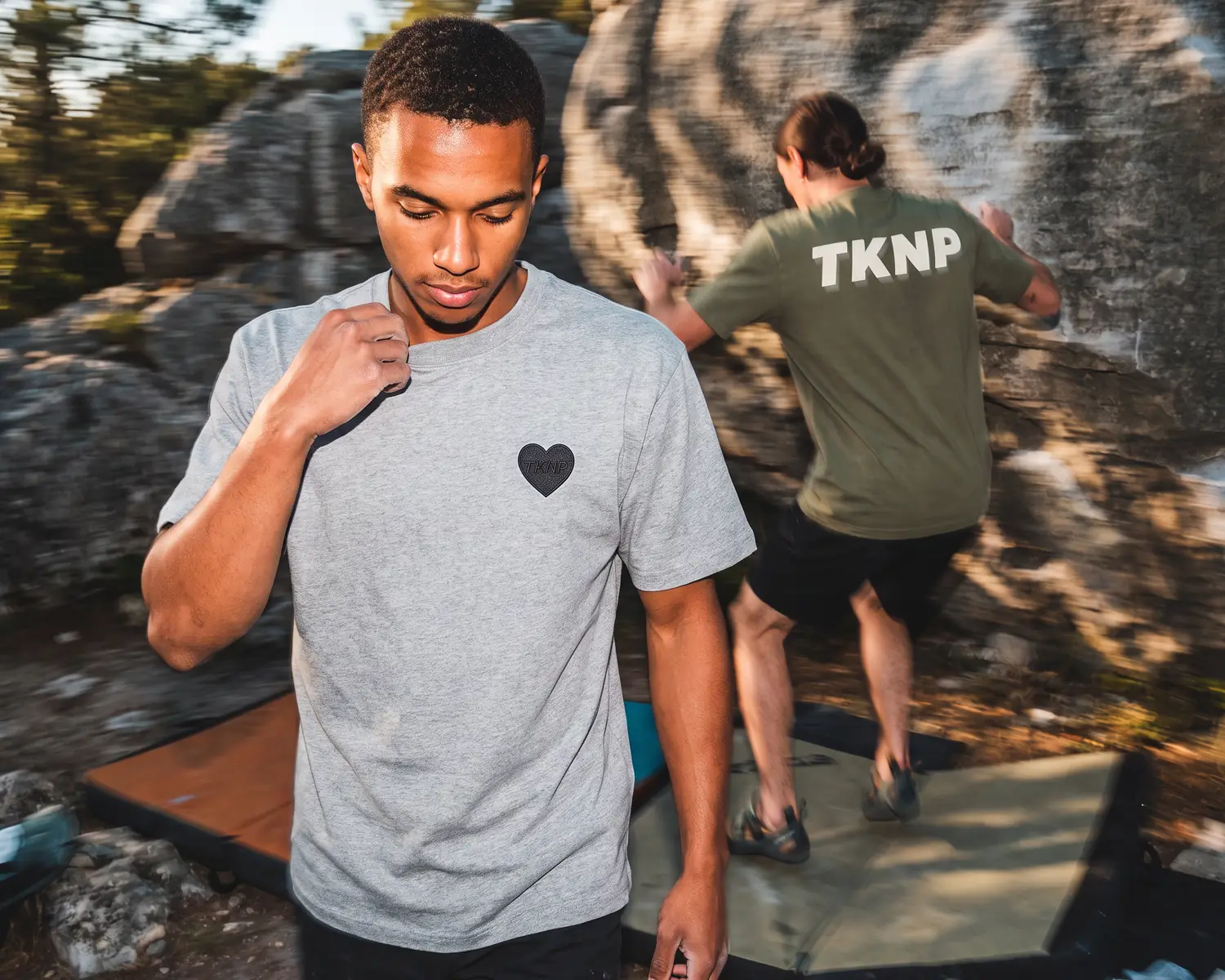
Stretched-out t-shirt collar: what makes a collar last
Ordering t-shirts for your team and want a collar that still looks sharp wash after wash? Here is why a collar stretches out, the details that make it last and how to spot them on a product page before you order.
Synthetic fibre: definition, examples and customisation
You see polyester or polyamide on a product page and wonder what it changes? What a synthetic fibre is, how it differs from cotton or viscose, and which decoration to choose on a sports t-shirt, a puffer jacket or a beanie.
Modal fabric: definition and garments to customise
Modal, a wood fibre related to viscose, makes a t-shirt drape and a sweatshirt soft, and keeps them that way in the wash. Its official definition, how it differs from viscose and lyocell, and the four modal garments in our catalogue, with the decoration that suits them.
Elastane: definition, percentages and what it changes in a garment
Elastane, also known as Lycra or spandex: what it is, how much a shirt, a polo, a softshell or leggings from our catalogue contain, and what those few percent change for printing and care.
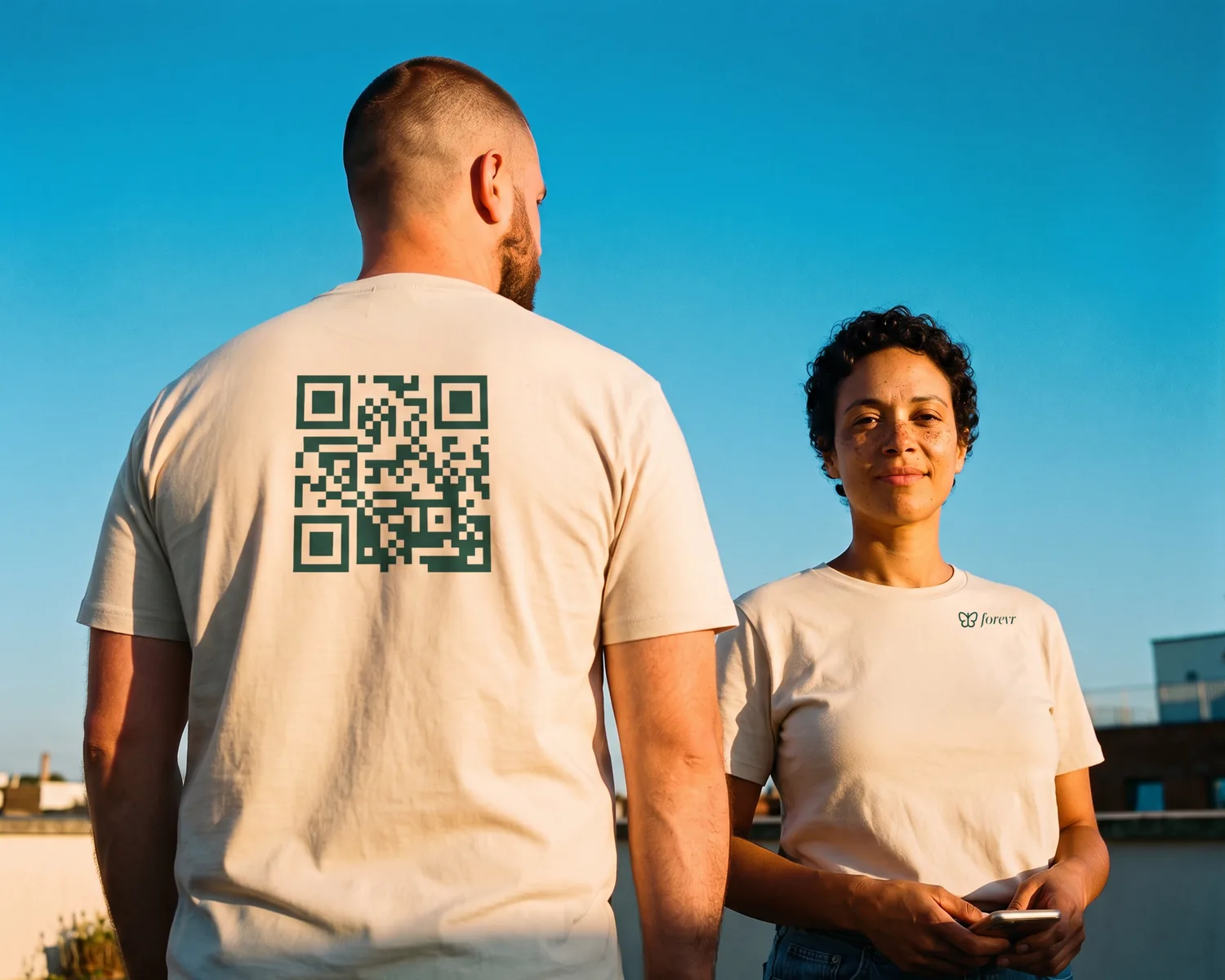
QR code on a t-shirt: size, placement and uses
For a QR code printed on a t-shirt to scan every time, here are the right size, the right placement, the printing method and the price, then the example of a memorial walk t-shirt linked to a remembrance page created on forevr.
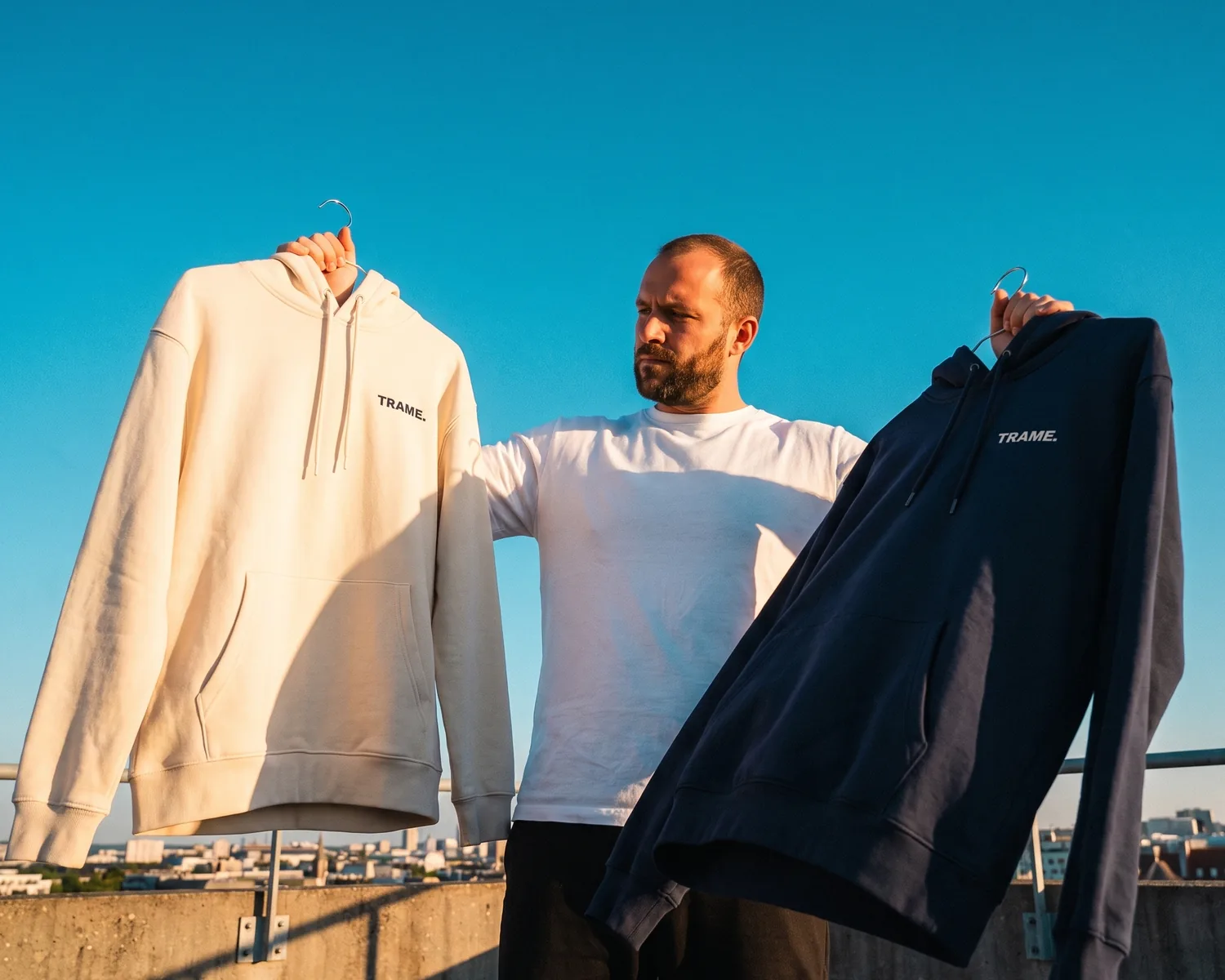
Sweatshirt fabric weight: 280 or 350 gsm, which one to choose?
280 gsm for a sweatshirt worn all year round, 350 gsm for a heavy one people keep for years: the right fabric weight for how your team will wear it, and what a heavier sweatshirt costs.
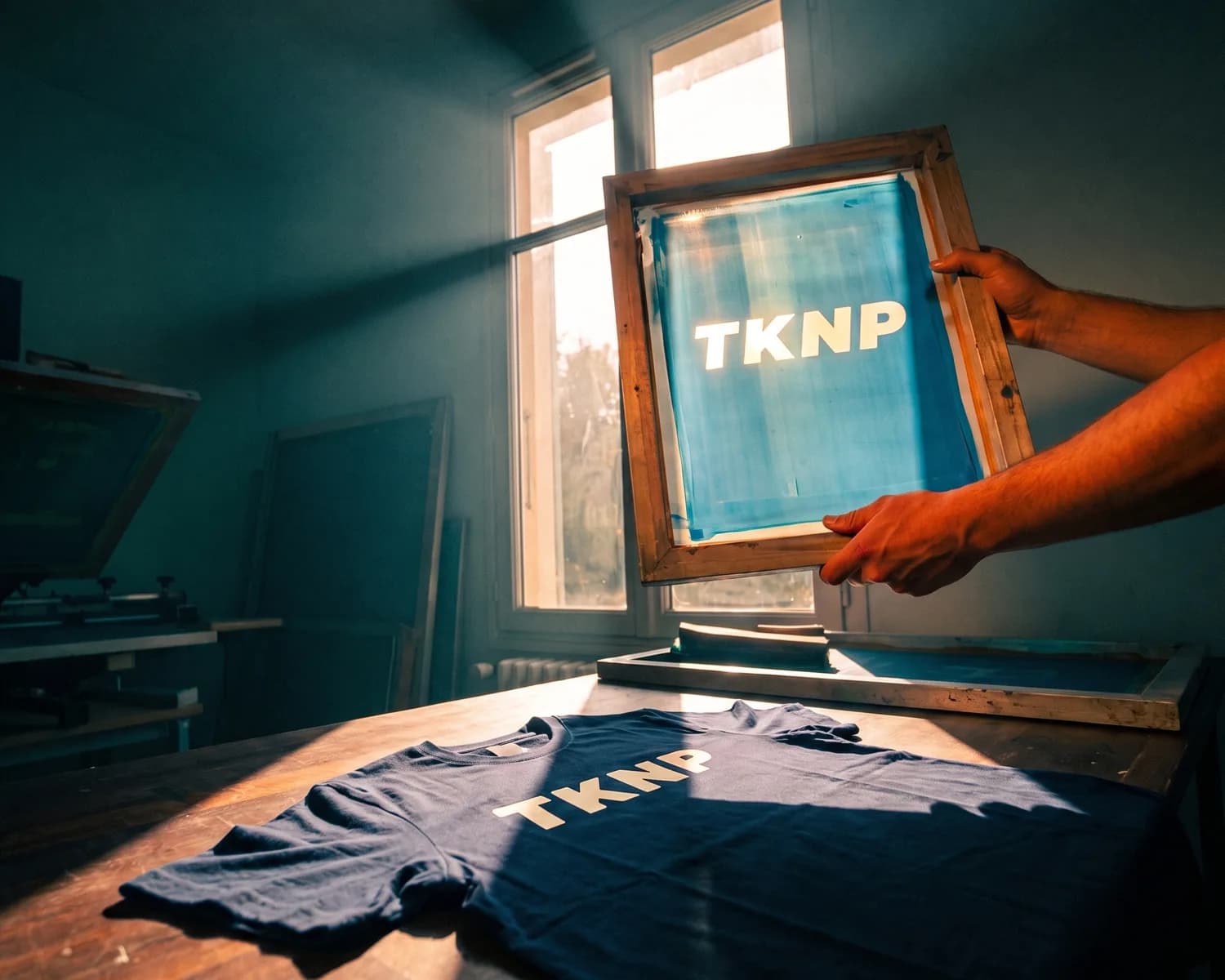
Flex or screen printing: which technique should you choose for your t-shirts?
Torn between flex and screen printing for your t-shirts? We tell you which one really holds up in the wash, what screen printing costs and why we recommend it from 25 t-shirts.
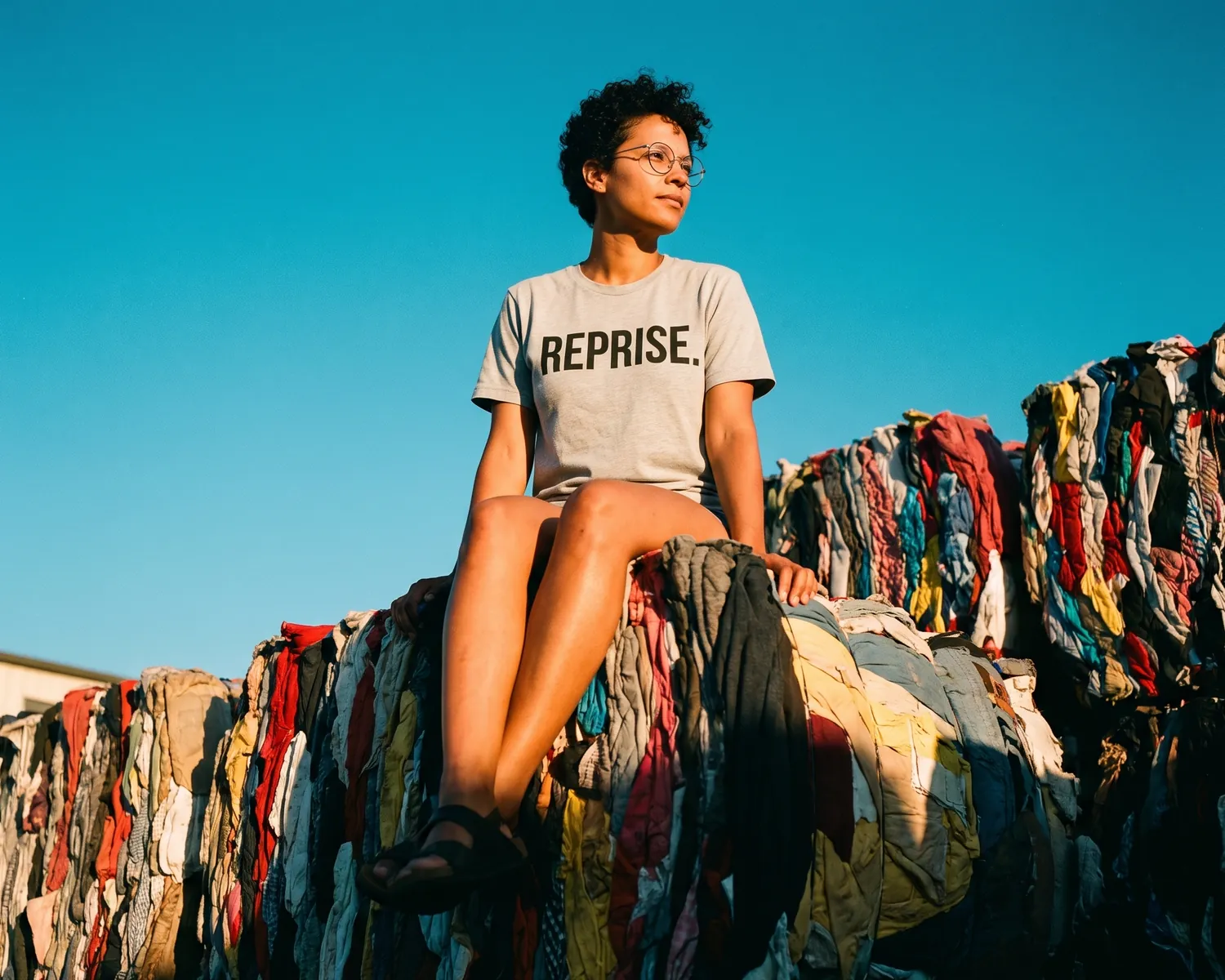
Recycled cotton: definition, blends and use for merch
Want merch that shows your commitment? Here is where recycled cotton comes from, why it is almost always blended and how it changes the feel and the price.

DTF or DTG: price, finish and durability compared
DTF or DTG: which print to choose depending on the garment colour, its fabric and the quantity, with our marking prices at 10, 50 and 100 units.

Softshell: definition and use for merch
Softshell is three laminated layers that block the wind. Here is what it really does in the rain, what it doesn't, and why so many teams wear it.
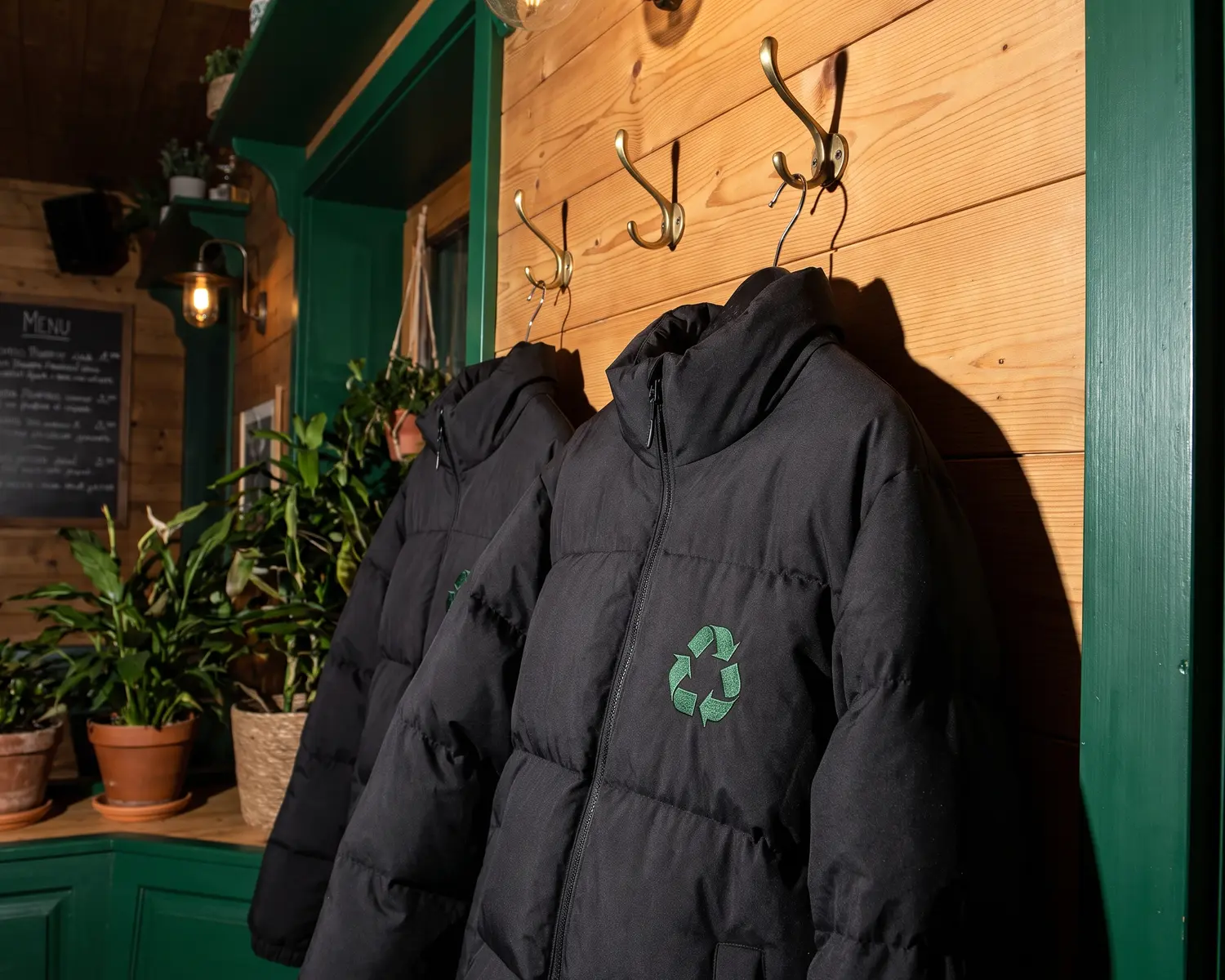
Recycled polyester: definition and use for merch
Recycled polyester (rPET) in one citable definition: how bottles become yarn, how to verify the recycled share with the GRS label, and what this fiber changes or not for a garment.
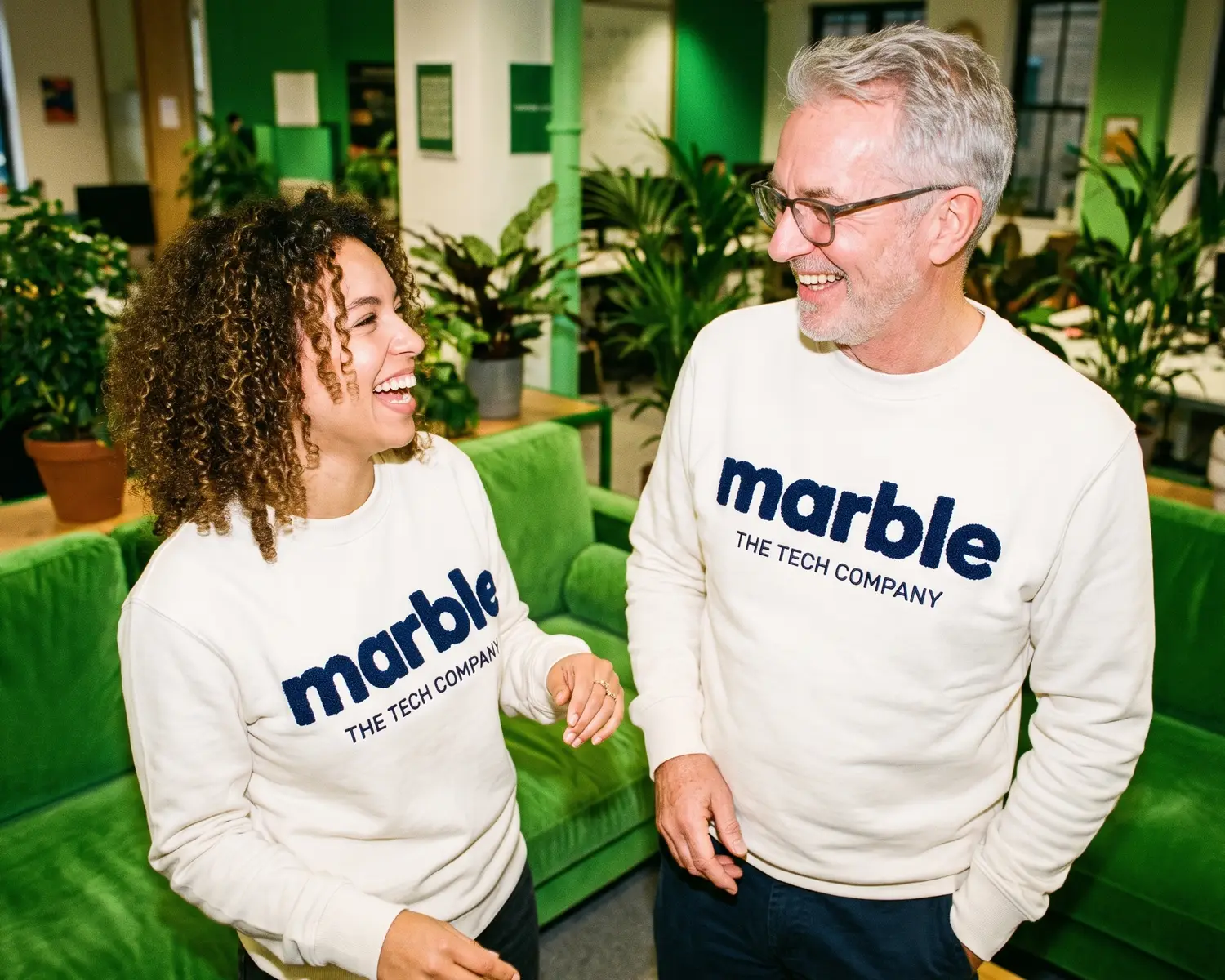
Chenille embroidery: maximum impact on your brand image
The thick looped thread with real texture, the varsity look associated with letterman jackets: the technique that turns a logo into a piece people actually want to wear.
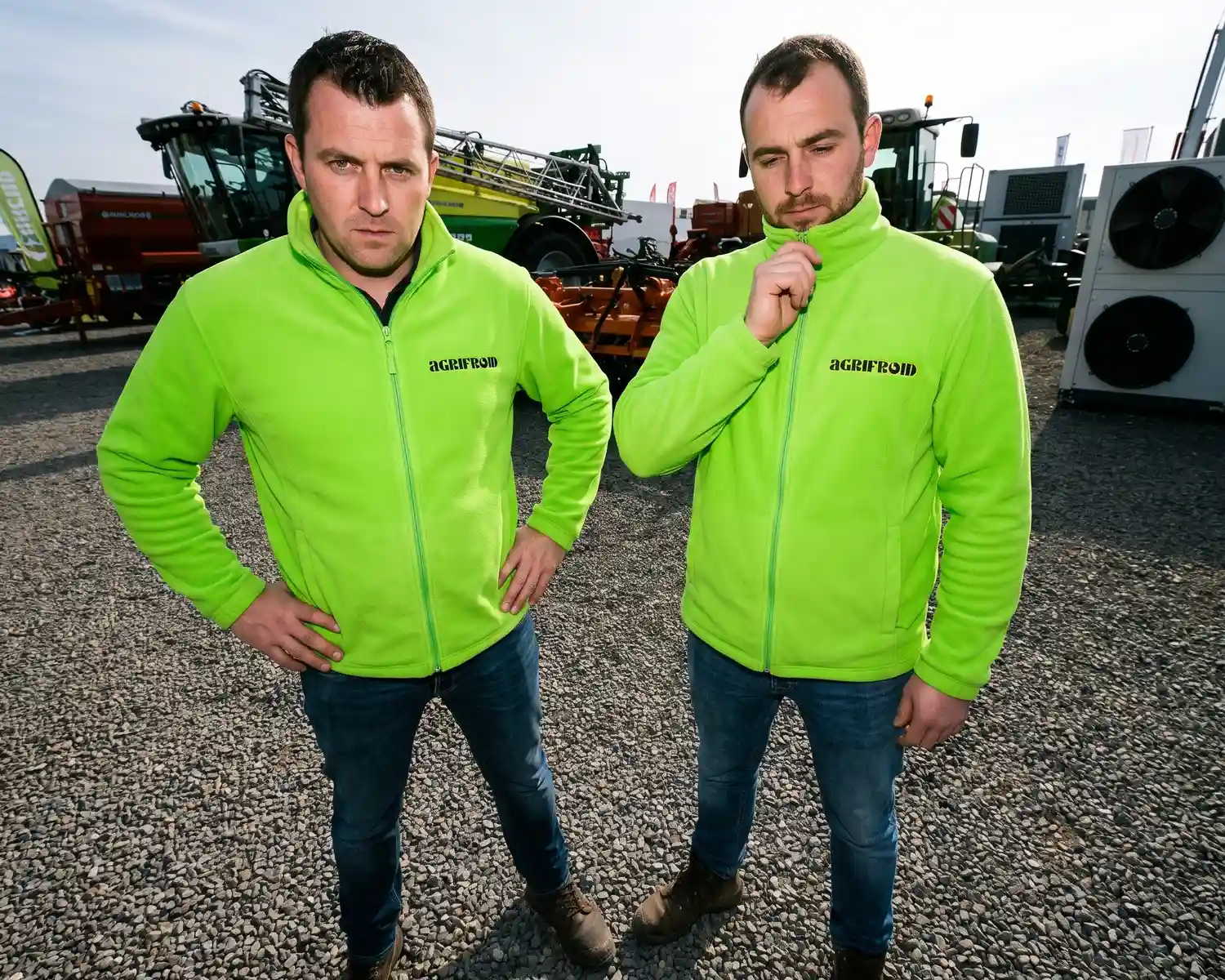
Fleece and microfleece: warmth without the weight
A polyester knit that traps air to insulate without adding weight: the material explained, its microfleece variant, and why screen printing doesn't take on every fleece.

Cotton or polyester: what to choose to outfit a team
Cotton's comfort, polyester's durability: the right call depends on the use case. The guide to outfitting a group without picking the wrong fabric.
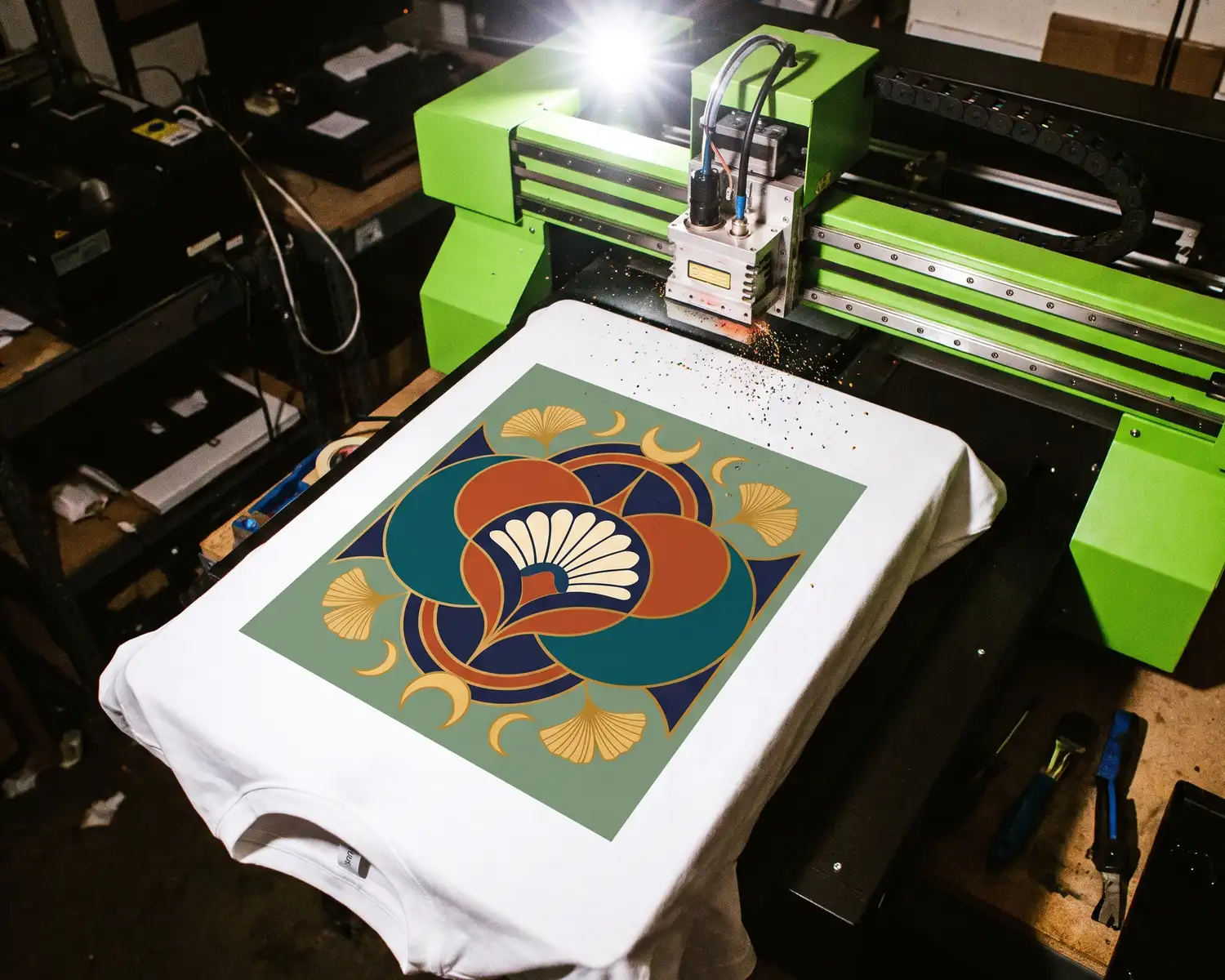
DTG printing: how does it work, and who is it for?
Digital printing straight onto the fabric: how DTG works, its real strengths, its real limits, and when to choose it.
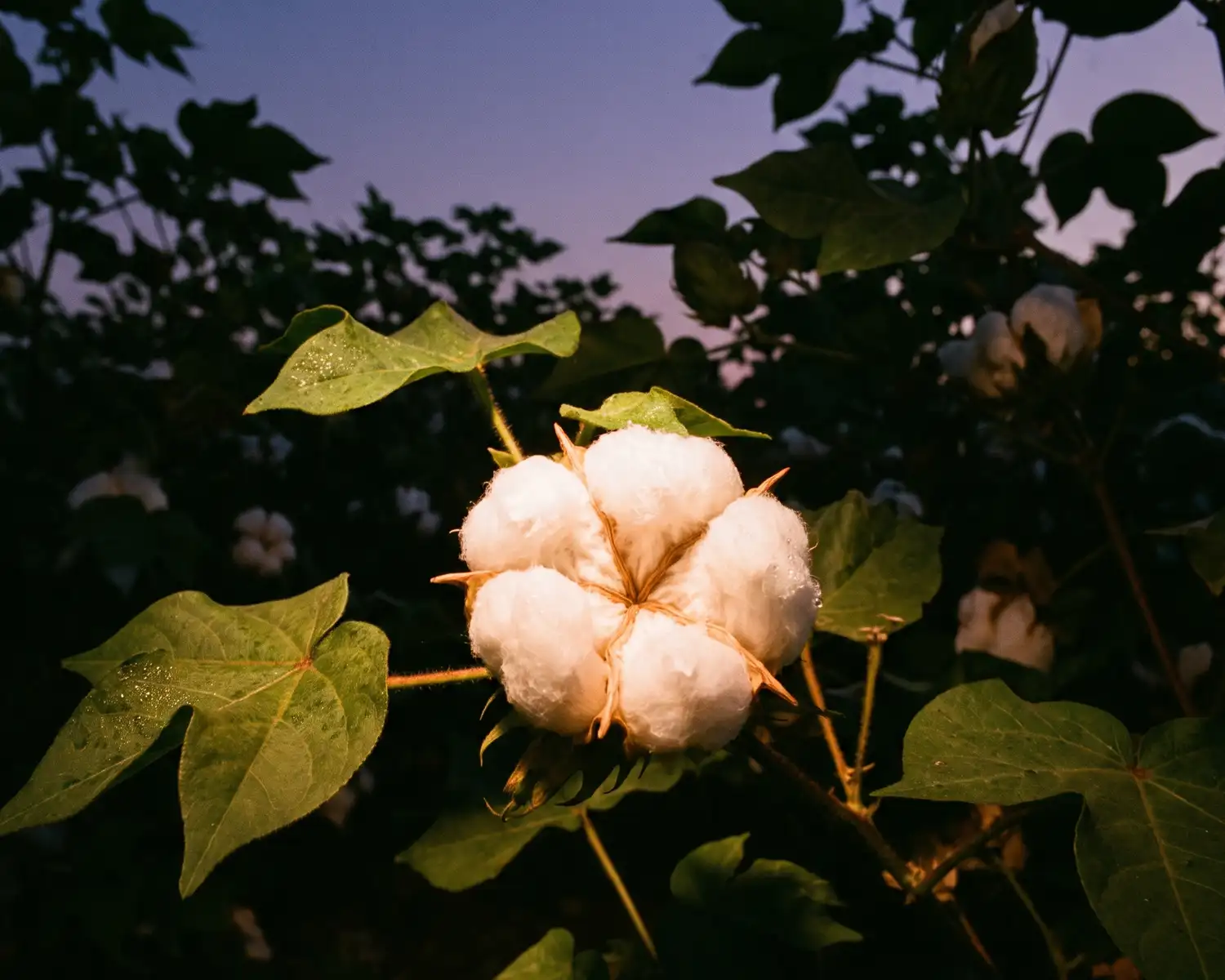
Why does organic cotton cost more?
Lower farm yield, a certified supply chain: why organic cotton costs more, and what we actually carry in Stanley/Stella, printing included.
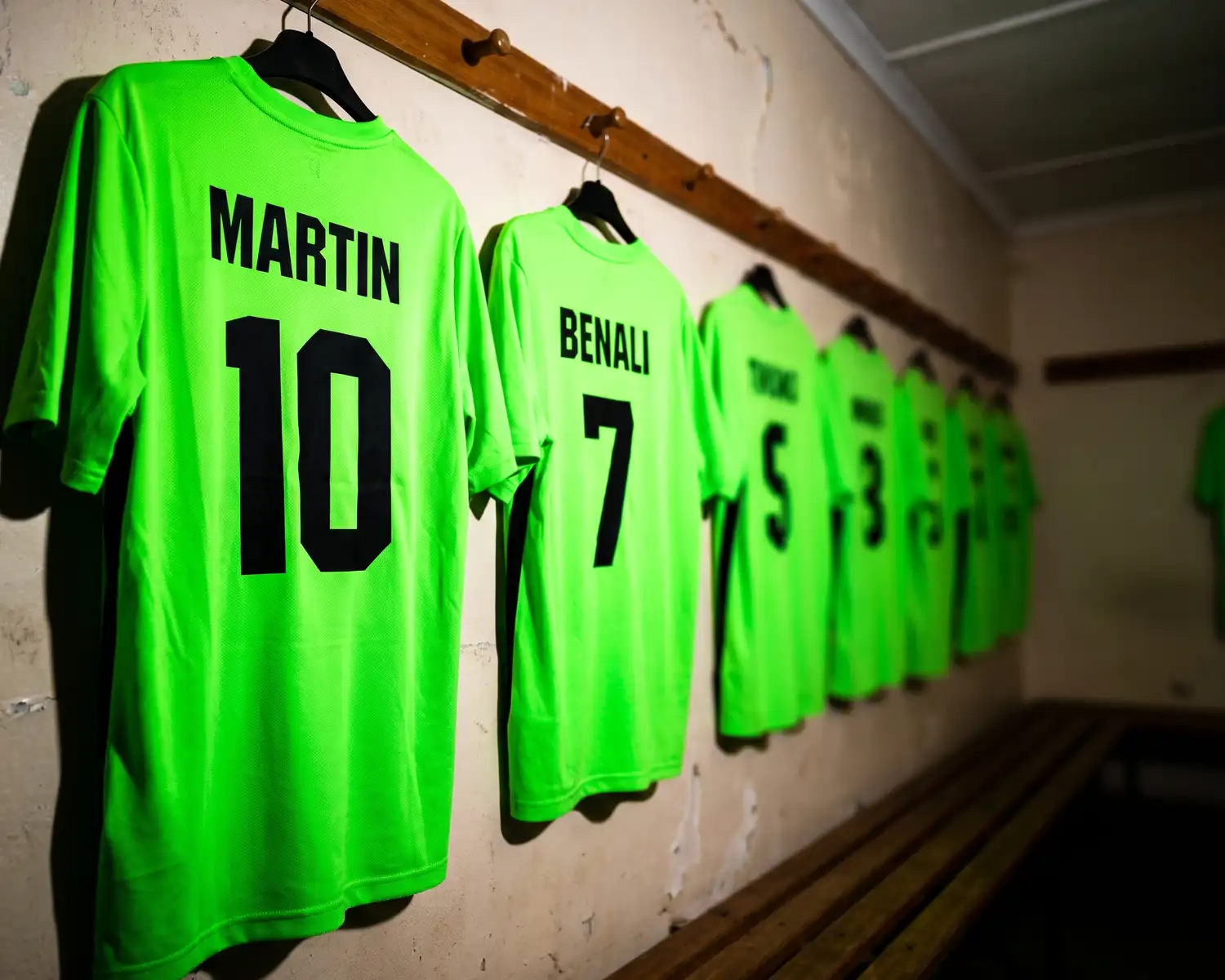
Jersey printing: name and number for every player, how it really works
The name-and-number technique, the player list that makes or breaks the order, what drives the price, and the people everyone forgets: the fans.
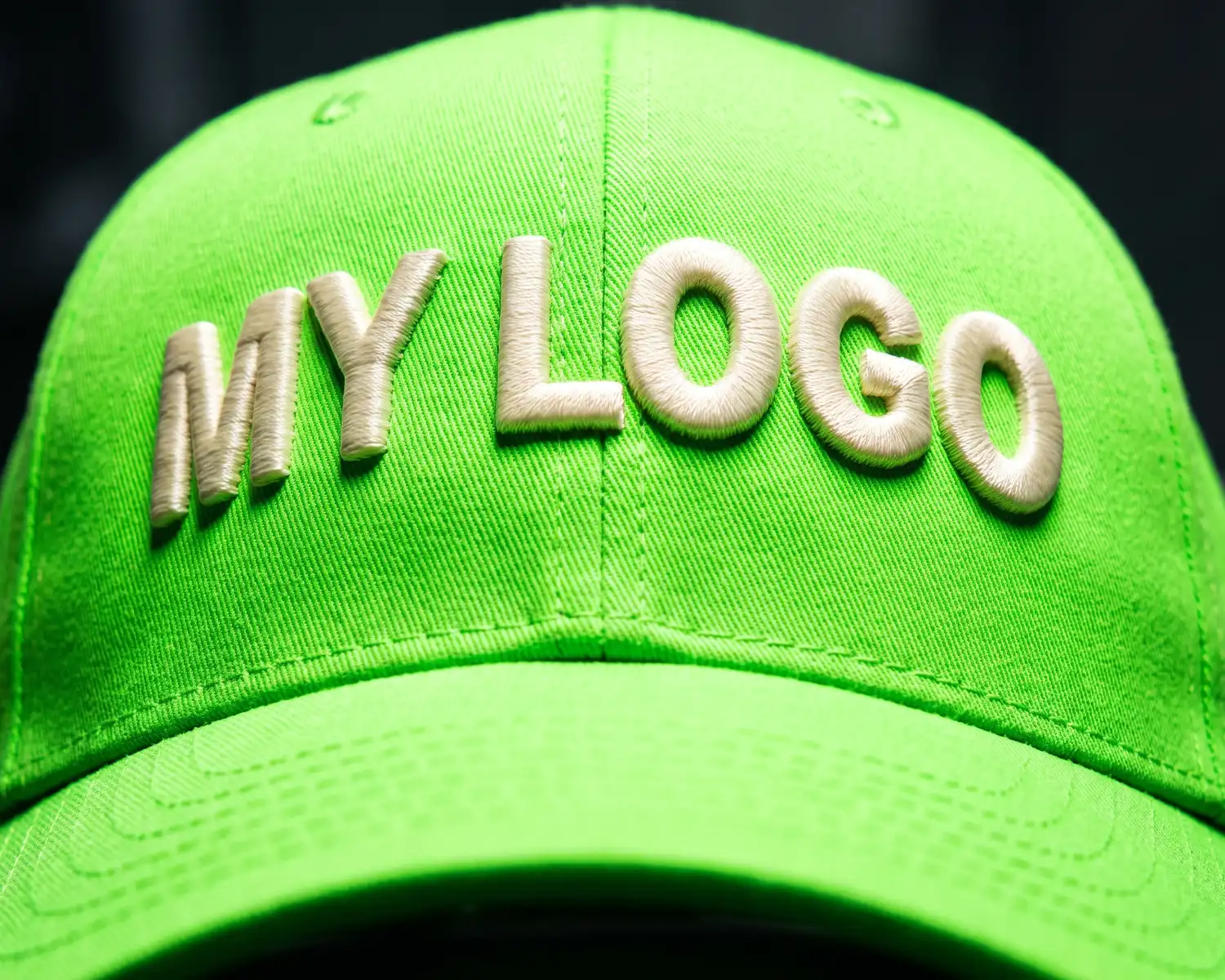
What logo format works for textile printing?
A JPG or a PNG isn't enough to print a logo on textile: here's the right format, and how to fix yours if it doesn't pass.
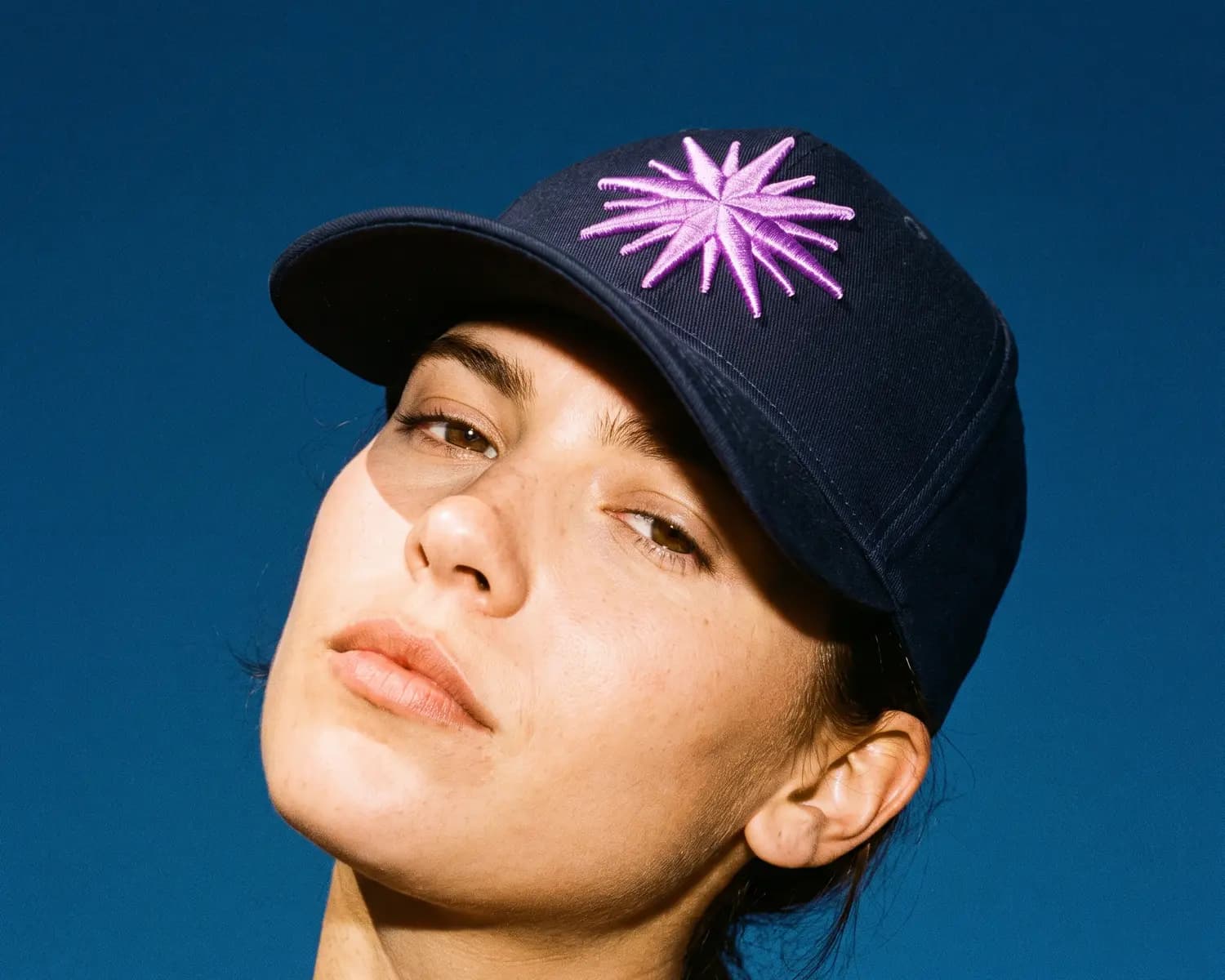
Garment embroidery: the volume pricing guide
Digitizing paid once, embroidery dropping with quantity: the cost mechanics of team embroidery, the 20-piece threshold, 3D embroidery, and where to check your prices.
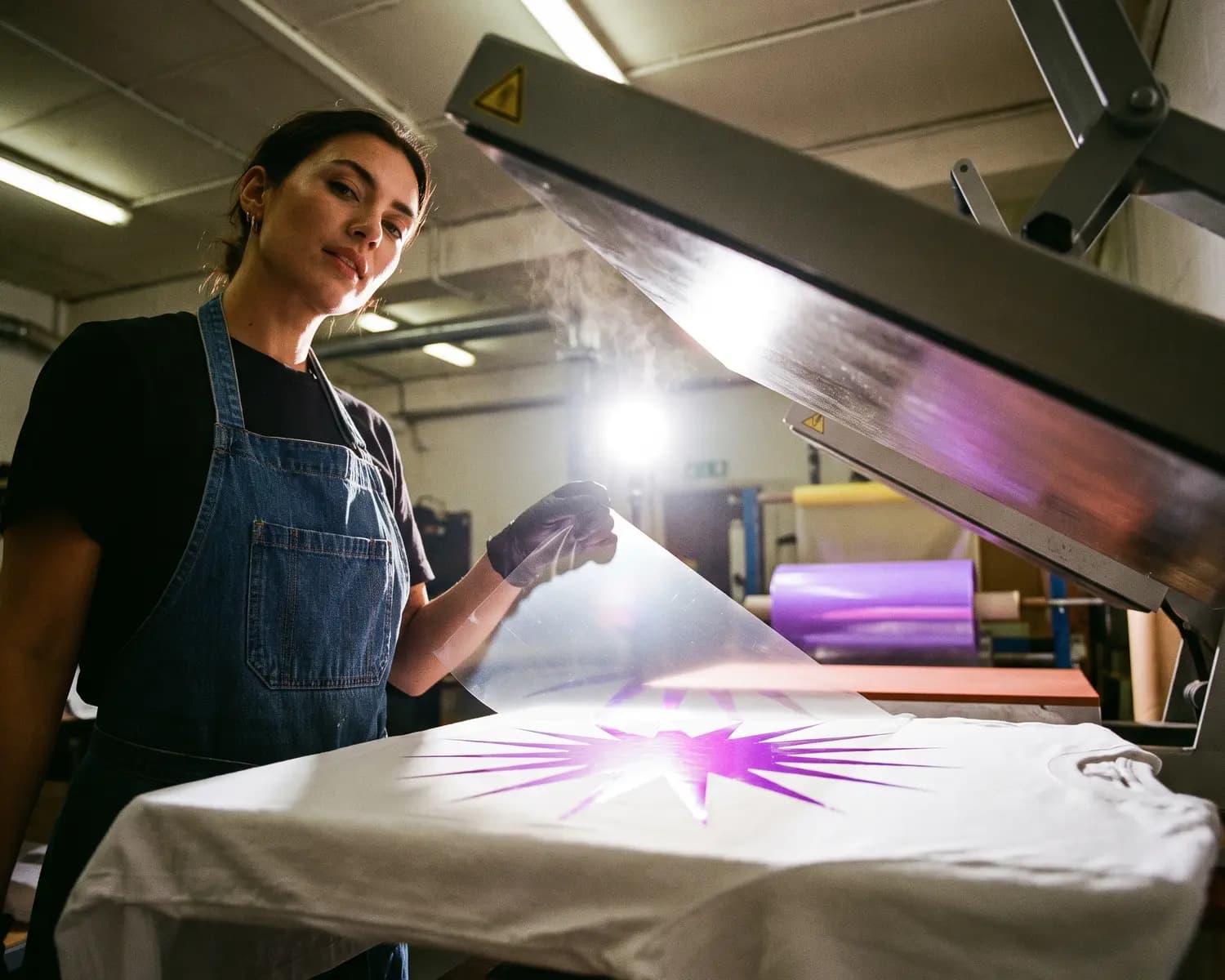
DTF printing: the project owner's guide to volume orders
DTF explained to the person who places the order: every color at no extra cost, almost every fabric, from a single piece, and the honest match against screen printing on your quote.
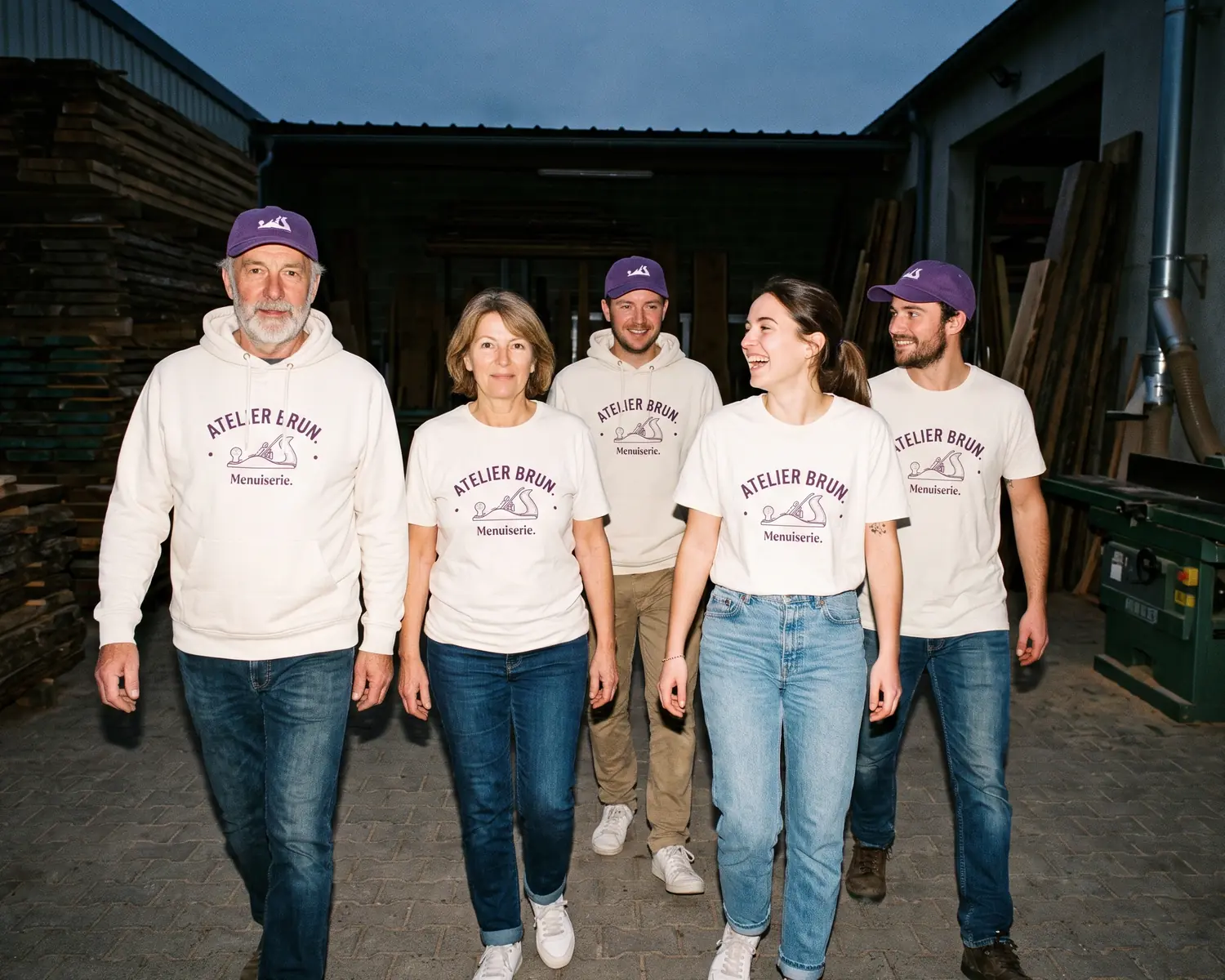
Textile MOQ: minimum order quantity, definition and pitfalls
What a minimum order quantity hides: per-model minimums, hidden fees, price breaks, and the real thresholds of custom textiles from 1 piece.
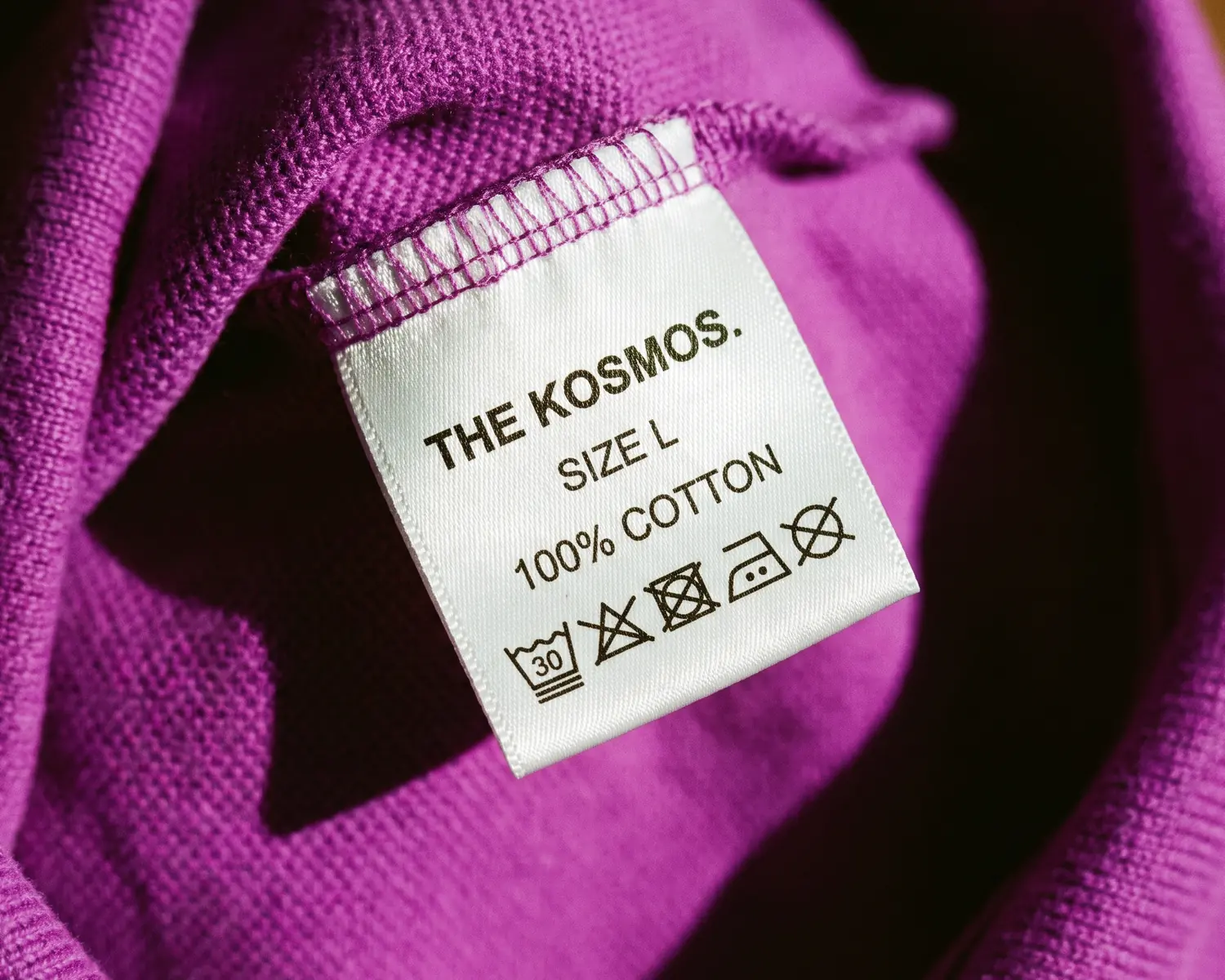
Laundry care symbols: the complete guide to textile labels
Washtub, triangle, square, iron, circle: the five families of care symbols decoded, plus the rules that make team clothing last.

Poplin, twill or oxford: which shirt fabric should you choose?
Smooth dressy poplin, soft twill, sturdy oxford: the comparison of the three shirt fabrics to outfit your team without mistakes.
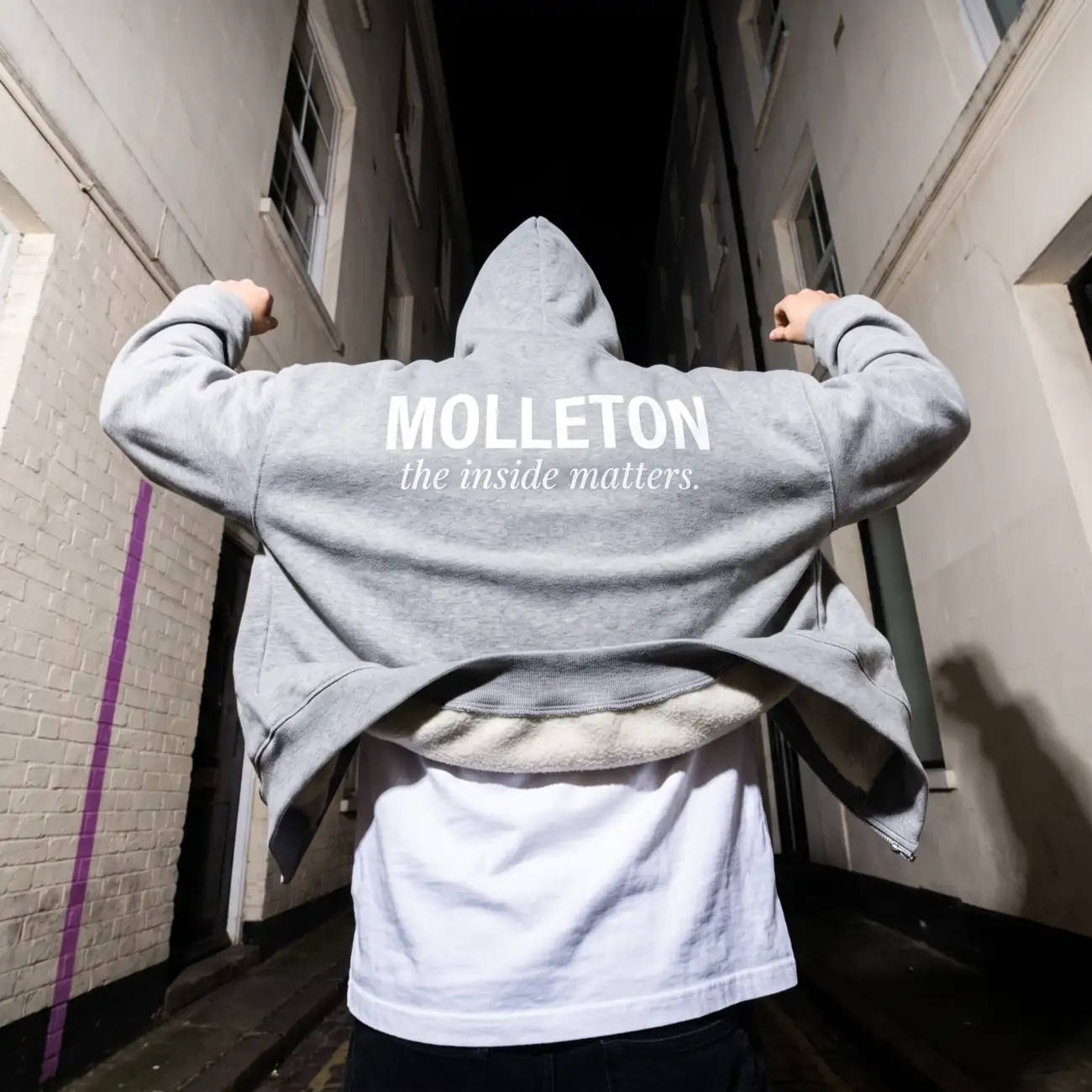
Fleece: french terry or brushed, what hides inside your sweatshirt?
Loops or fuzz? The inside of a sweatshirt decides half the purchase. The french terry versus brushed fleece match, decoded for your orders.
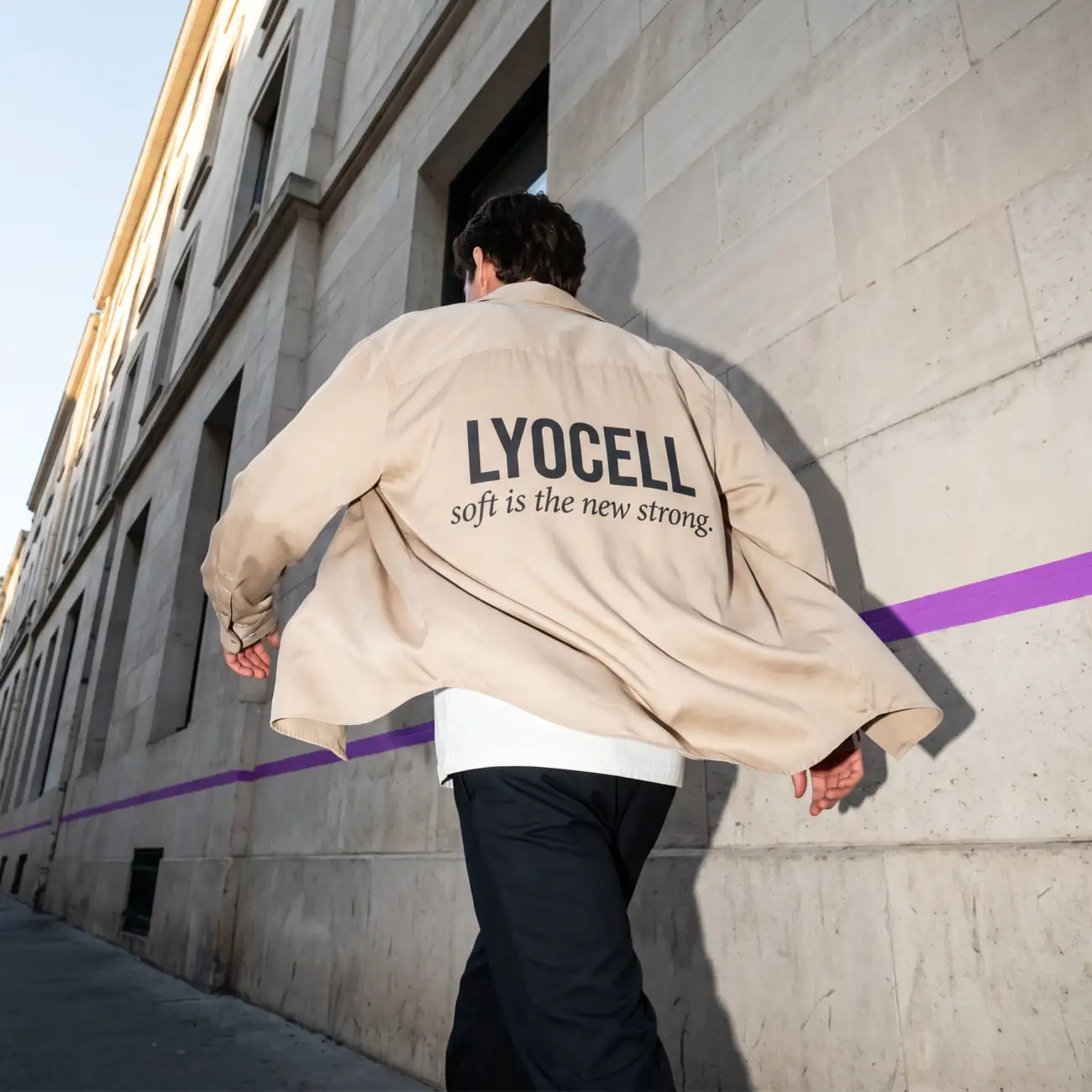
Lyocell (Tencel): the new-generation fiber decoded
Tencel is the brand, lyocell the fiber: the one that fixes viscose, facing cotton. Softness, wash resistance, and the verdict on its price.
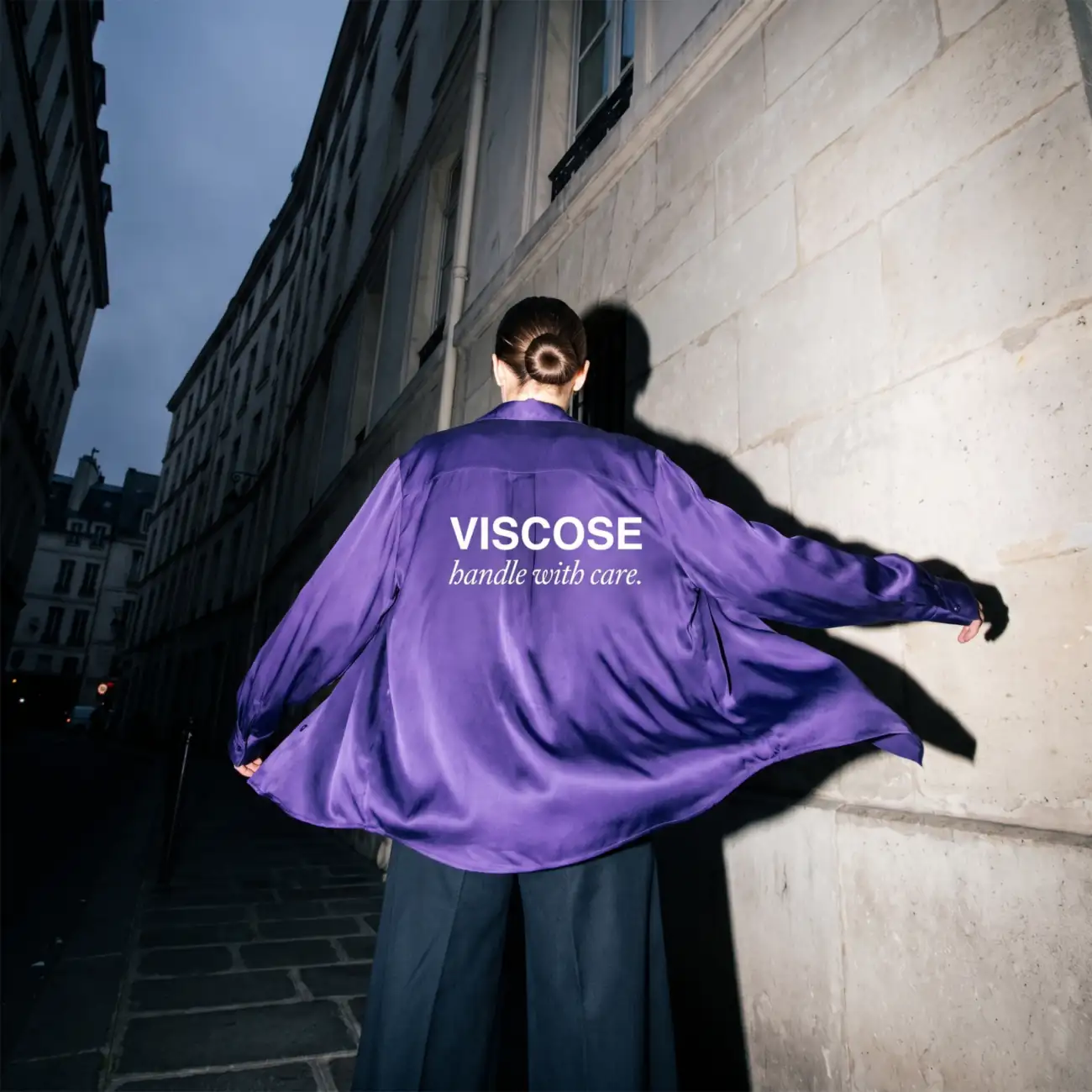
Viscose: the textile fiber decoded, strengths and limits
Neither natural nor synthetic: the honest viscose factsheet. Drape and softness on one side, wash fragility on the other: your call.
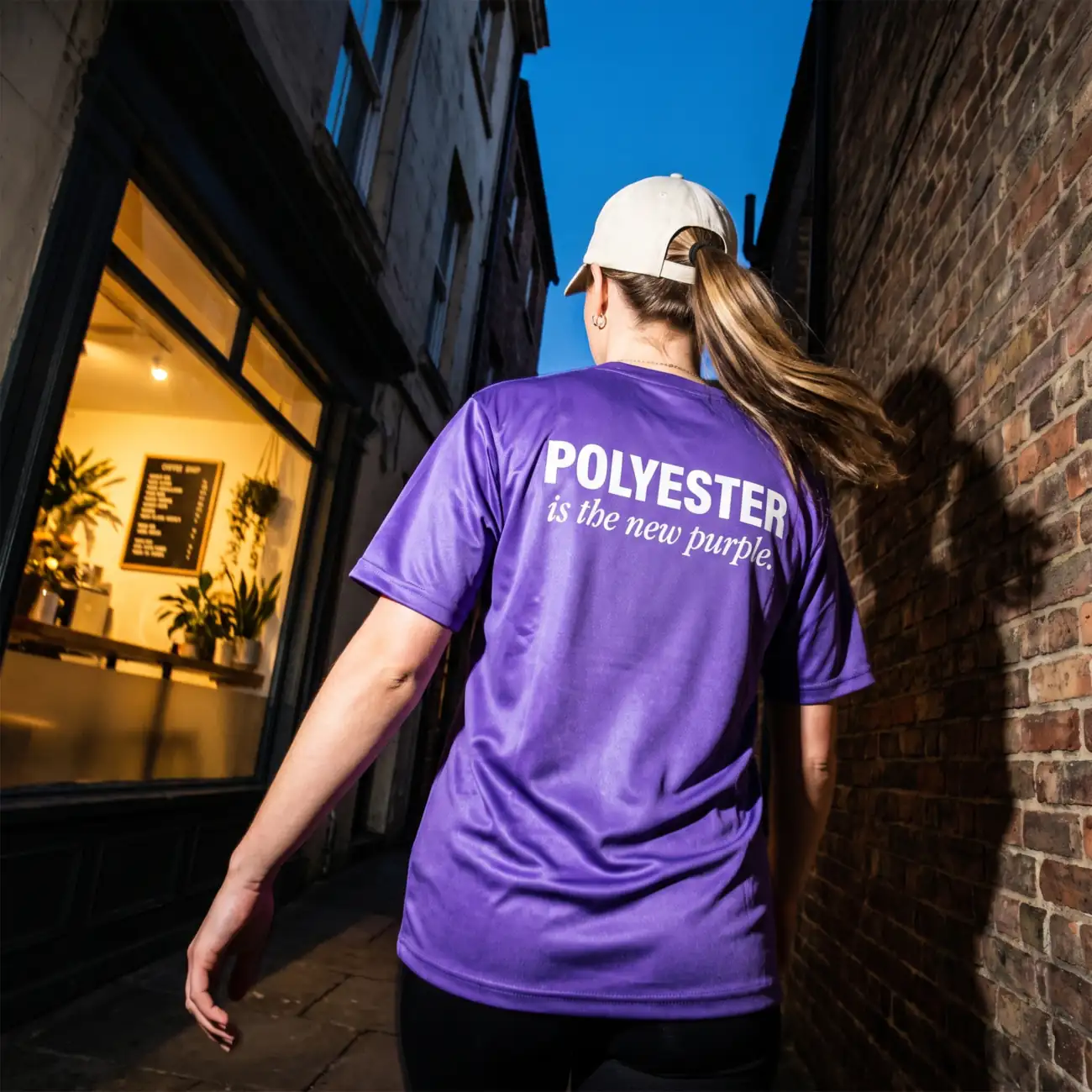
Polyester: pros, cons and uses for volume orders
Wash resistance, stable colors, controlled budget: the polyester guide for volume buyers, poly-cotton blends and printing included.
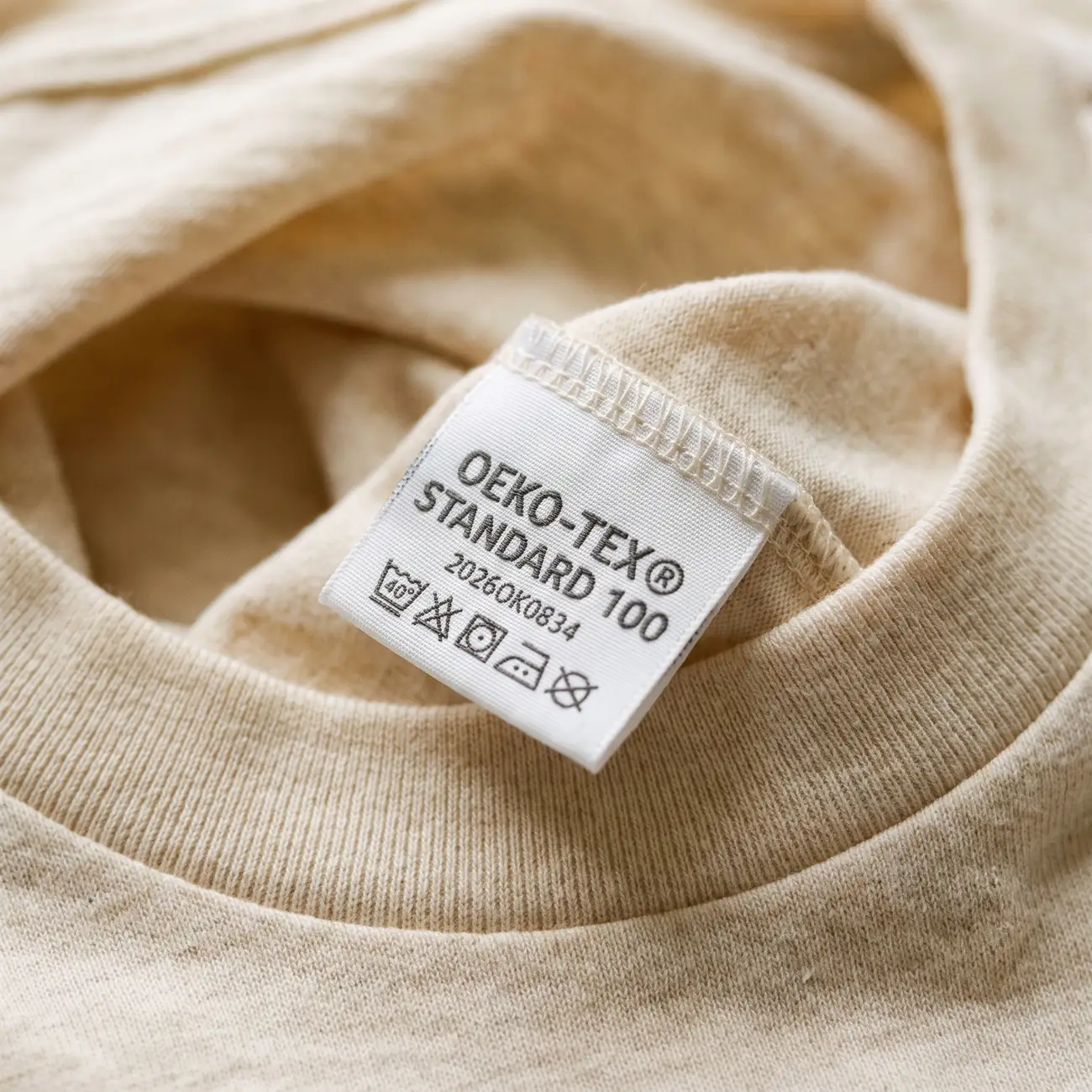
Oeko-Tex Standard 100: what the label really guarantees
The Oeko-Tex Standard 100 label explained to the professional buyer: what it guarantees, what it does not, and how to verify a certificate before ordering.
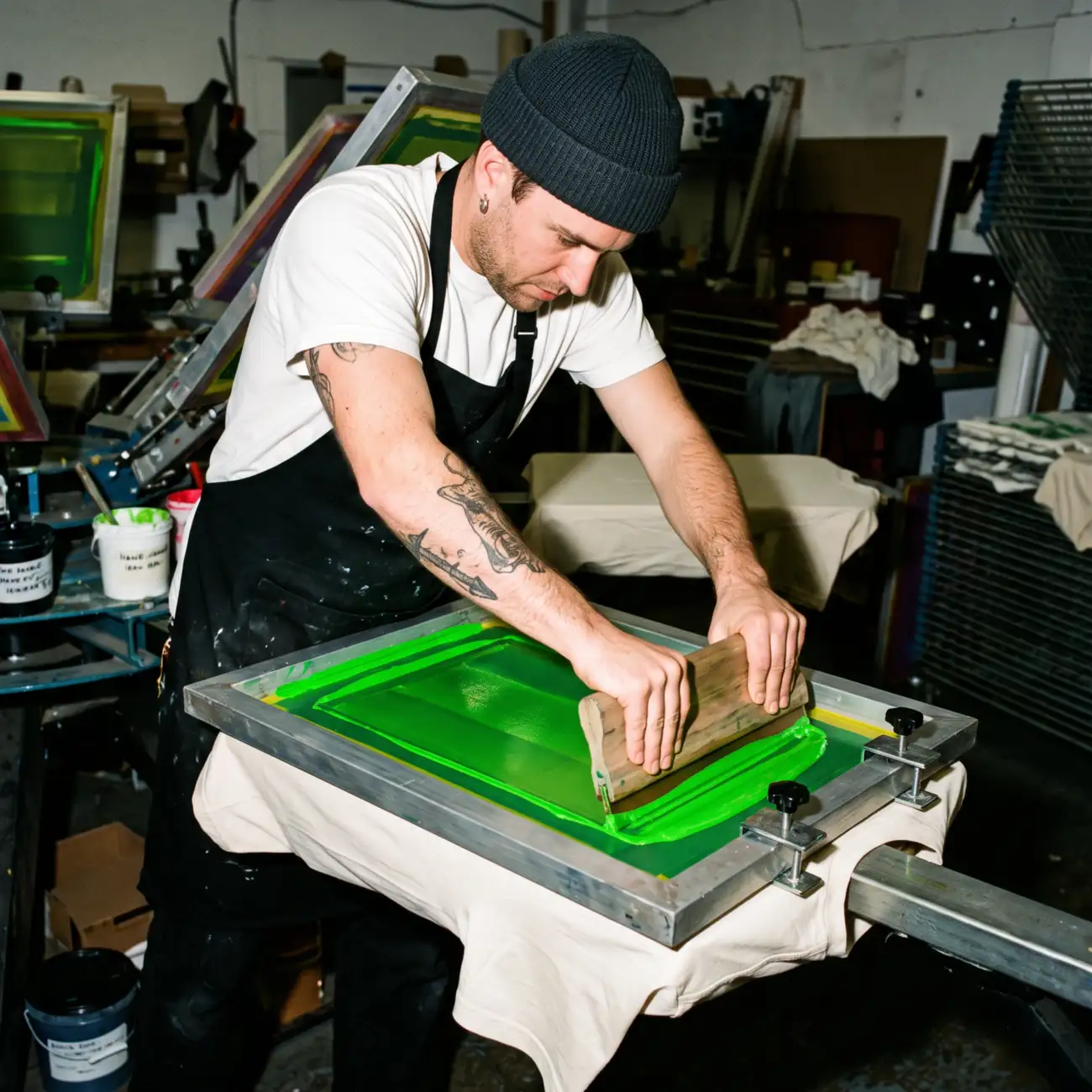
T-shirt screen printing: how does it work and what does it cost?
One color = one screen: the economics of screen printing explained by a pro, our prices by quantity, its strengths in large runs and its limits.
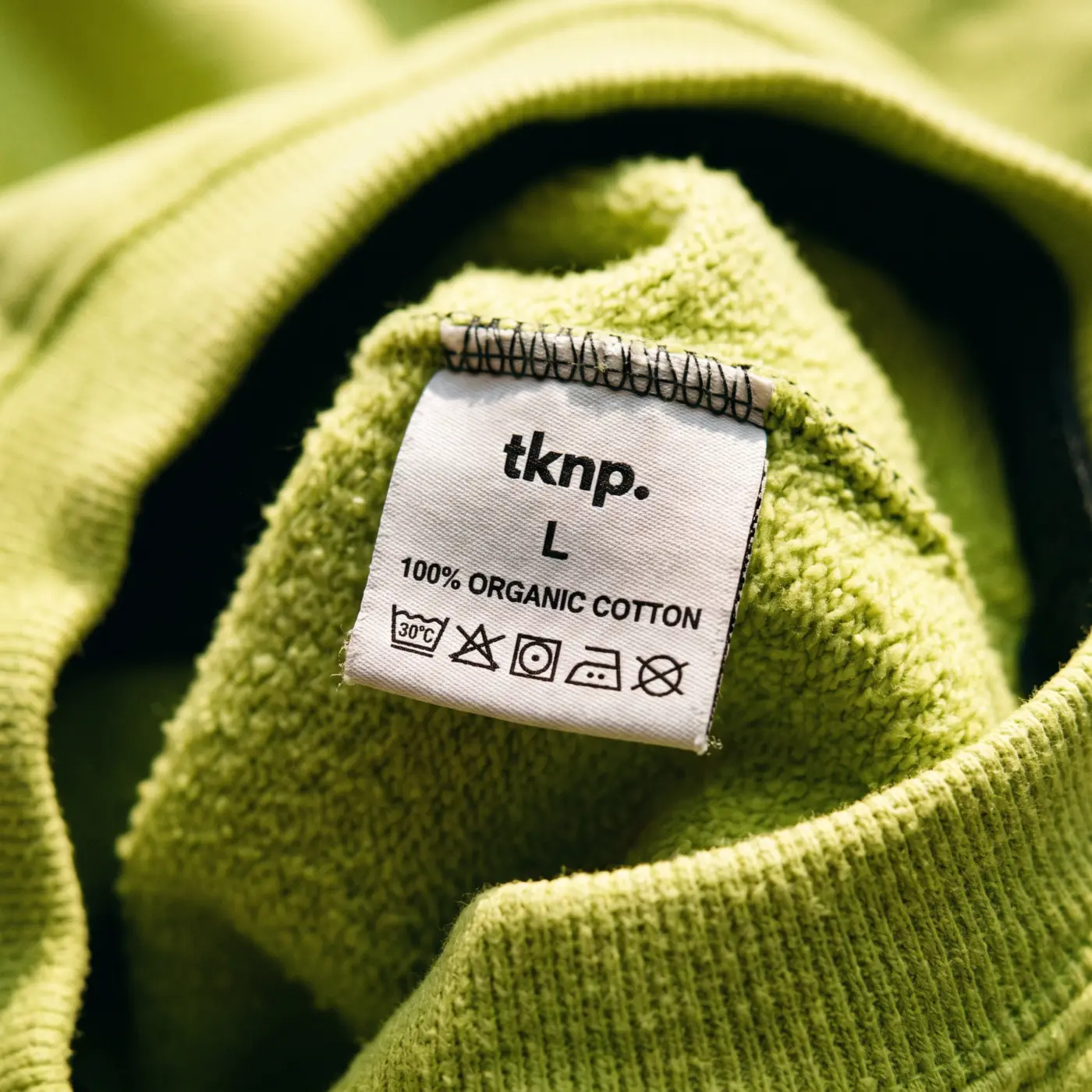
Composition label: what must it show, and how do you read it?
Mandatory in Europe, the composition label lists the fibers by percentage: what it must show, how to read it, and what it does not say.
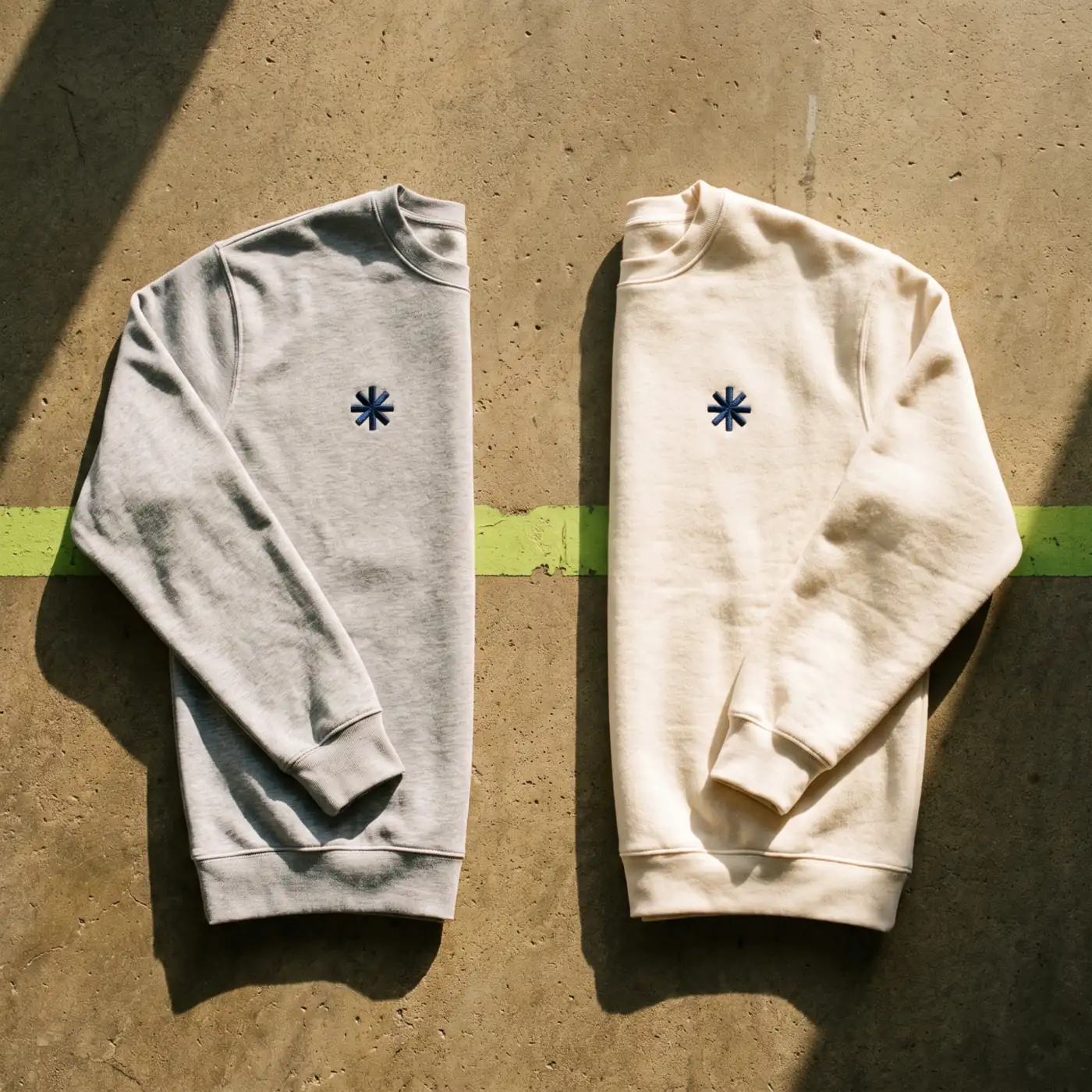
Stanley/Stella or Gildan: the price-quality match
Stanley/Stella or Gildan for your custom sweatshirts? We compare the reliable basic and the organic premium, with our prices, and three questions are enough to decide.