Resources for buying custom clothing.
Guides, materials and techniques, labels and compliance, sectors, pricing, style, stories and seasonal: everything to know before ordering for your teams.
Polyamide (nylon): what is it?
The nylon in your windbreaker and the polyamide in your cap are the same fibre. Here is what it brings to team merch, which decoration suits it and how to wash it without damaging it.
Custom T-shirts for a class or a school
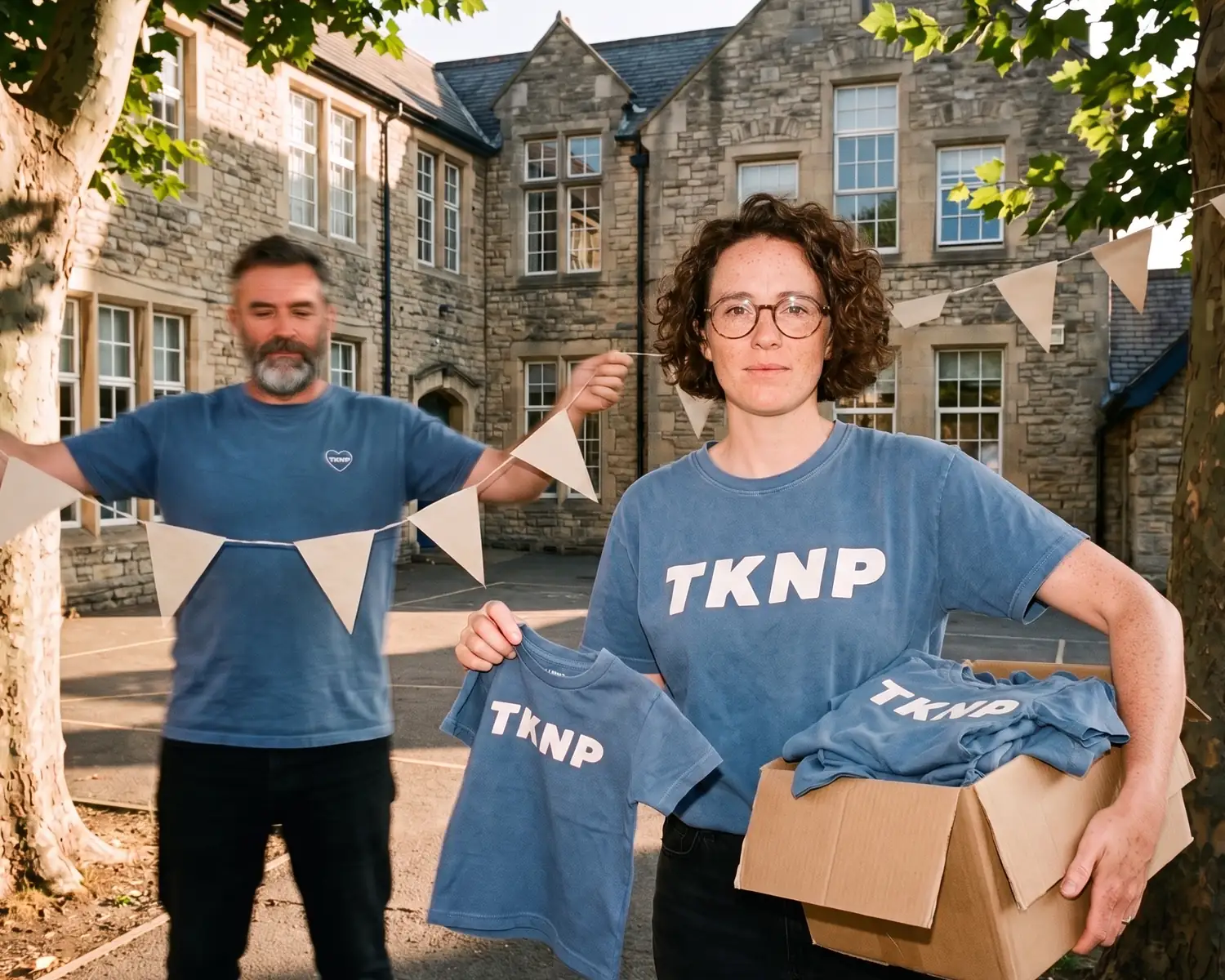
Getting ready for the school fair, a trip or the end-of-year party? We explain who orders the class T-shirts, how to collect the children's sizes, what it costs and when to start.
Why do clothes shrink in the wash, and how can you prevent it?
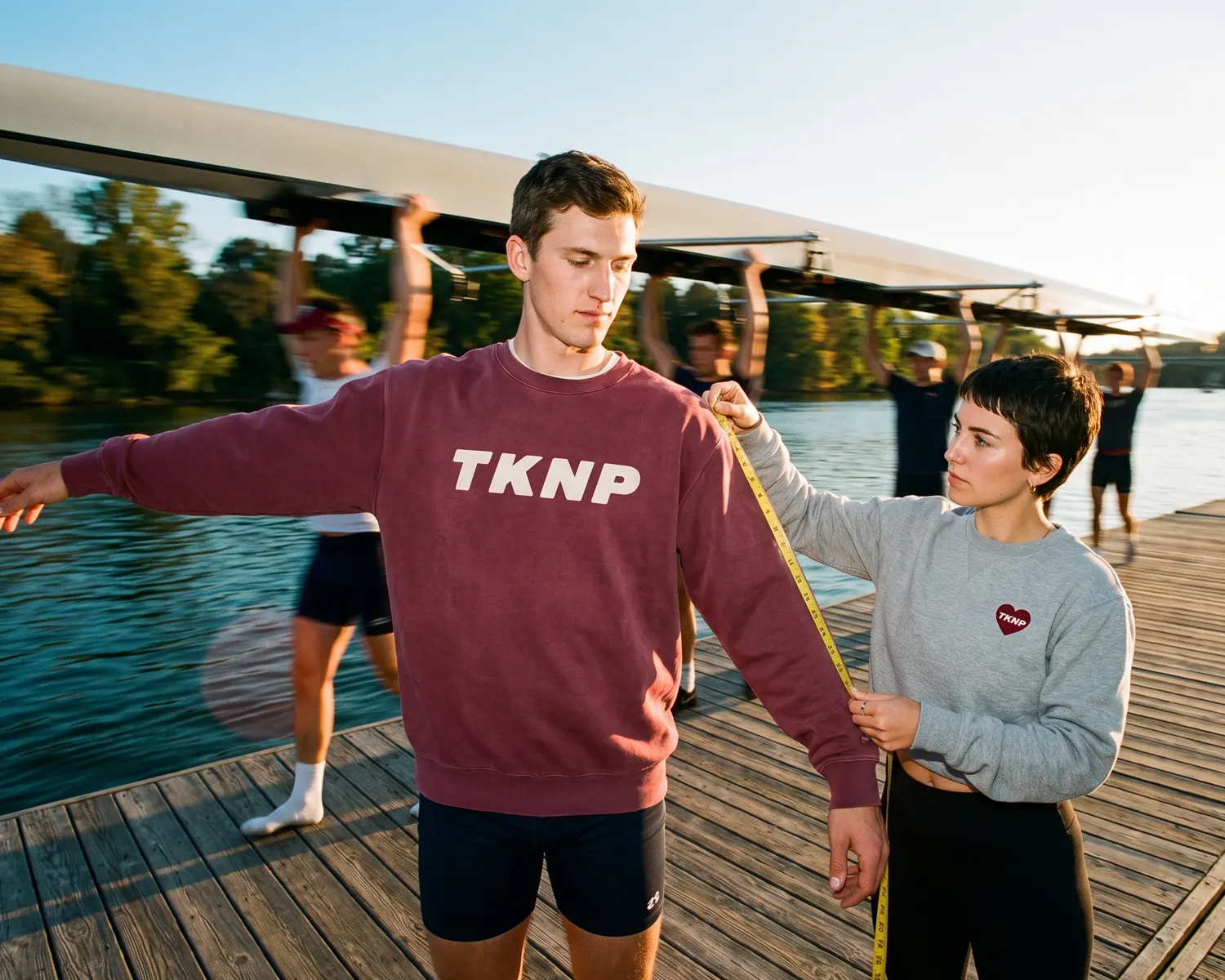
Ordering clothes for a team, a club or a brand and don't want to see them shrink? Here is why clothes shrink, which materials move the most and the drying habit that changes everything.
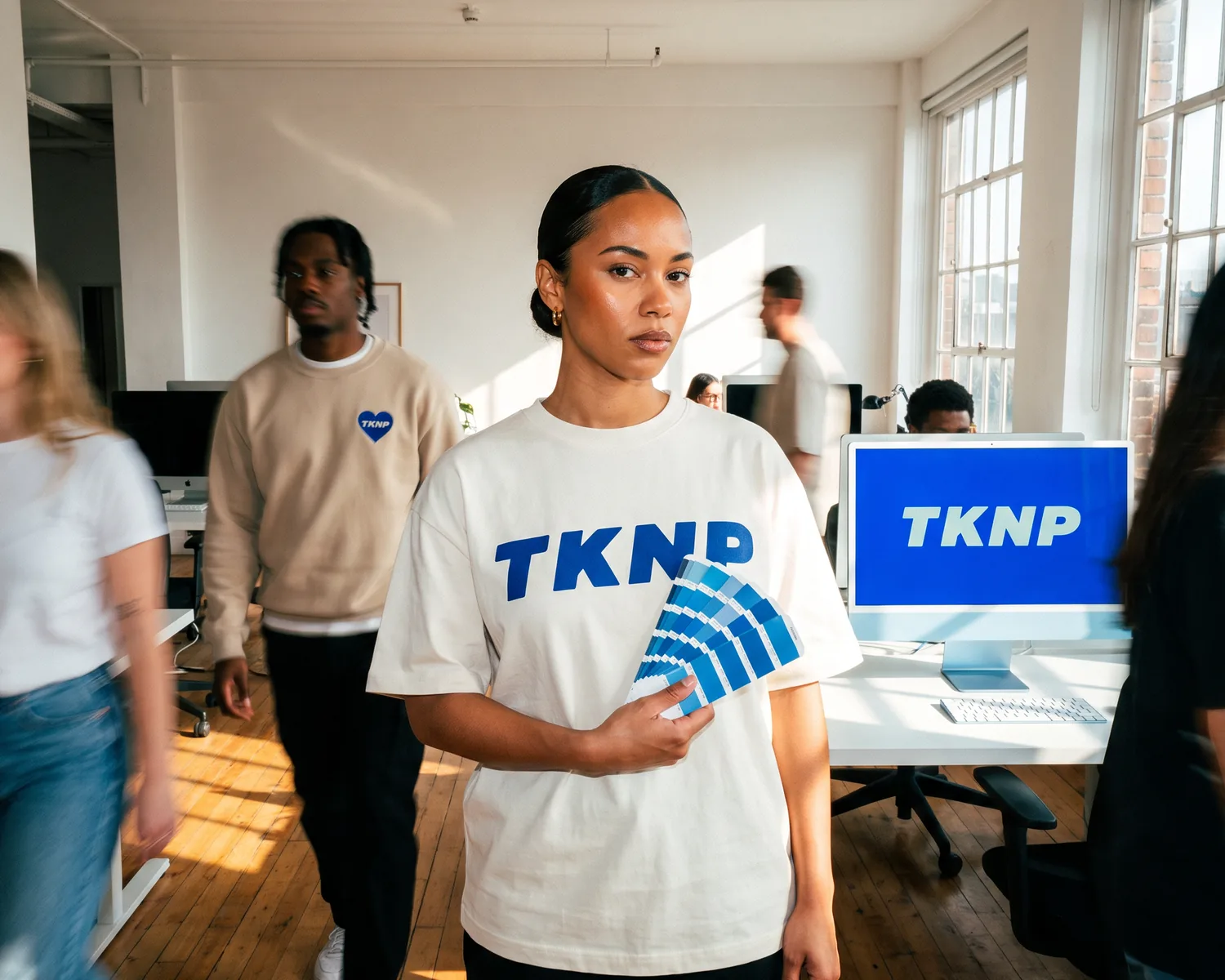
Printed color that doesn't match the screen: how to avoid it?
Your logo's printed color does not look the way it did on screen? Here is why, and how to keep your brand color on your t-shirts and sweatshirts: the reference to give, the technique to choose and what the proof can really show.
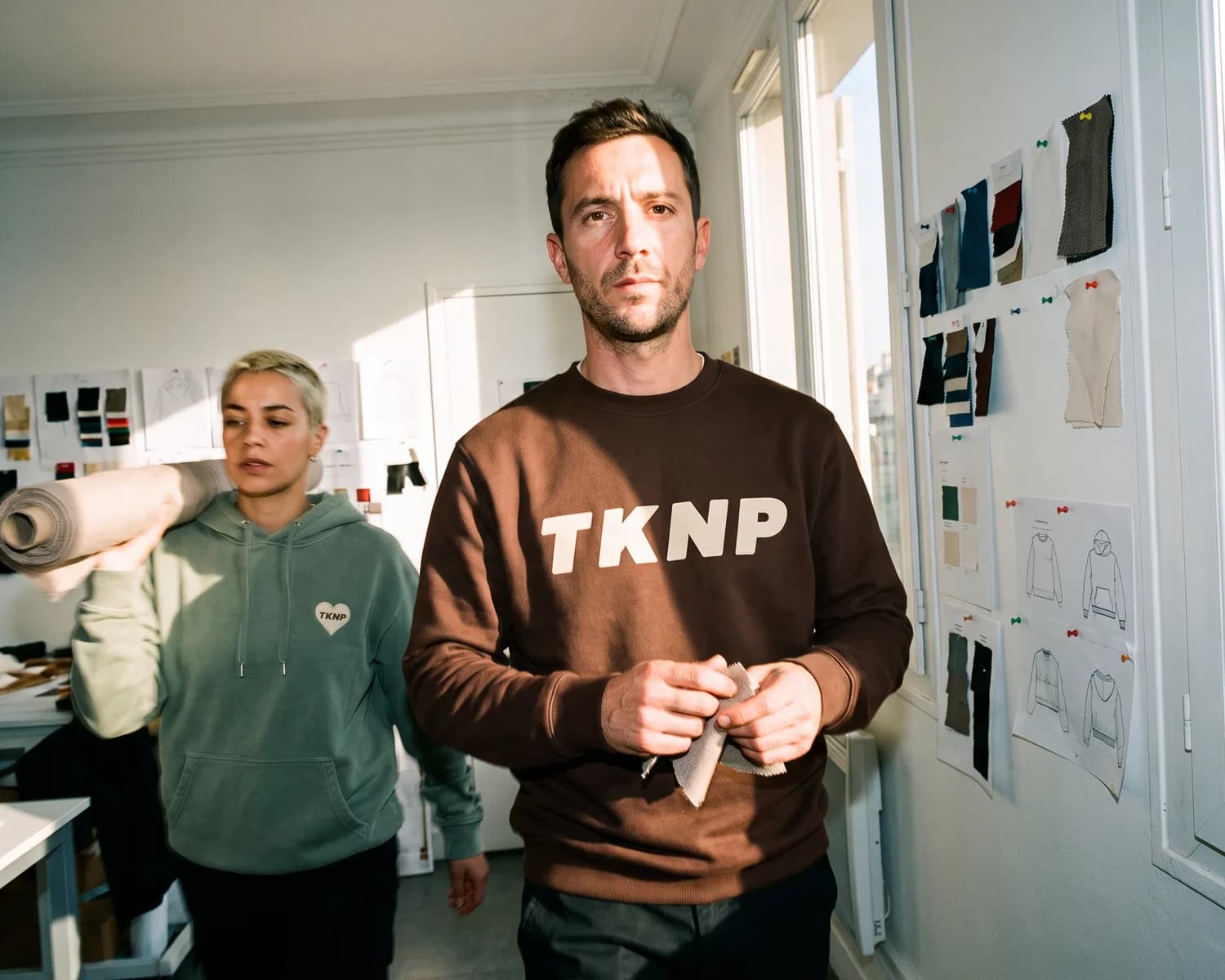
Textile spec sheet: how do you read it, line by line?
Comparing garments to customise and lost in the product pages? We read a t-shirt, a hoodie and a polo with you: what each line says, what a label covers, and what the price at the top of the page really means.
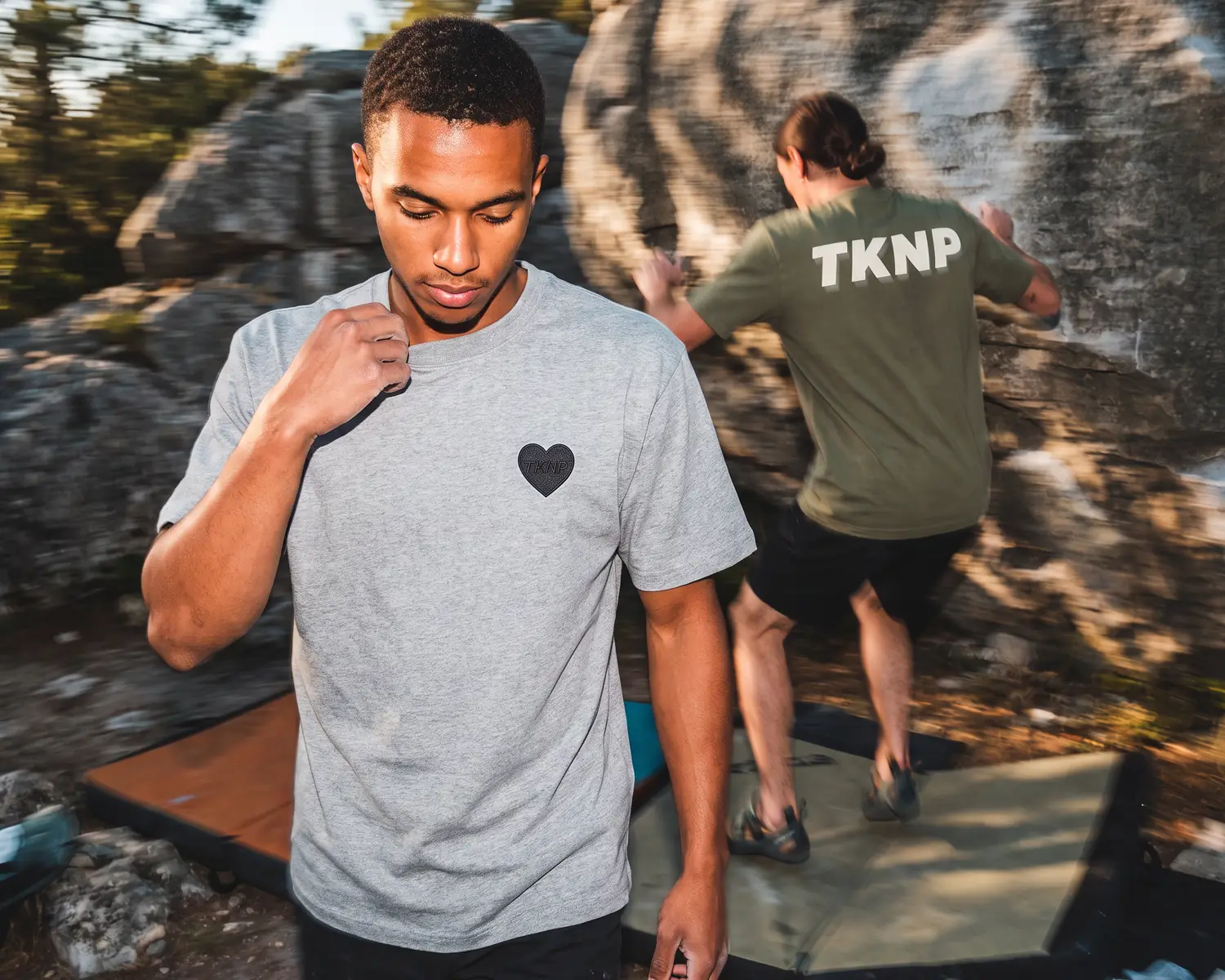
Stretched-out t-shirt collar: what makes a collar last
Ordering t-shirts for your team and want a collar that still looks sharp wash after wash? Here is why a collar stretches out, the details that make it last and how to spot them on a product page before you order.
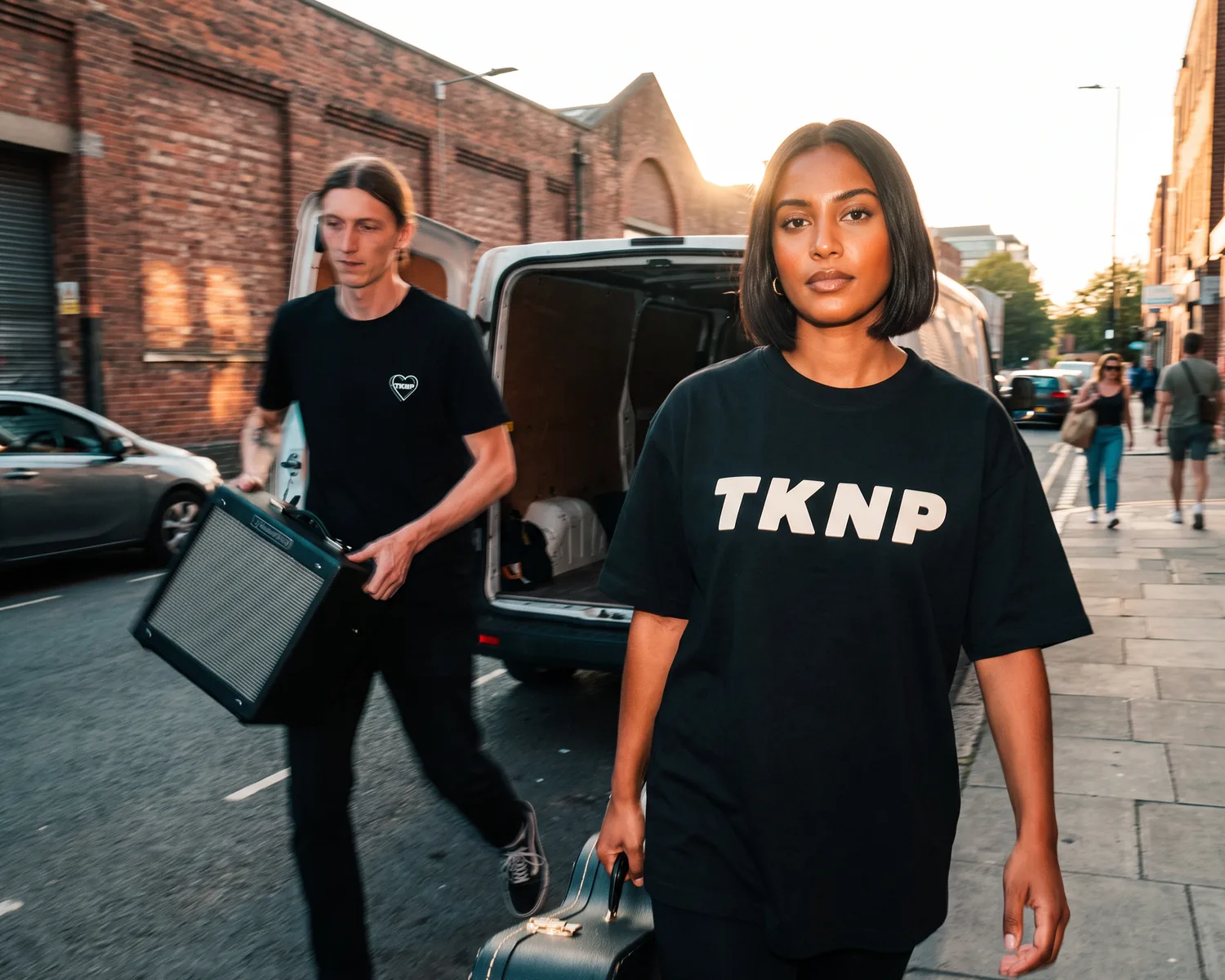
Which printing method for a black t-shirt?
Getting your logo printed on black t-shirts? We tell you which method to pick for your logo, why navy and burgundy get lost on black, and how to prepare a light version of it.
Custom T-shirt volume pricing: how does it work?
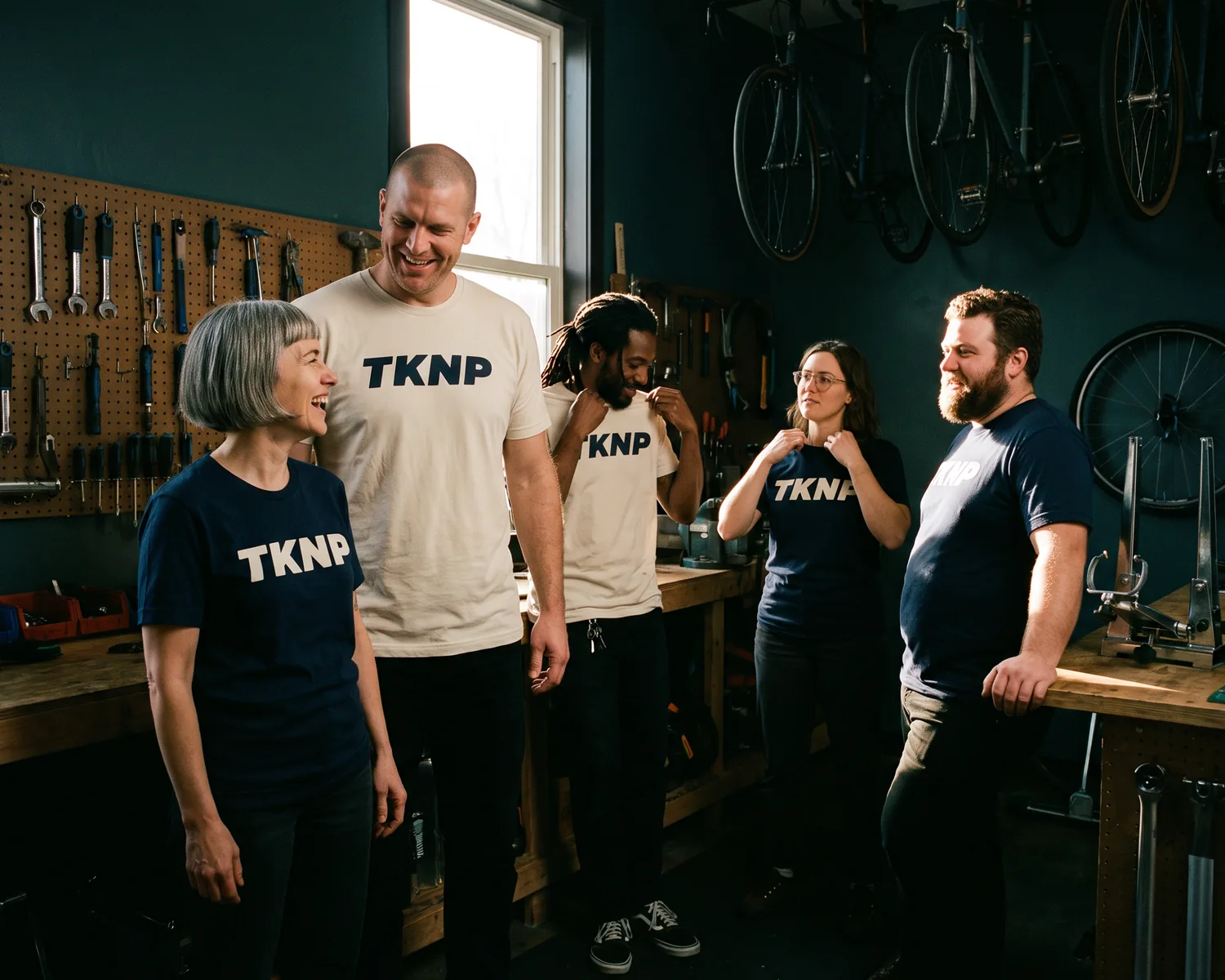
Torn between 25 and 50 T-shirts for your club or team? Here is how our prices drop at each quantity break, and when going up to the next break costs less in total.
Custom clothing production time: how long does it take?
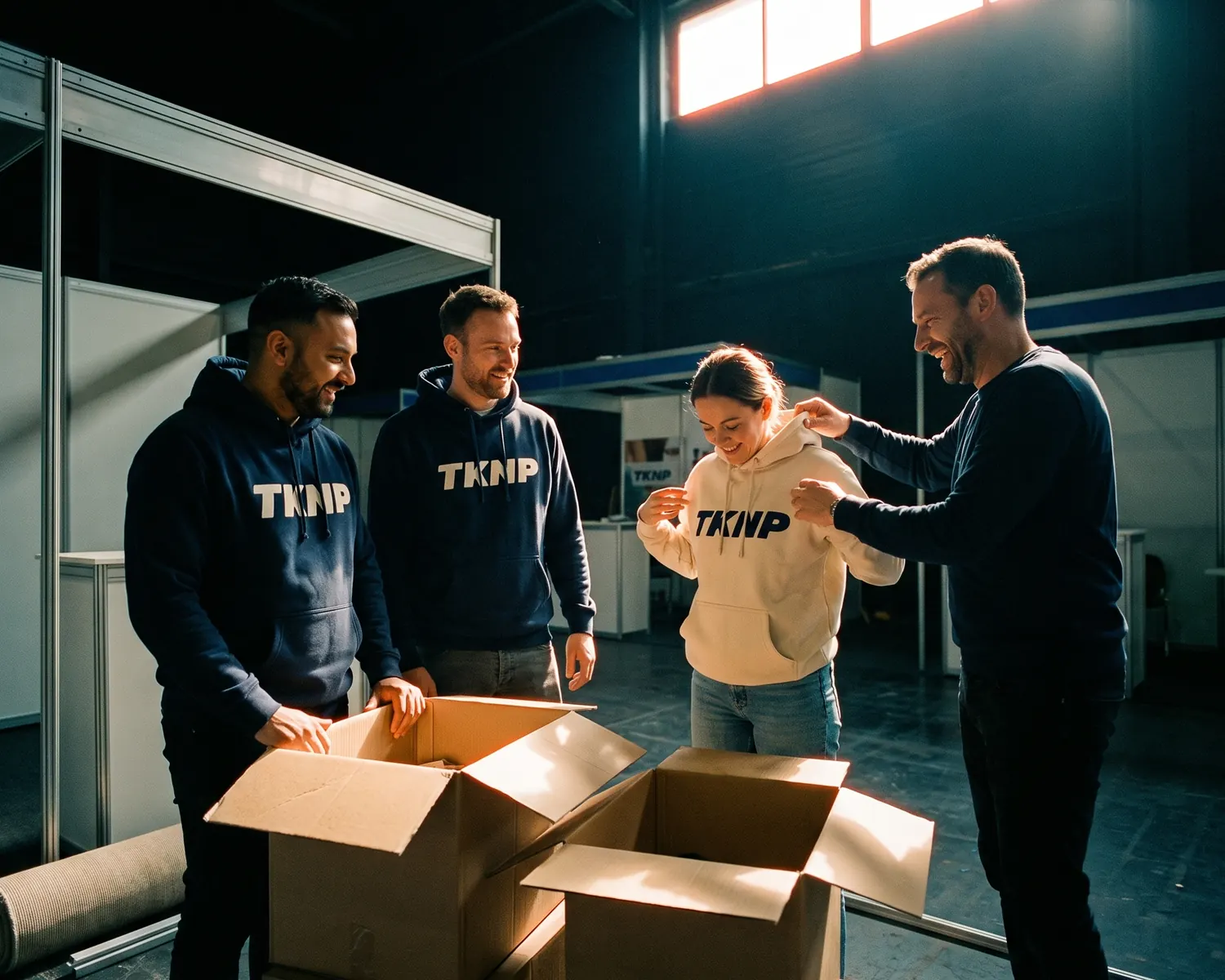
Getting ready for a trade show, a tournament or a new season with a fixed date? Here is how long your custom clothing takes to make, what a shorter lead time costs and when to order to be delivered on time.
How to wash a vinyl or printed t-shirt without damaging it
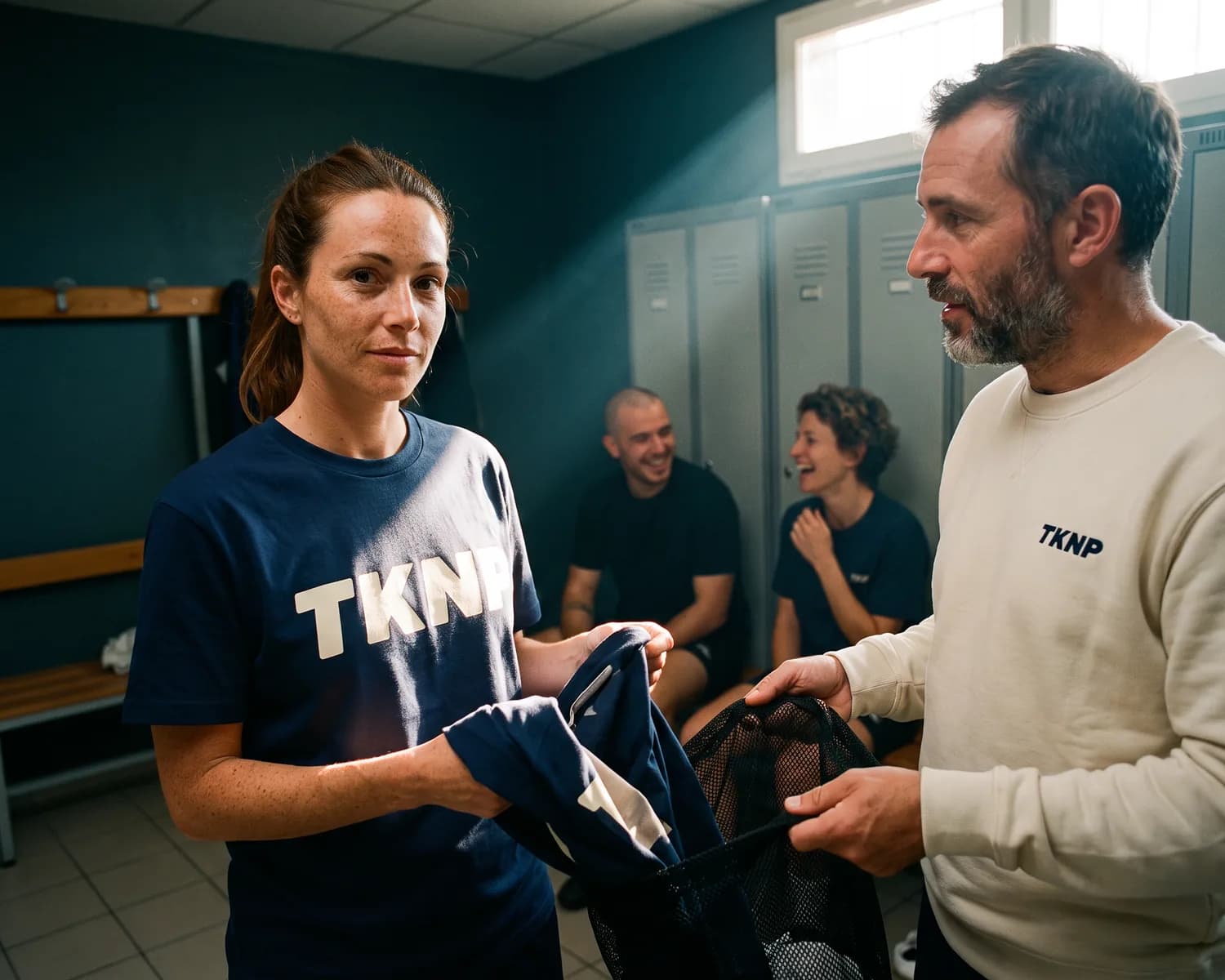
Got vinyl or printed t-shirts for your club or team? Start by working out how they were really decorated: you will know how to wash them to keep the logo sharp, and what to choose so it lasts even longer next time.
Sports club grants in France: how to fund the kit?
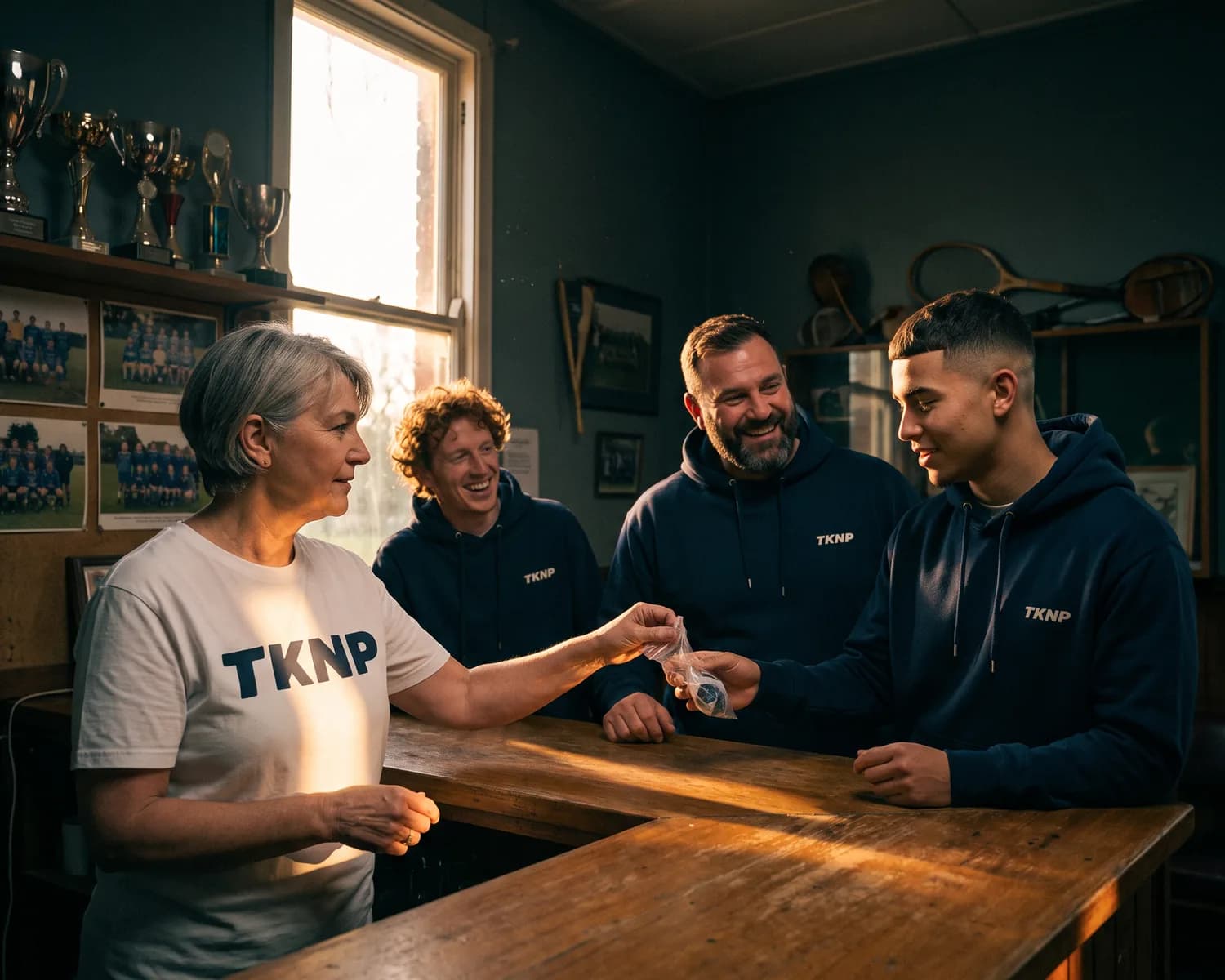
Want to kit out your club without emptying the bank account? Here are the French grants to apply for, what they really pay for, what kit costs for 25 members, and the pre-order that funds the rest.
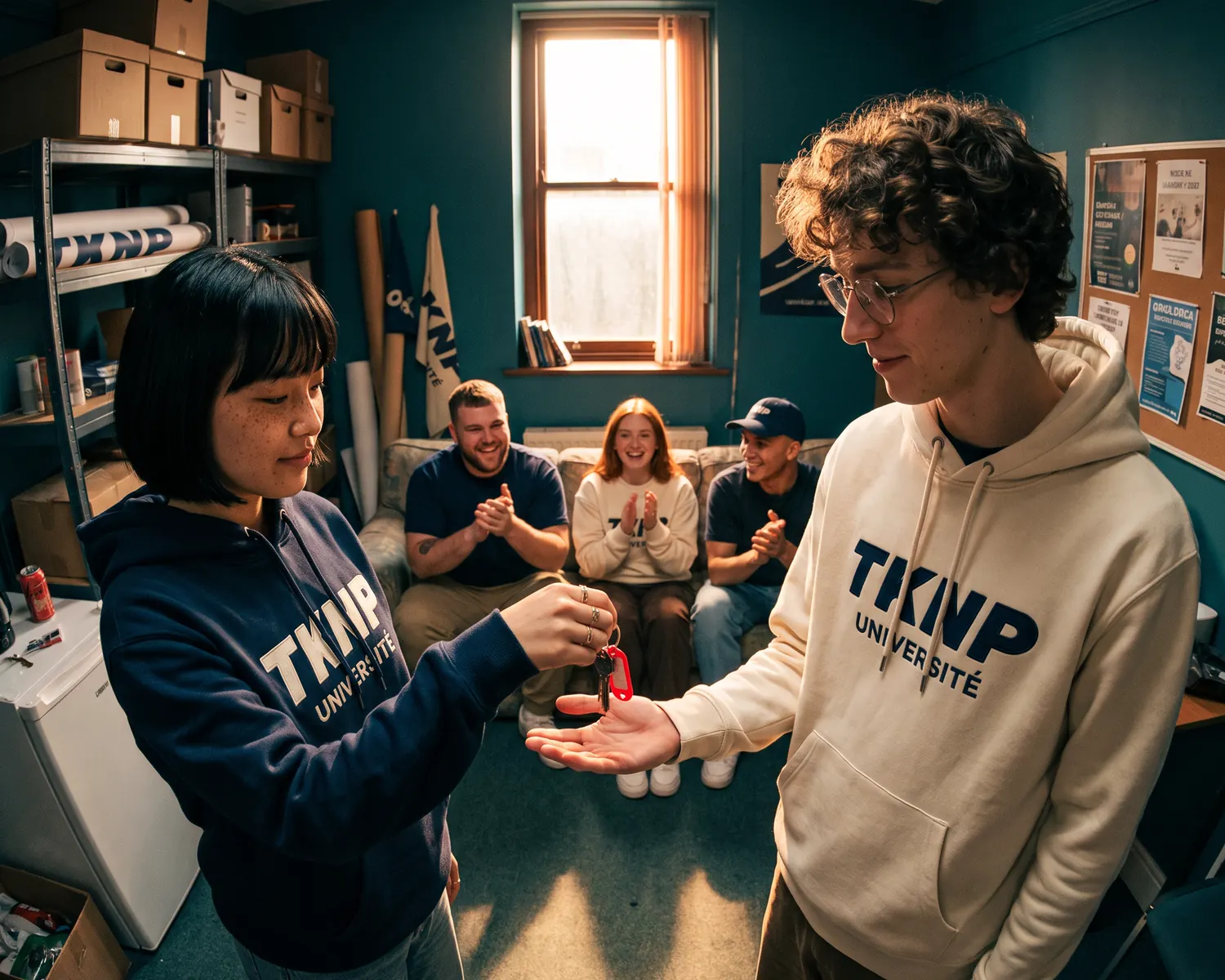
Student union handover: pass the baton without starting over
Is your student union changing its committee? This guide tells you what to declare under French law within 3 months, what to hand over and how to pass on last year's merch without redesigning it.
PETA-Approved Vegan: what does this label guarantee on clothing?
Looking for garments with no wool, silk or leather for your merch? What the PETA-Approved Vegan label really guarantees, what it does not check, whether you can reuse its logo, and the models in our catalogue whose product page carries the PETA Vegan mention.
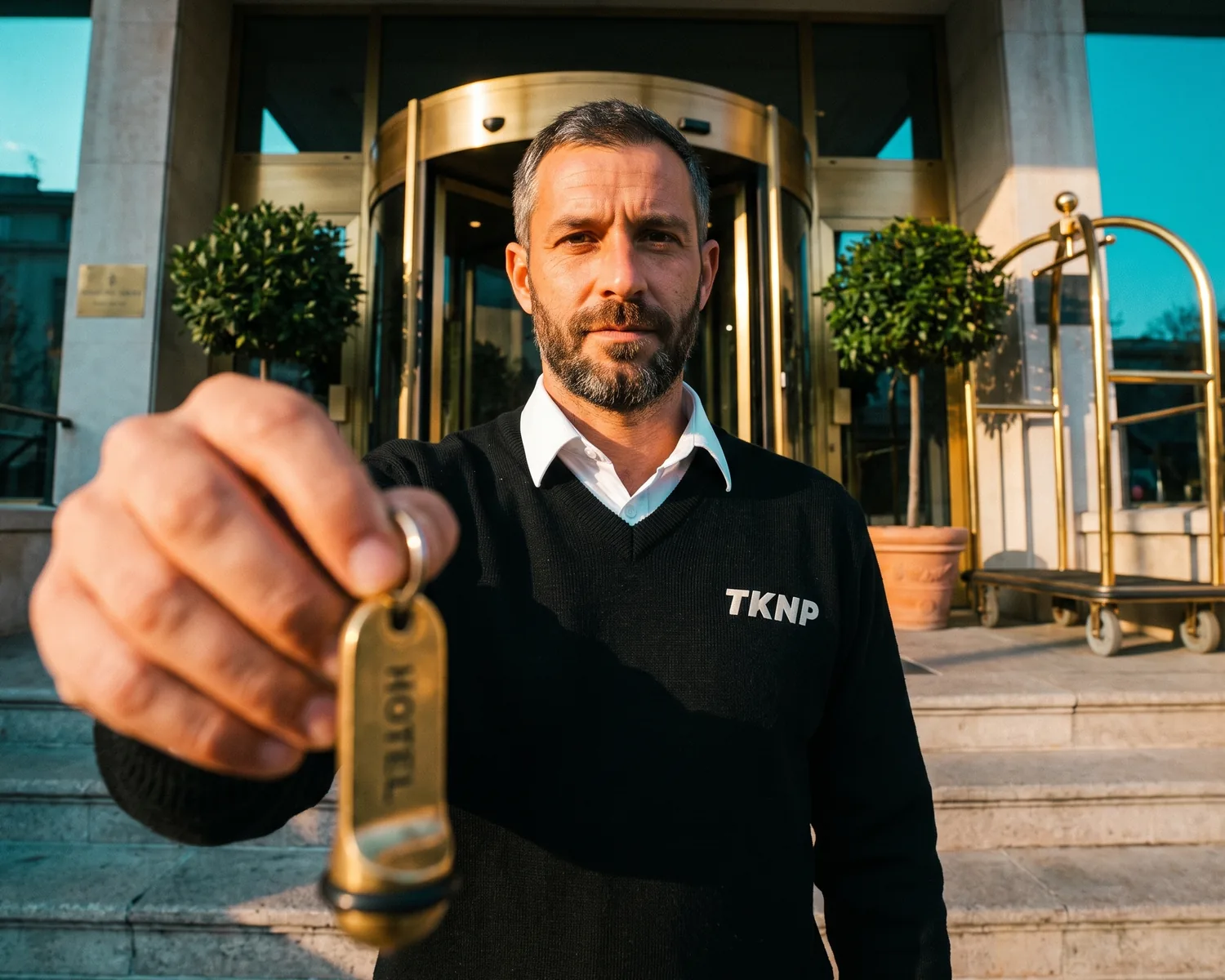
Hotel receptionist uniform: how should you dress your team?
Dressing the front desk of a hotel or a campsite? The right garments for your hotel's category and the season, in women's and men's cuts, the embroidered logo and our real prices.
Synthetic fibre: definition, examples and customisation
You see polyester or polyamide on a product page and wonder what it changes? What a synthetic fibre is, how it differs from cotton or viscose, and which decoration to choose on a sports t-shirt, a puffer jacket or a beanie.
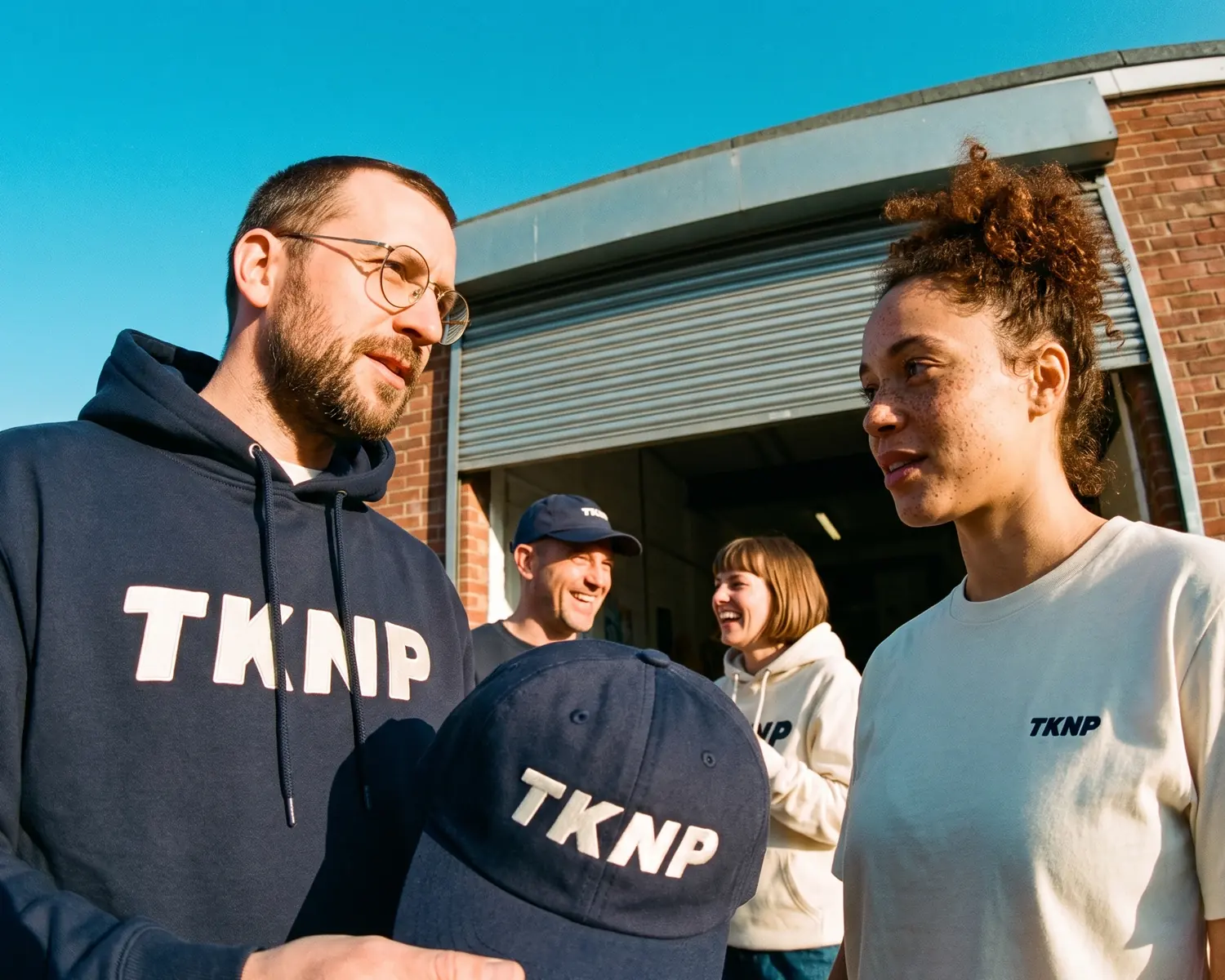
Startup merch: which first kit, and at what price?
Getting your startup's first merch ready? The t-shirt, hoodie and cap kit, its price for a small team, and how to sell it to your users without buying stock.
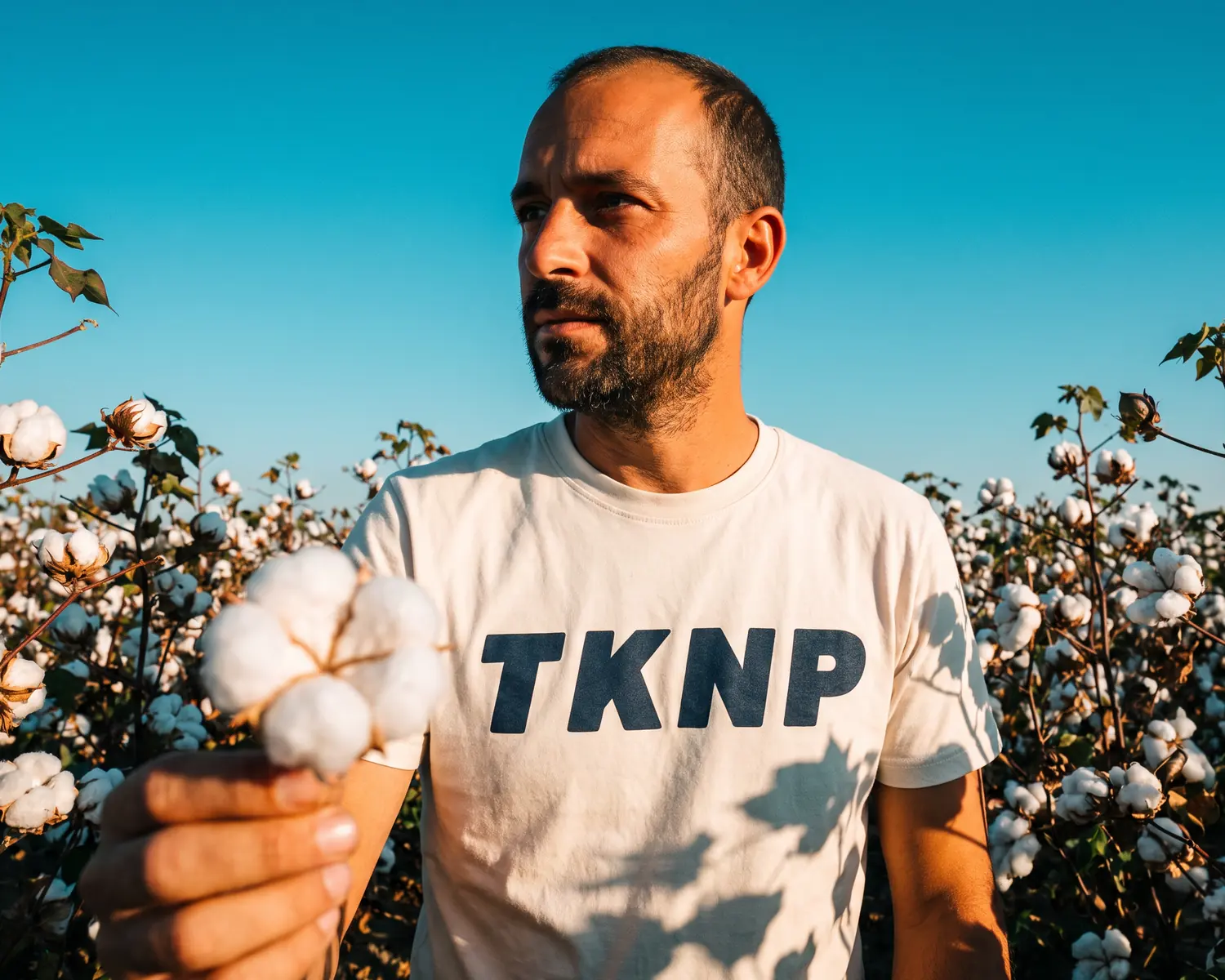
Organic Content Standard: what does the OCS label guarantee?
Spotted 'OCS' on the product page of an organic cotton t-shirt? This label proves the presence of organic fibres, not how the fabric was dyed or the working conditions: here is how to verify it, and the models to customise whose product page shows it.
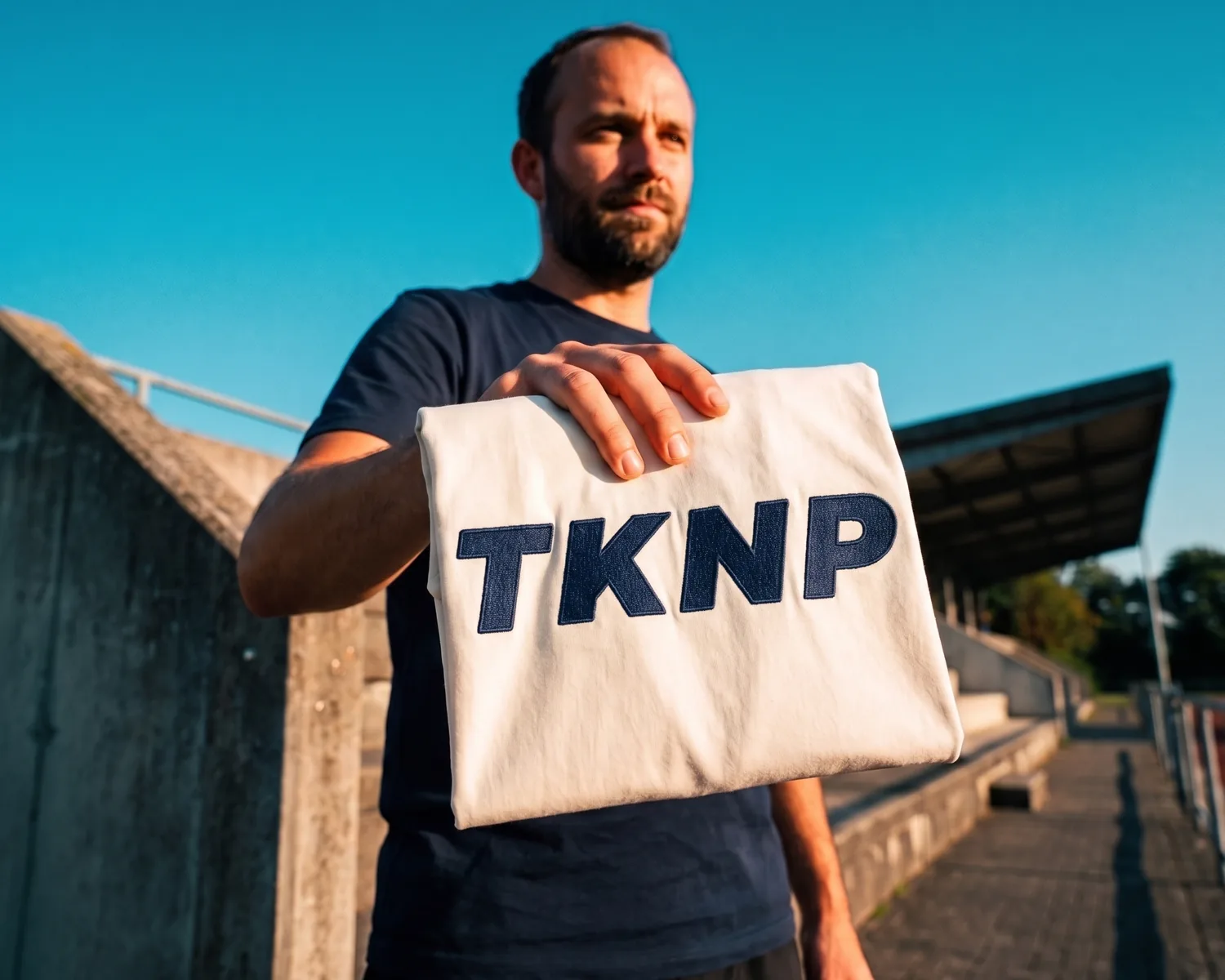
Custom embroidered t-shirts for associations: prices for 10 to 50
How much do t-shirts embroidered with your association's logo cost? The budget by number of members, from 10 t-shirts, when embroidery is worth it, and how each member pays for their own.
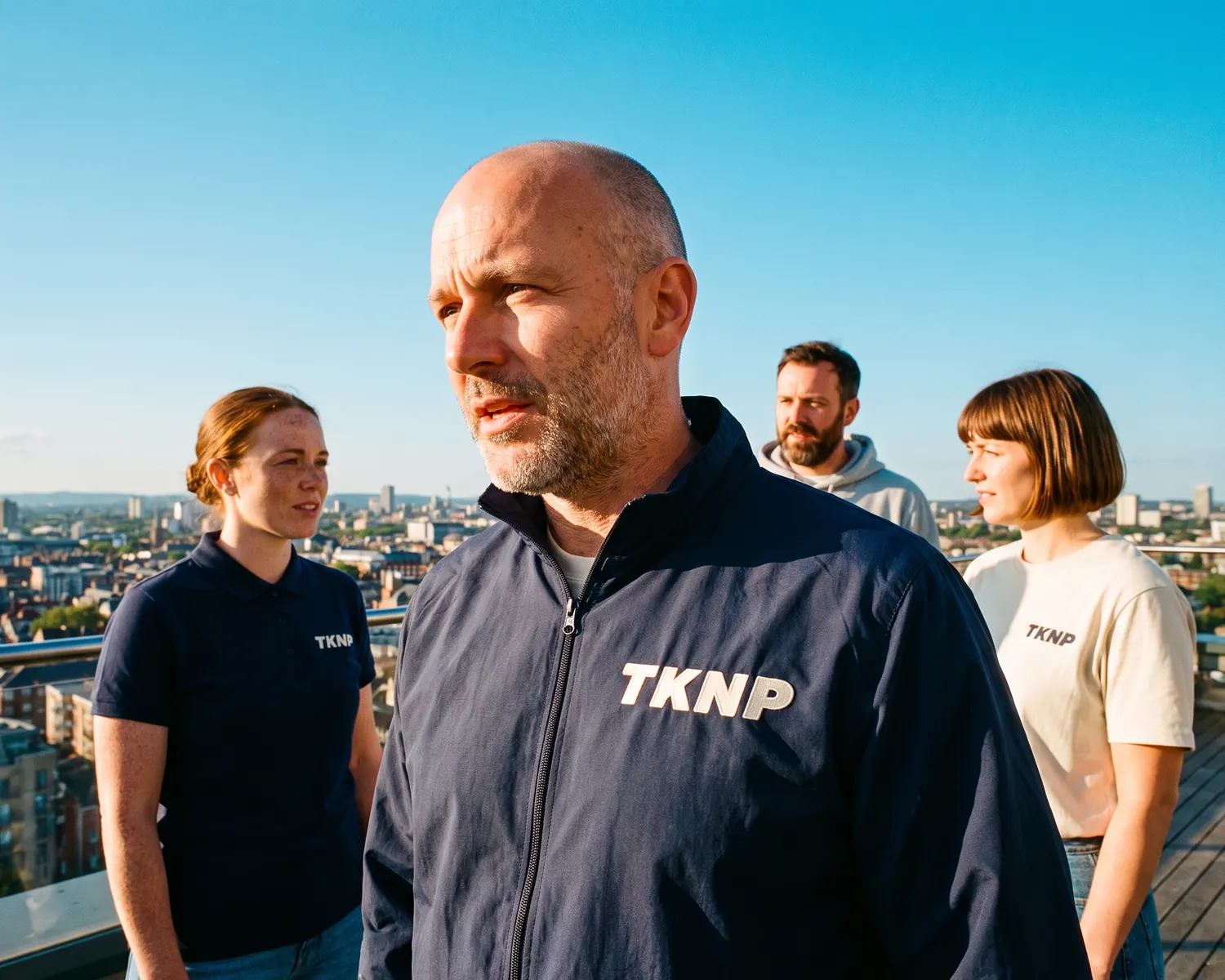
Custom company clothing: prices, minimum, lead times
Want to dress the whole team in your company logo? Here are our real prices, from the t-shirt to the windbreaker, the minimum order and the lead time, with no need to wait for a quote.
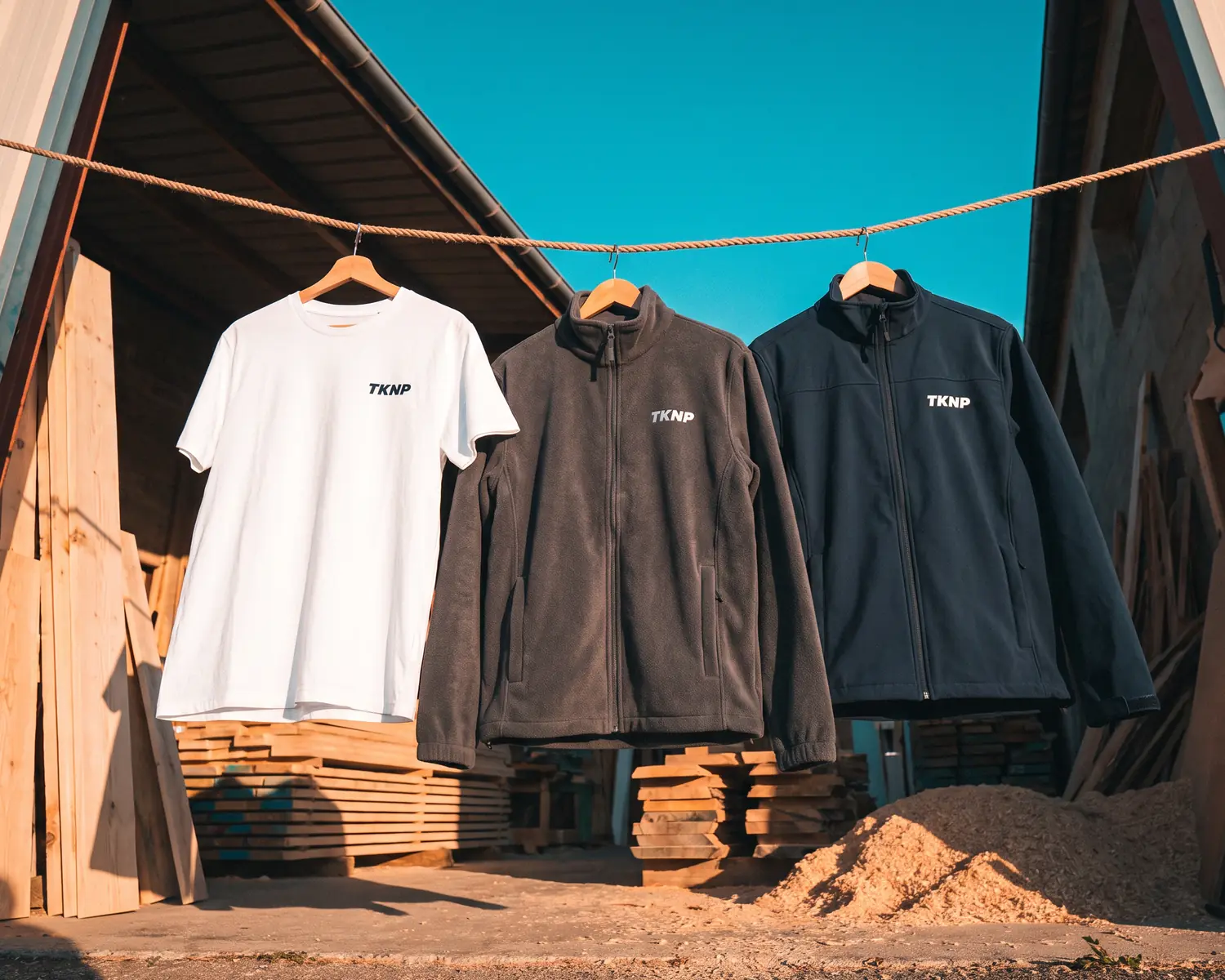
Custom workwear: the guide for your team
From the T-shirt to the winter jacket, the workwear you can customise, the technique that suits each fabric, where the logo goes and the budget, with the models and prices from our catalogue.
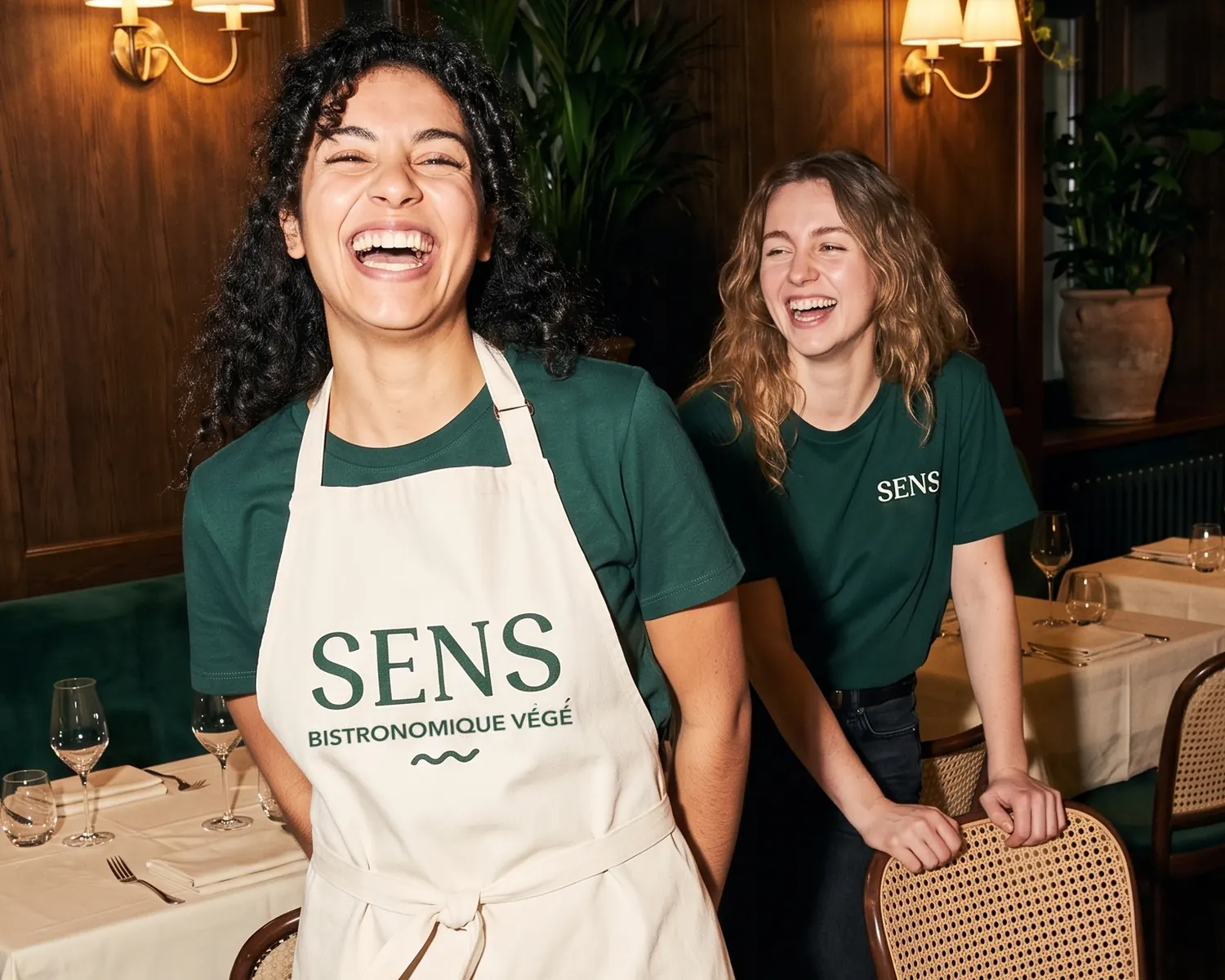
Waiter uniform: how should you dress your front-of-house team?
The embroidered top, the apron that suits each station, where the logo goes and the budget: how to dress a front-of-house team, with the models and prices from our catalogue.
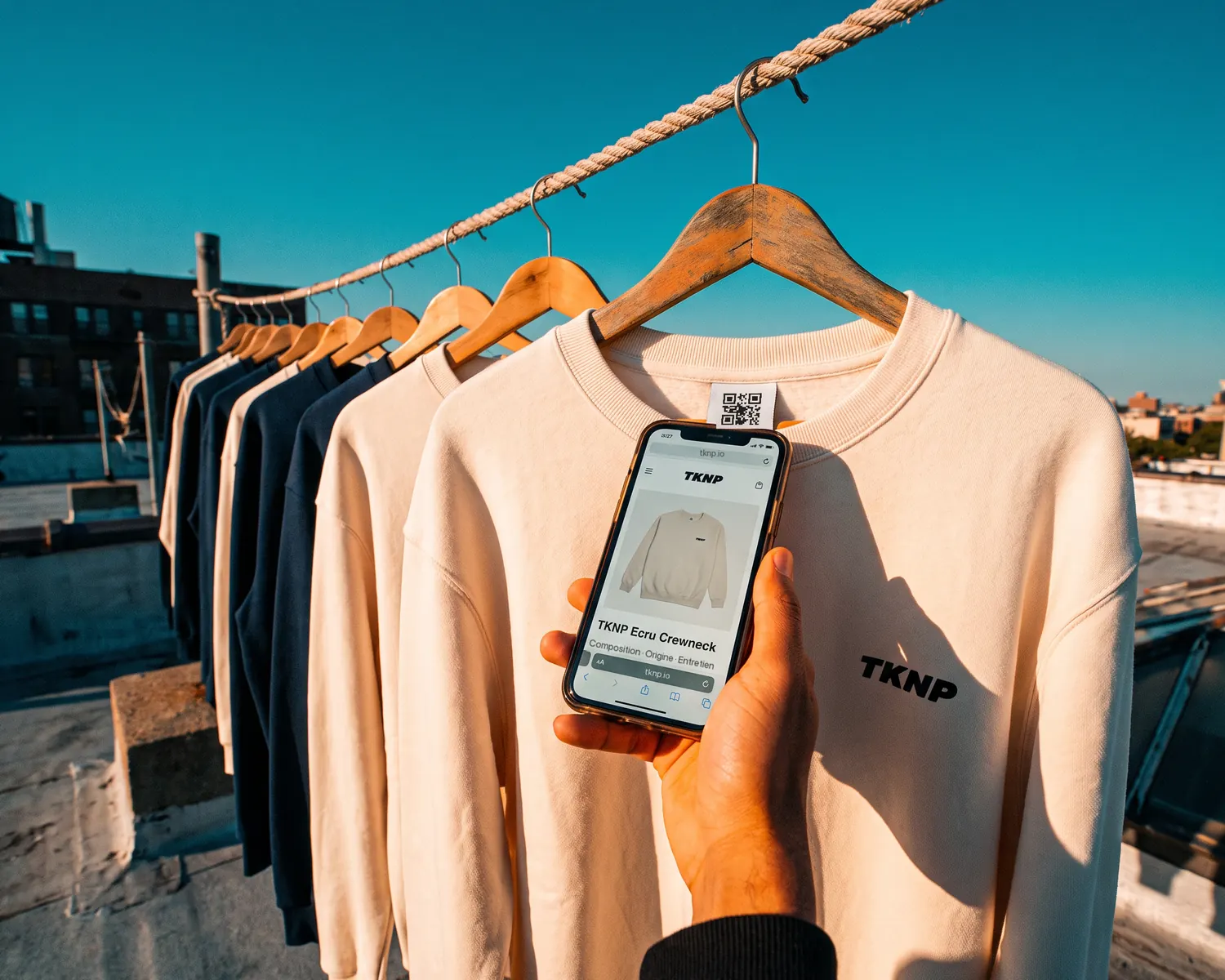
Digital product passport: what changes for clothing
The digital product passport is coming to textiles, but not in 2027 as you often read. What it is, when it will become mandatory for clothing, why your brand will in principle be responsible for it, and what you can prepare right now.
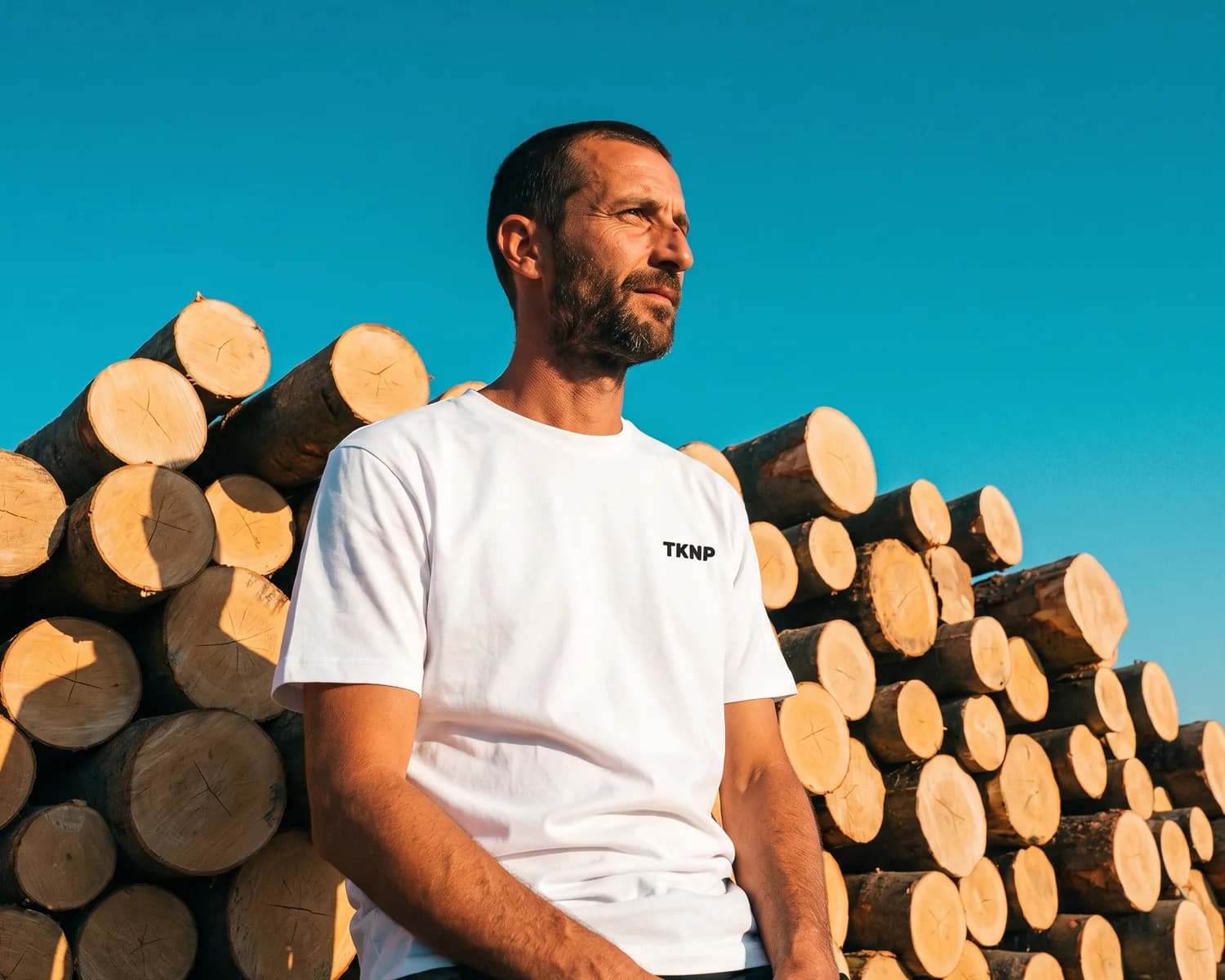
Modal fabric: definition and garments to customise
Modal, a wood fibre related to viscose, makes a t-shirt drape and a sweatshirt soft, and keeps them that way in the wash. Its official definition, how it differs from viscose and lyocell, and the four modal garments in our catalogue, with the decoration that suits them.

Christmas Jumper Day 2026: the team jumper you keep wearing
Christmas Jumper Day falls on Friday 18 December 2026 in France. Instead of an acrylic jumper worn once, dress the team in a logo sweatshirt they will wear all winter: which model, which decoration, what it costs and when to order.
Elastane: definition, percentages and what it changes in a garment
Elastane, also known as Lycra or spandex: what it is, how much a shirt, a polo, a softshell or leggings from our catalogue contain, and what those few percent change for printing and care.
Custom drawstring pouch: size, fabric and print to package your products
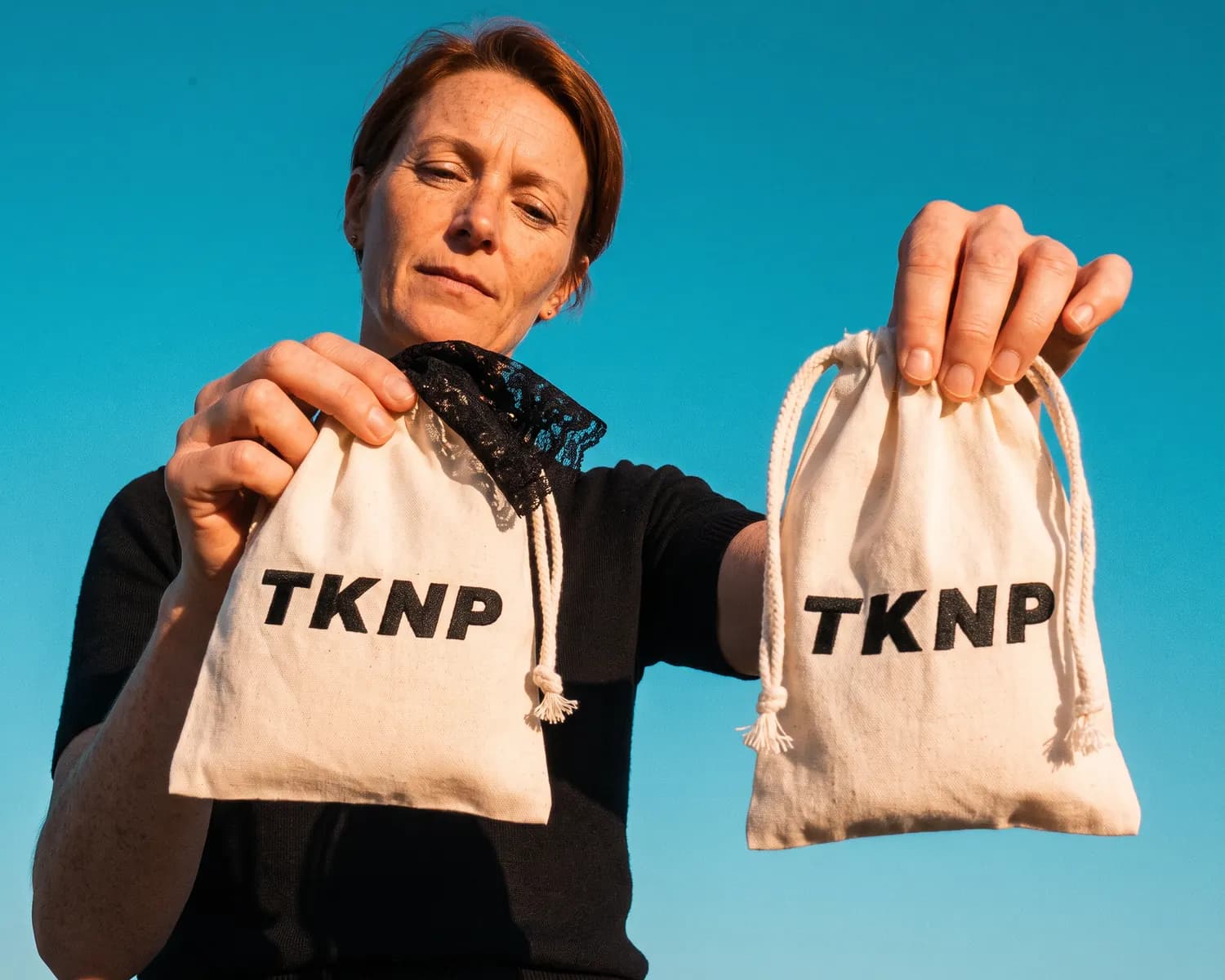
The cotton pouch with your logo, the packaging your customers keep: which size for which product, which fabric, embroidery or print, and what a run of 10 to 100 costs.
Custom t-shirt with a photo: getting the print right for a group
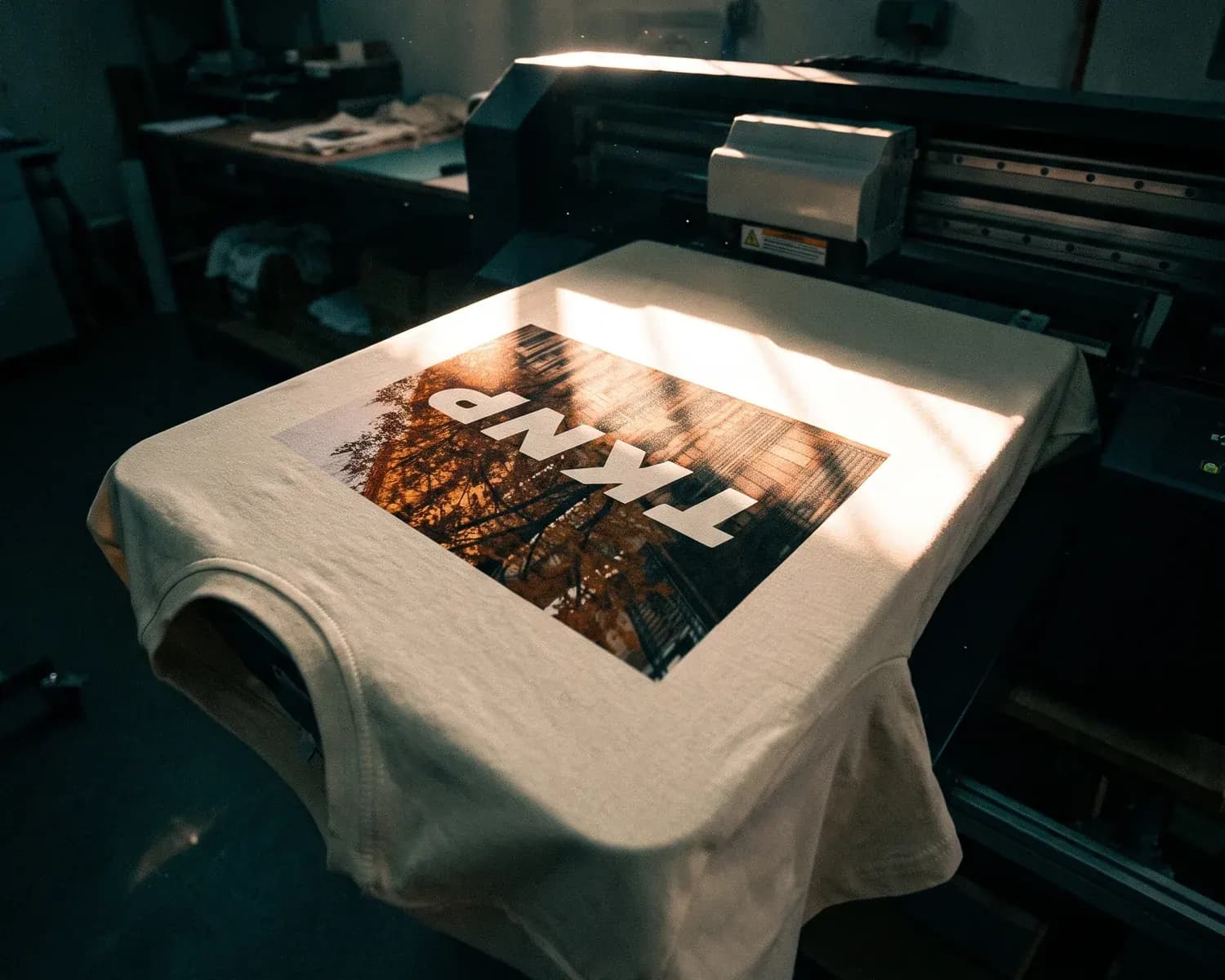
Want a custom t-shirt with a photo for your whole group? Here is how to get a sharp image, choose the print, see what it costs from 10 t-shirts and let everyone pay for their own.
QR code on a t-shirt: size, placement and uses
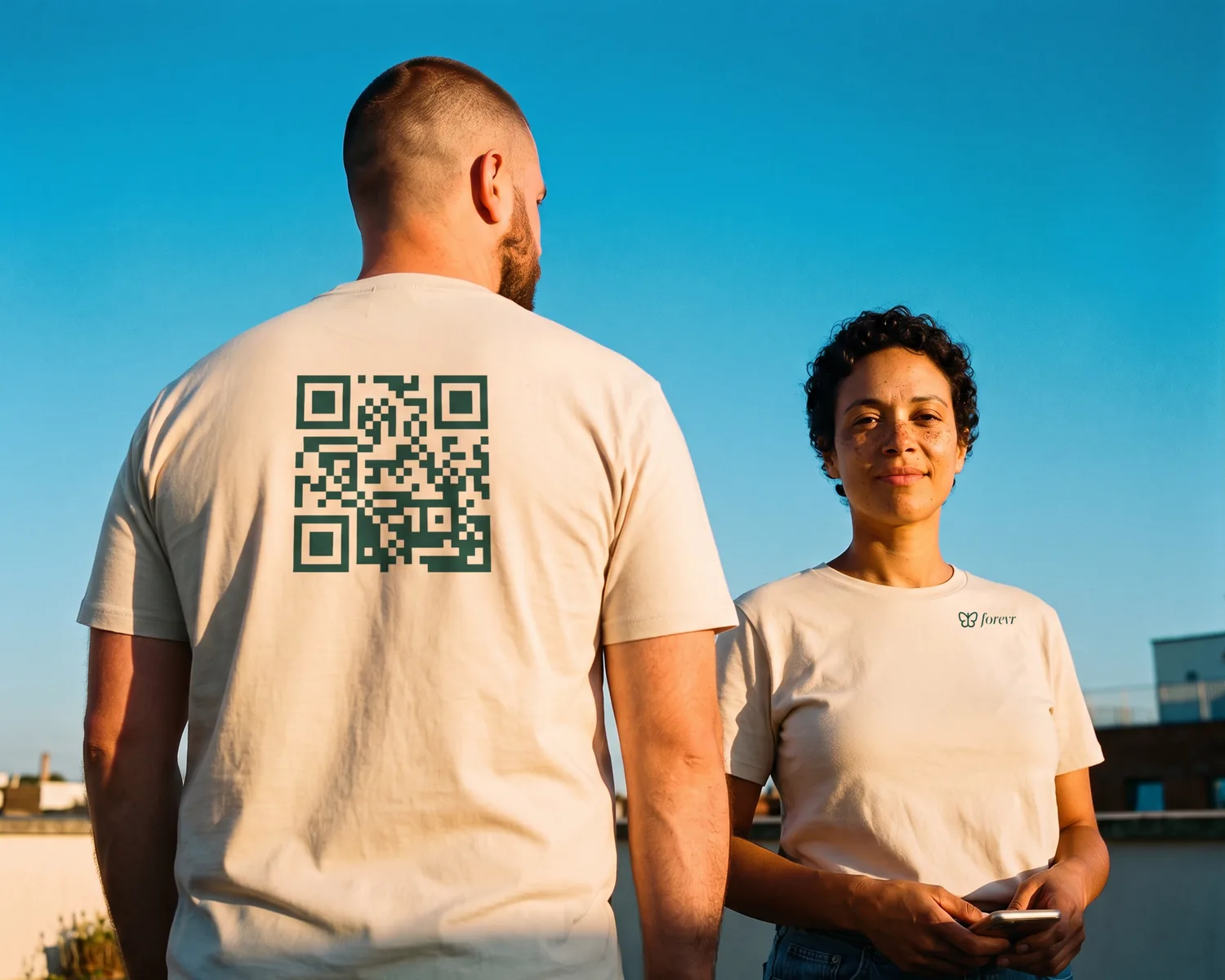
For a QR code printed on a t-shirt to scan every time, here are the right size, the right placement, the printing method and the price, then the example of a memorial walk t-shirt linked to a remembrance page created on forevr.
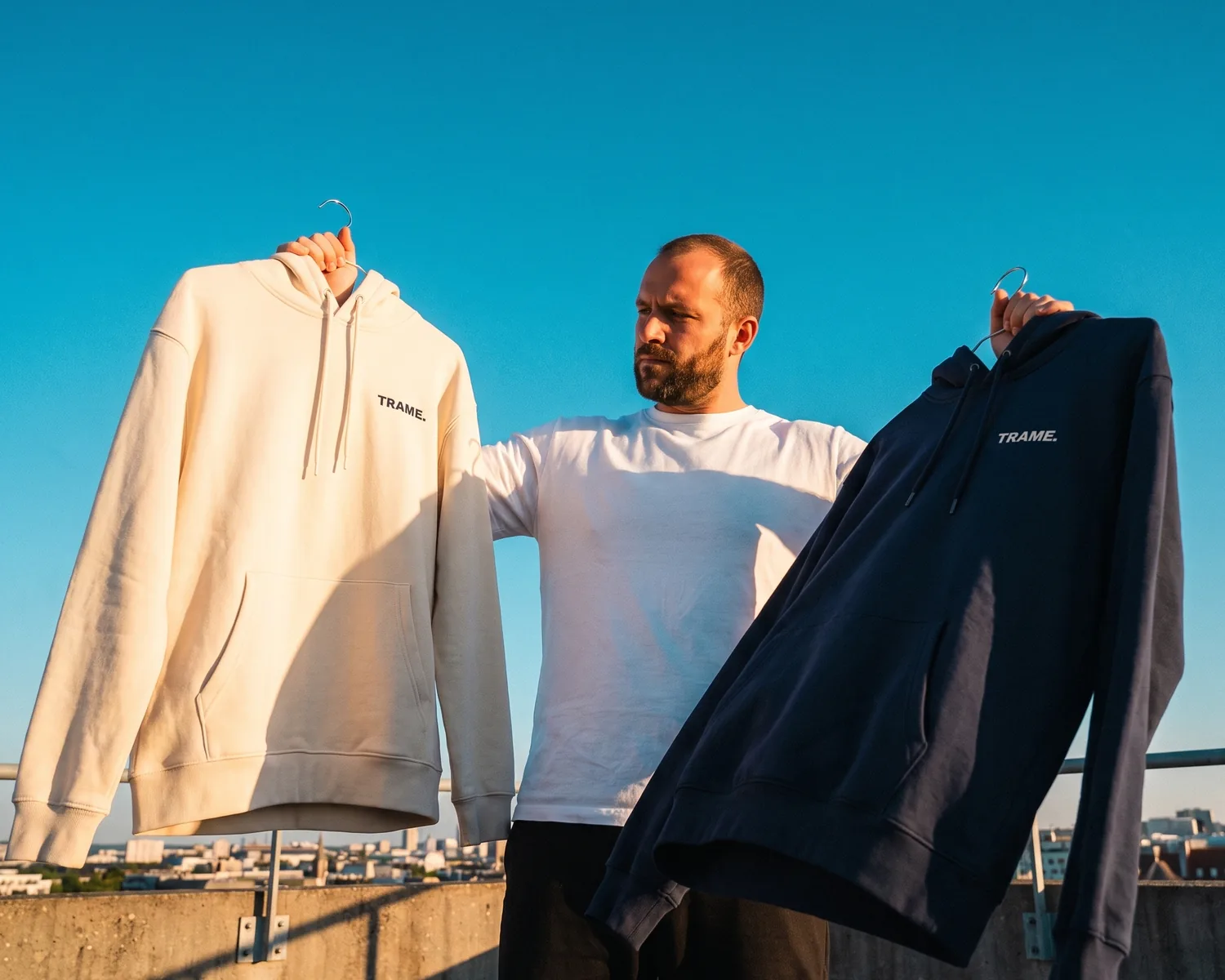
Sweatshirt fabric weight: 280 or 350 gsm, which one to choose?
280 gsm for a sweatshirt worn all year round, 350 gsm for a heavy one people keep for years: the right fabric weight for how your team will wear it, and what a heavier sweatshirt costs.
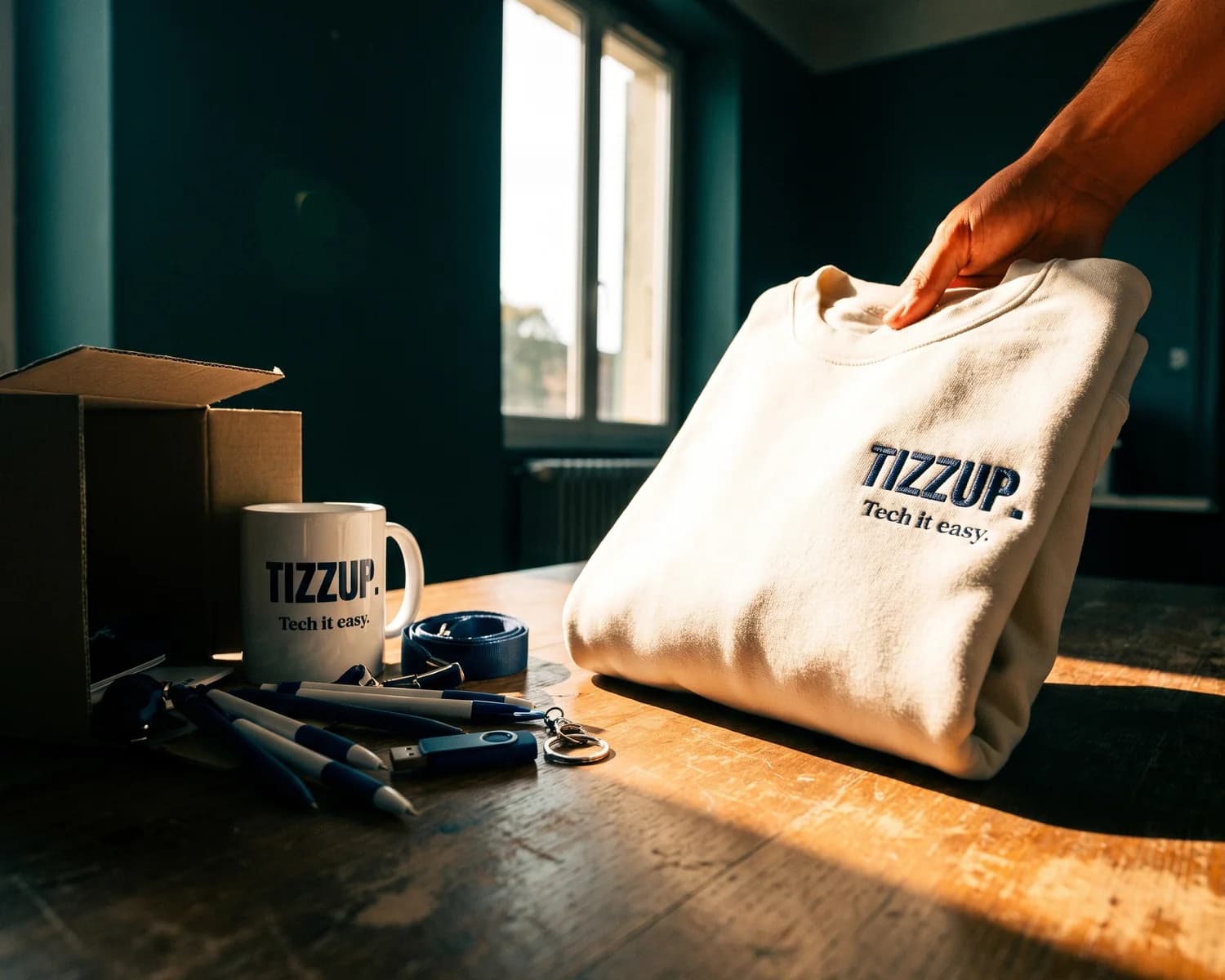
Goodies: definition and difference from merch
A pen handed out at a trade show is a goodie; the sweatshirt a team picks and wears is merch. The definition of goodies, the most common ones, and the line between goodies and merch.
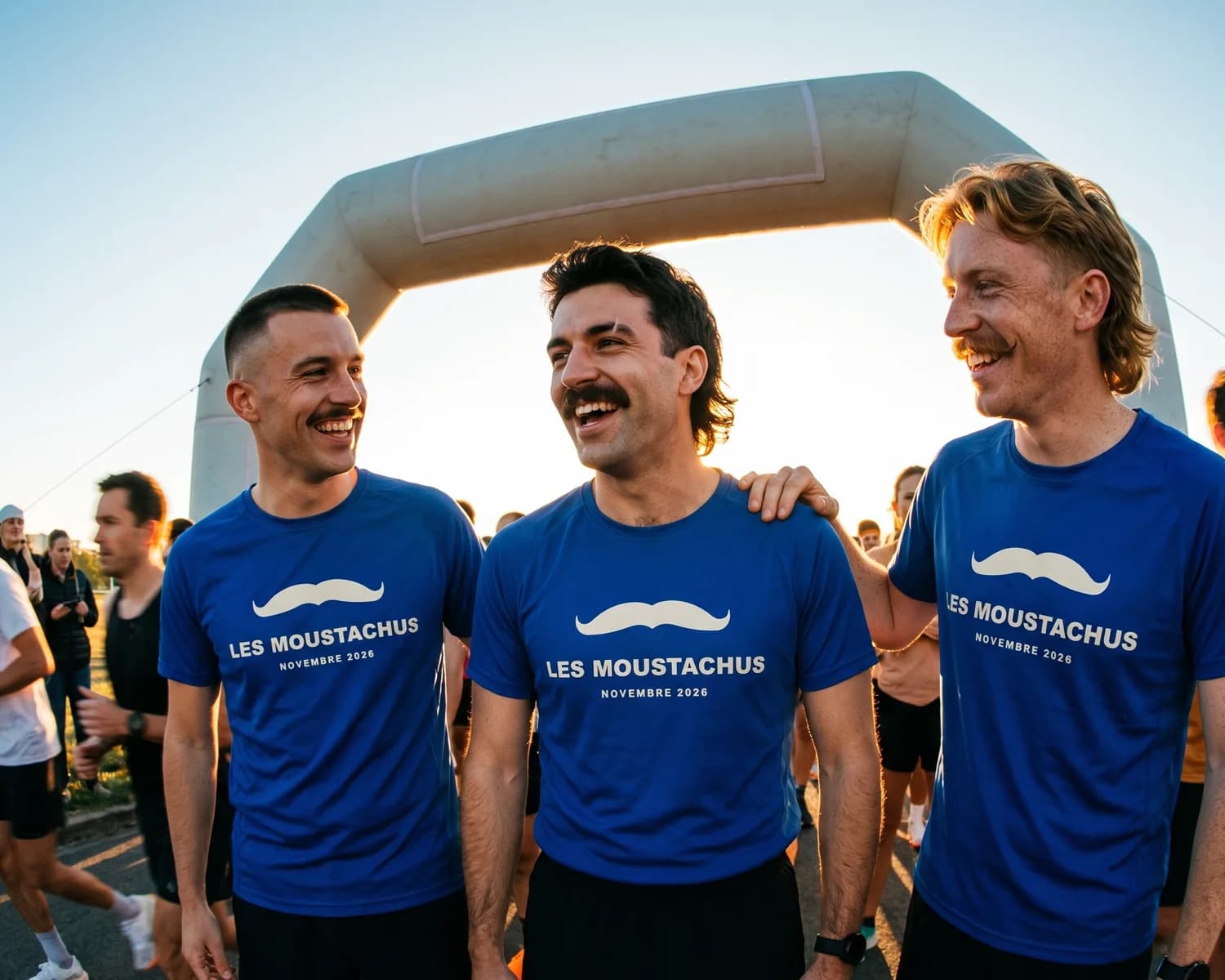
Movember merch: your team's t-shirt for November
For Movember, a team t-shirt brings people together better than a moustache mug. A moustache and the team name, from 10 t-shirts: the whole office or club dressed alike for November, with a pre-sale if you want to raise money too.
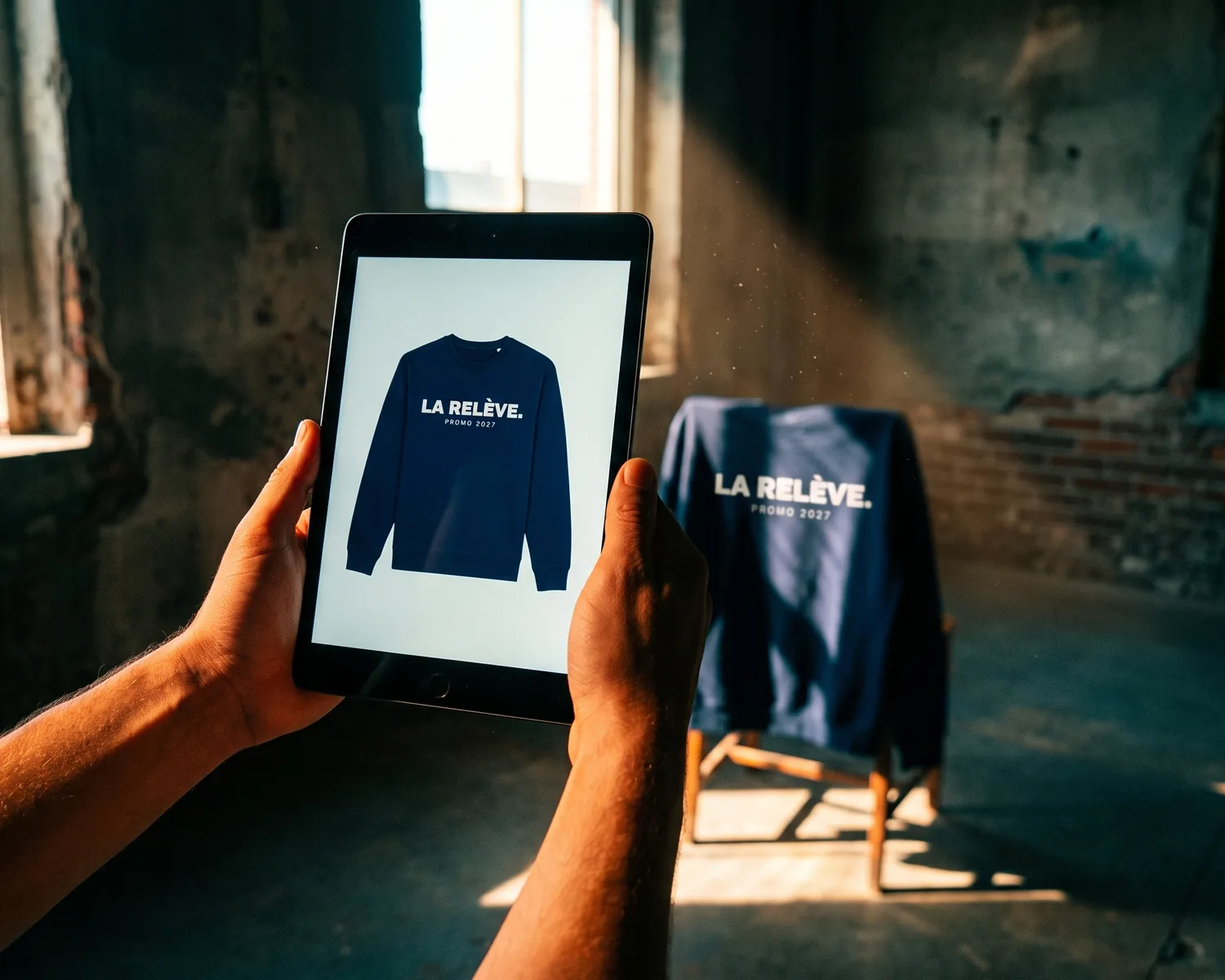
Print proof (BAT): definition and a guide to approving it without mistakes
The print proof, called BAT in French, is the final preview you approve before your t-shirts are made: once approved, the run is made exactly as shown. Here are the seven checks to make so that no mistake gets through.
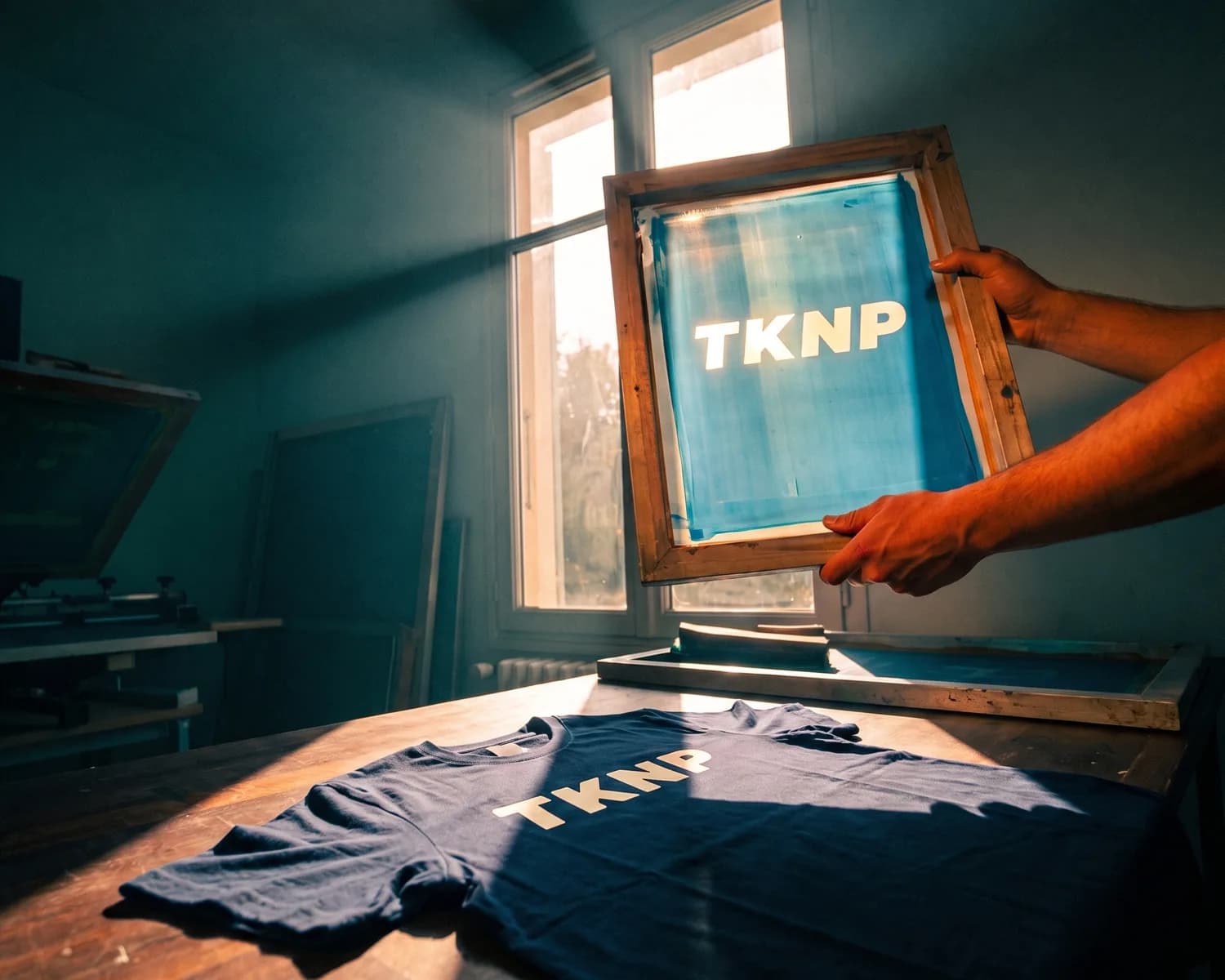
Flex or screen printing: which technique should you choose for your t-shirts?
Torn between flex and screen printing for your t-shirts? We tell you which one really holds up in the wash, what screen printing costs and why we recommend it from 25 t-shirts.
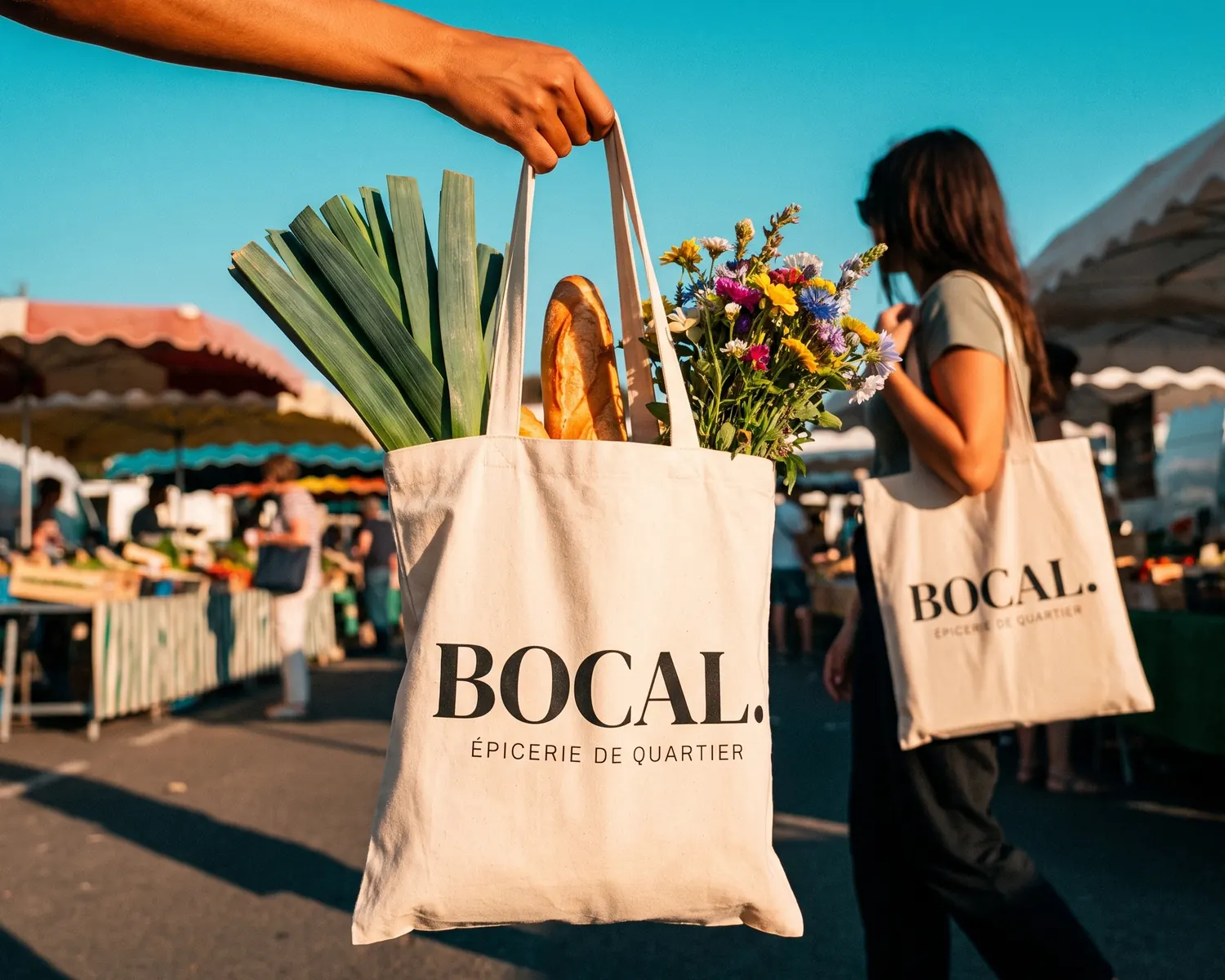
Tote bag size: which dimensions should you choose for your brand or your event?
Looking for the right tote bag size for your brand or your event? We compare ten models to help you choose the canvas, the handles and the space for your logo, with our prices.
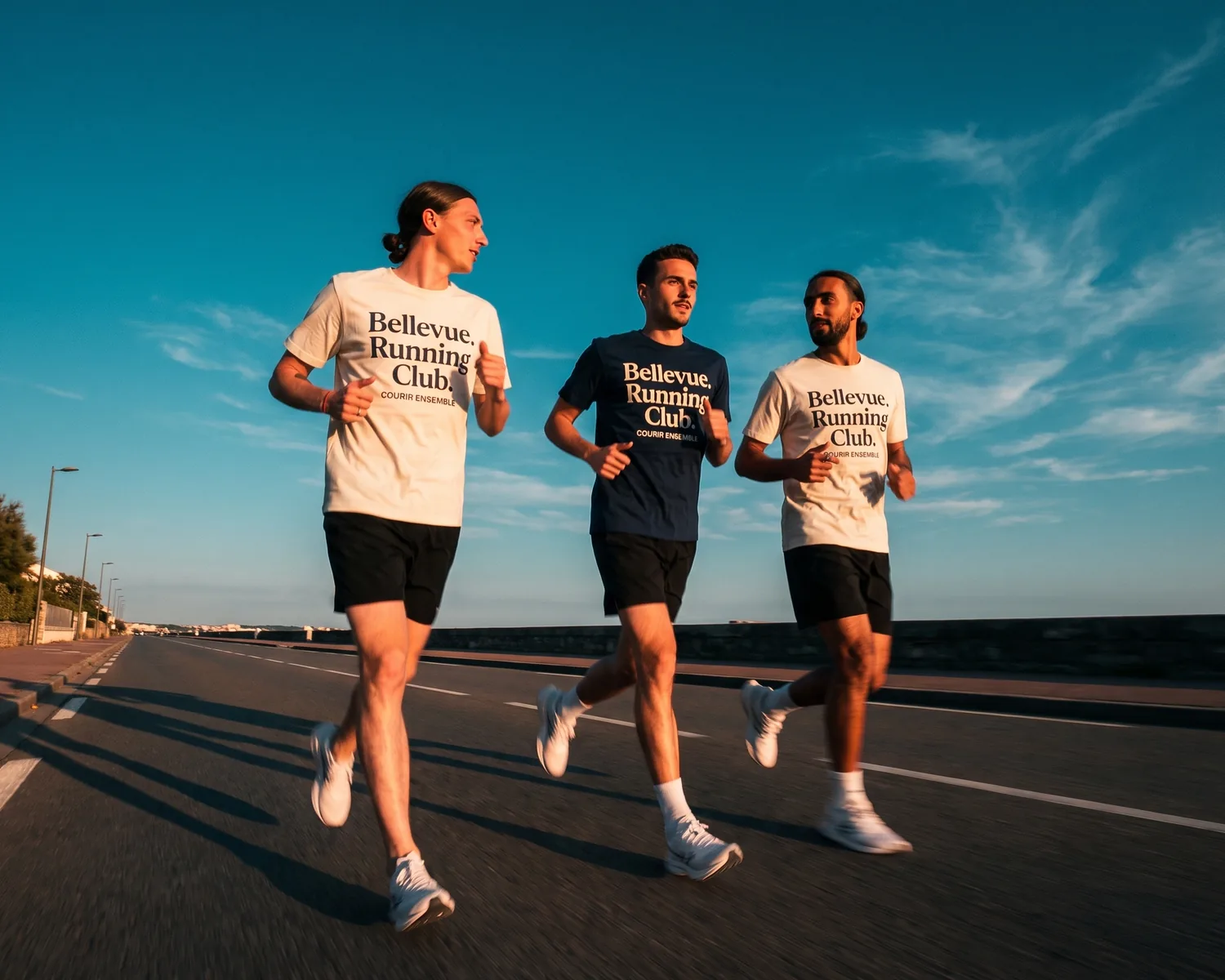
Custom running t-shirt: how do you choose one for your club or your race?
The race t-shirt in your club's colours: the right fabric, three models priced at 25 and 50 units, the decoration that holds on polyester and the timeline before the start.
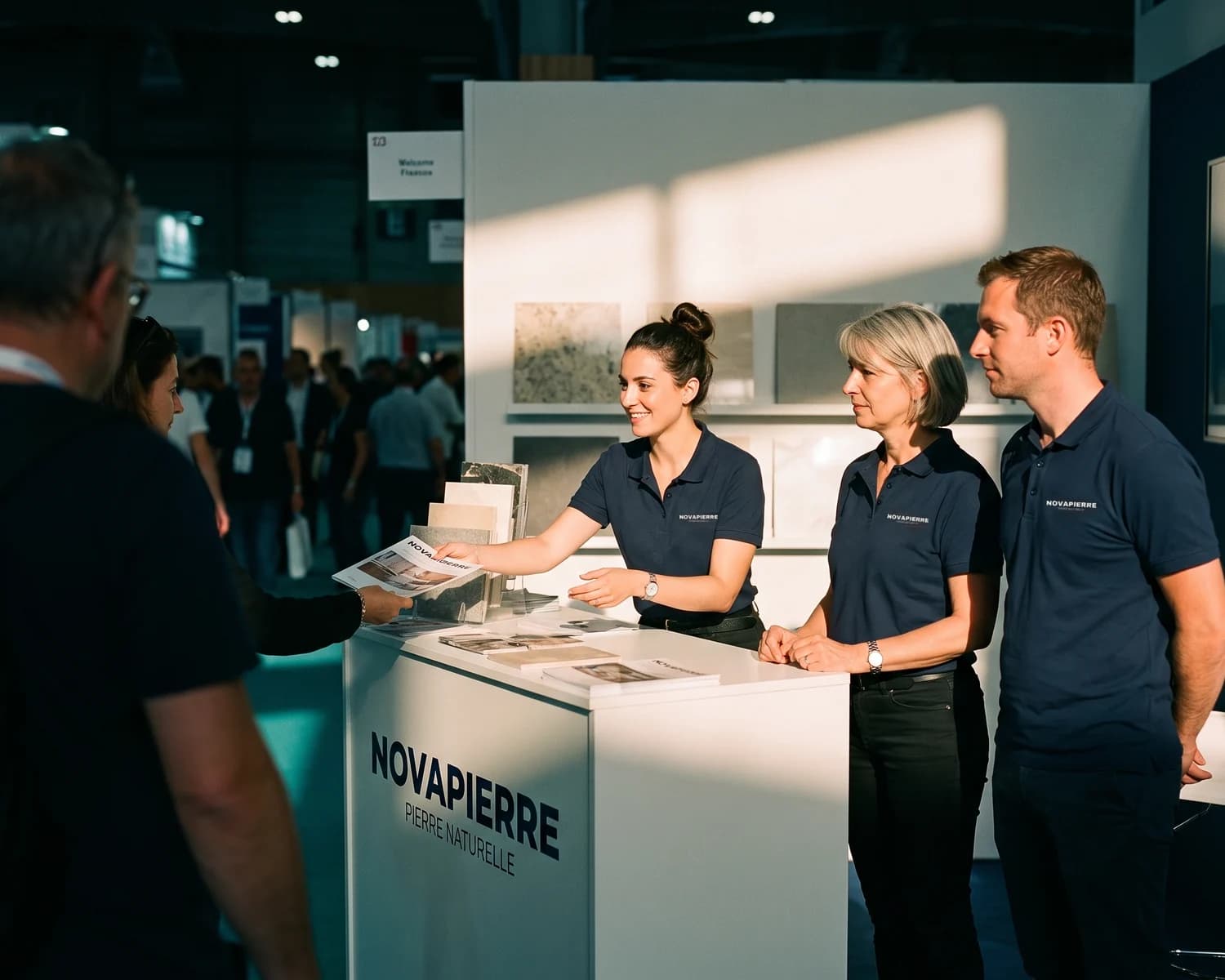
Trade show hostess outfits: how should you dress your welcome team?
A sober welcome outfit in the stand's colours: the women's-cut embroidered polo shirt, the shirt for a dressier welcome, the right colour and what the hostess brings herself, with our prices.

Custom t-shirts for your company: 5 models your team will actually wear
Five t-shirts to dress a company, from the event to the team's everyday wear, with our embroidered and screen-printed prices from 10 units and the cheapest technique for your quantity.
Trade show giveaways: what custom merch should you give visitors?
The tote bag for every stand visitor, an embroidered garment for your meetings, a matching outfit for the team, even outdoors in the rain: trade show merch, with our prices and the right lead time.
Brand guidelines for an association or a club: the simple template
Brand guidelines for an association or a club fit on one page: logo, colours, typefaces, rules and files. The template to copy, who approves them, and how to hand them over.
Selling t-shirts to fund an association: the real numbers
How much a t-shirt sale raises for an association: the payout per t-shirt by volume, the right to sell, the price, the t-shirt and the print technique.

Comment financer un voyage scolaire avec le merch de l'école ?
Les aides qui financent un voyage scolaire, puis la vente du sweat de l'école en prévente : ce qu'elle rapporte, les tailles enfant et quand la lancer.

Seminar merch: 8 ideas your team will actually use
Eight custom merch ideas for a company seminar, from the t-shirt to the embroidered hoodie and the welcome tote bag, with our prices for 50 attendees and the right lead time.
Collecting sizes for a group order without mistakes
Size, cut or colour mix-ups, chasing payments: on the tknp.io Store, free to open, everyone picks and pays for their size, and only what is reserved gets made.
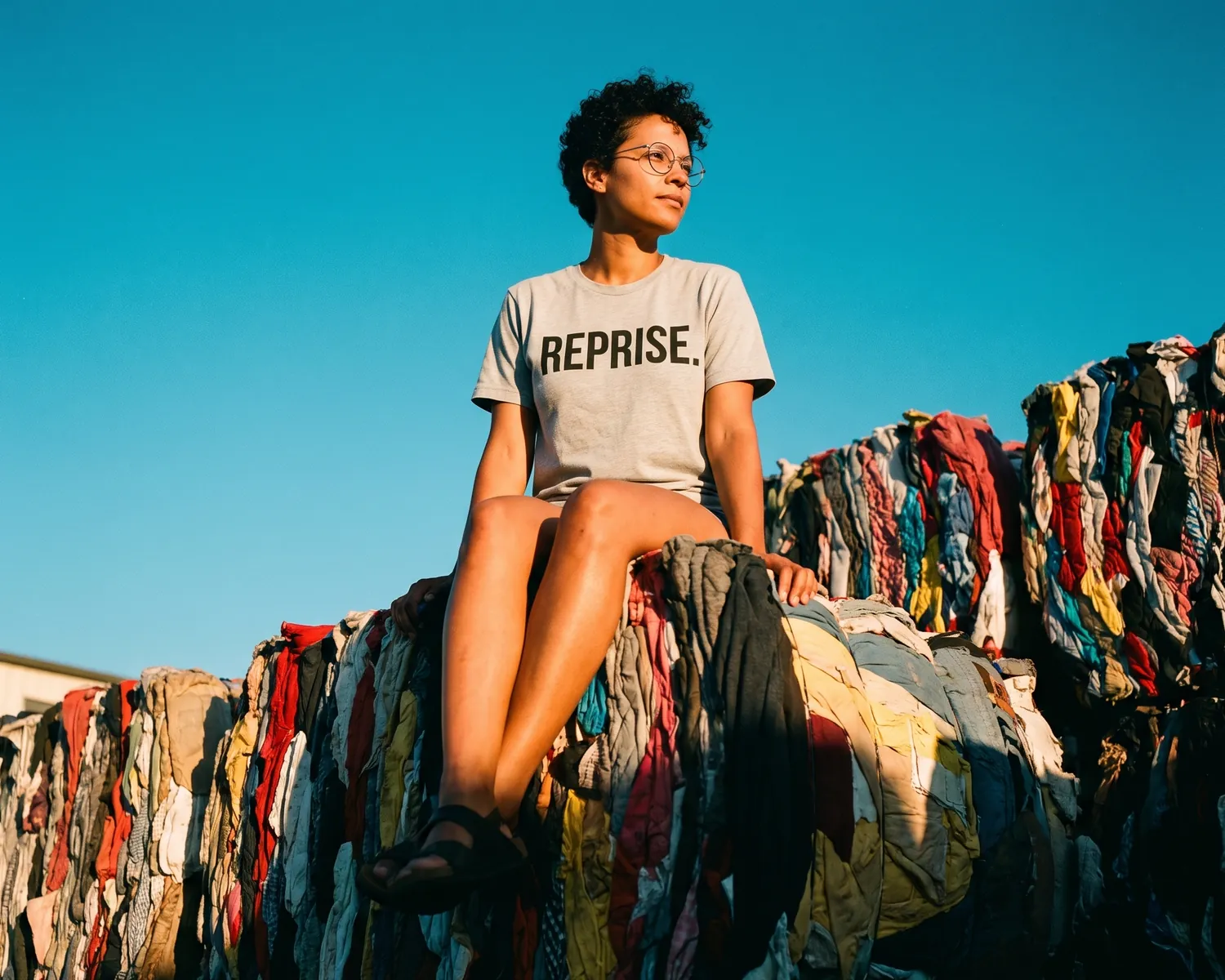
Recycled cotton: definition, blends and use for merch
Want merch that shows your commitment? Here is where recycled cotton comes from, why it is almost always blended and how it changes the feel and the price.

Garment dyed: definition, washed-out look and reorders
Dyed after it is sewn, a garment-dyed t-shirt or hoodie arrives washed out and varies slightly from one unit to the next. Find out whether it suits your merch, what it costs and what to check before reordering.
Combed and ring-spun cotton: what they are and the difference they make
Combed cotton is what sets two “100% cotton” t-shirts apart: it feels softer and pills less. Learn to spot it on a product page and judge whether it is worth the price for your merch.
DTF or DTG: price, finish and durability compared
DTF or DTG: which print to choose depending on the garment colour, its fabric and the quantity, with our marking prices at 10, 50 and 100 units.
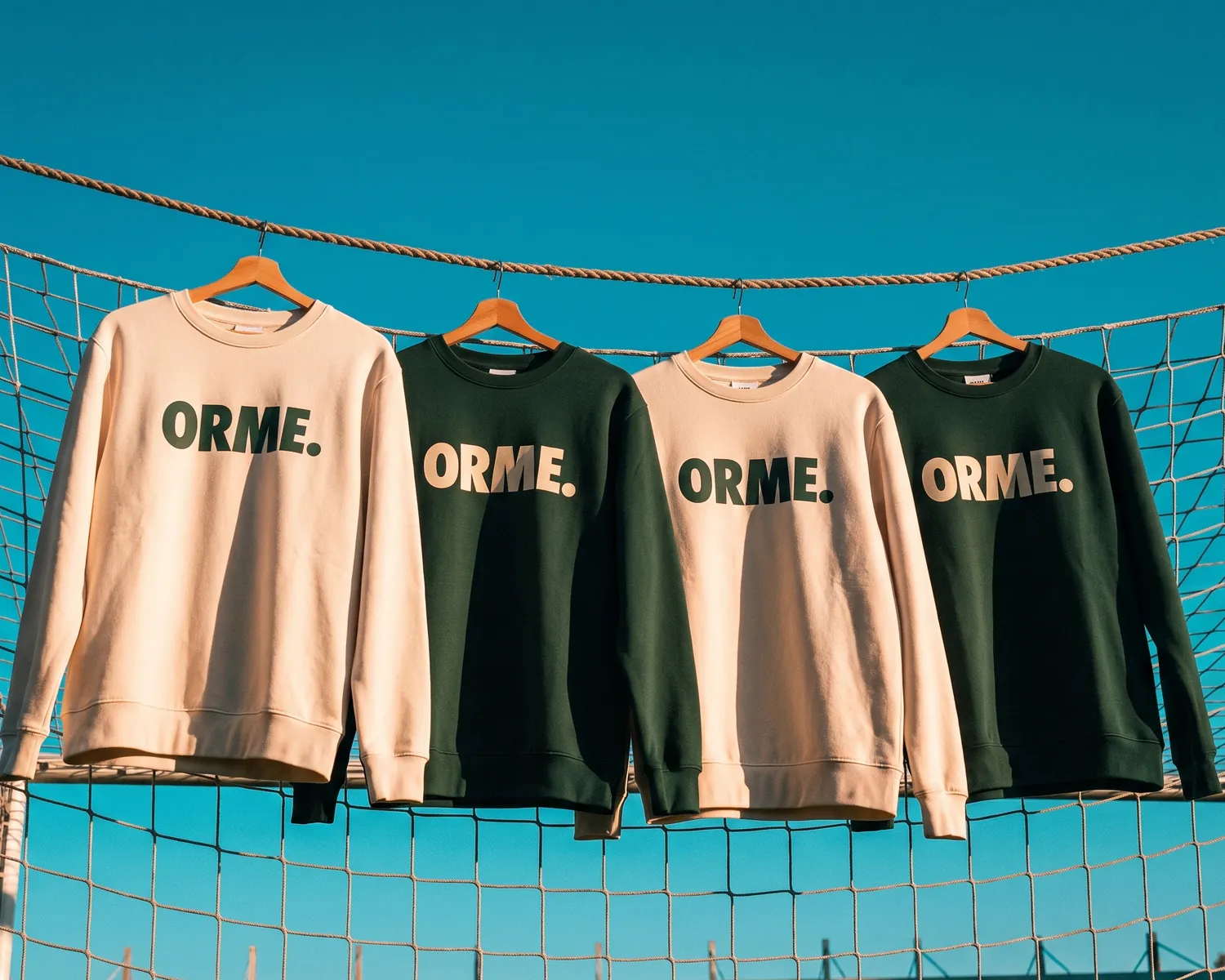
Sweatshirt colour: the safe bets for a group order
Navy, black, burgundy, heather grey, ecru: the sweatshirt colours that suit a whole group, alternating the colours of the sweatshirt and the logo, and what the colour changes to the marking price.
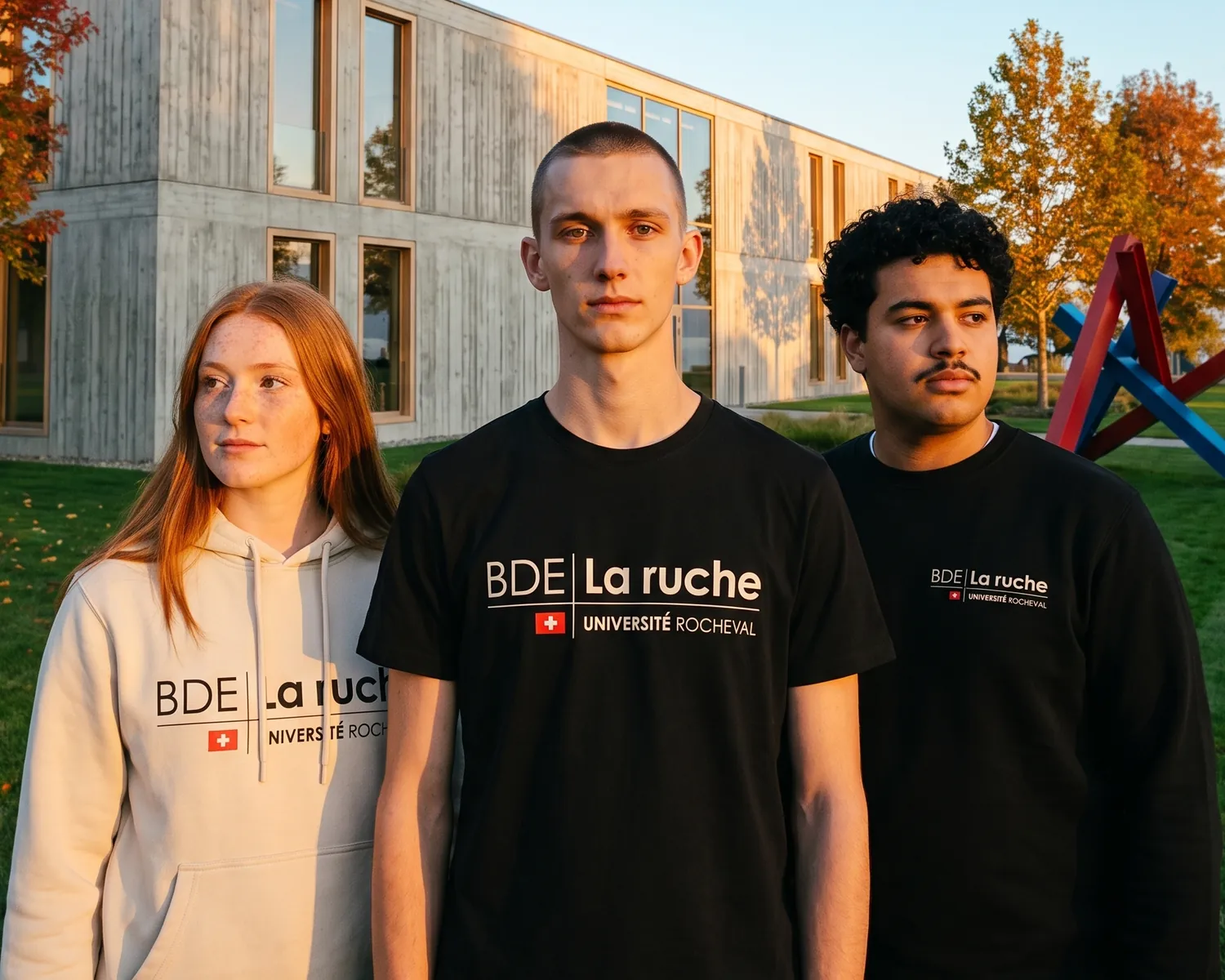
BDE logo: design one that looks great on a sweatshirt
Short name or initials, one colour, collegiate arc, monogram or crest: how to design your student union or campaign list logo, and see it on a sweatshirt before the committee votes.

Logo placement and size on a t-shirt: chest, back, sleeve
Torn between the chest, the back and the sleeve? Here is where to place the logo on a t-shirt and at what size, what changes on a hoodie or a polo shirt, and how a second placement is billed.
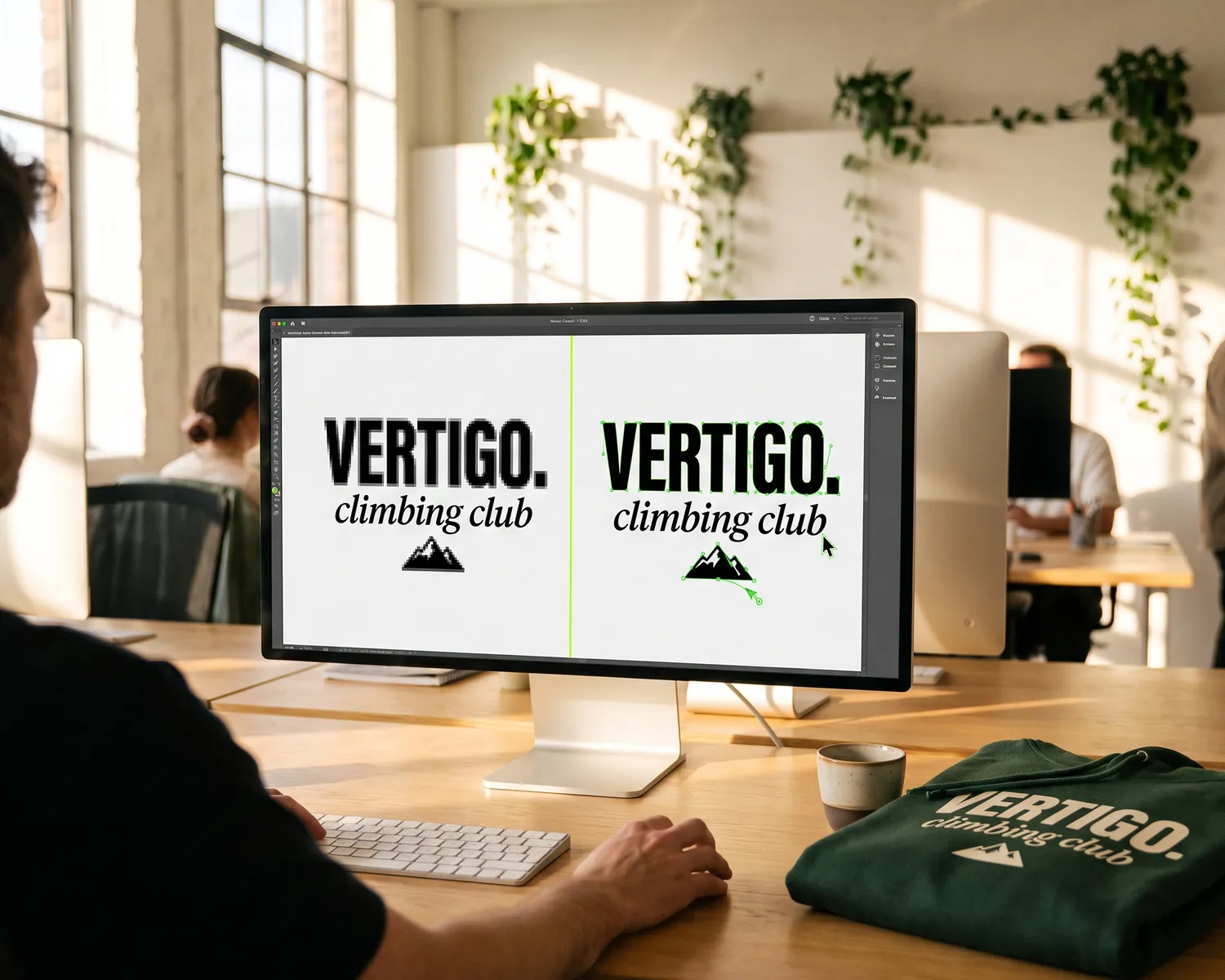
Vectorize an image or a logo: 5 methods, 3 of them free
Free online tool, Inkscape, Illustrator, graphic designer or the TKNP designer: the 5 ways to vectorize an image or a logo, what each one costs, and when automatic vectorization fails.
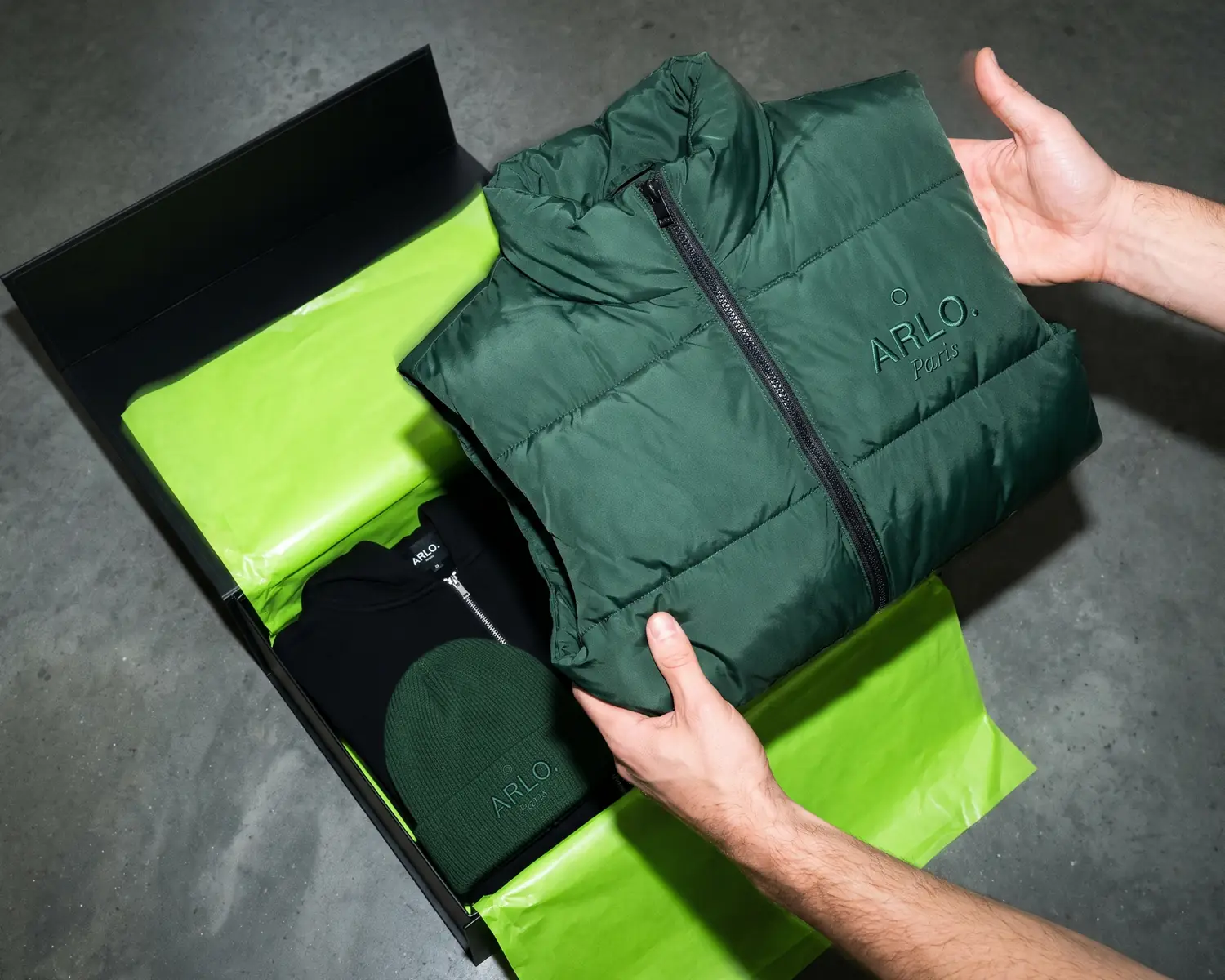
Client gifts and VAT: 12 ideas and France's 73-euro rule
Looking for a gift your clients will actually use, and want to recover the VAT? Here you will find our ideas, from the embroidered cap to the puffer gilet, and France's 73-euro threshold (VAT included) explained simply.
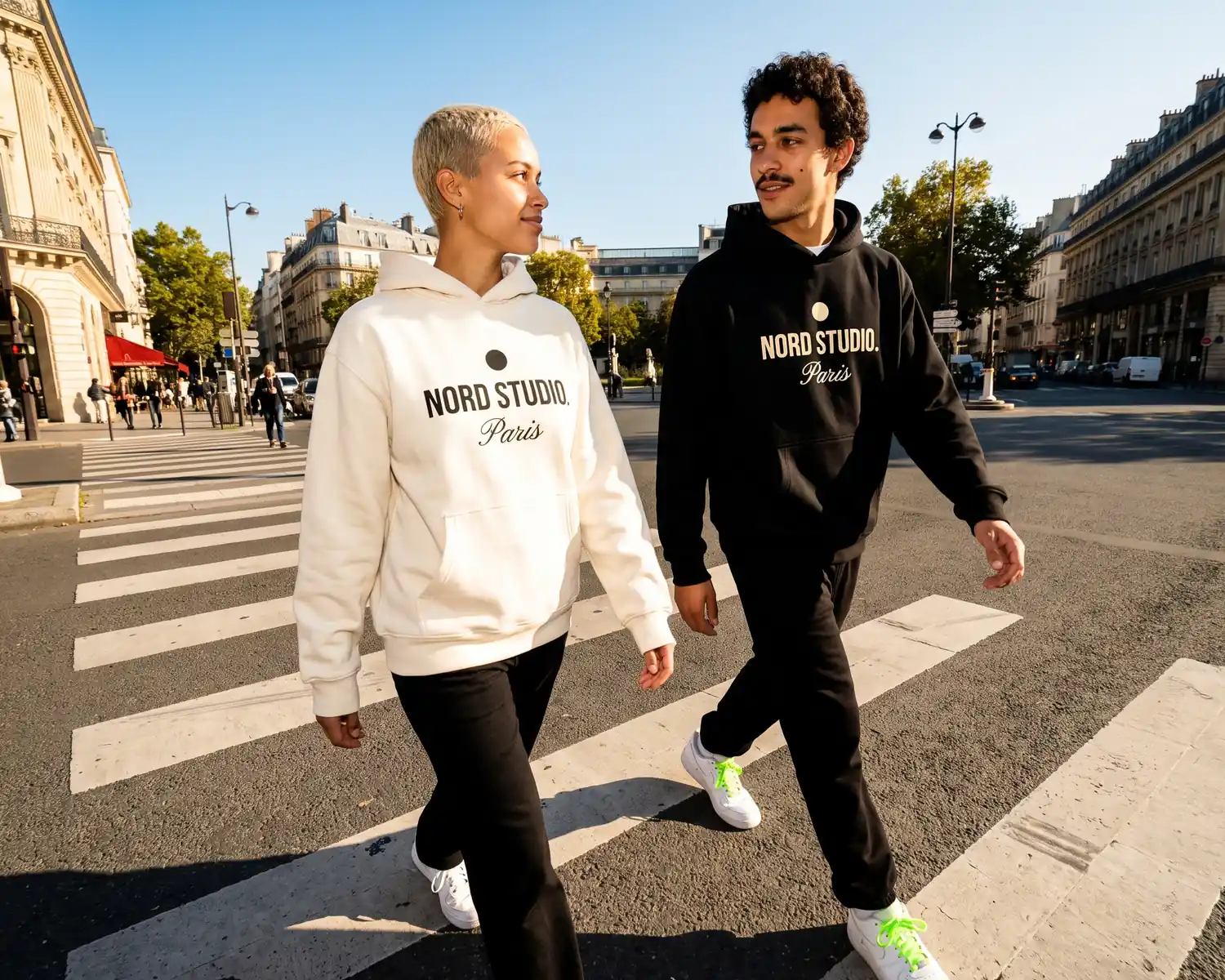
Clothing brand logo: which type should you choose?
Wordmark, monogram, symbol, emblem, combination mark, mascot: each type of logo behaves differently once embroidered on the chest or printed on the back. The guide to choosing the one that will work on your garments.
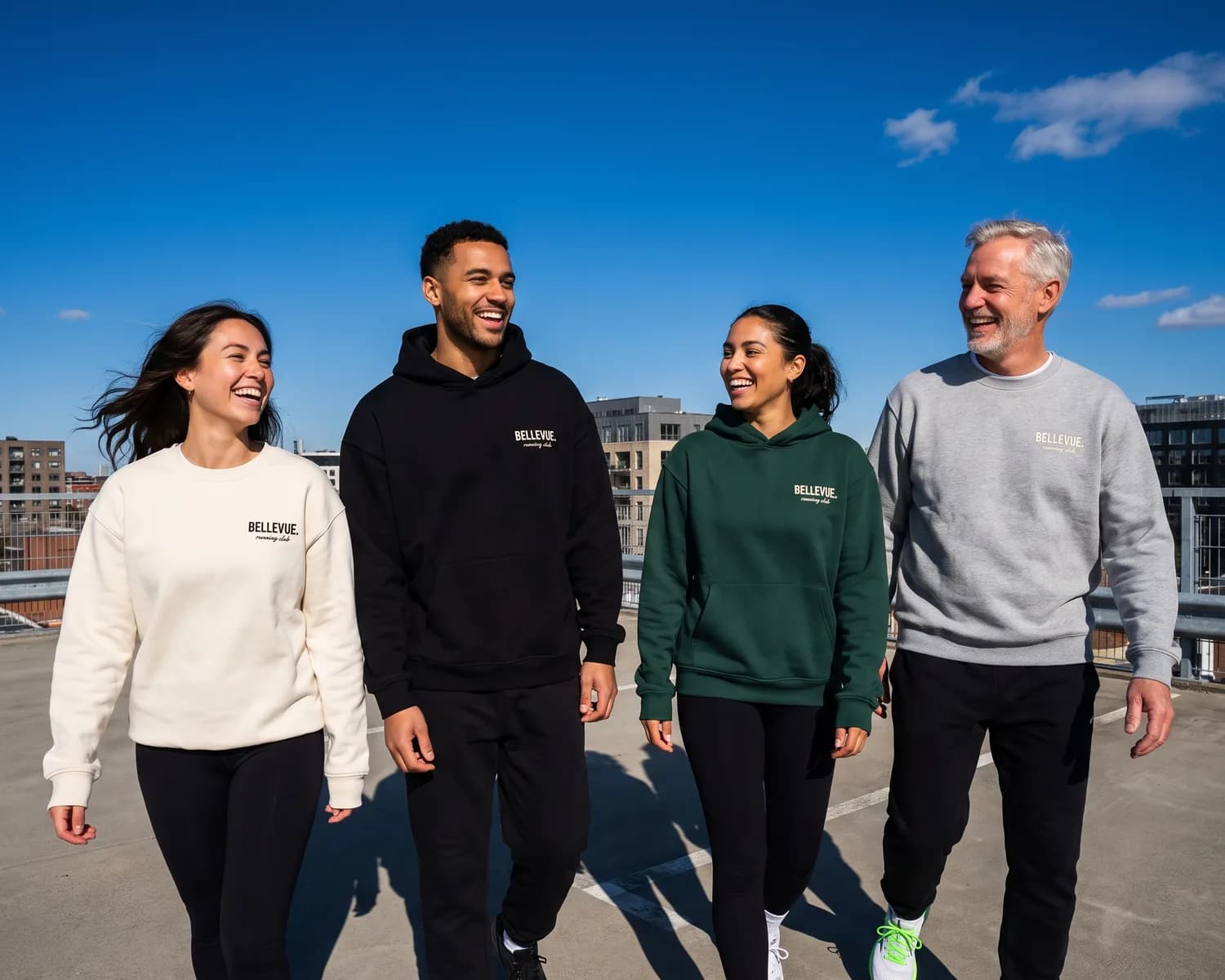
The best sweatshirts to customise: price, weight and fabric
Looking for a custom sweatshirt your team will actually wear? Seven models compared side by side: the price, the thickness, organic cotton or not, and the right one for your use.
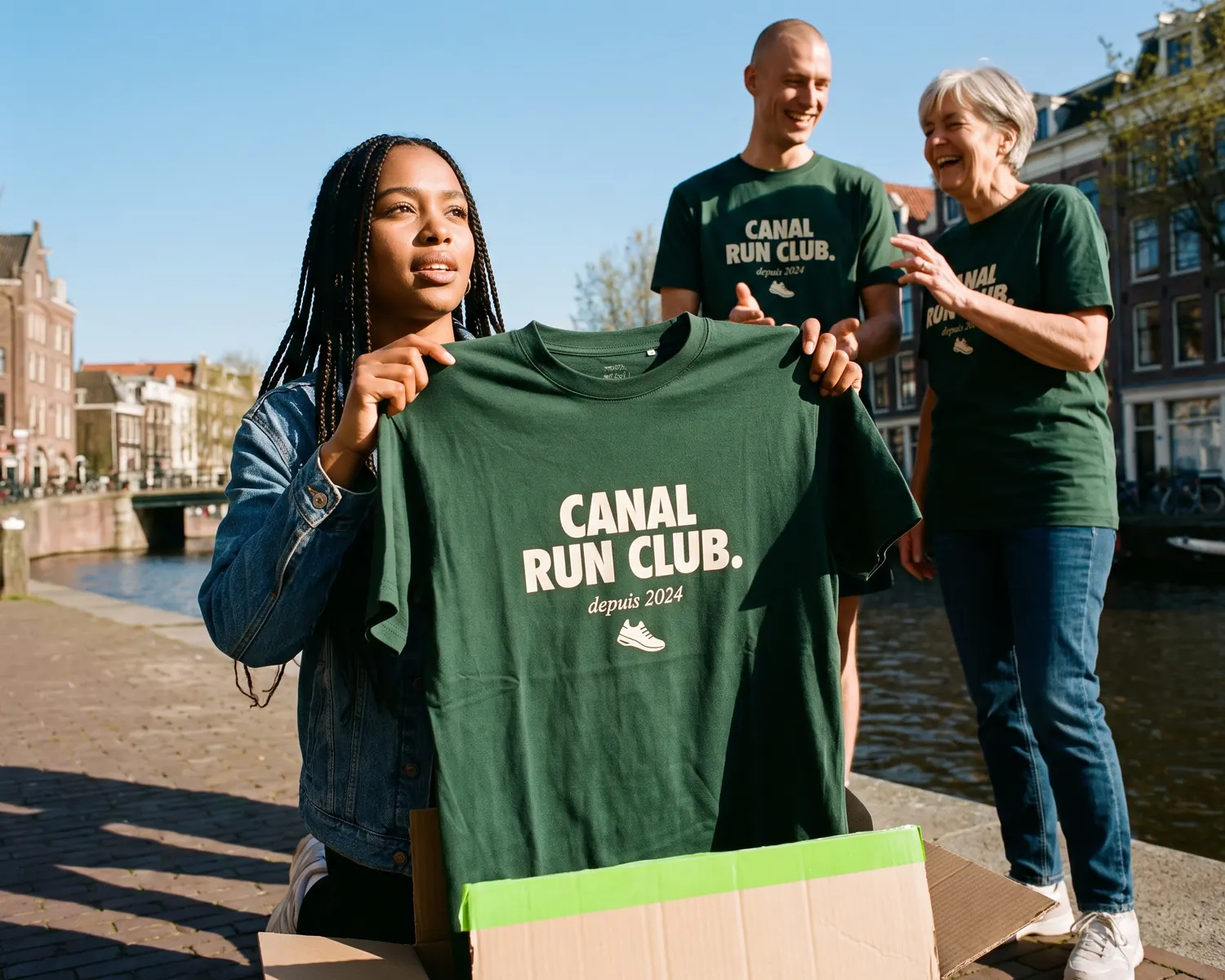
How to customise a t-shirt: a step-by-step guide
From choosing the t-shirt to placing the order, the seven steps to customise t-shirts with your logo, and how to see the preview and the price before paying anything.
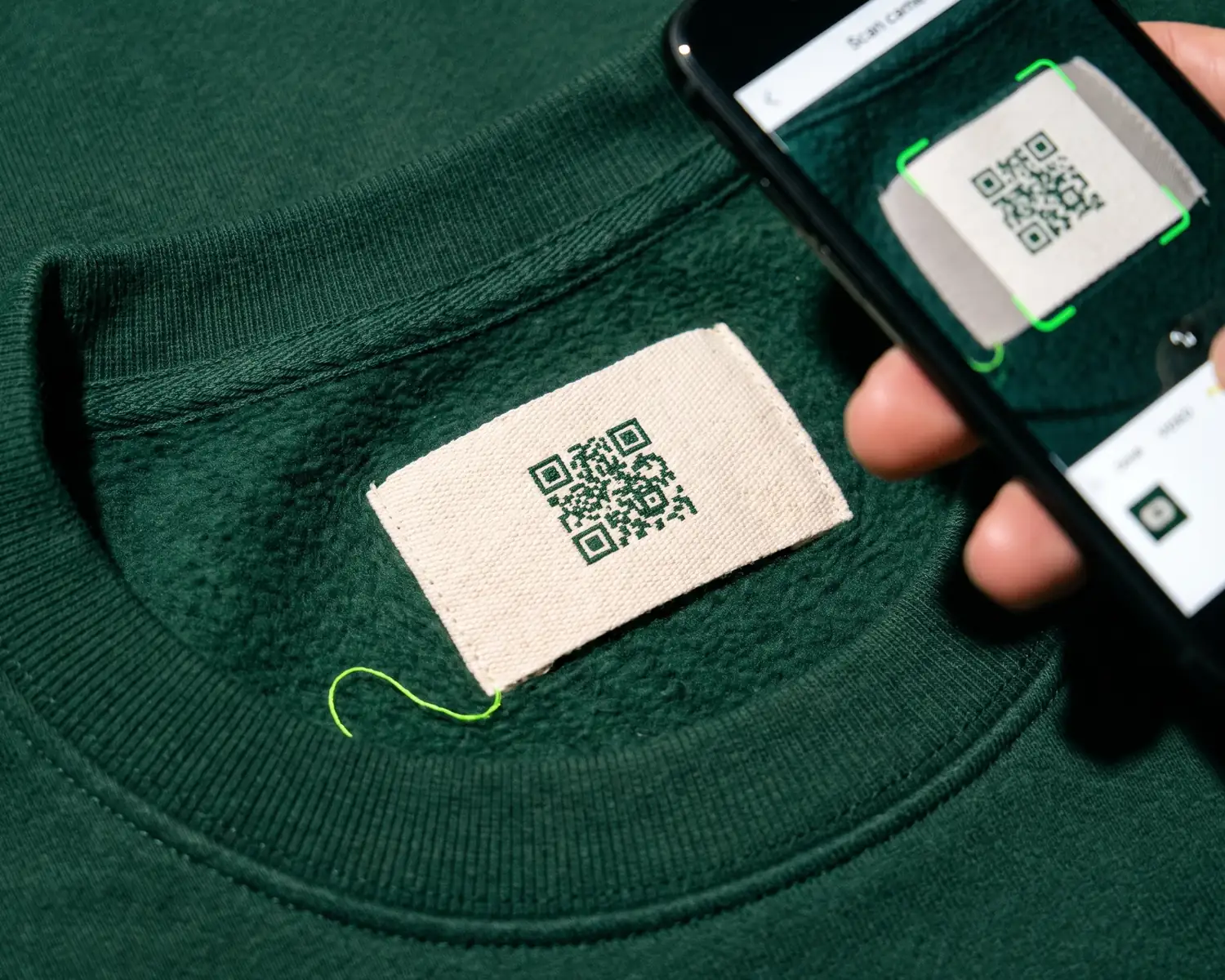
French textile eco-score: what changes for your brand
The environmental cost of clothing is voluntary in France, but from 1 October 2026 it no longer depends on brands alone. What it measures, how it is calculated, and how to get the data when someone else makes your garments.
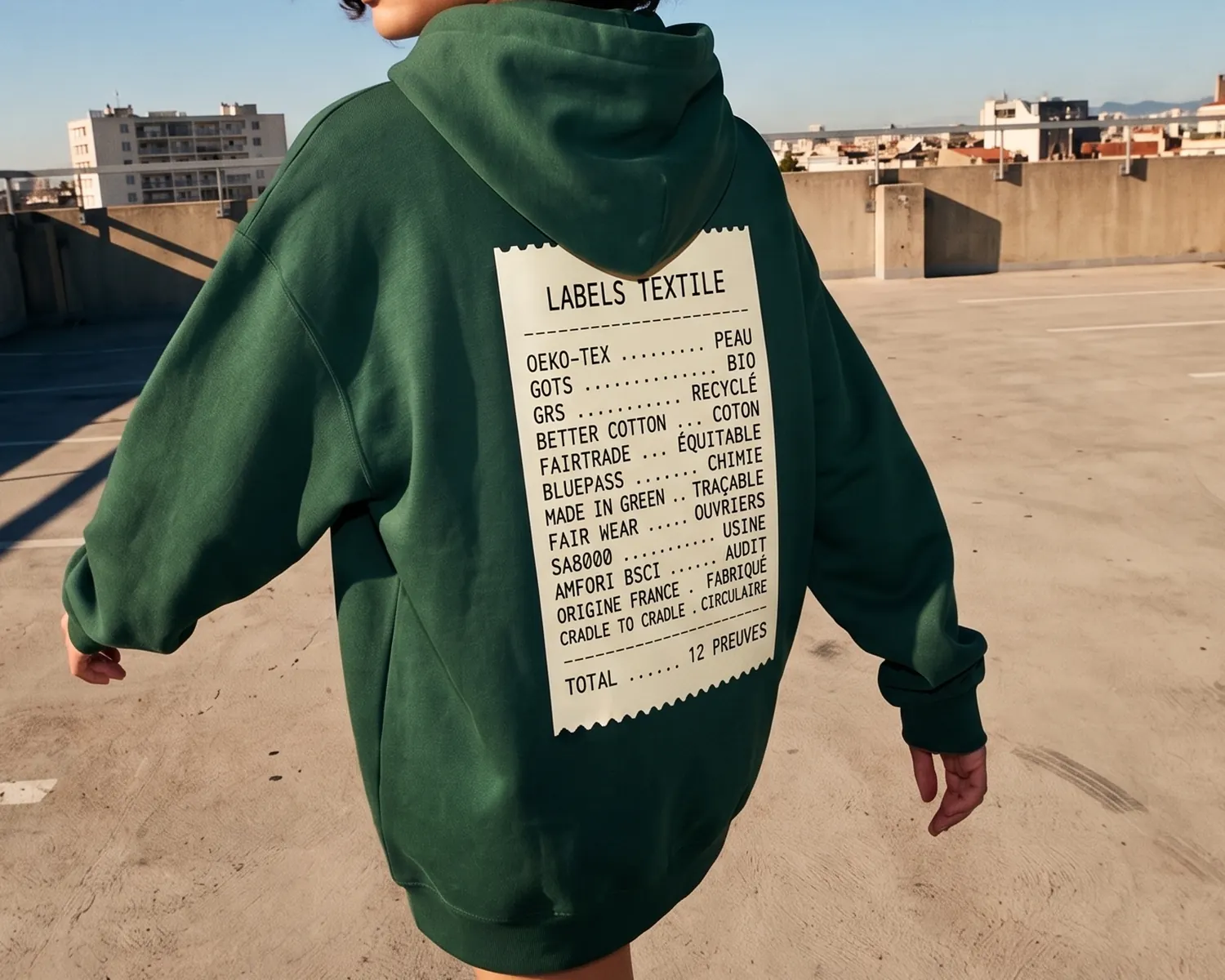
Textile labels: what GOTS, Oeko-Tex and the others guarantee
Twelve textile labels sorted by what they prove: the skin, the fibre, the factory, the workers, the origin, end of life. So you know which one to look for before choosing the garments for your merch.
Bluesign: definition, criteria and the new bluepass label
Bluesign checks the chemistry of textile factories, not the fibre: substances, water, air, worker safety. Its label is now called bluepass and can be verified by QR code.
BSCI certification (amfori): definition, audit and A to E ratings
BSCI is not a certification but a social audit of factories, rated A to E and reserved for suppliers of amfori members. What it checks, what its ratings mean, and how to use it for your merch.
Better Cotton: definition, criteria and limits of the label
Better Cotton improves cotton farming in 24 countries without being organic: mass balance, a new label with 30% traced cotton, and what to write on your merch.

Softshell: definition and use for merch
The softshell in one citable definition: the three laminated layers that block the wind, what it really protects from (and what it doesn't), and why it became the team wardrobe jacket.
Recycled polyester: definition and use for merch
Recycled polyester (rPET) in one citable definition: how bottles become yarn, how to verify the recycled share with the GRS label, and what this fiber changes or not for a garment.

Concert merch: create and sell your band's own
Merch has become a vital revenue stream for artists. What actually sells at the table, the codes of the tour t-shirt, on-demand production that kills unsold boxes, and the rights you need to know.
SA8000: definition and use for merch
The SA8000 standard in one citable definition: the social certification that audits a factory, its nine ILO-based requirements, and where it sits next to Fair Wear, GOTS and Fairtrade.
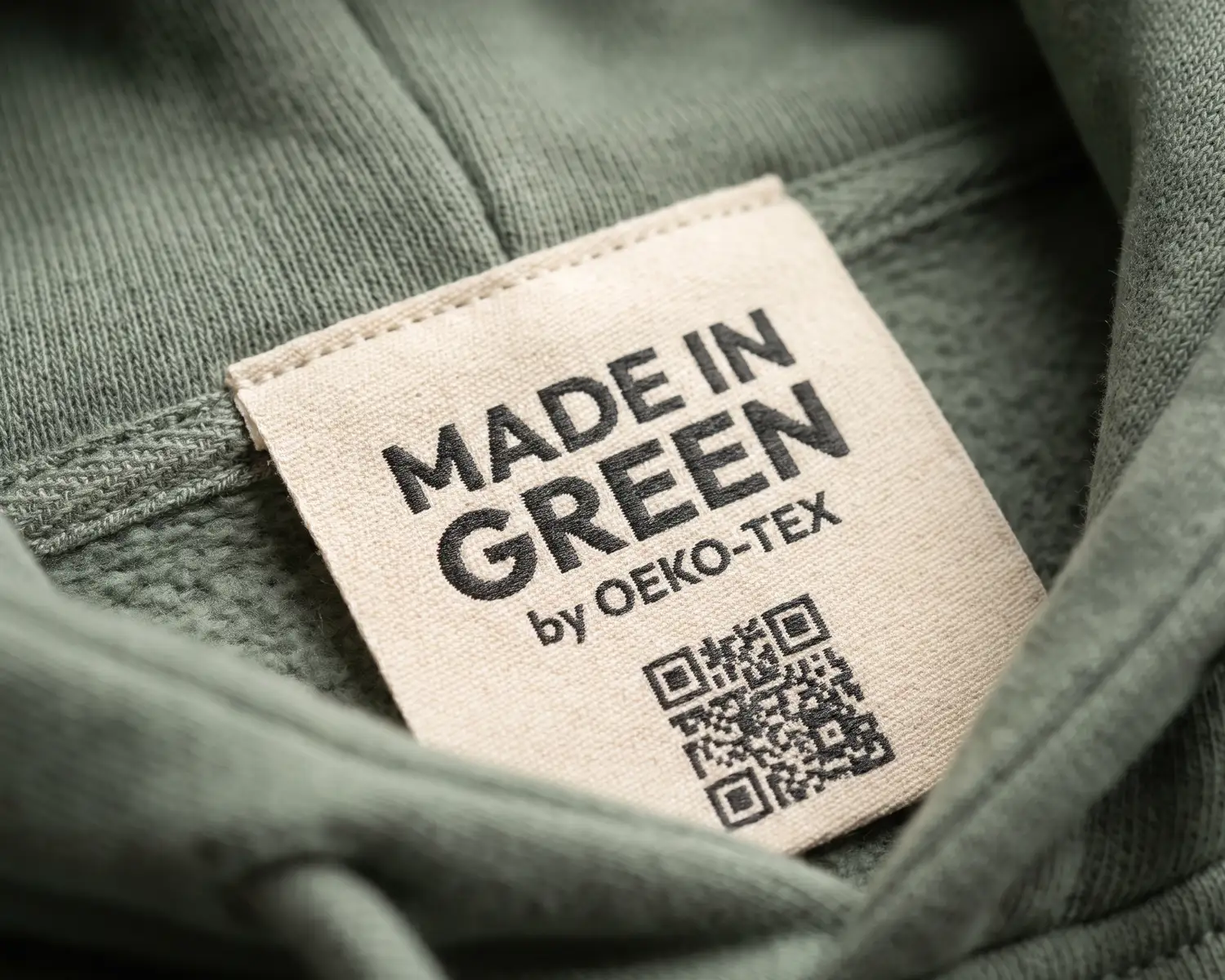
Made in Green: definition and use for merch
The Made in Green by OEKO-TEX label in one citable definition: tested product, audited factories, and the ID on the label that traces where the garment was made.
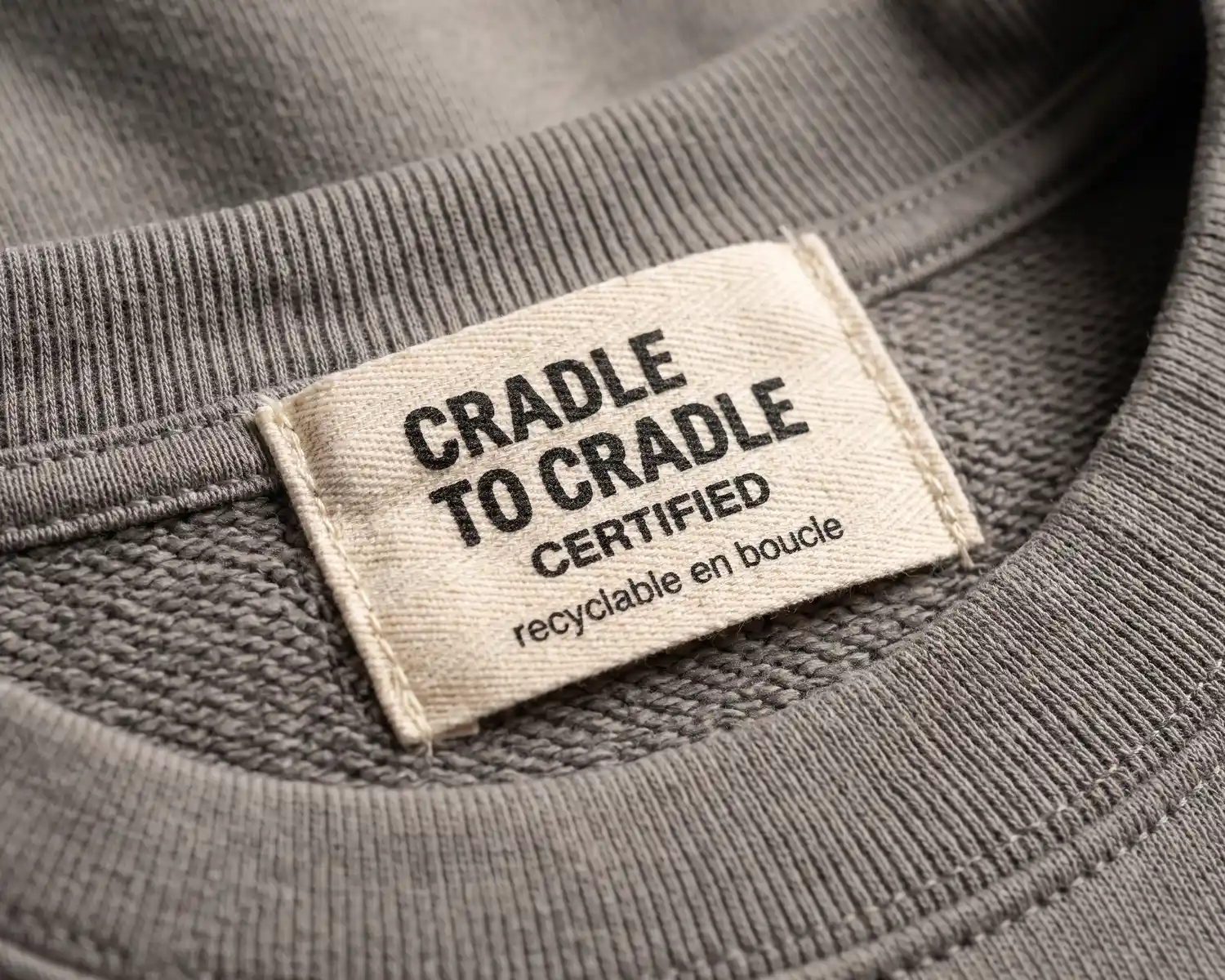
Cradle to Cradle: definition and use for merch
The Cradle to Cradle certification in one citable definition: products designed to live again indefinitely, the five scored criteria, the Bronze to Platinum levels, and what it means for a garment.
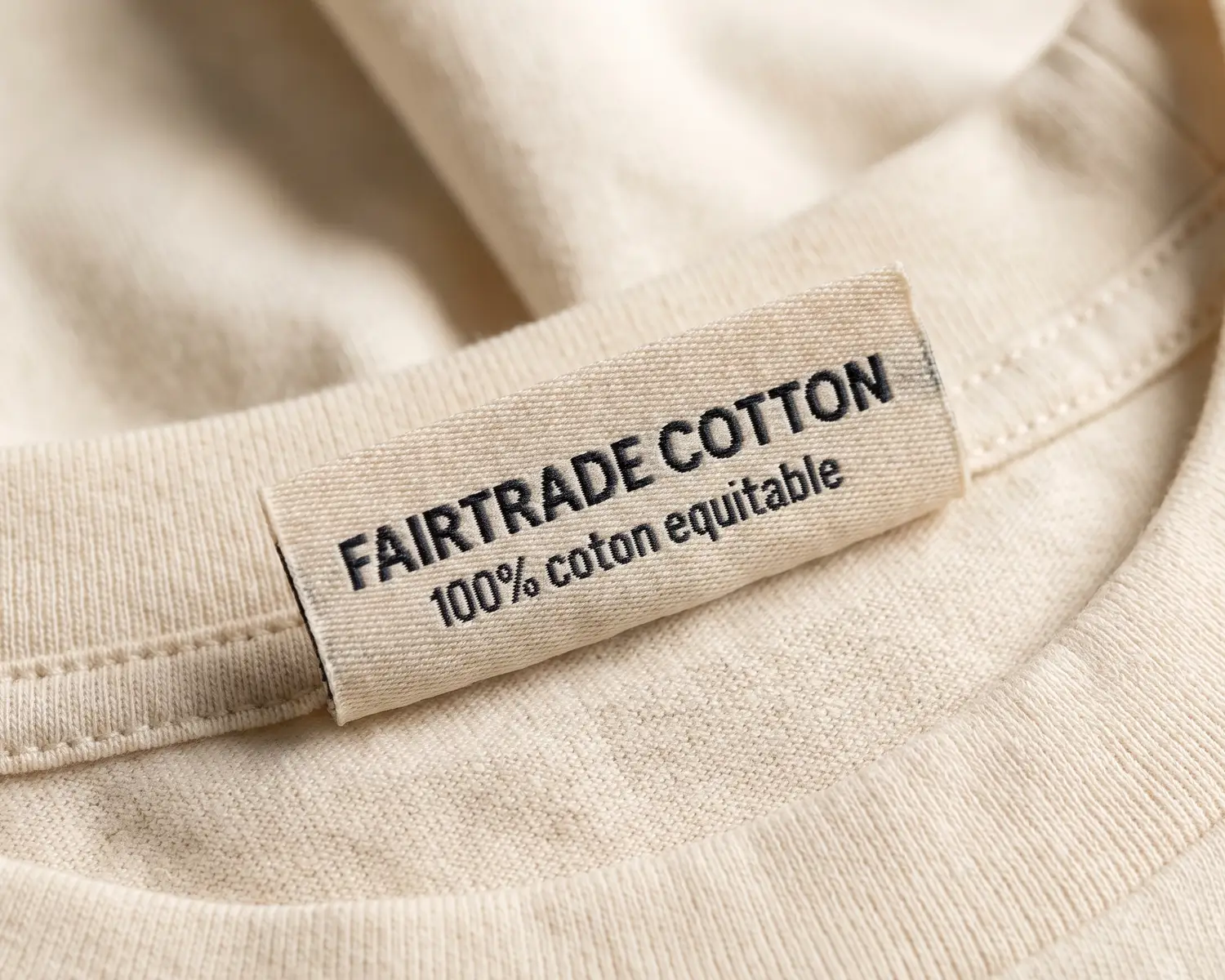
Fairtrade cotton: definition and use for merch
Fairtrade cotton (the Fairtrade/Max Havelaar label) in one citable definition: what the fair trade label guarantees the cotton farmer, what it doesn't say about the garment, and how it combines with organic.
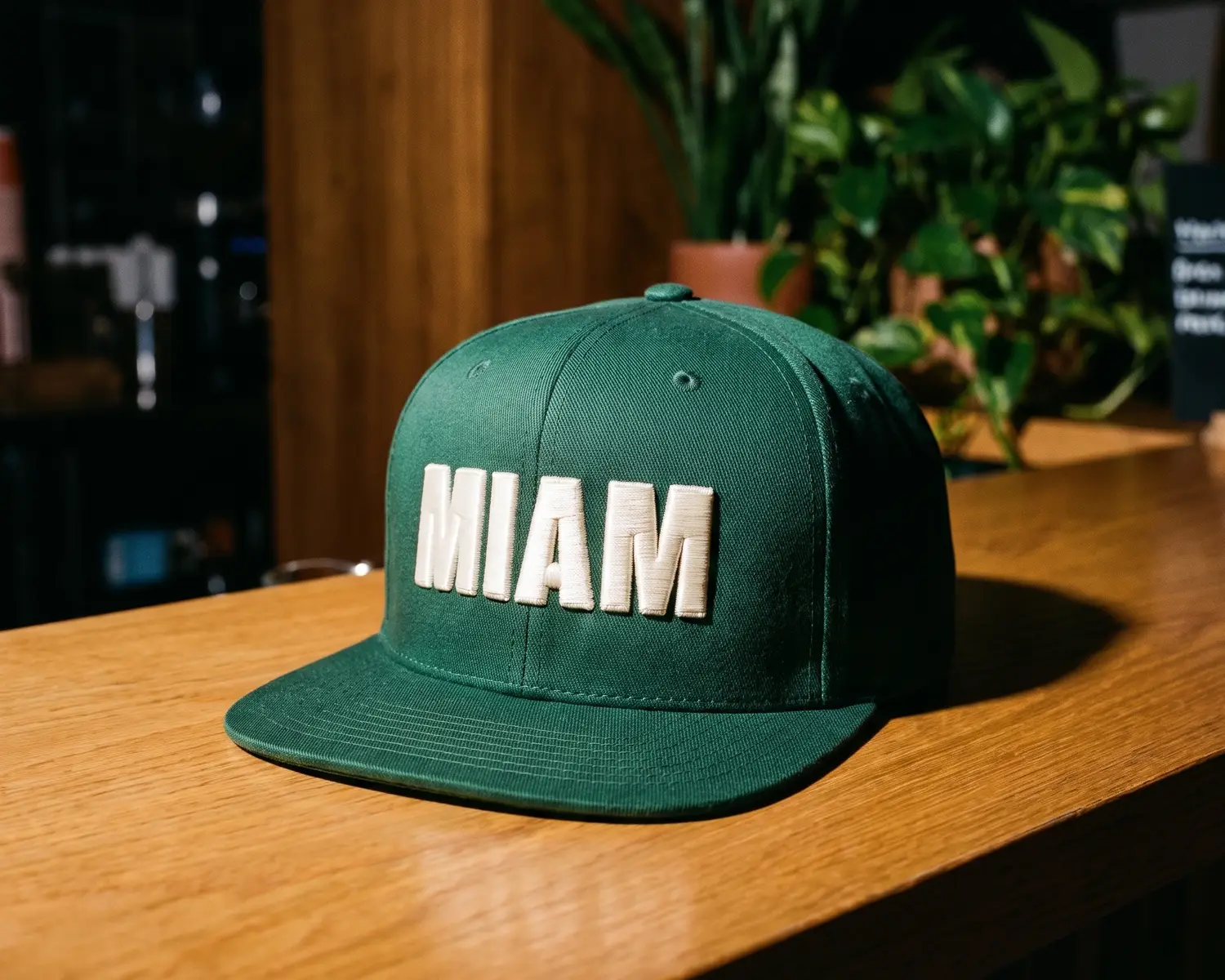
3D embroidery: definition and use for merch
3D embroidery in one citable definition: the domed relief of foam under the thread, the signature of caps, and what to know before putting your logo on it.

Pilling: why it happens and how to avoid it?
The little fiber balls that invade a sweatshirt are not inevitable: where pilling comes from, which materials resist it, how to choose a garment that stays clean, and how to rescue one that already pills.
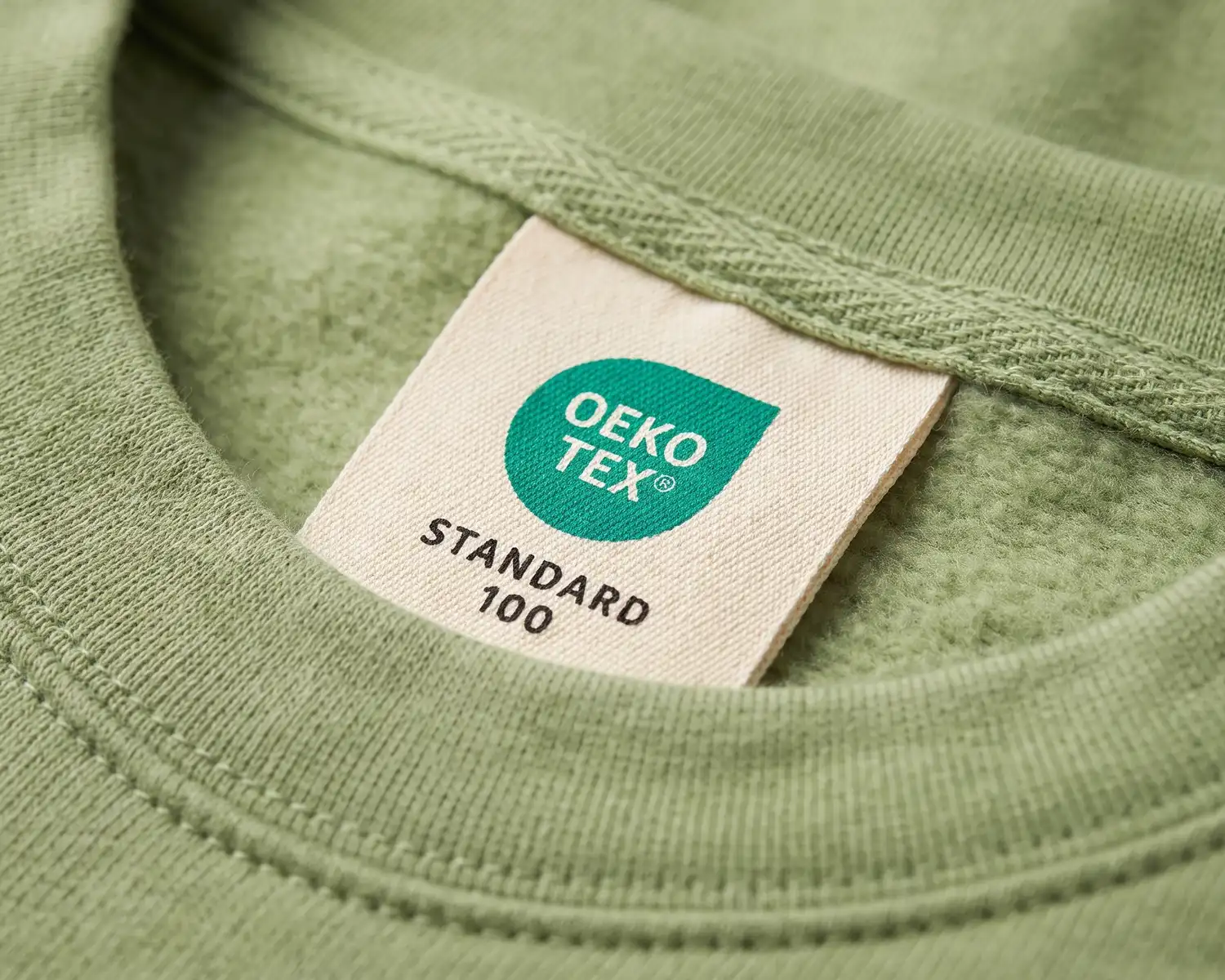
Oeko-Tex label: definition and use for merch
The Oeko-Tex Standard 100 label in one citable definition: what it controls, the class that matters for merch worn against the skin, and how to verify a certificate.
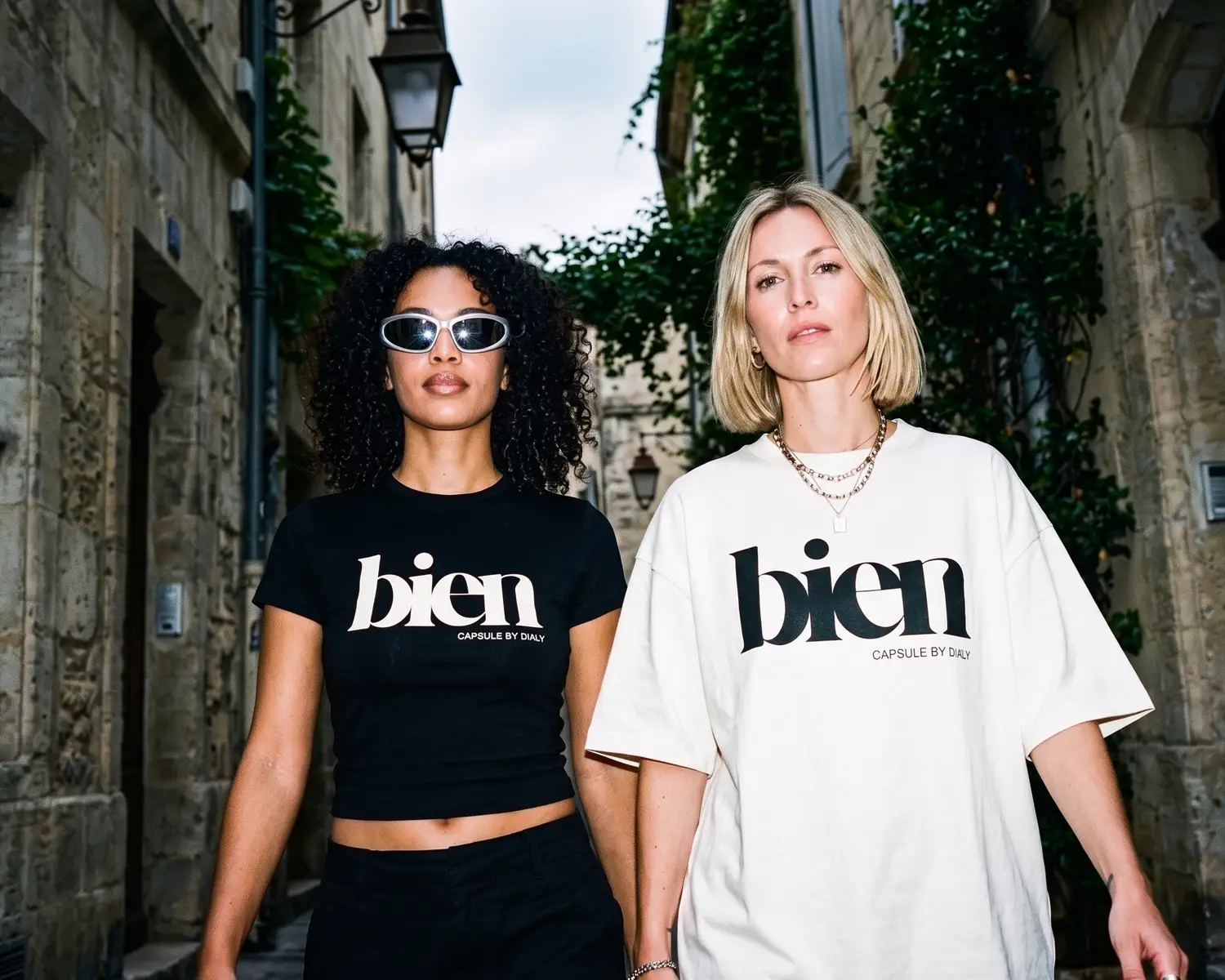
Capsule collection: how to launch with 0 stock?
A capsule collection lives on few pieces and a short window, which is exactly what makes it risky to produce the old way. How on-demand production removes that risk, and how to build a short capsule people actually want.
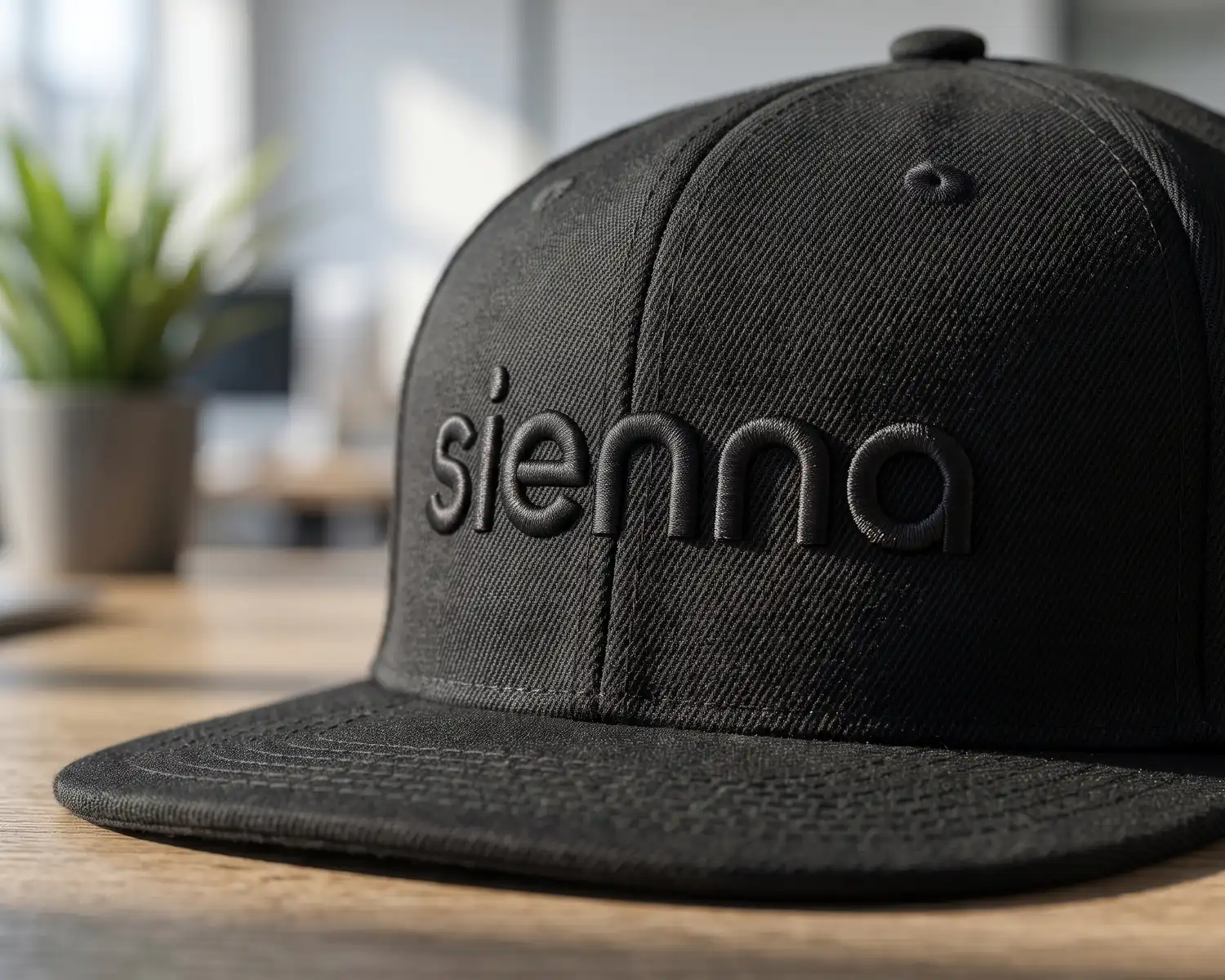
Tone-on-tone embroidery: the trend that reads as premium
Thread in the same shade as the fabric, a logo that only reveals itself in the light: why tone-on-tone embroidery has become the discreet language of premium, and how to choose it well.
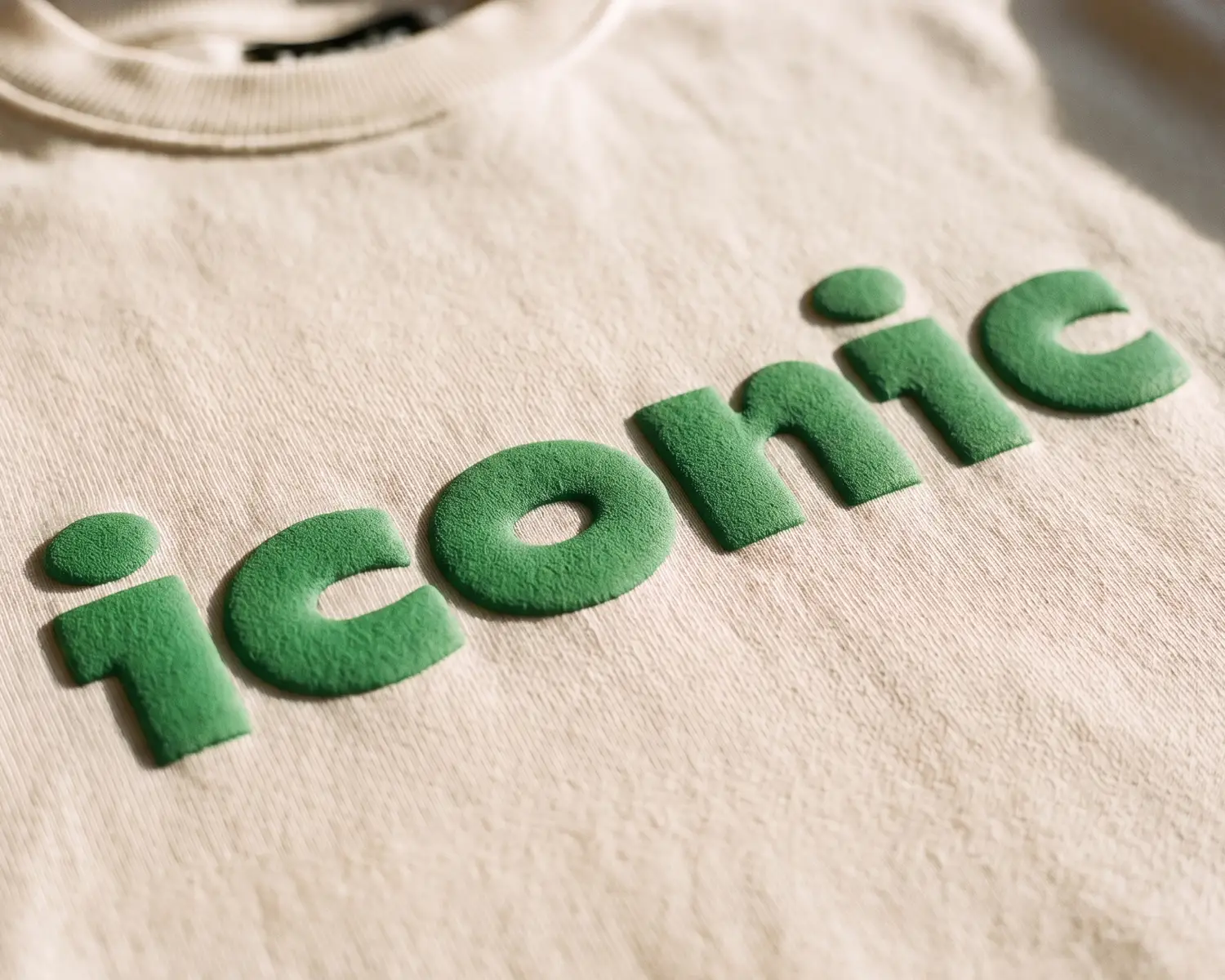
Puff print and raised textures: the trend explained
An ink that puffs up when cured, a foam-like relief you feel before you even see it: puff print's style codes, and how it compares to 3D embroidery.
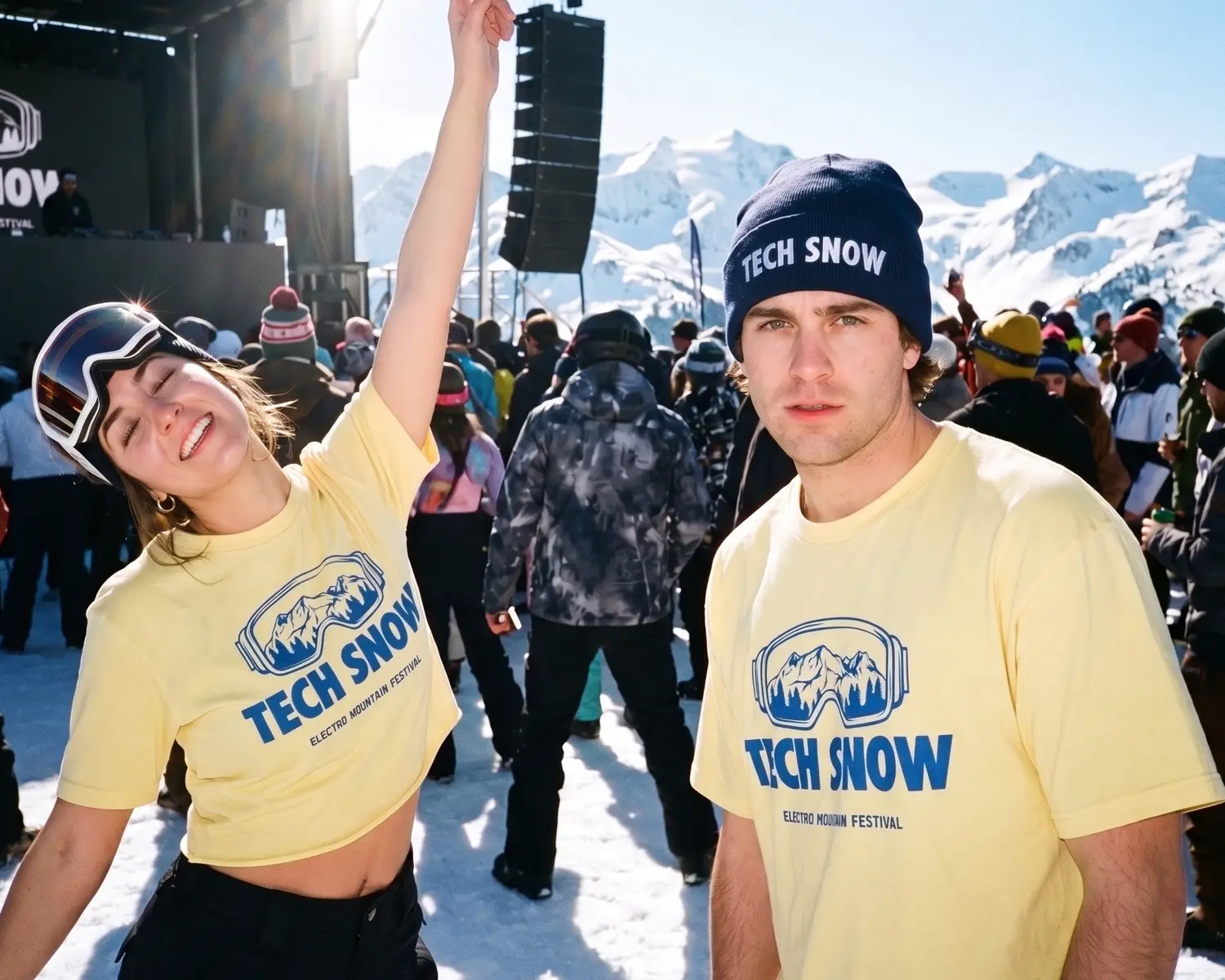
Festival merch: your second box office
Selling merch to your festival crowd can become a real second revenue line, not just an improvised stand on the day. The method: pre-order as soon as tickets open, the exact quantity, zero leftover stock after the event.
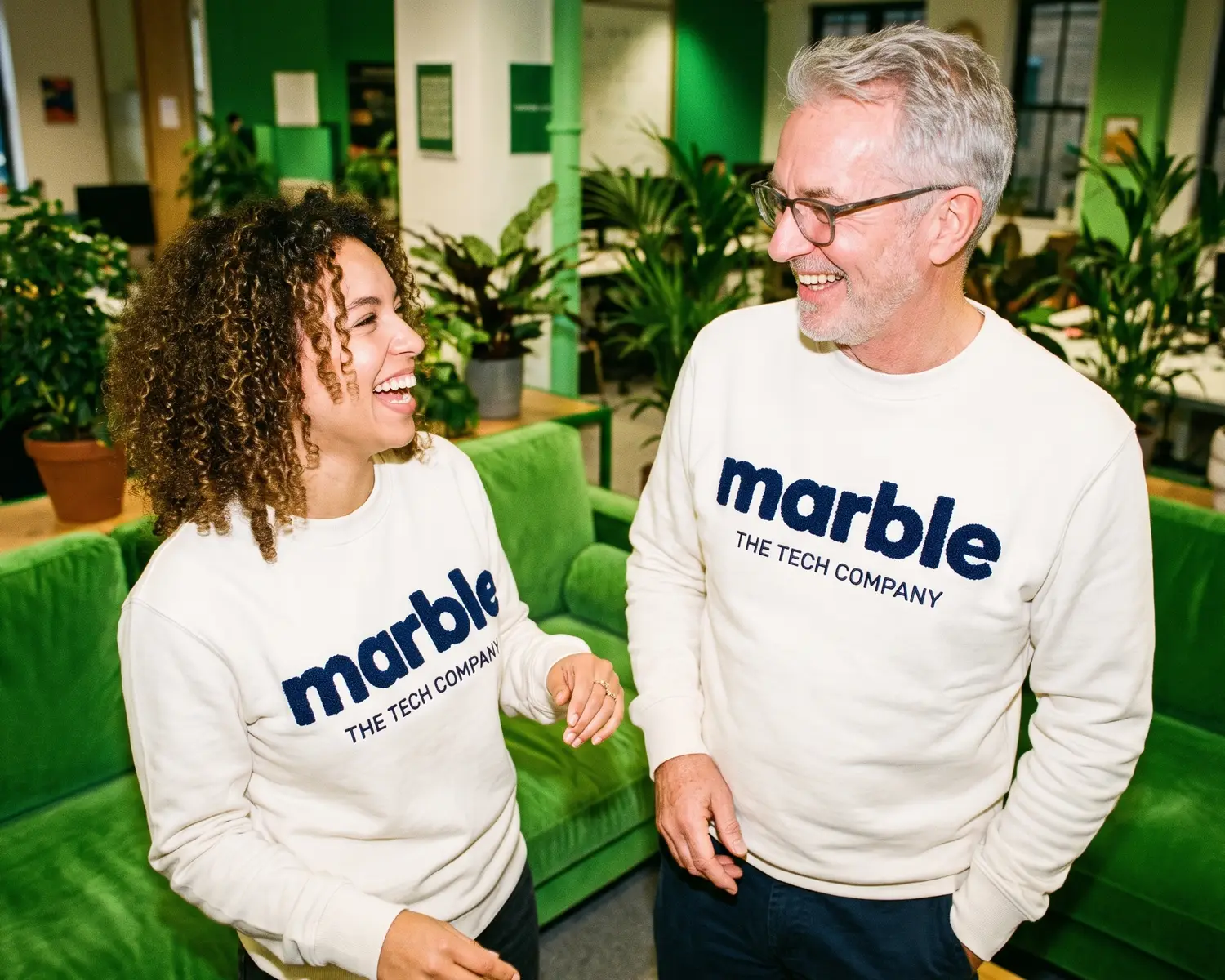
Chenille embroidery: maximum impact on your brand image
The thick looped thread with real texture, the varsity look associated with letterman jackets: the technique that turns a logo into a piece people actually want to wear.
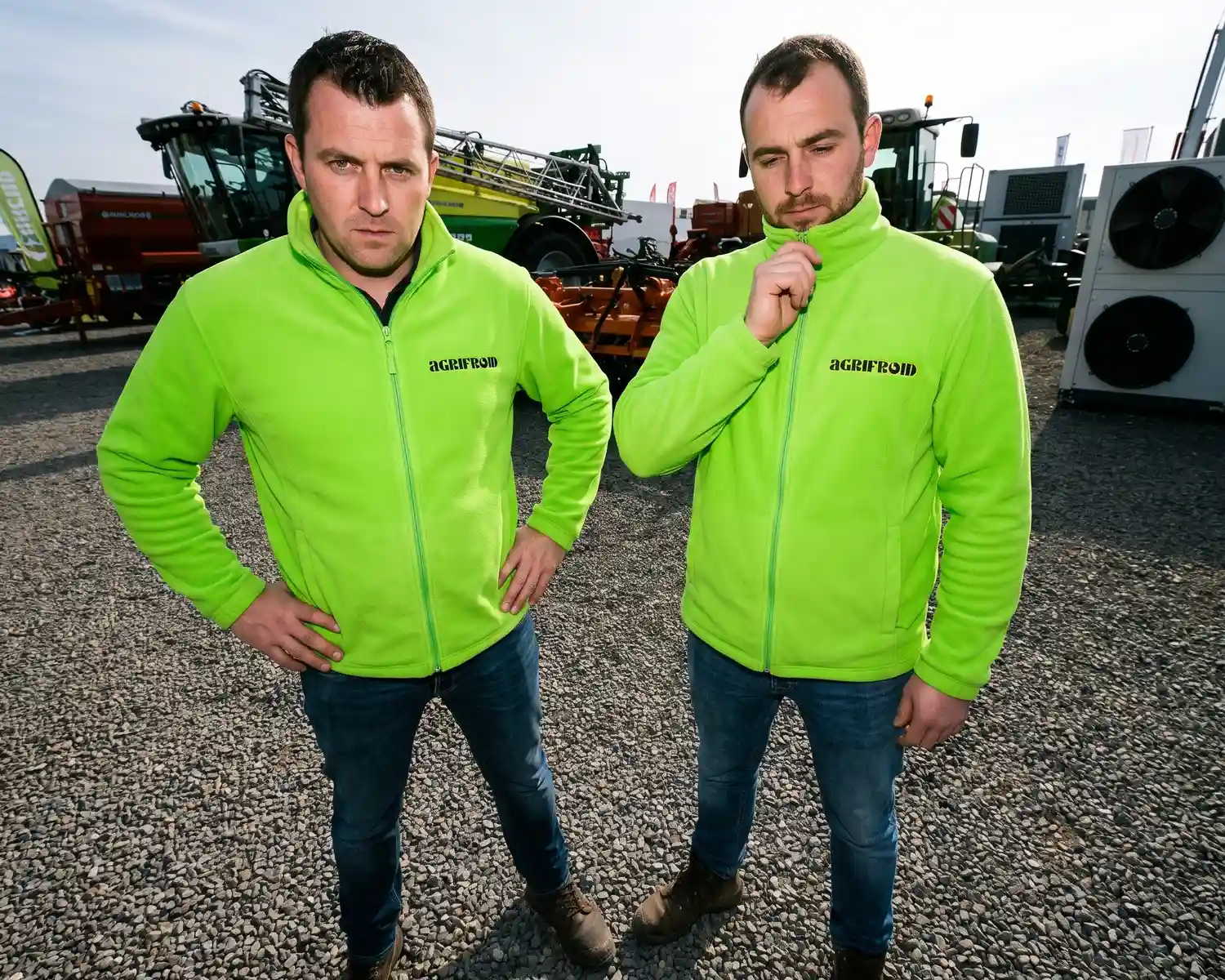
Fleece and microfleece: warmth without the weight
A polyester knit that traps air to insulate without adding weight: the material explained, its microfleece variant, and why screen printing doesn't take on every fleece.

Cotton or polyester: what to choose to outfit a team
Cotton's comfort, polyester's durability: the right call depends on the use case. The guide to outfitting a group without picking the wrong fabric.
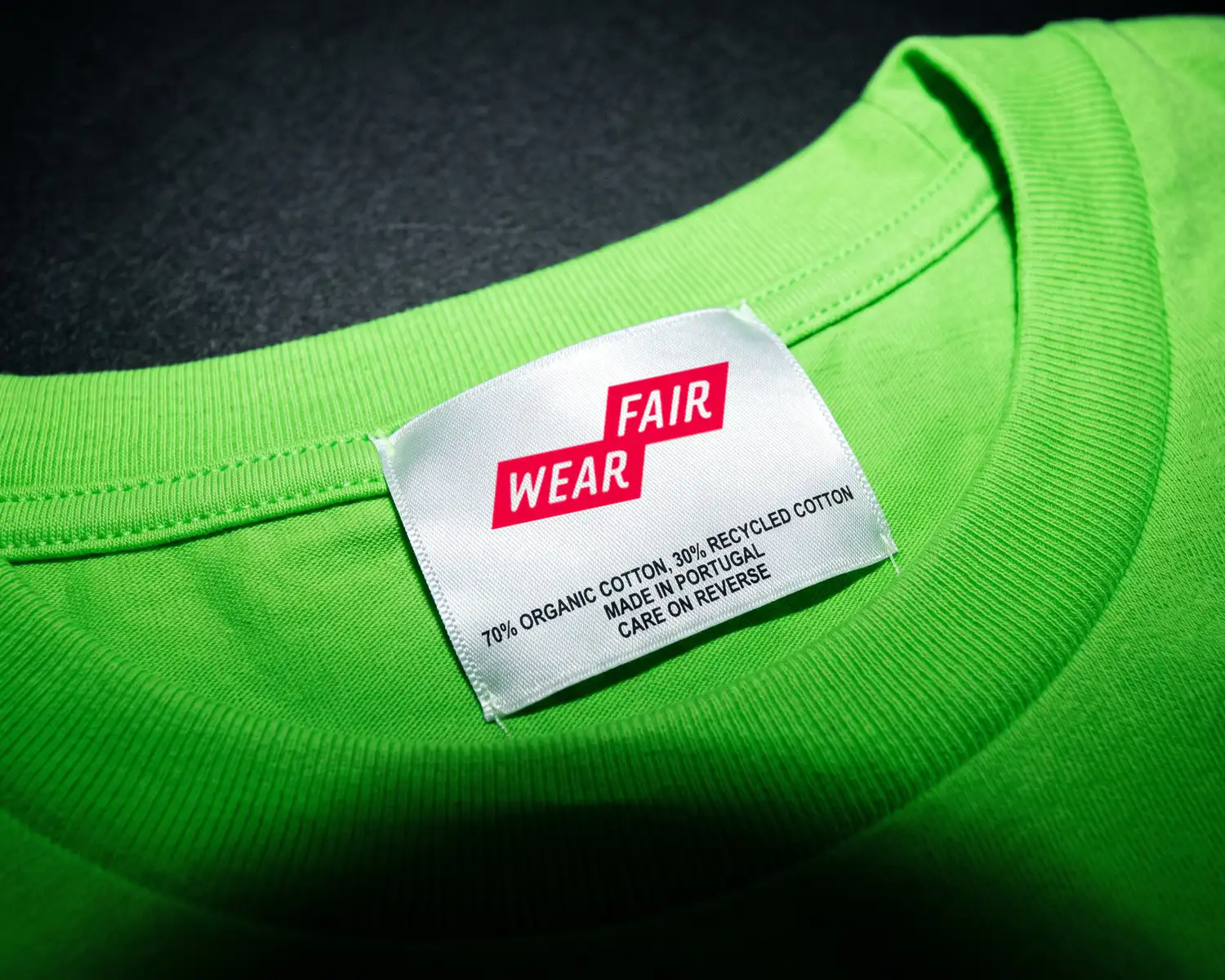
Fair Wear: what this label on working conditions actually guarantees
A brand recognition, not a product logo: what Fair Wear actually audits, and why it's not comparable to GOTS.
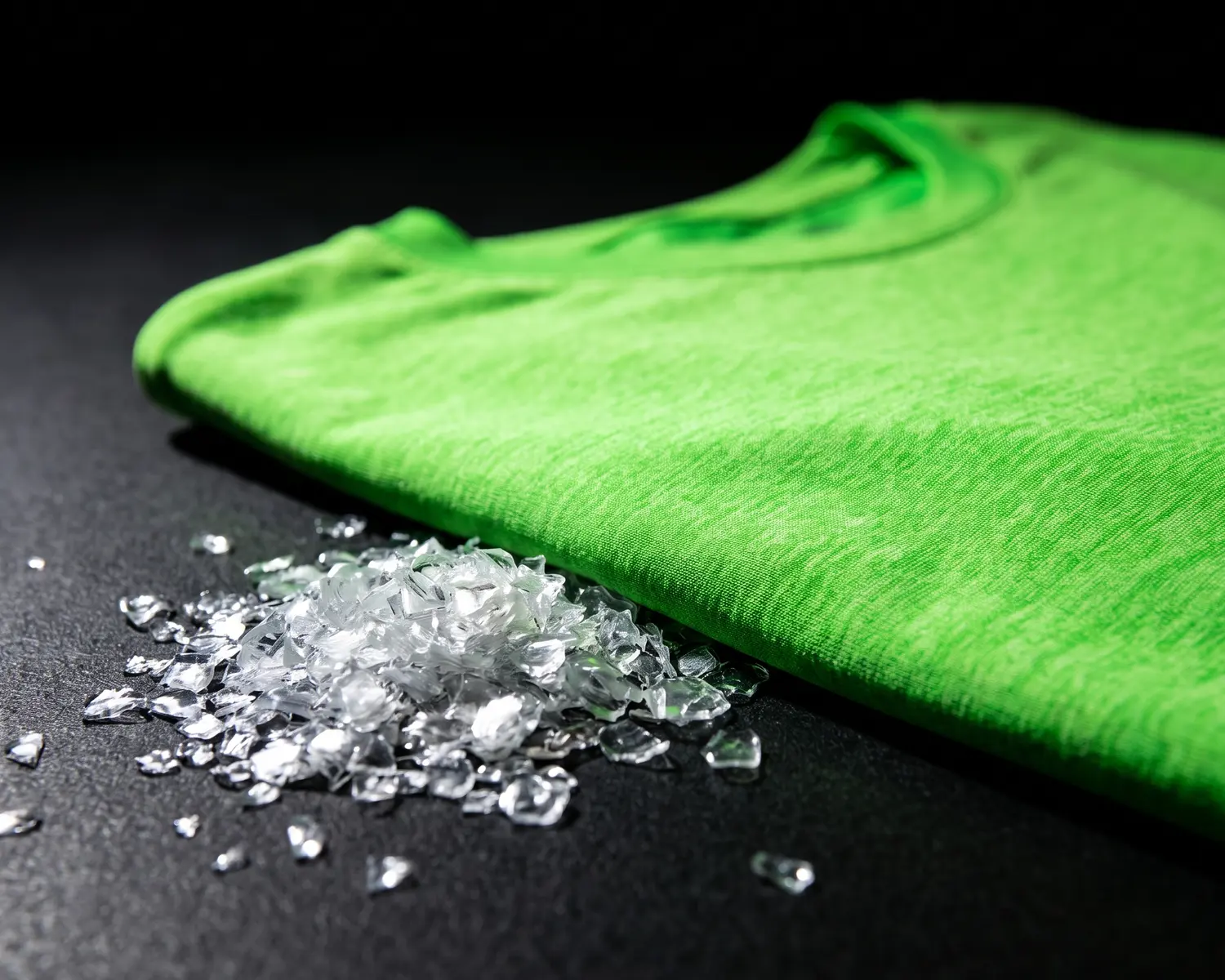
GRS (Global Recycled Standard): what the certification guarantees on a recycled textile
The certification that truly audits a textile's recycled content: its two thresholds (20% and 50%), and what a plain 'recycled polyester' label doesn't guarantee.
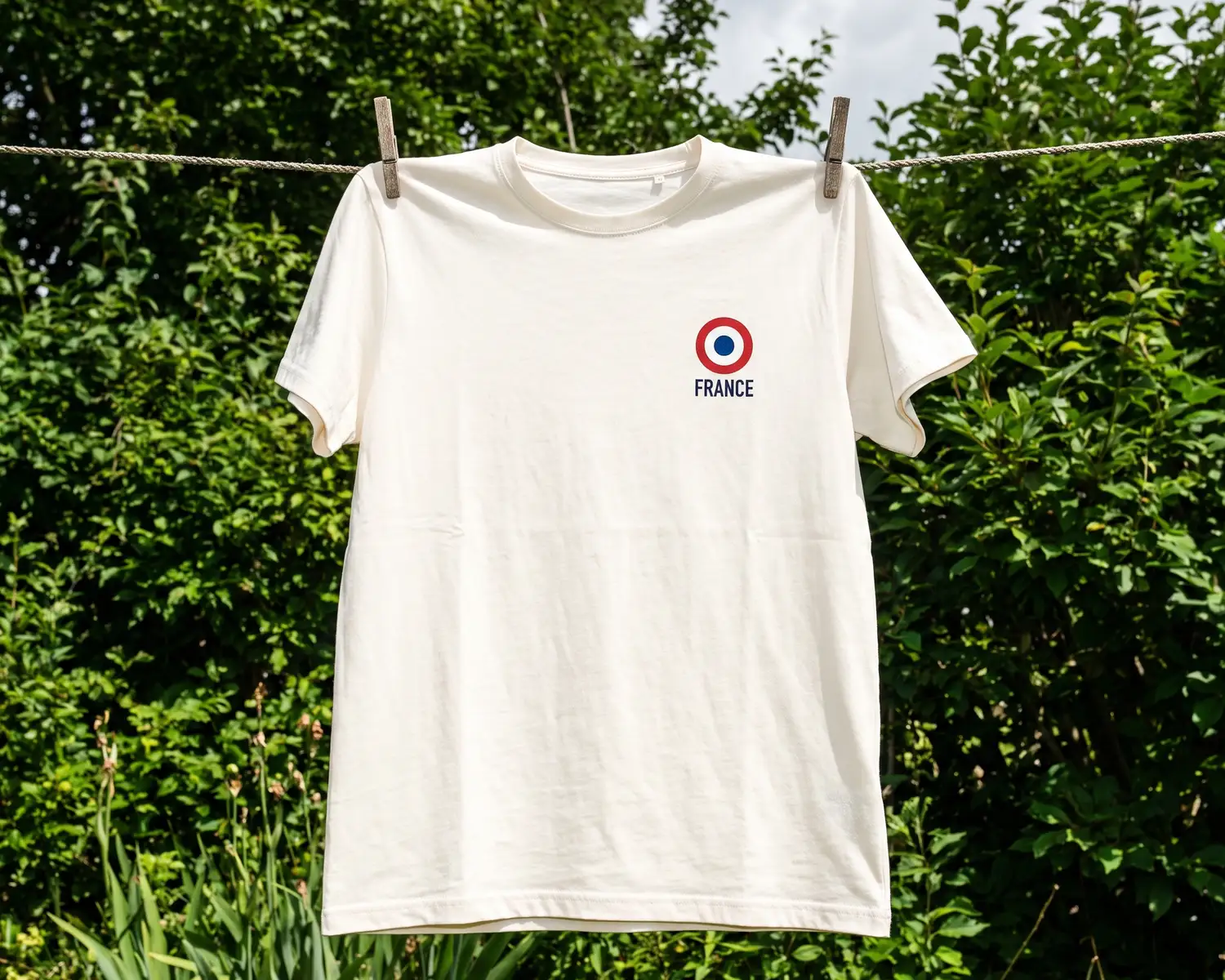
Origine France Garantie: what the certification actually guarantees for a textile
The only certification that truly audits a garment's French manufacture: its two criteria, and what sets it apart from a plain 'Made in France' claim.
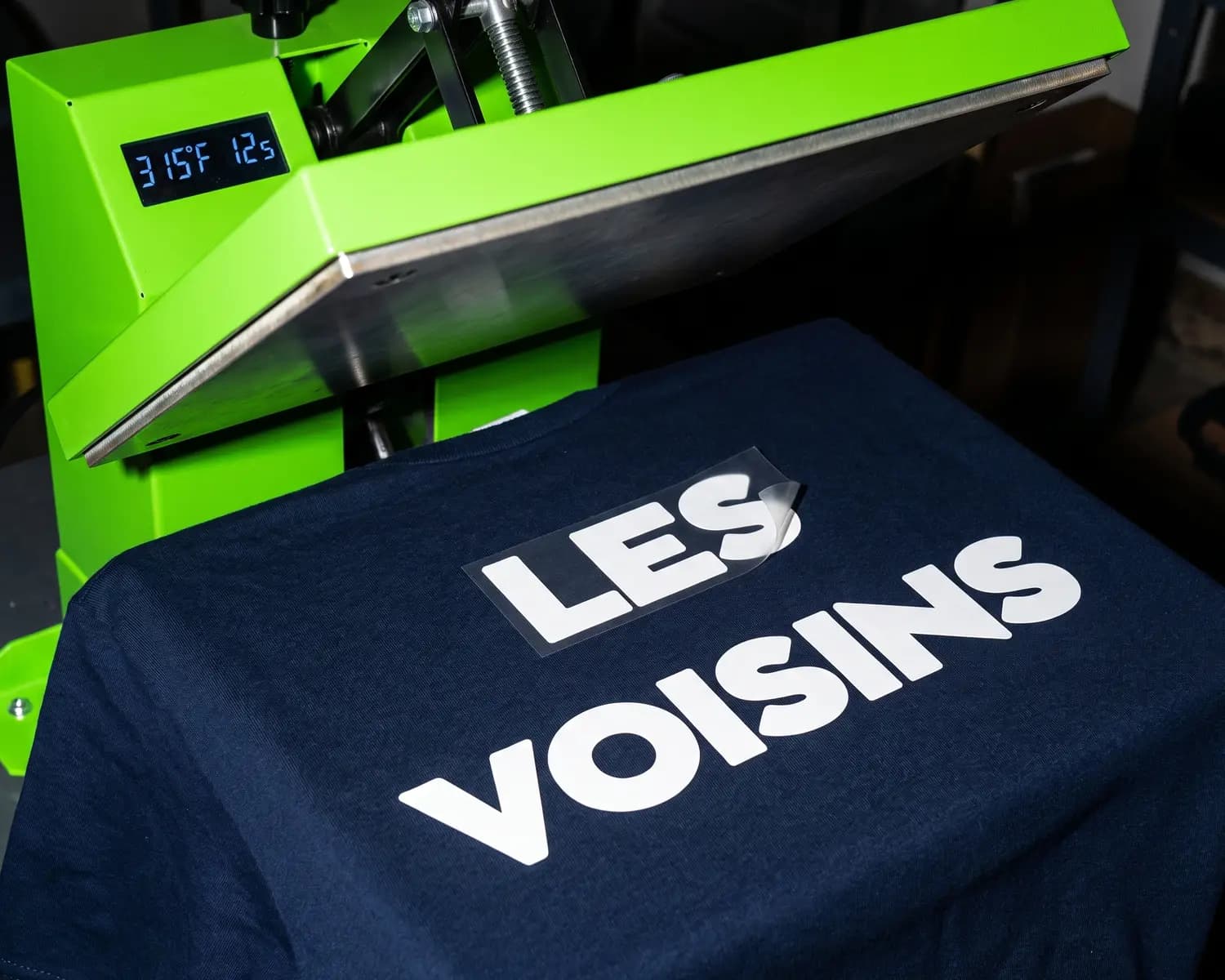
Flocage (flock printing): what the word really means
The word everyone uses, but that no longer means the same thing: the real historical technique, and what people call flocage today.
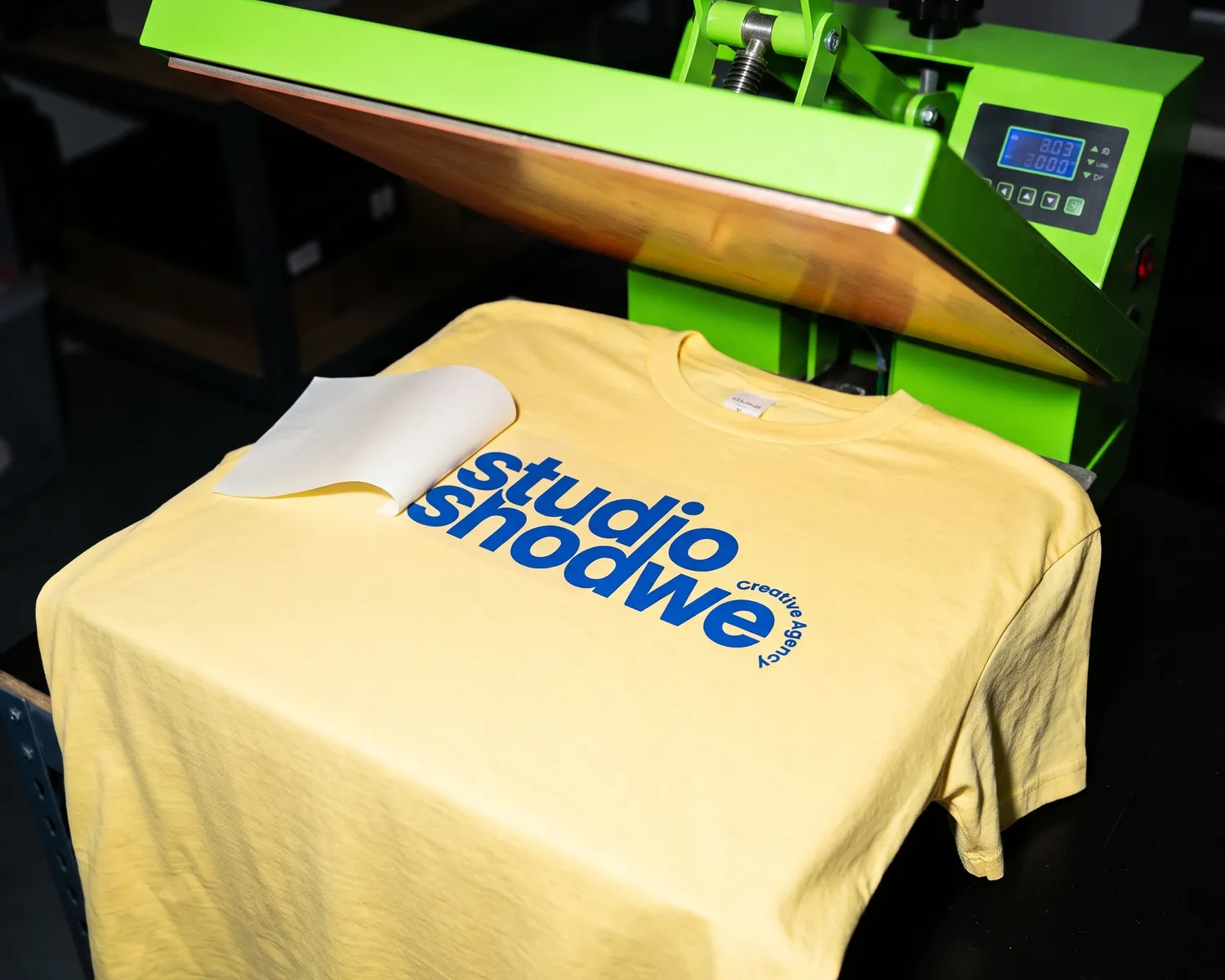
Screen-print transfer: how it works, and why it exists
The technique that prints the design on paper before heat-pressing it, so it can be prepared and stocked ahead of knowing the final garment.
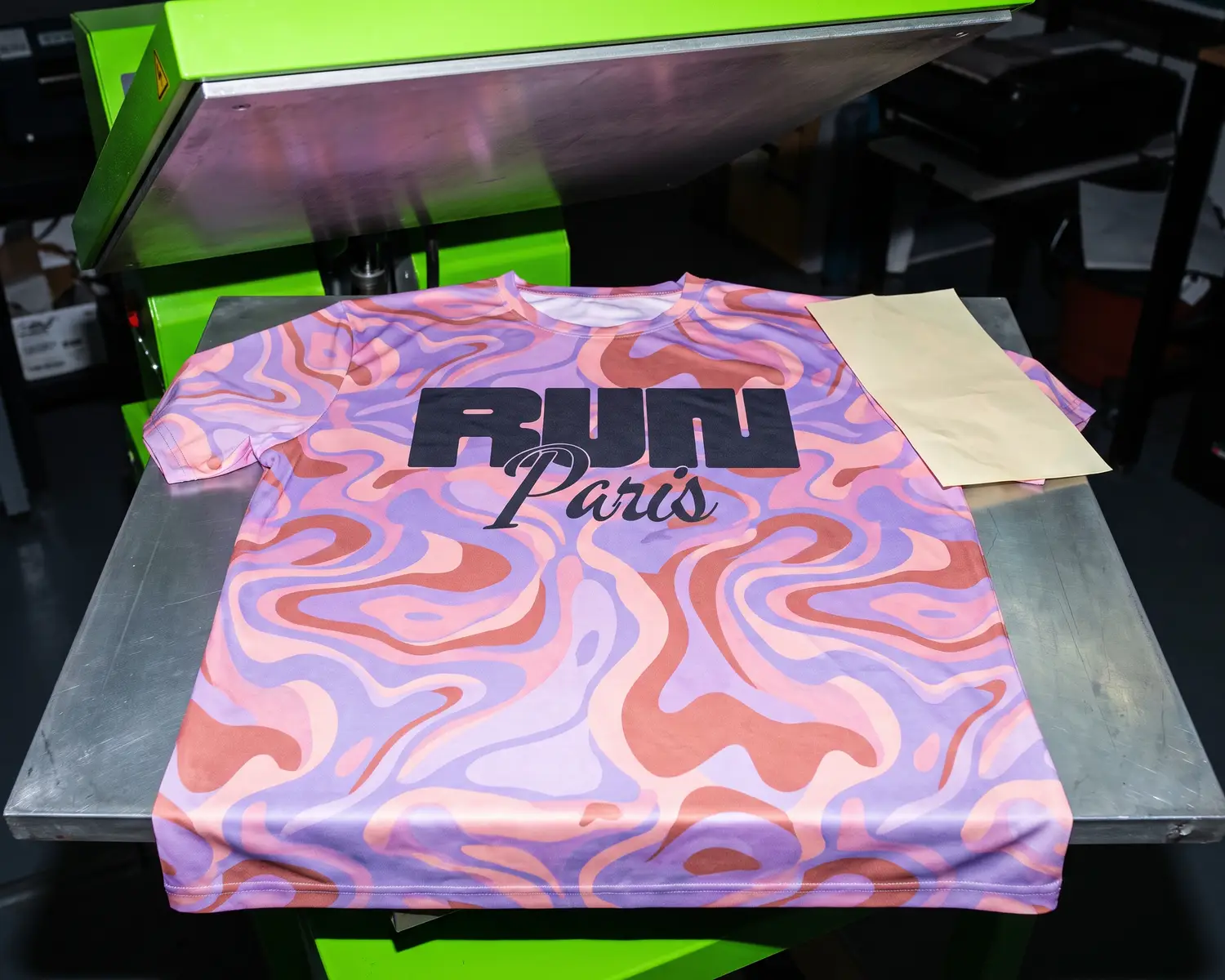
Sublimation printing on textile: how it works, and its real limit
The technique that fuses ink into the fiber for edge-to-edge printing with no color limit, but only works on light-colored polyester.
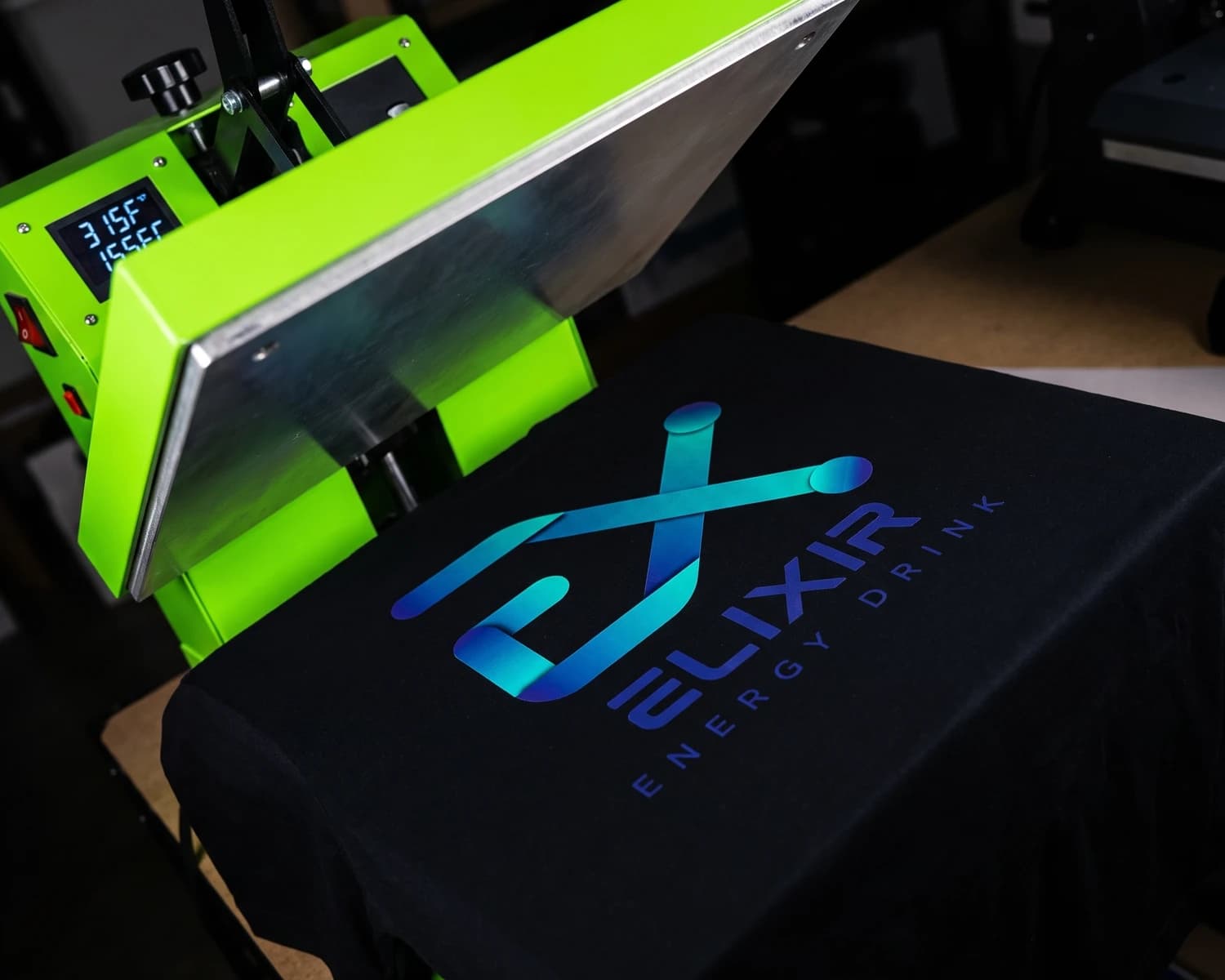
Four-color (CMYK) printing on textile
The printing mode that recreates every color from four inks: what it changes for a custom design, and where it's used.
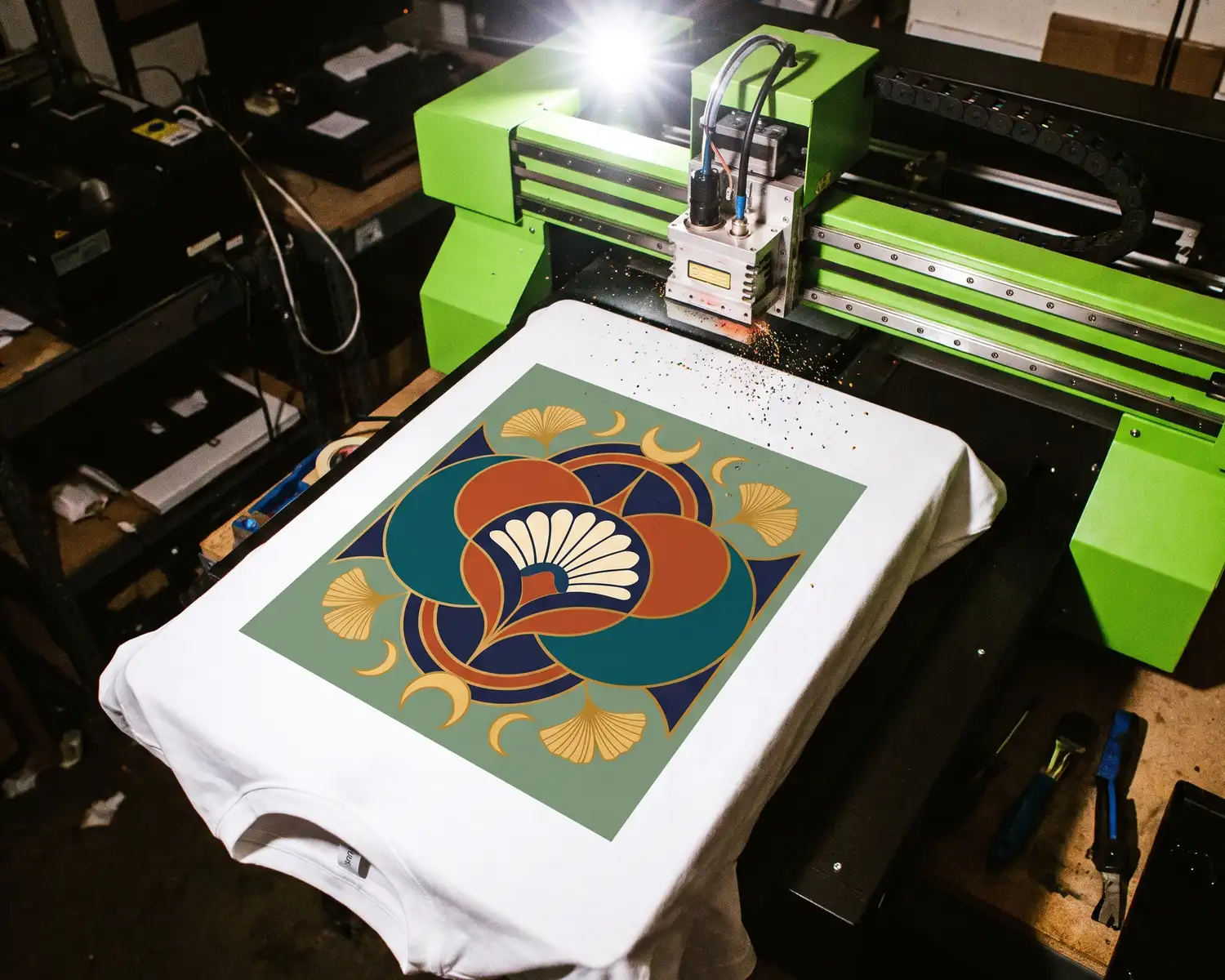
DTG printing: how does it work, and who is it for?
Digital printing straight onto the fabric: how DTG works, its real strengths, its real limits, and when to choose it.
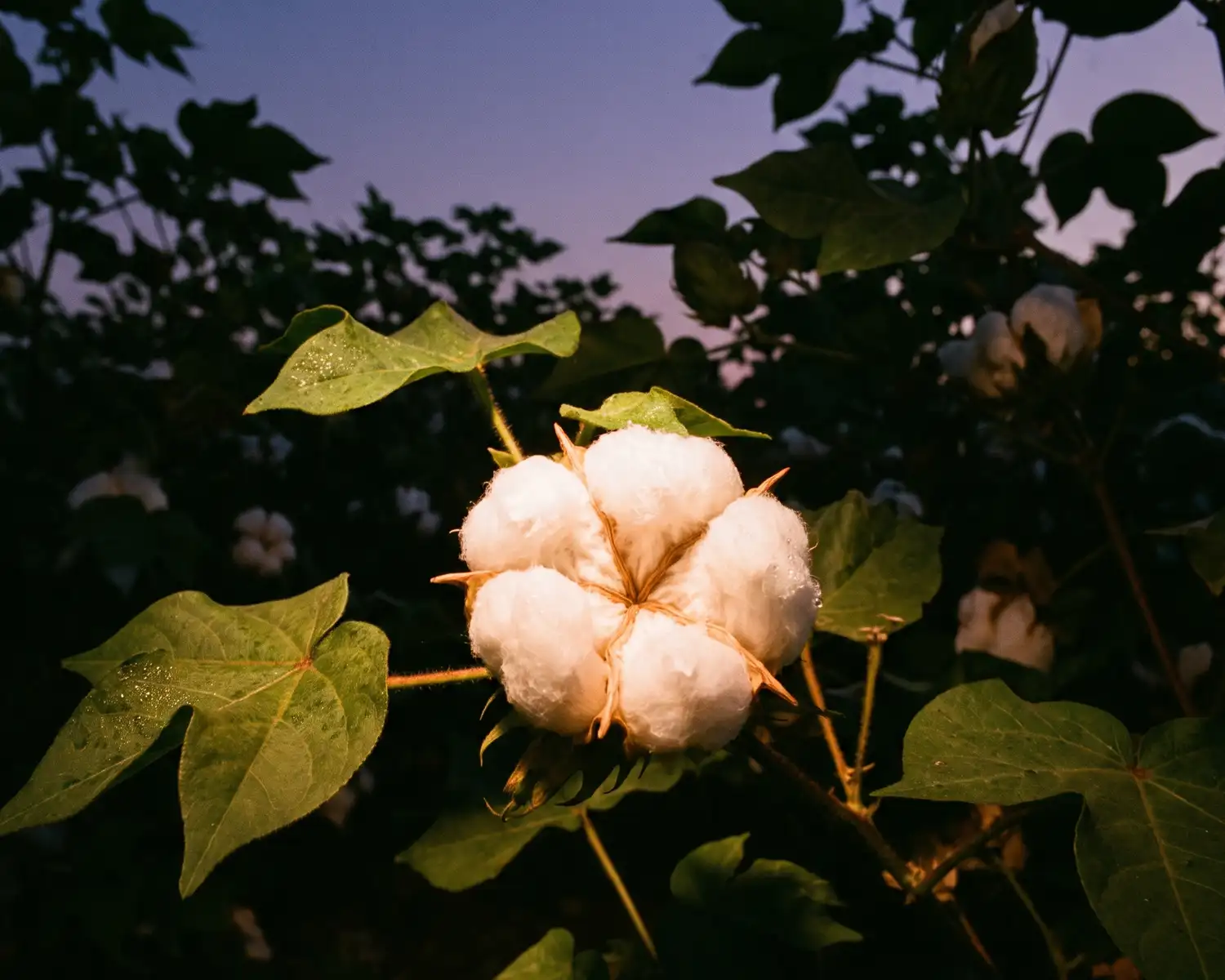
Why does organic cotton cost more?
Lower farm yield, a certified supply chain: why organic cotton costs more, and what we actually carry in Stanley/Stella, printing included.
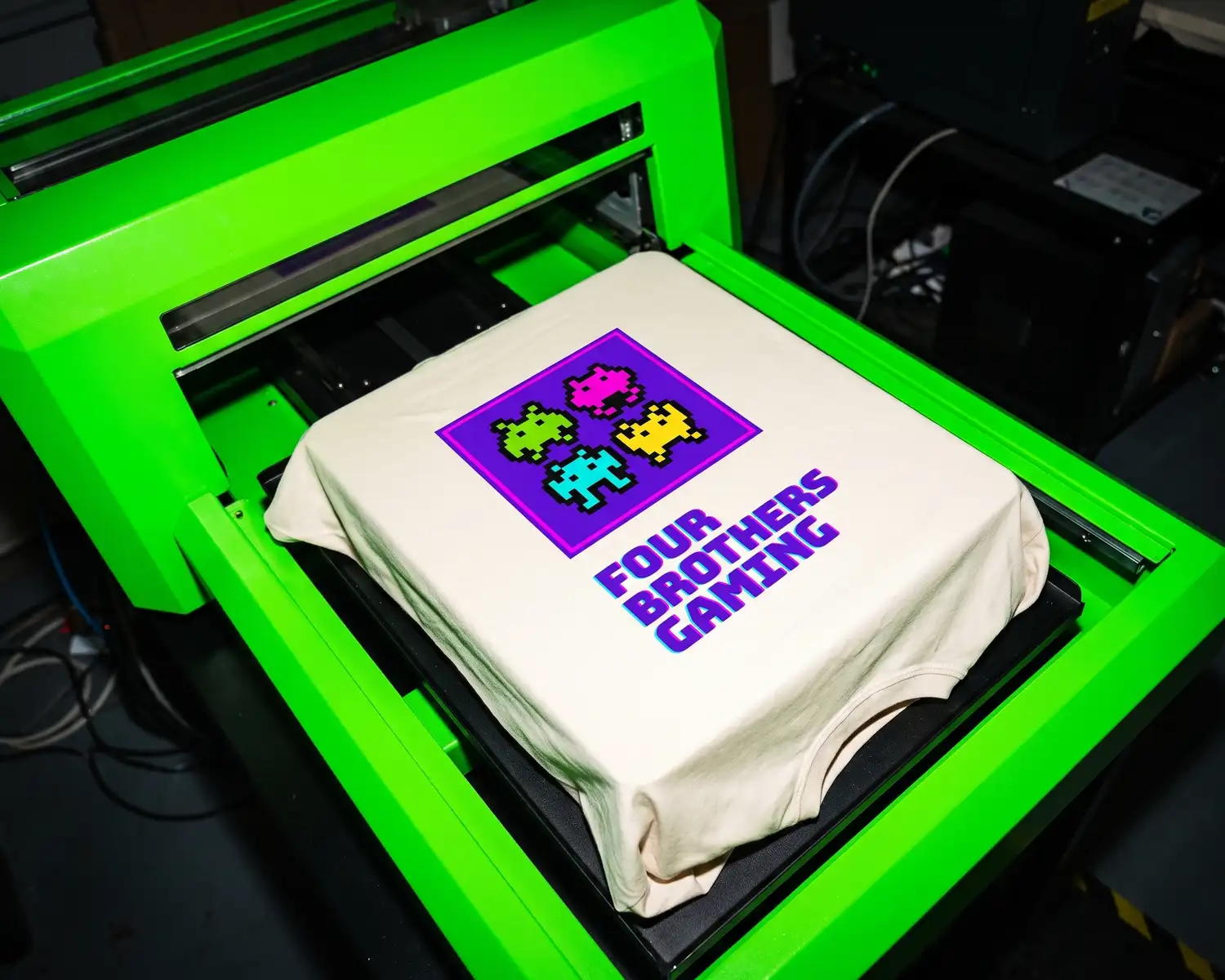
Print on demand in France: where things really stand in 2026
Global platforms or local production: the two worlds of French print on demand, what changed in 2026, and who it makes sense for.
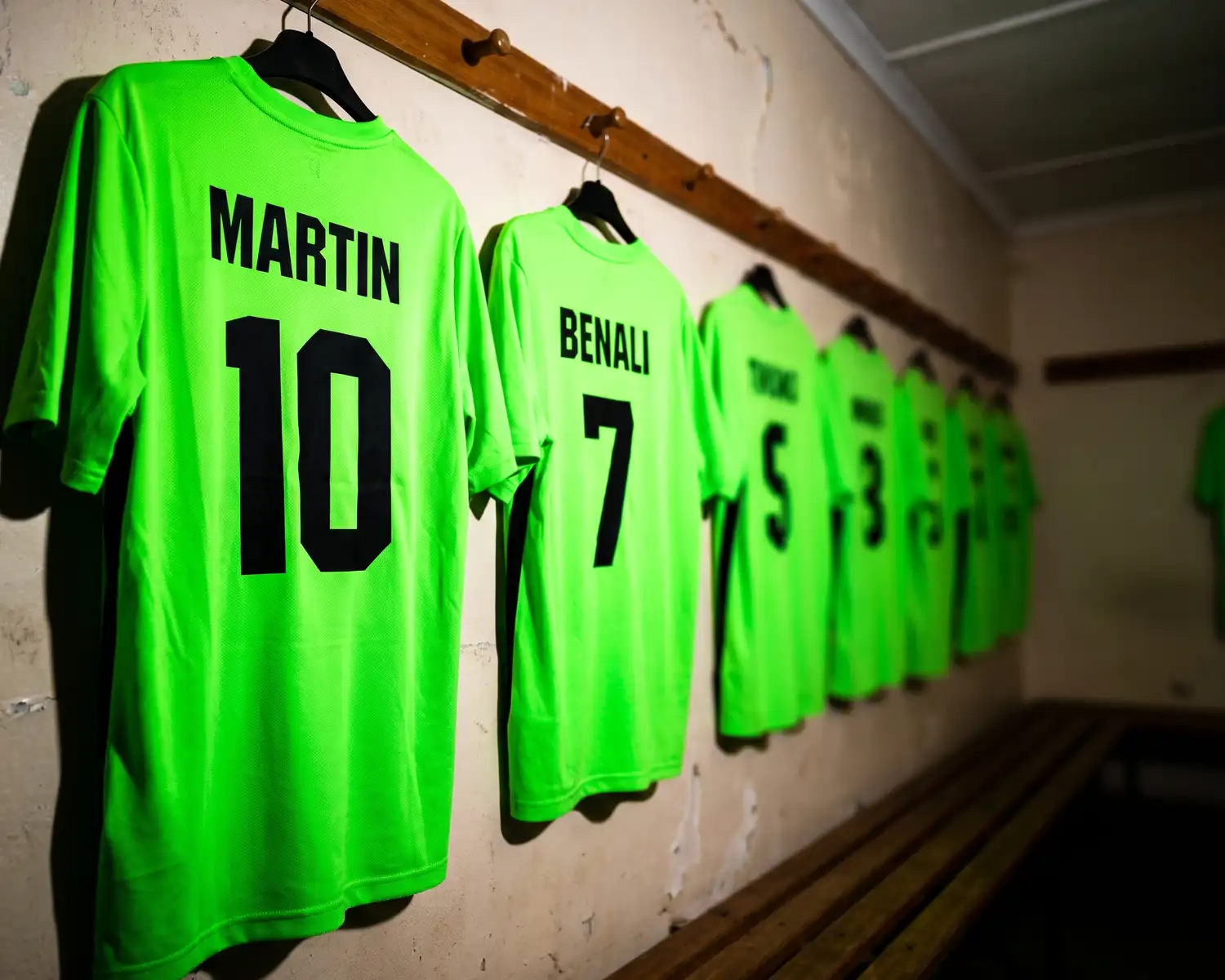
Jersey printing: name and number for every player, how it really works
The name-and-number technique, the player list that makes or breaks the order, what drives the price, and the people everyone forgets: the fans.
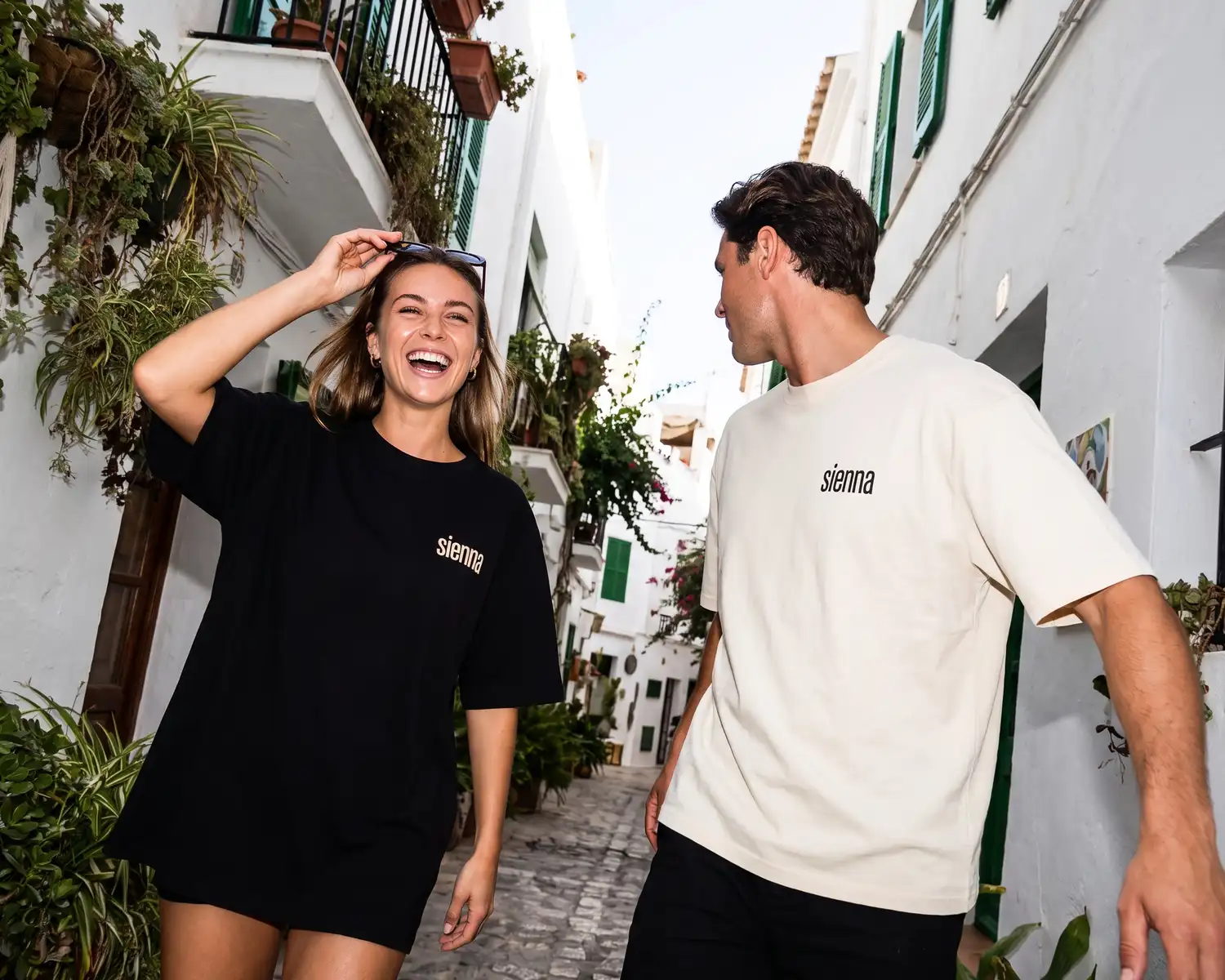
How to start a clothing brand in 6 steps (step 3 decides the budget)
The 6 steps to start a clothing brand, from concept to first drop, and the one business-model decision that sets your entire budget.
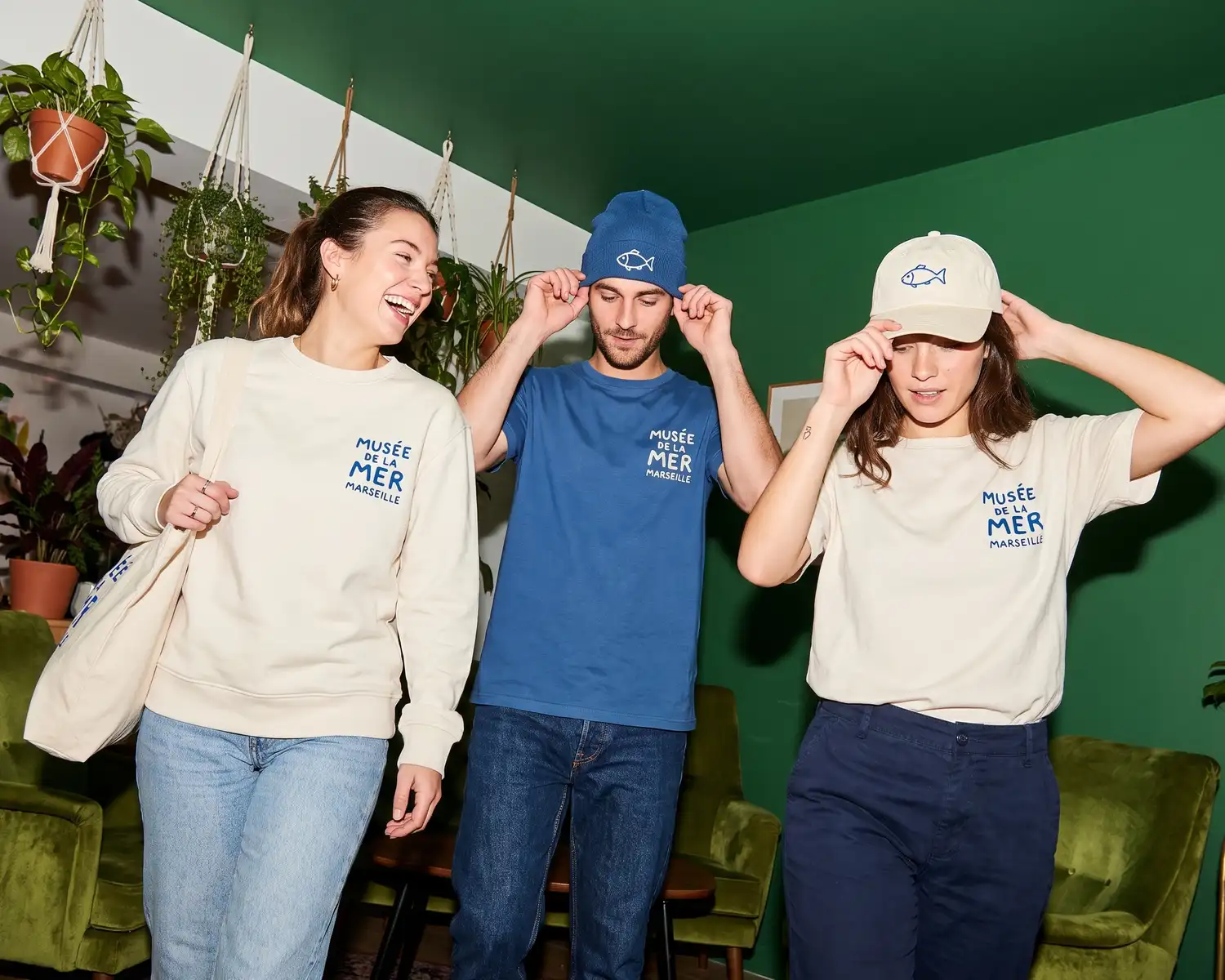
Merch: definition and difference from merchandising
Merch is the products (mostly textile) a brand or a community wears and circulates. A clear definition, and why it's not the same as merchandising.
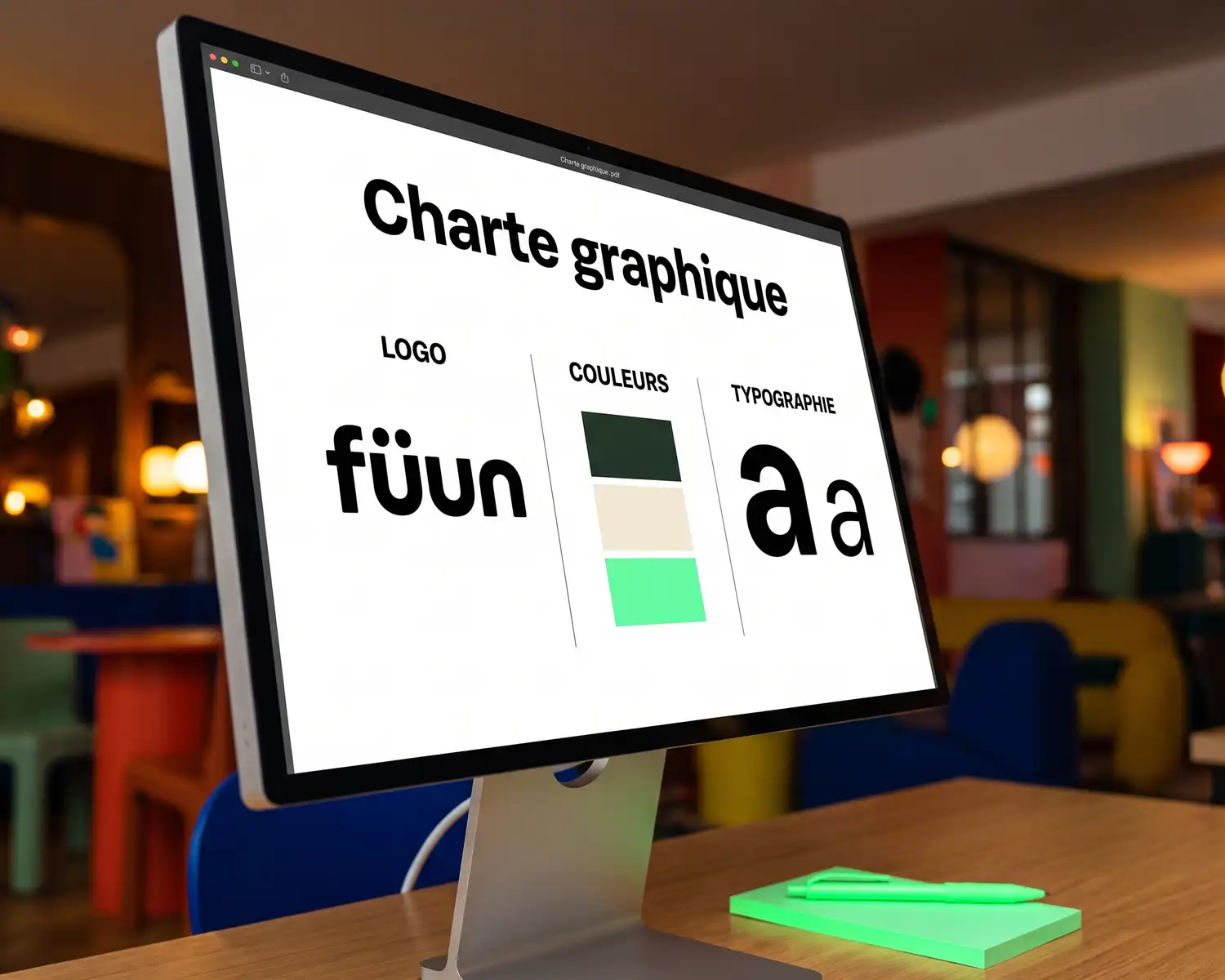
Graphic charter (brand guidelines): definition, elements and best practices
A graphic charter brings together a logo, colors and typography. What actually matters when it also has to dress a whole team in merch.
What logo format works for textile printing?
A JPG or a PNG isn't enough to print a logo on textile: here's the right format, and how to fix yours if it doesn't pass.
Heavyweight t-shirt: which fabric weight should you choose?
A t-shirt's fabric weight is on its product page, in g/m2: light under 160, heavyweight above 200. A heavyweight t-shirt holds up better in the wash, and prints look better on it.
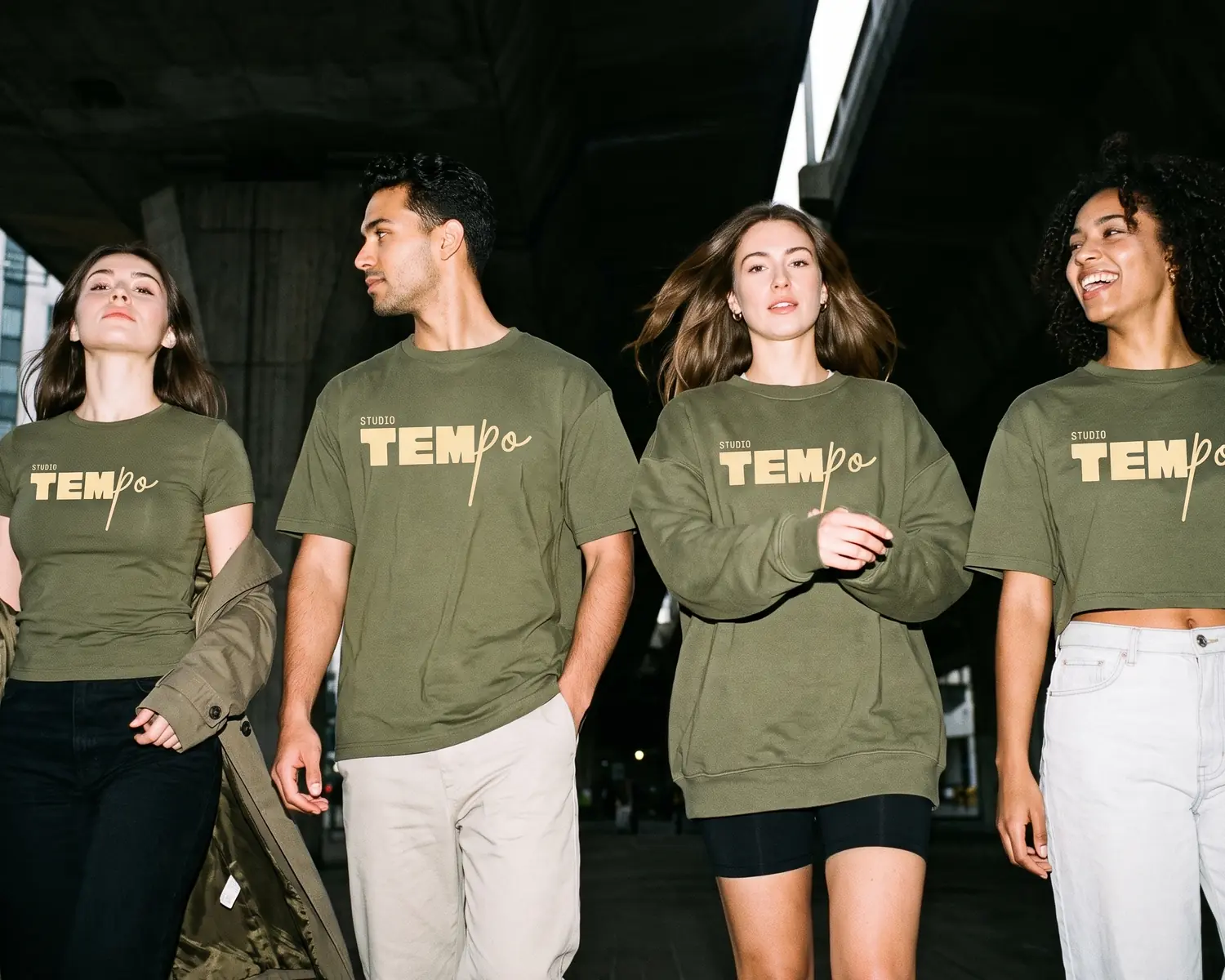
The fit guide: regular, boxy, oversized, cropped
Regular, boxy, oversized, cropped: four fits that are not equal for your brand's image. The print stays the same size everywhere, what changes is the style.
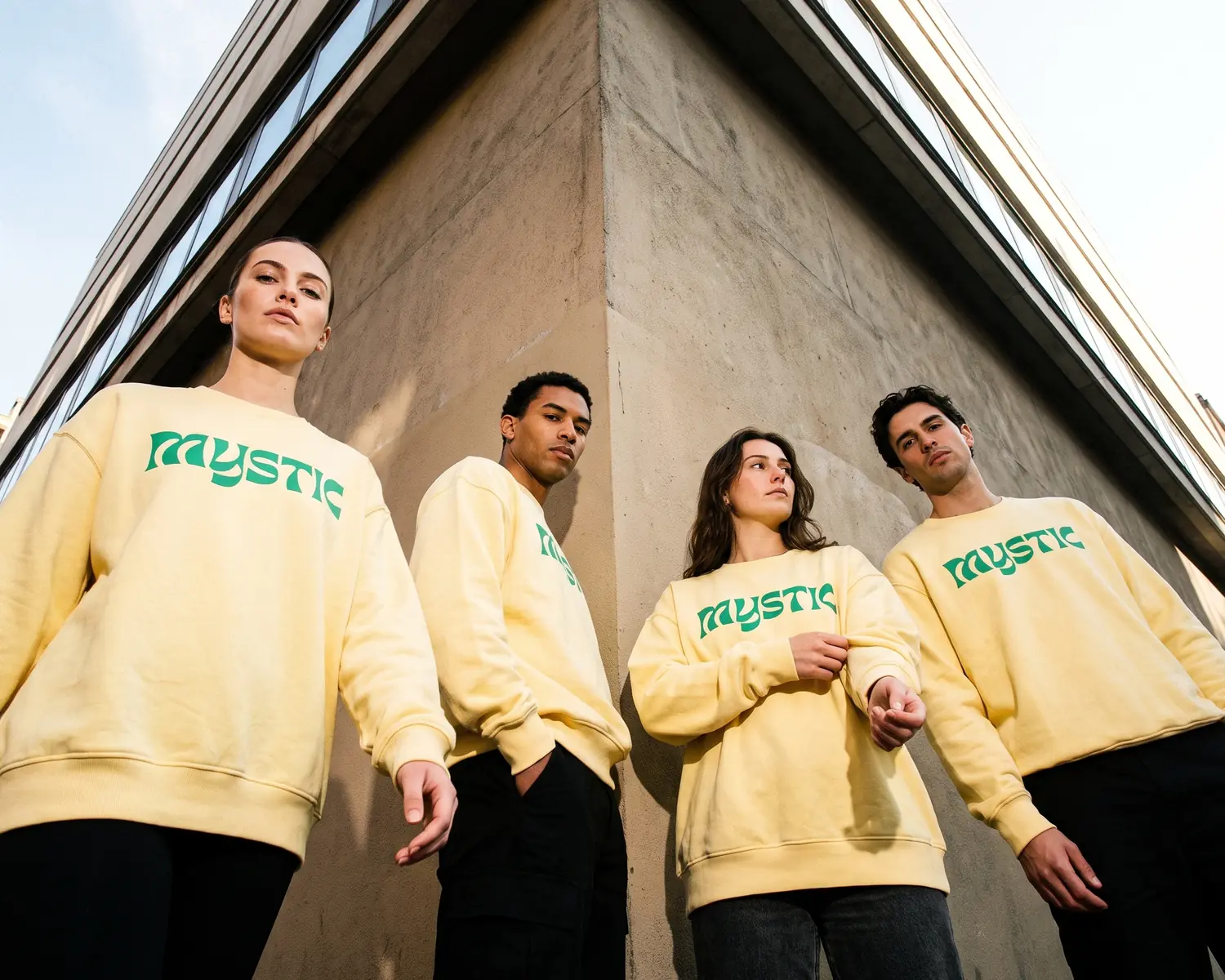
Crewneck or hoodie: definition, differences and prices
Crew neck or hood: the real question is not style. It is how much printable space you get, and how much each person will pay.
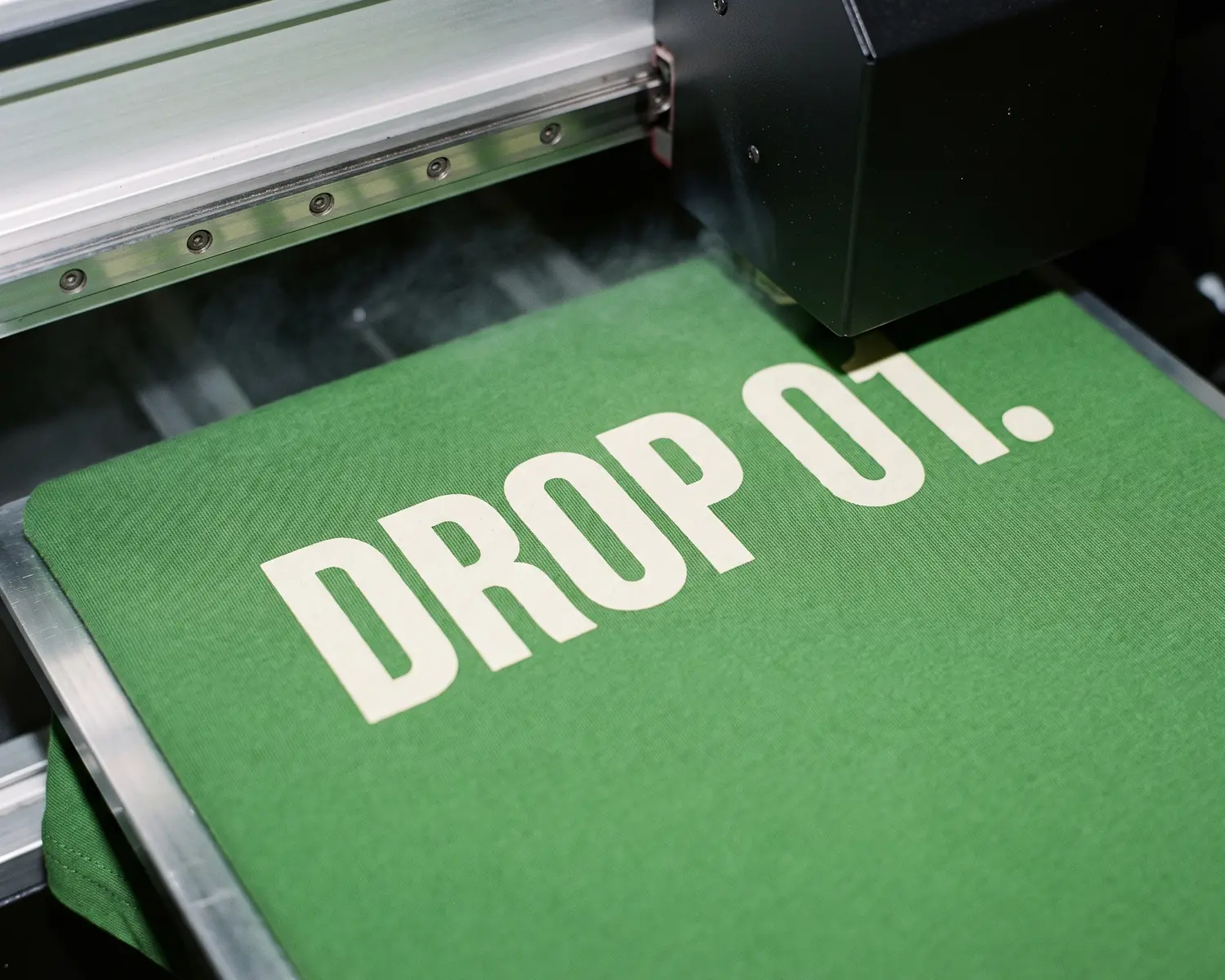
Print on demand: how does it work and what does it really cost?
Print on demand explained to someone who already has a community: how it works, what it changes, what it really costs, and when it is the wrong tool.
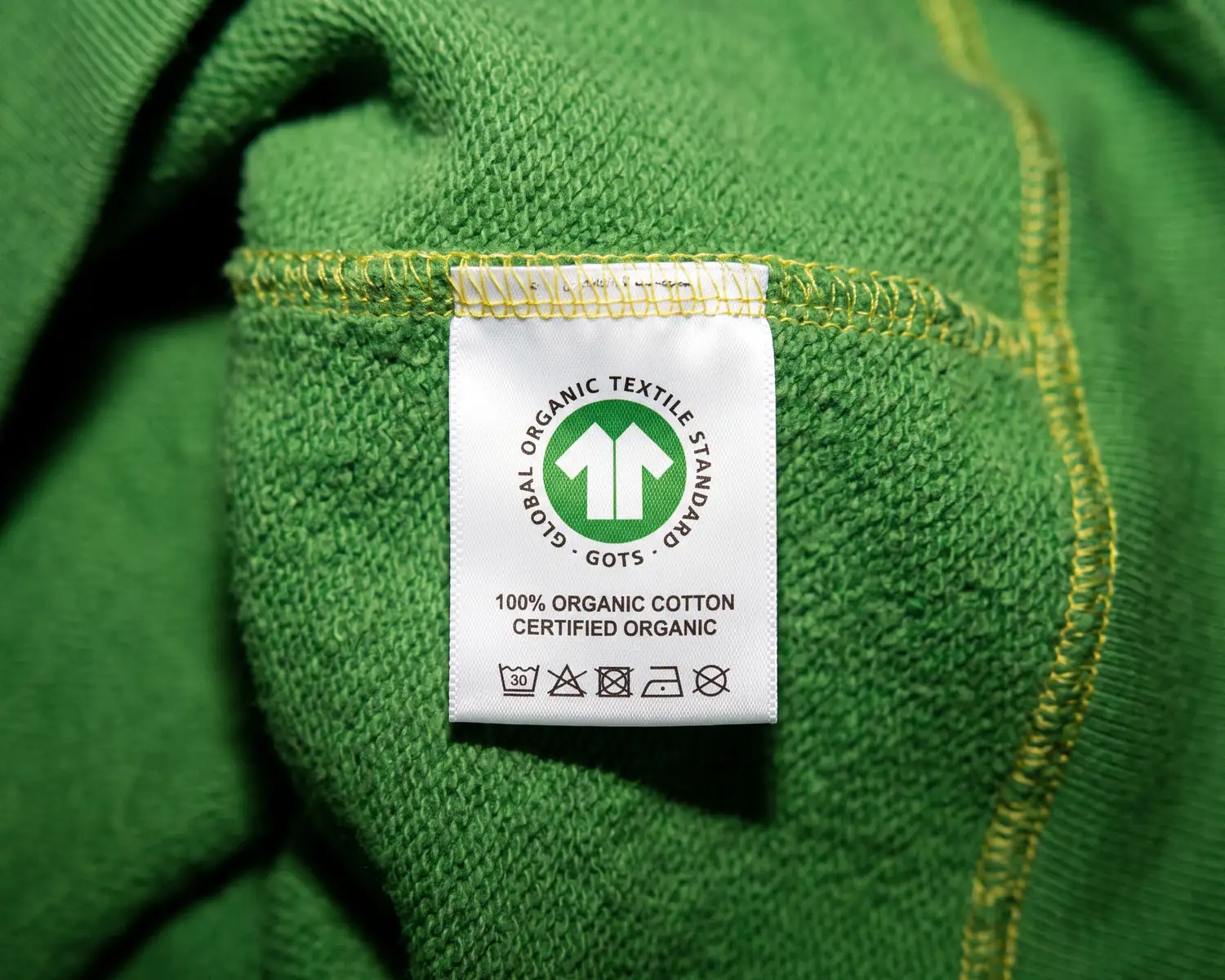
GOTS: what the label guarantees and how to verify it
The reference standard for organic textiles: what GOTS controls, its two grades, and the reflex to check that a garment really is certified.
Garment embroidery: the volume pricing guide
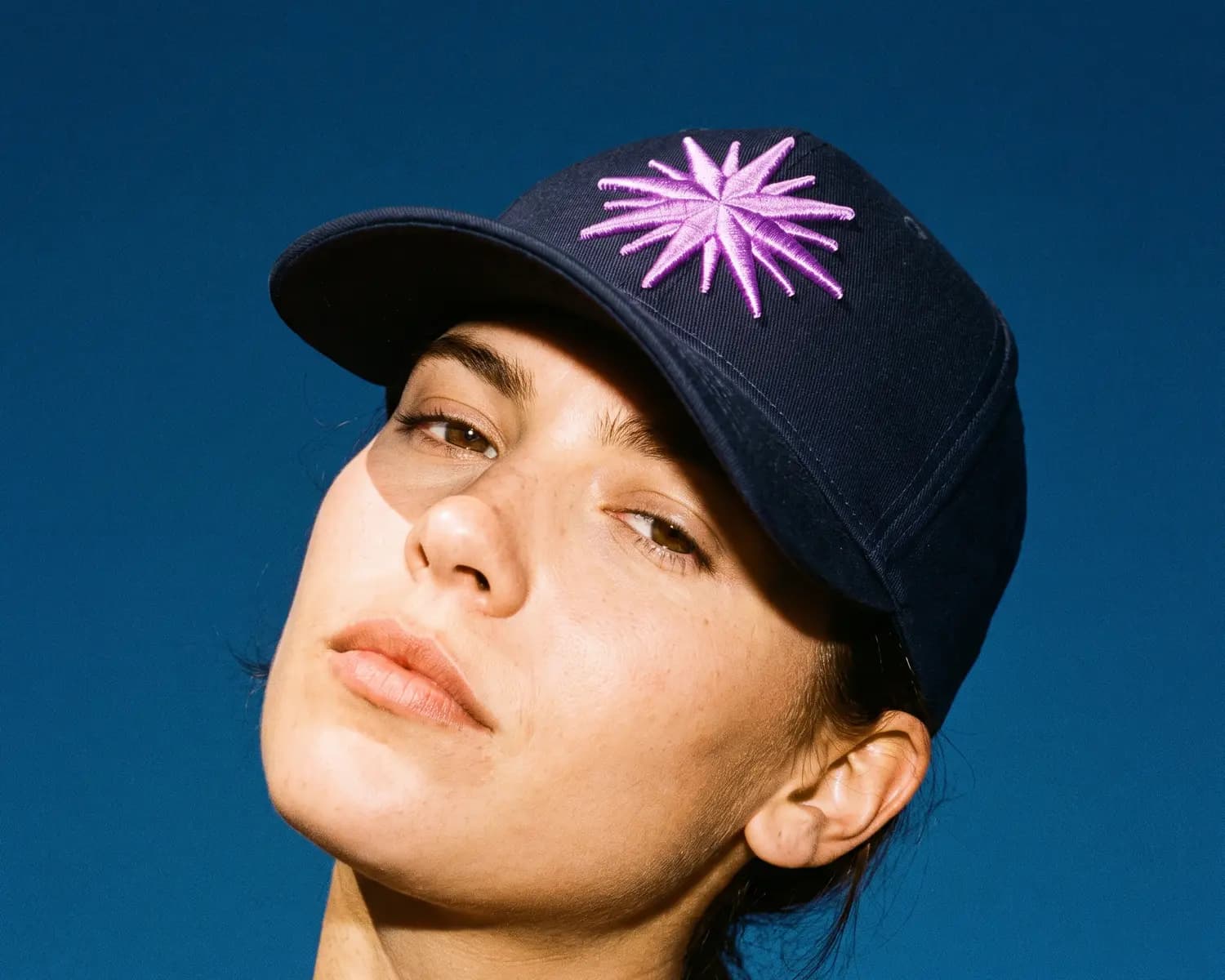
Digitizing paid once, embroidery dropping with quantity: the cost mechanics of team embroidery, the 20-piece threshold, 3D embroidery, and where to check your prices.
DTF printing: the project owner's guide to volume orders
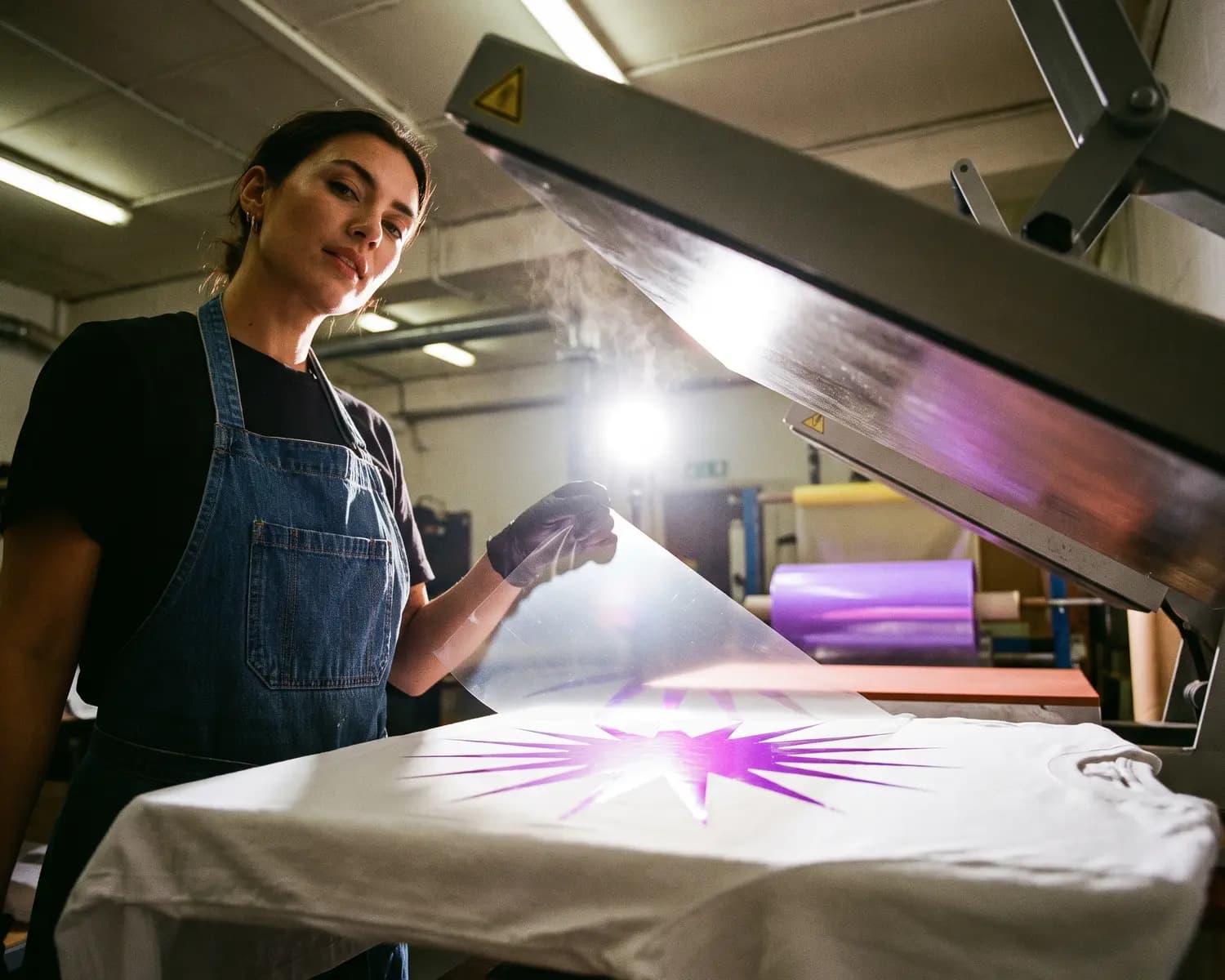
DTF explained to the person who places the order: every color at no extra cost, almost every fabric, from a single piece, and the honest match against screen printing on your quote.
Textile MOQ: minimum order quantity, definition and pitfalls
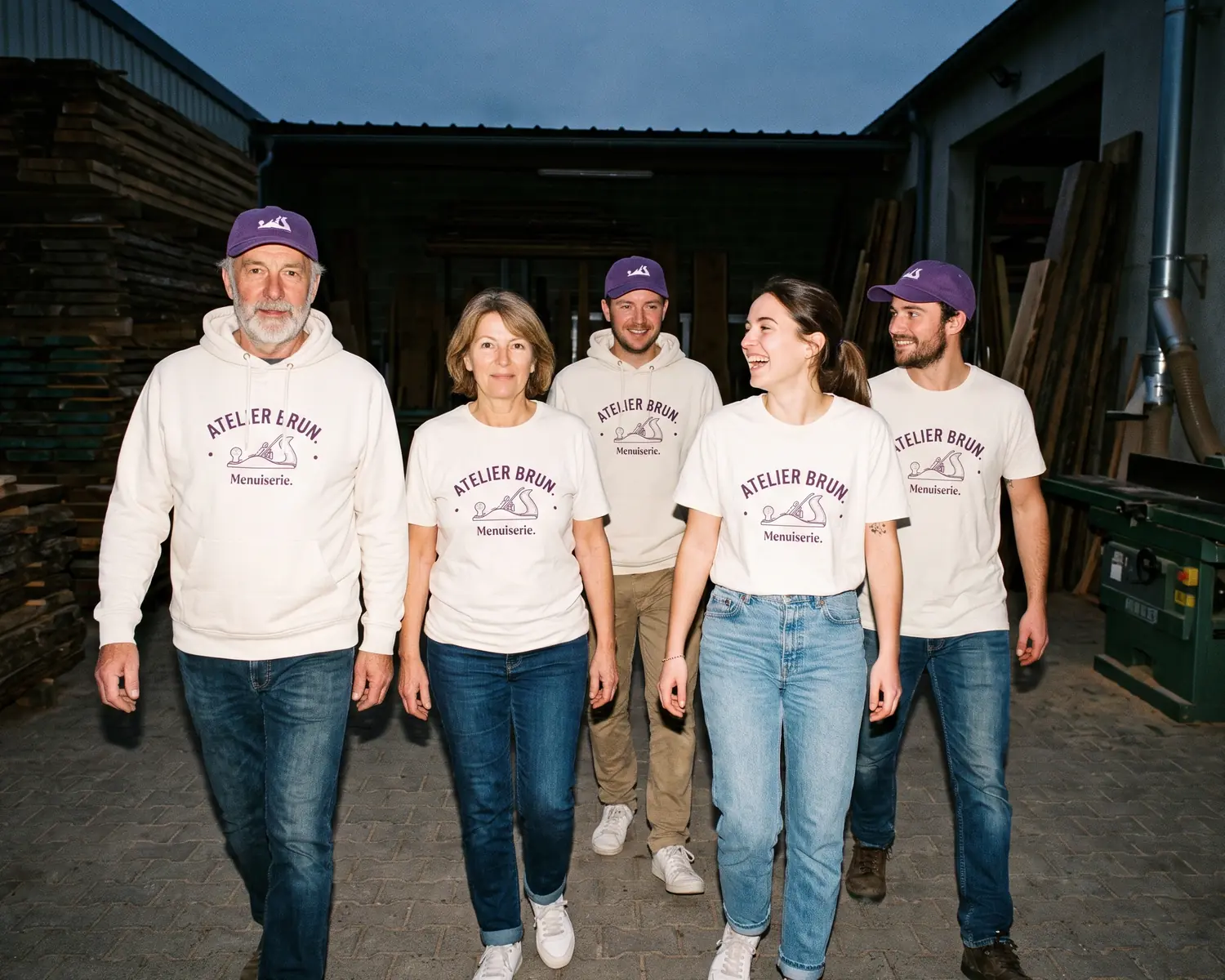
What a minimum order quantity hides: per-model minimums, hidden fees, price breaks, and the real thresholds of custom textiles from 1 piece.
Laundry care symbols: the complete guide to textile labels
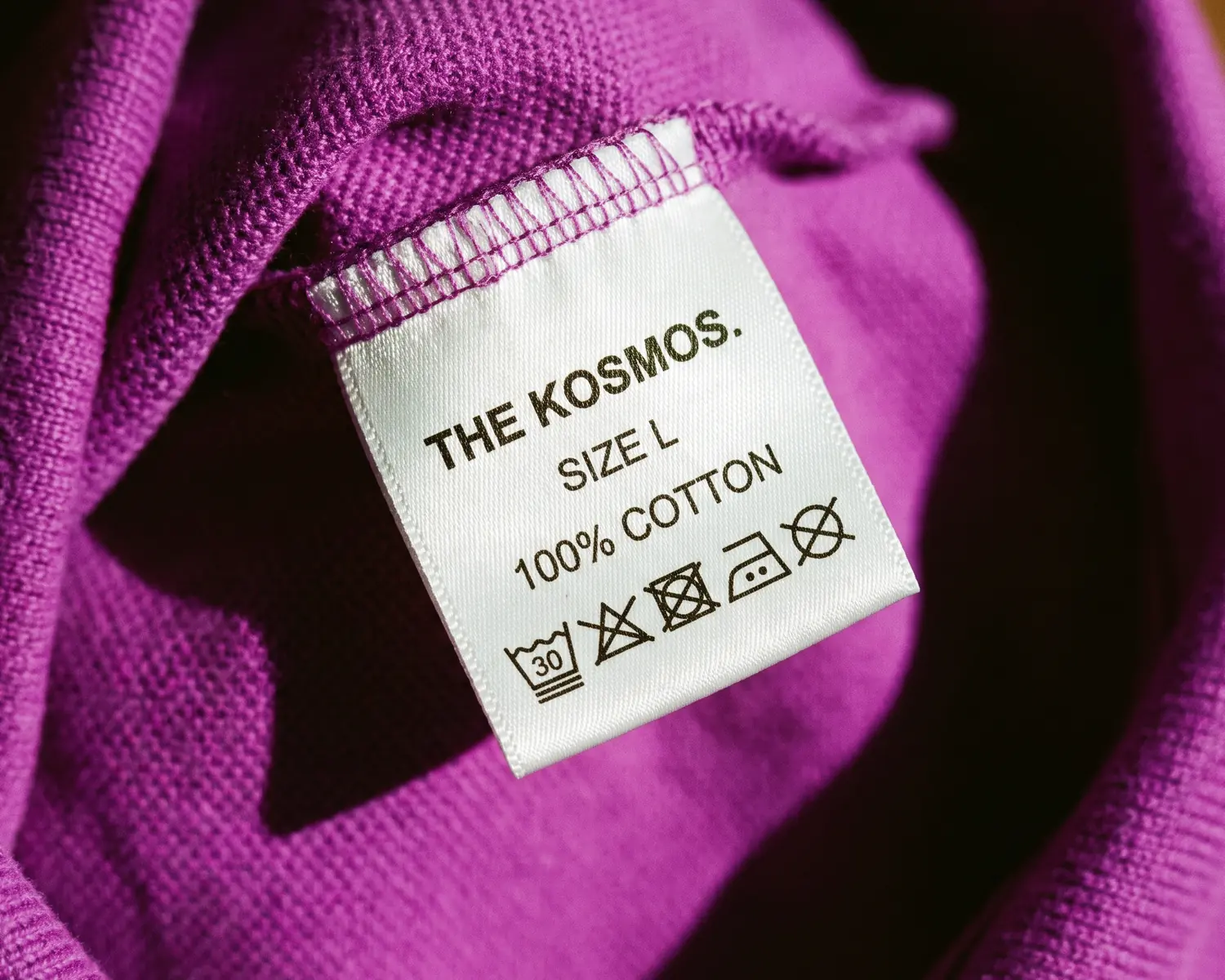
Washtub, triangle, square, iron, circle: the five families of care symbols decoded, plus the rules that make team clothing last.

Poplin, twill or oxford: which shirt fabric should you choose?
Smooth dressy poplin, soft twill, sturdy oxford: the comparison of the three shirt fabrics to outfit your team without mistakes.
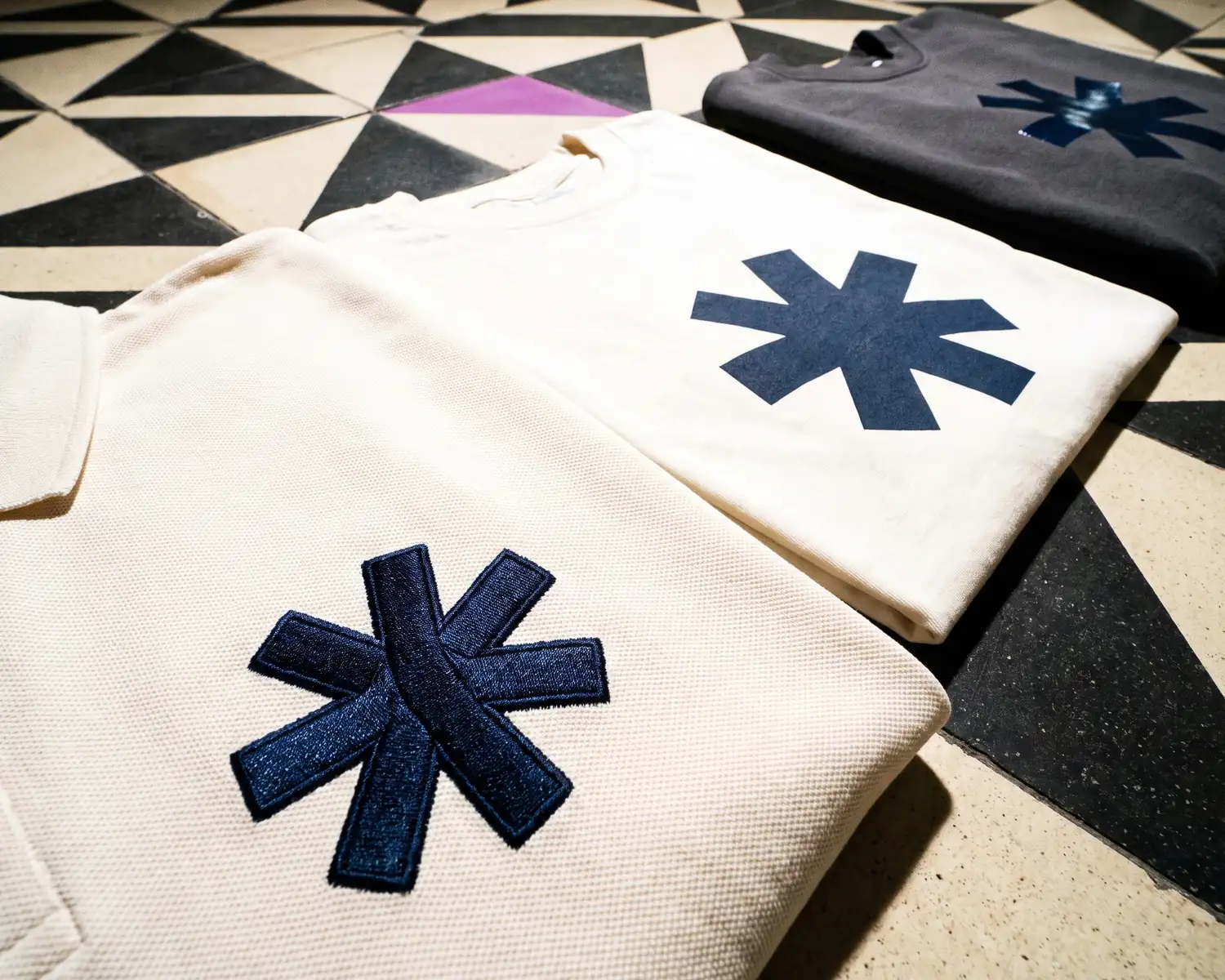
Textile marking: which technique for a large run?
Screen printing, embroidery, DTF transfer or digital printing: thresholds, fabrics, wash resistance and budget, so you can decide with confidence.
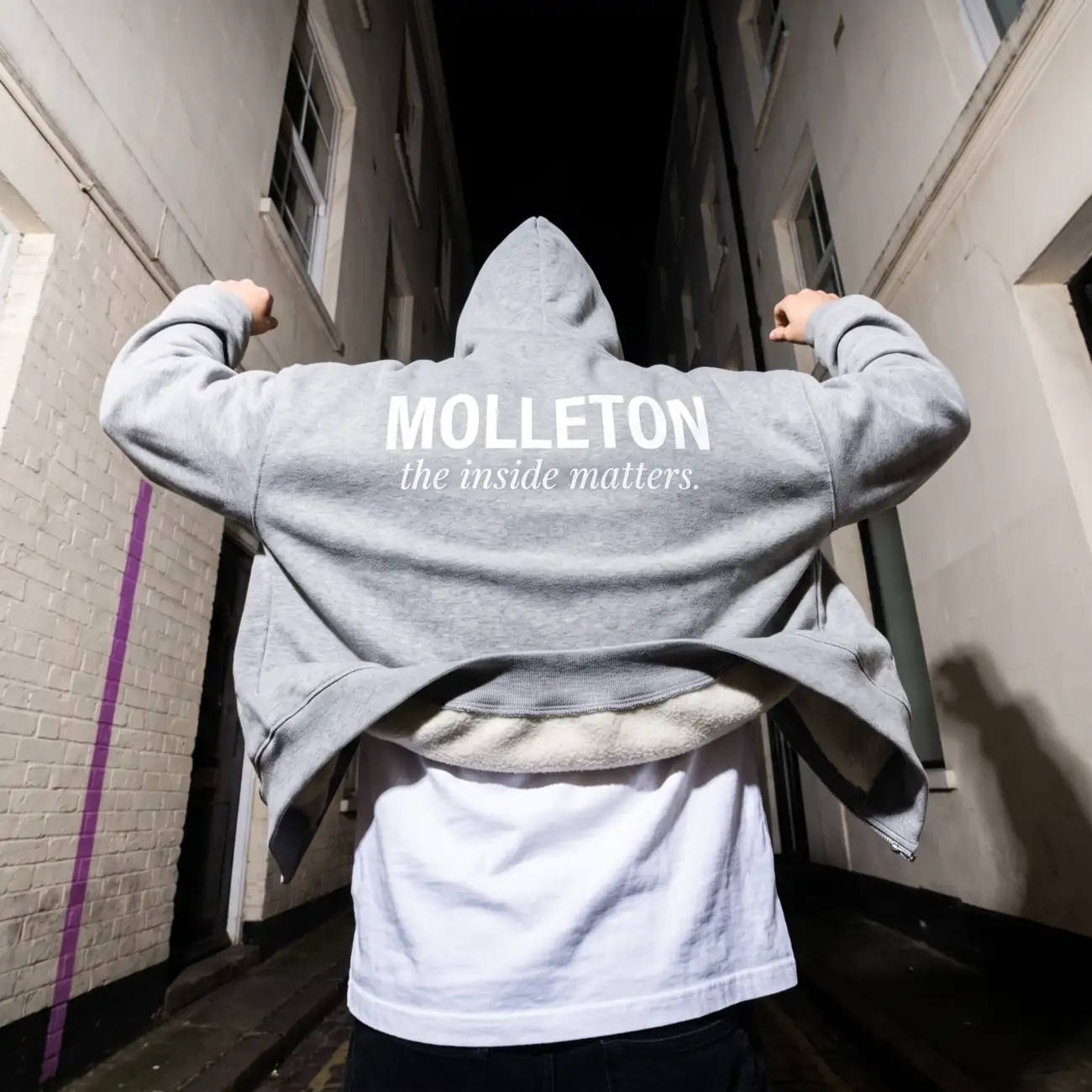
Fleece: french terry or brushed, what hides inside your sweatshirt?
Loops or fuzz? The inside of a sweatshirt decides half the purchase. The french terry versus brushed fleece match, decoded for your orders.
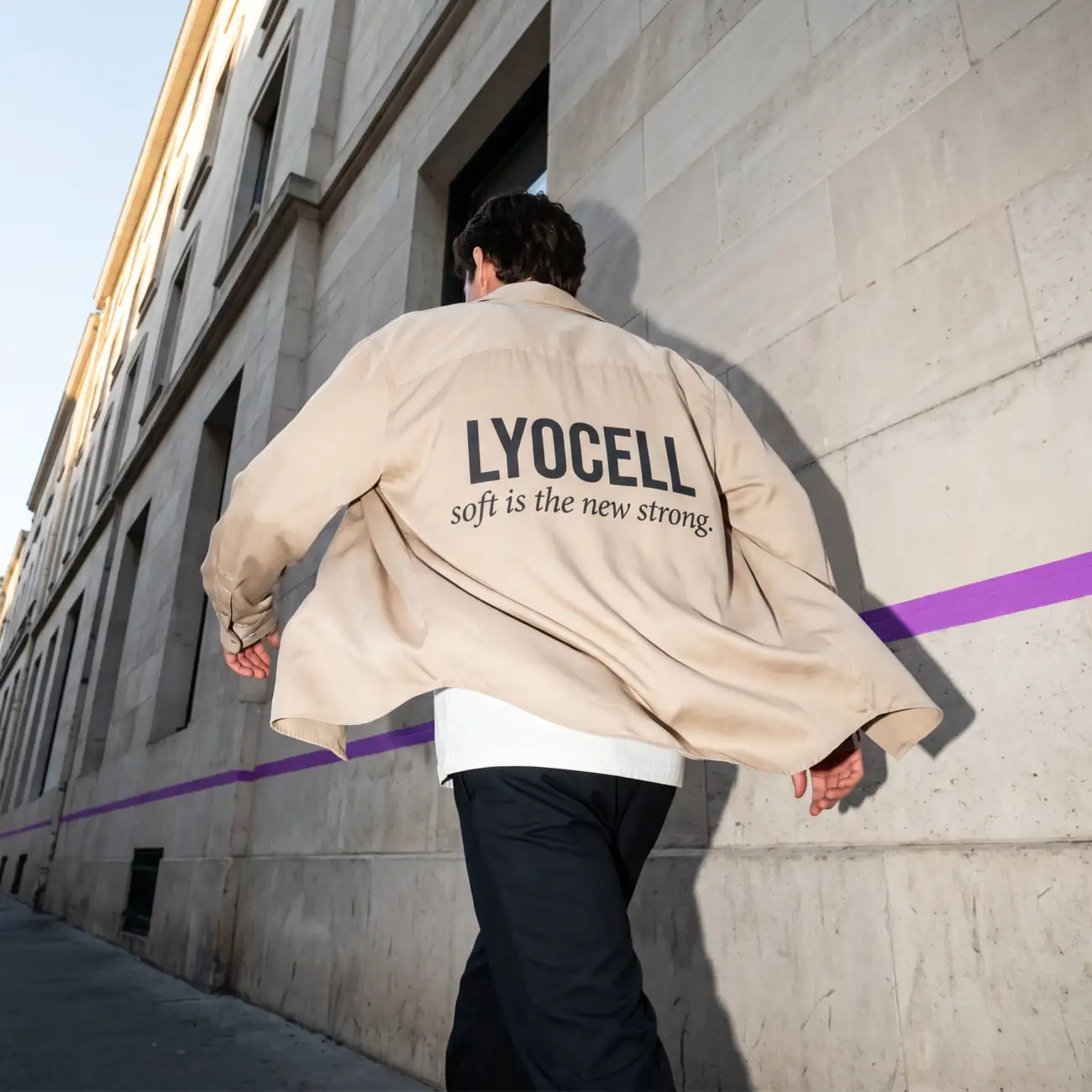
Lyocell (Tencel): the new-generation fiber decoded
Tencel is the brand, lyocell the fiber: the one that fixes viscose, facing cotton. Softness, wash resistance, and the verdict on its price.
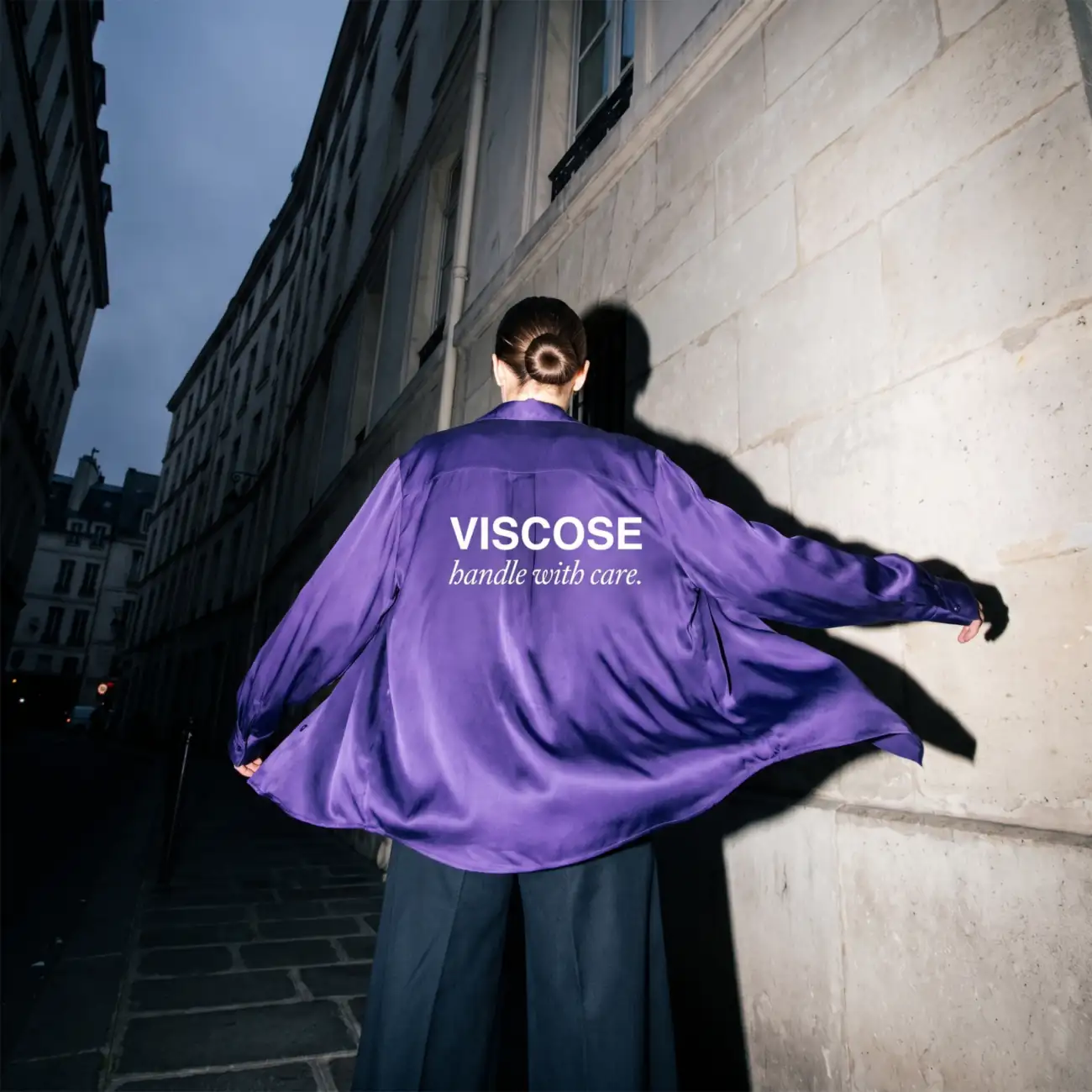
Viscose: the textile fiber decoded, strengths and limits
Neither natural nor synthetic: the honest viscose factsheet. Drape and softness on one side, wash fragility on the other: your call.
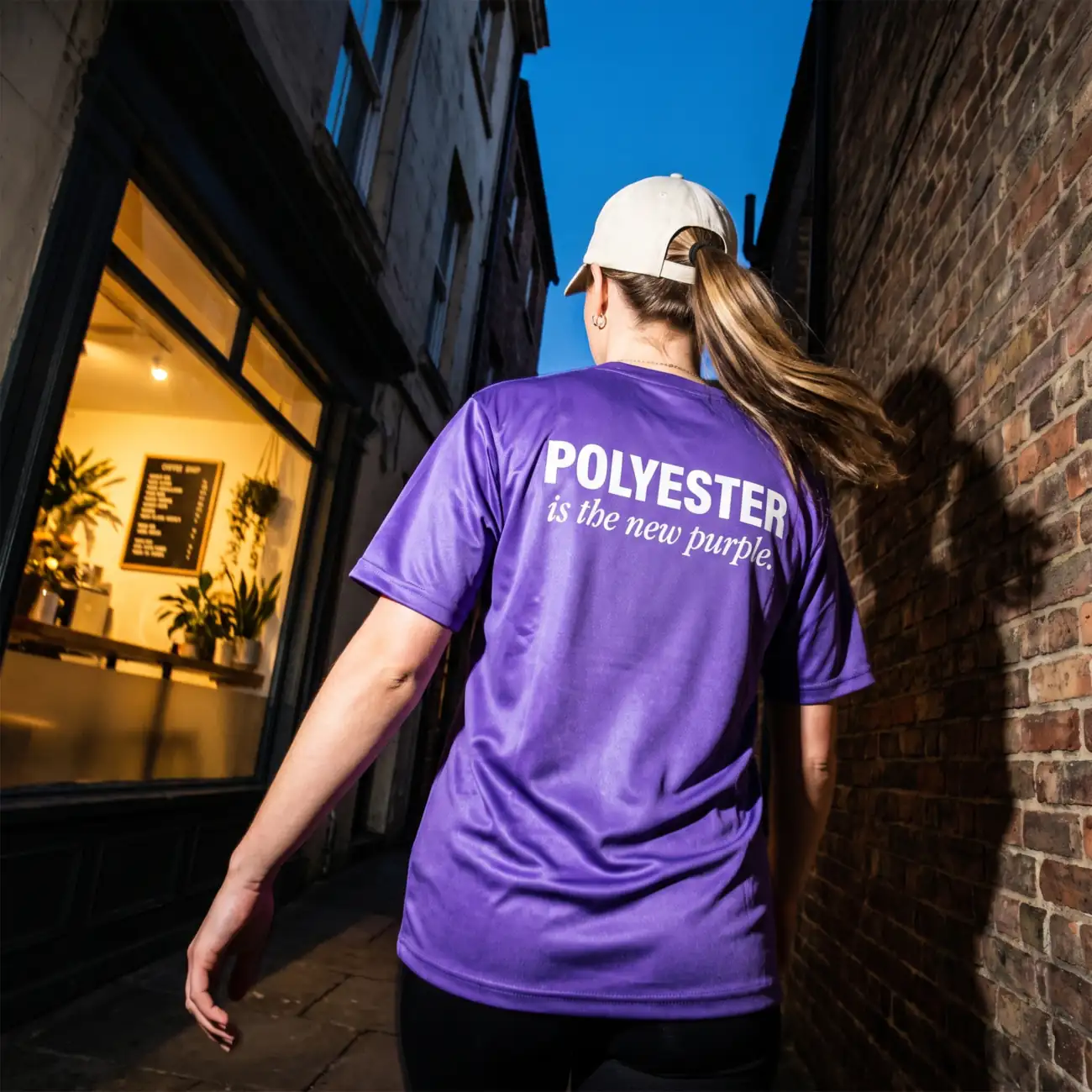
Polyester: pros, cons and uses for volume orders
Wash resistance, stable colors, controlled budget: the polyester guide for volume buyers, poly-cotton blends and printing included.
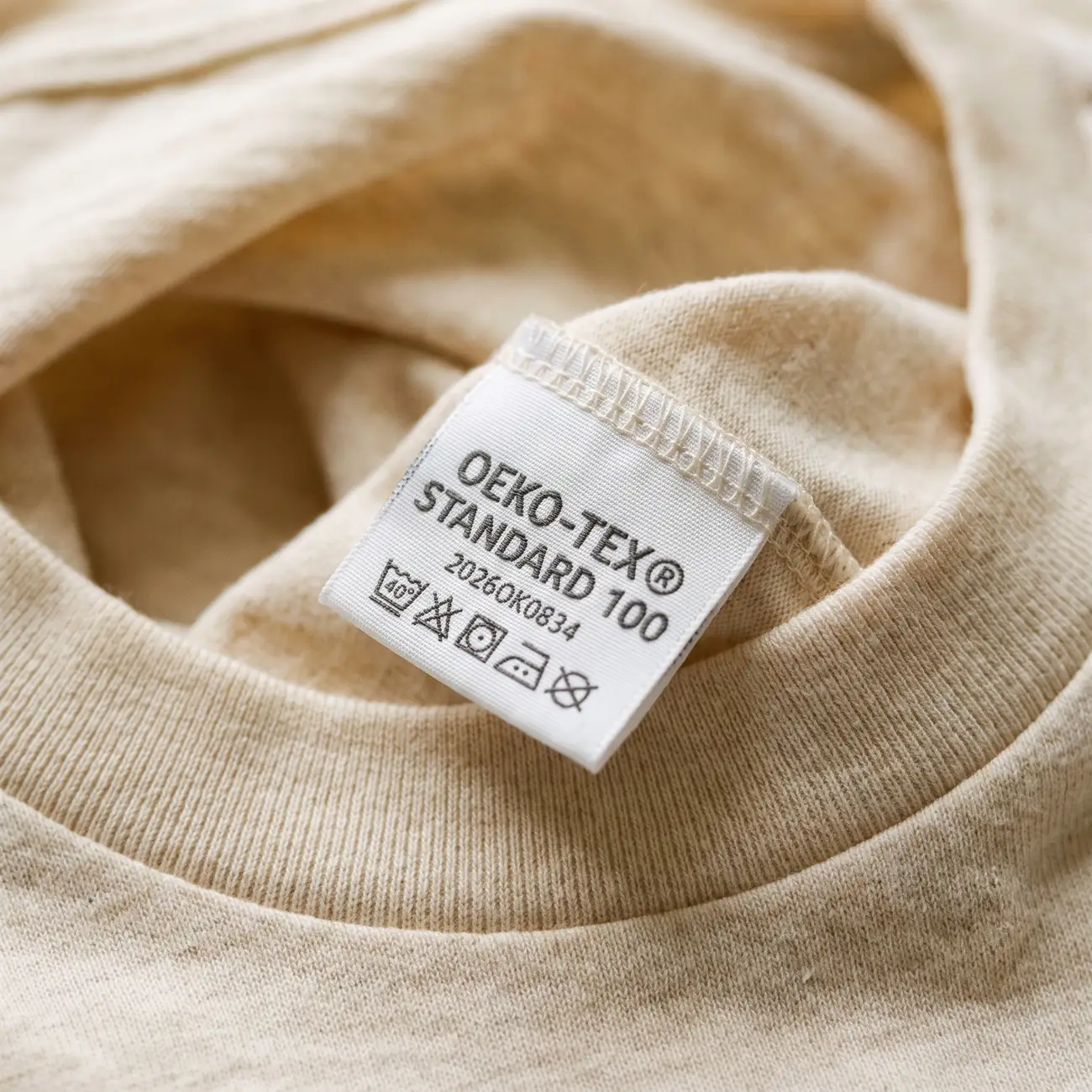
Oeko-Tex Standard 100: what the label really guarantees
The Oeko-Tex Standard 100 label explained to the professional buyer: what it guarantees, what it does not, and how to verify a certificate before ordering.
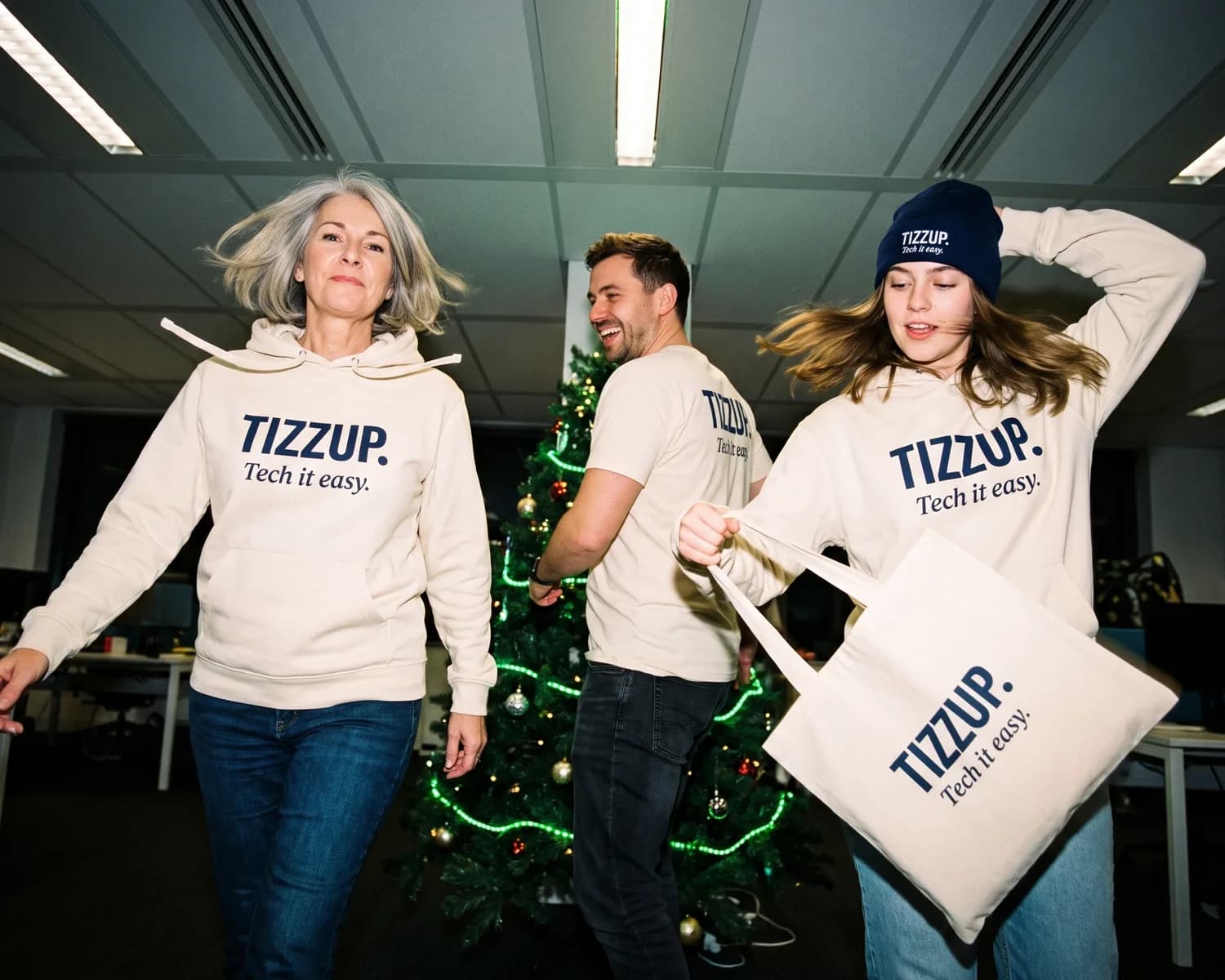
Year-end company gifts: 12 ideas for your employees
12 year-end gift ideas your employees will actually wear, from the embroidered cap to the heavy hoodie, with our prices, the 2026 cap on works council (CSE) gifts in France and the timeline to get them delivered before December 20.
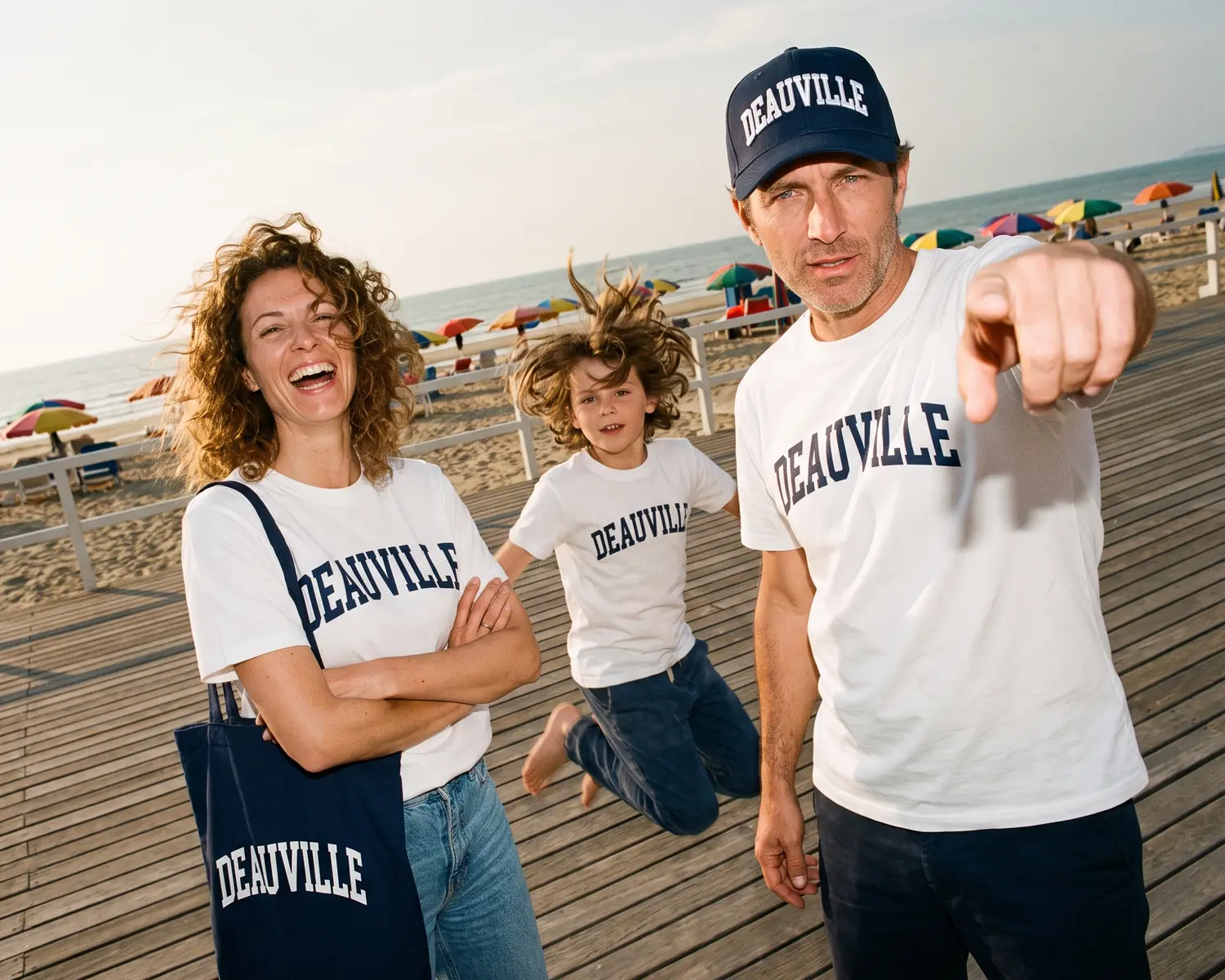
City branding: your city's online souvenir shop, with zero stock
Your city's sweatshirt can be worn like a brand's: open its official online souvenir shop, with no stock and no budget, and every sale becomes local revenue.
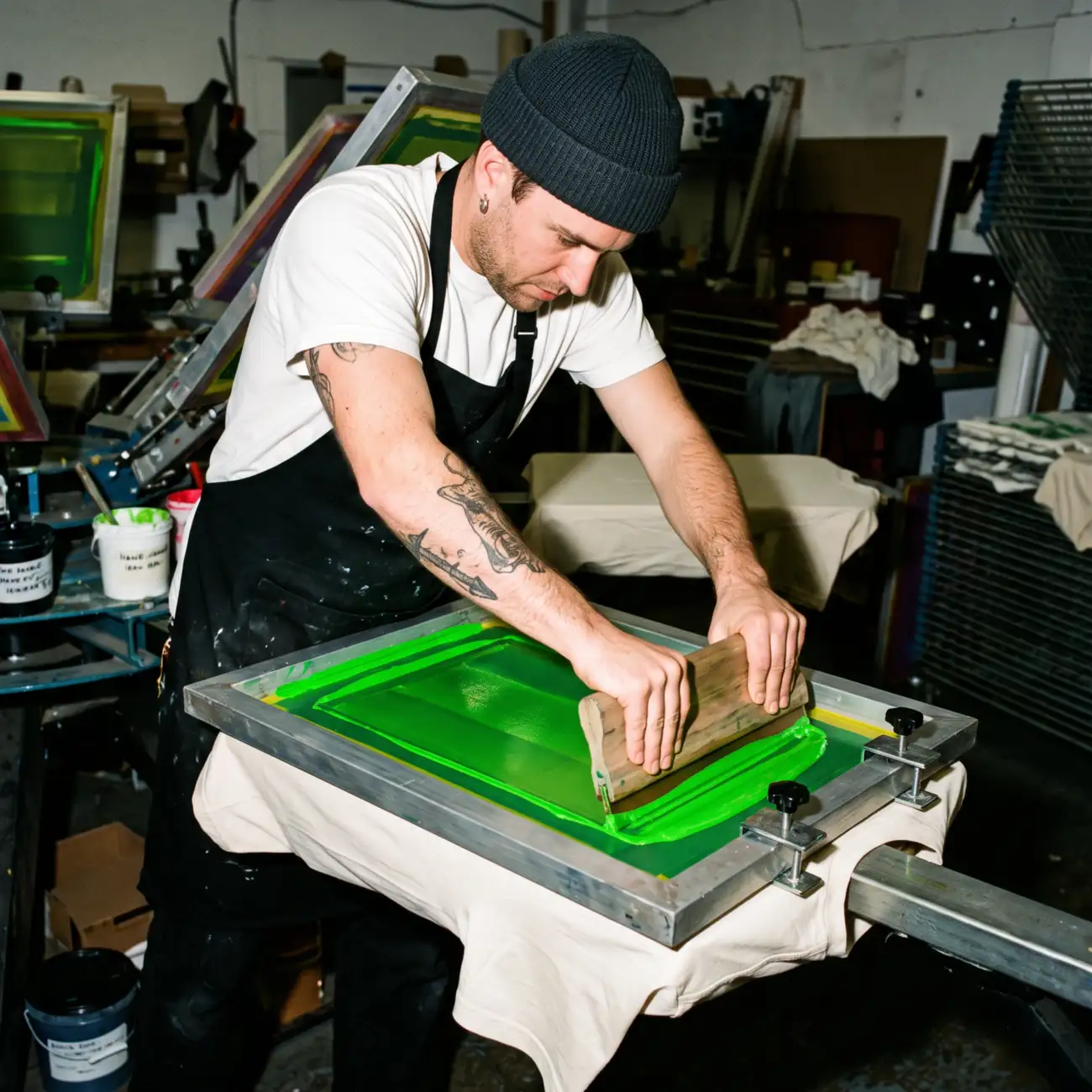
T-shirt screen printing: how does it work and what does it cost?
One color = one screen: the economics of screen printing explained by a pro, our prices by quantity, its strengths in large runs and its limits.
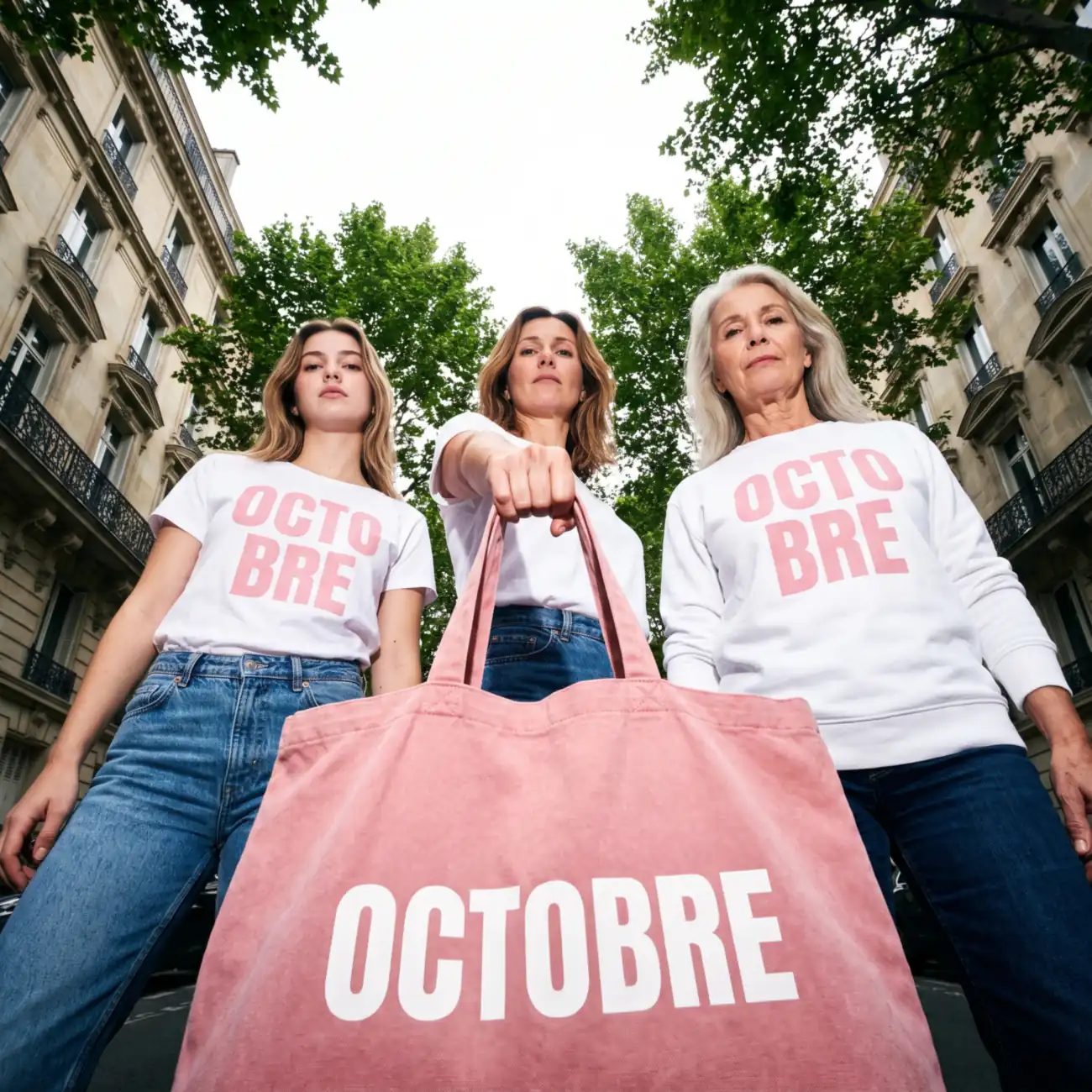
Pink October merch: your association's charity capsule
Instead of a handout item: your association's charity capsule. Pink logo, preorders with no upfront costs, a donation announced per item. The full guide.

2026 trend colors: winter's top 5 for your custom apparel
Cloud Dancer, wasabi, warm browns, ink blue, butter yellow: the 5 colors of the season, and the safest way to wear them: in the printing.
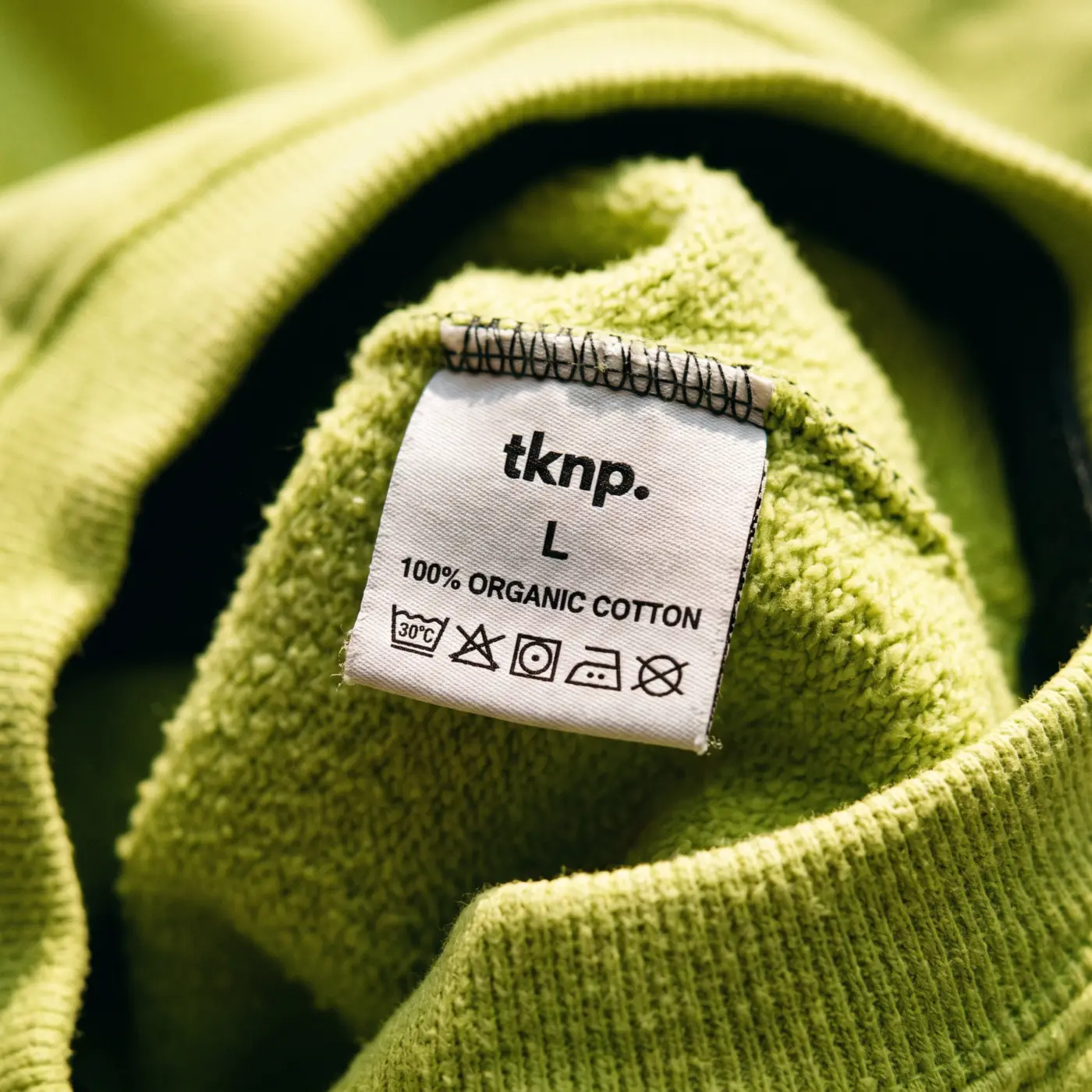
Composition label: what must it show, and how do you read it?
Mandatory in Europe, the composition label lists the fibers by percentage: what it must show, how to read it, and what it does not say.
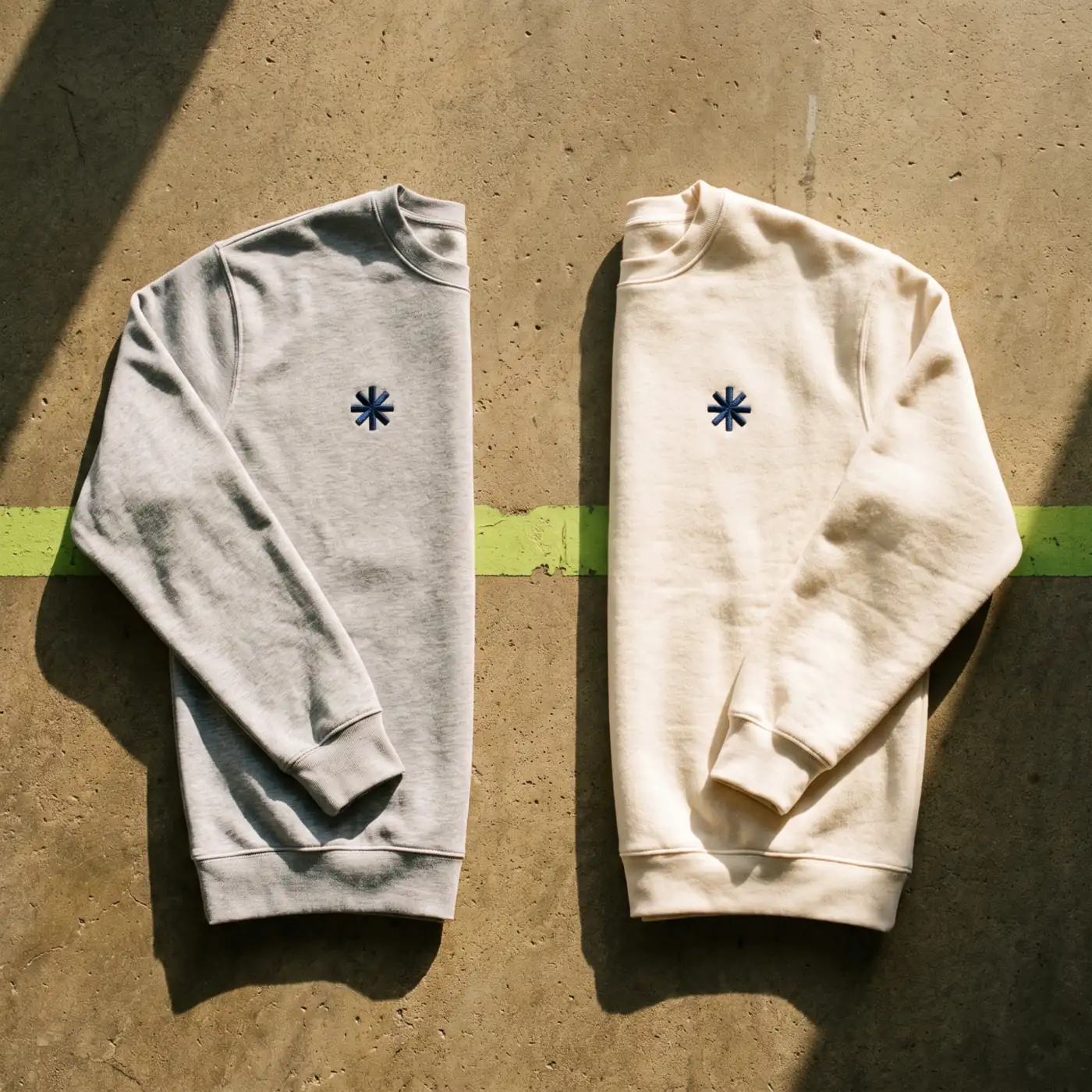
Stanley/Stella or Gildan: the price-quality match
Stanley/Stella or Gildan for your custom sweatshirts? We compare the reliable basic and the organic premium, with our prices, and three questions are enough to decide.
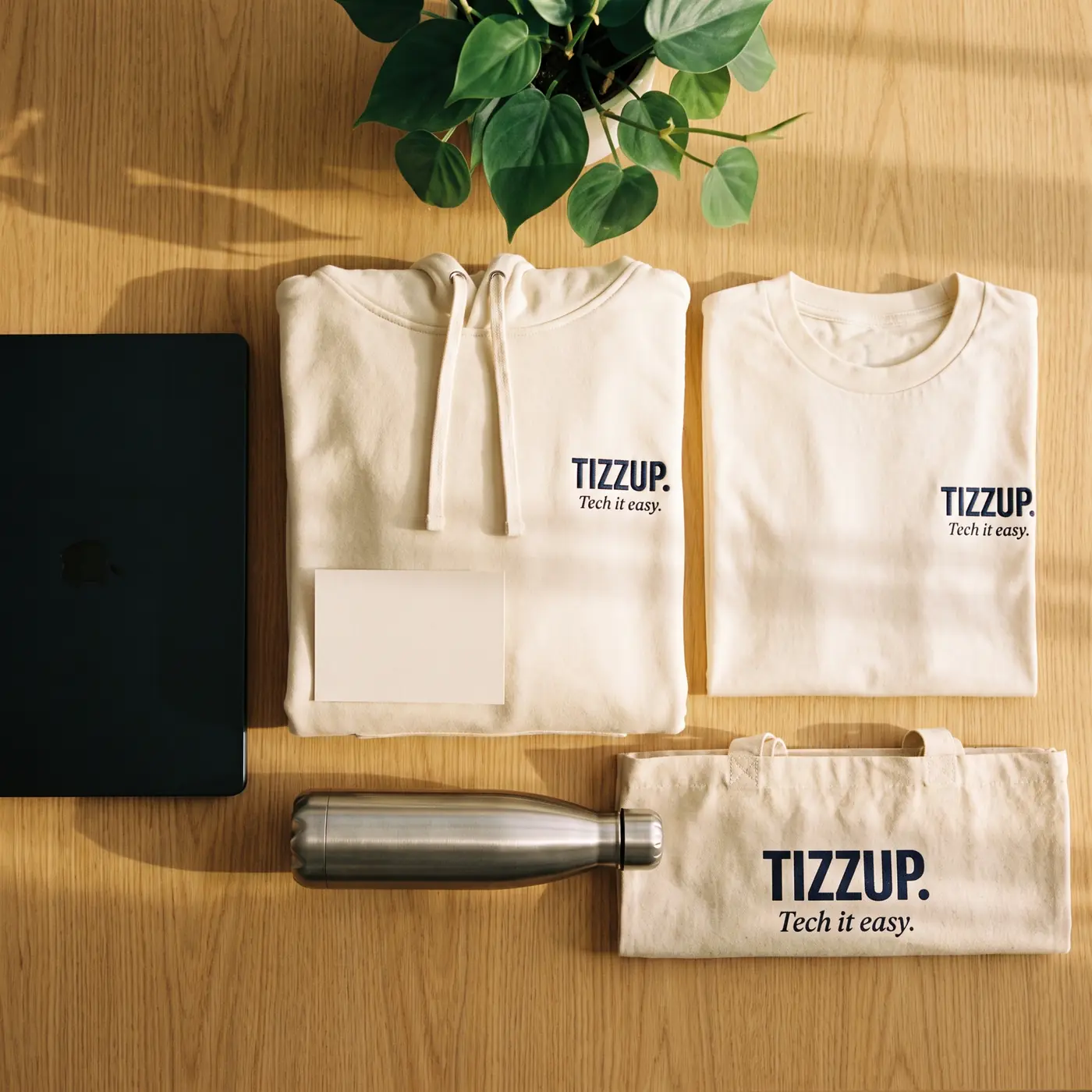
Company welcome pack: the no-headache onboarding guide
A welcome pack your employees will actually wear: 3 well-cut garments, a Store where everyone picks their own size, and zero stock to manage.
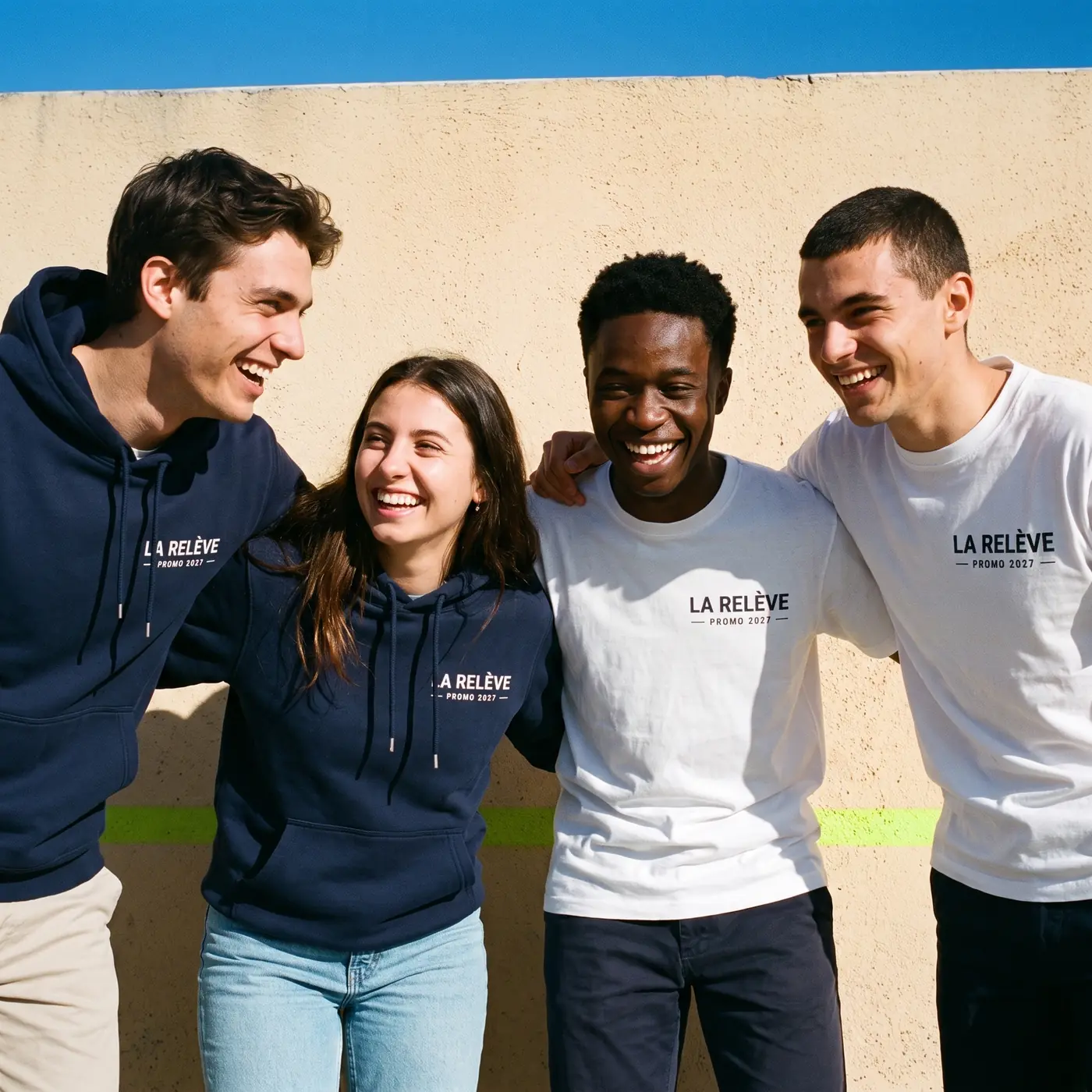
How to create your student union's merch in 3 minutes?
The back-to-school guide for student unions: a Store in 3 minutes, pre-orders that replace the spreadsheet, and a margin that helps fund the integration weekend.
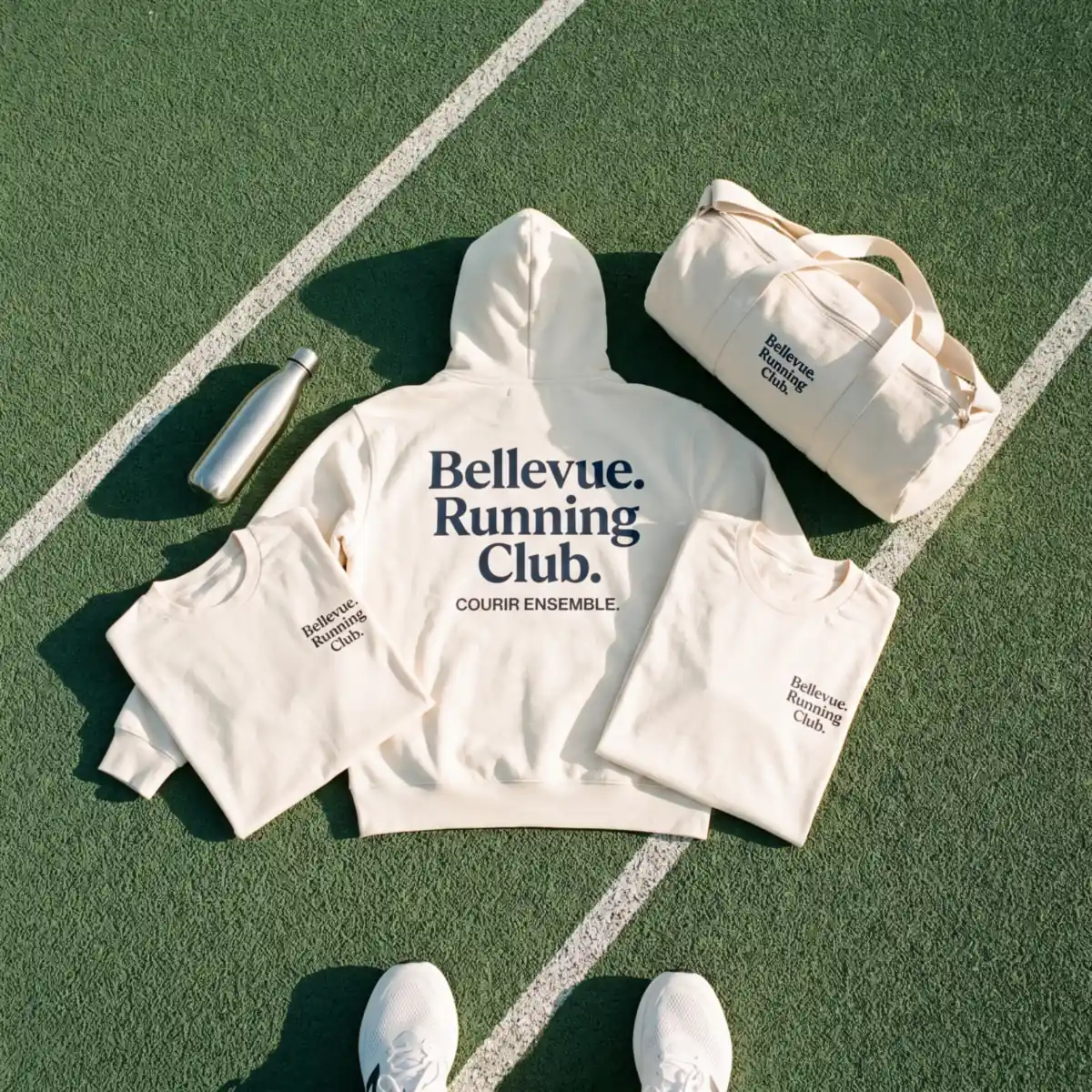
Online store for sports clubs: no stock, no cash upfront
Opening your sports club's online store has become very simple, pre-orders included. Zero stock, zero cash advance, and a margin that goes back to the club on every item sold.
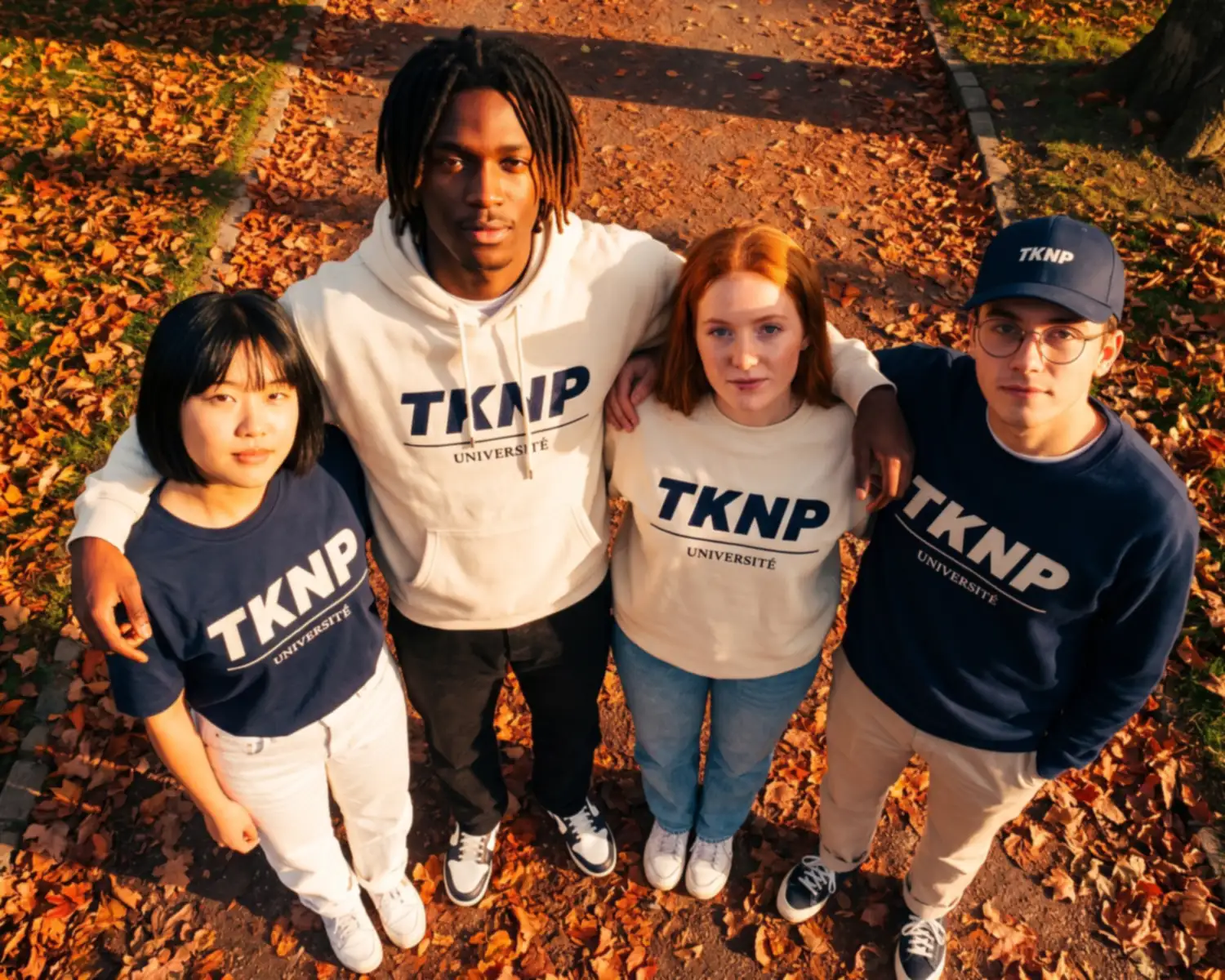
Class sweatshirt budget: the real price, and who pays for what?
How much does a class sweatshirt really cost, and who fronts the money? The budget guide written from the organiser's side, with real figures and a zero-risk method.